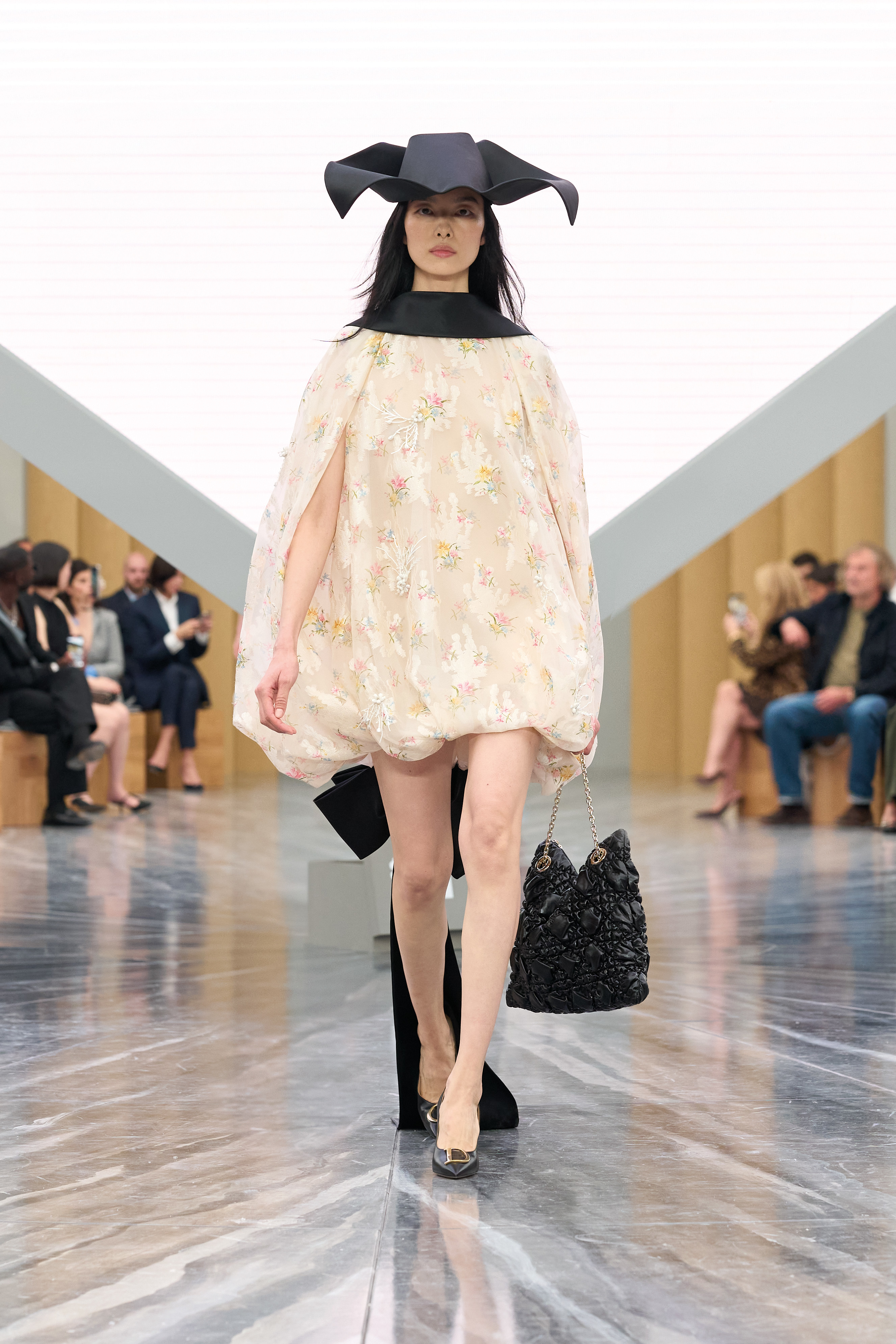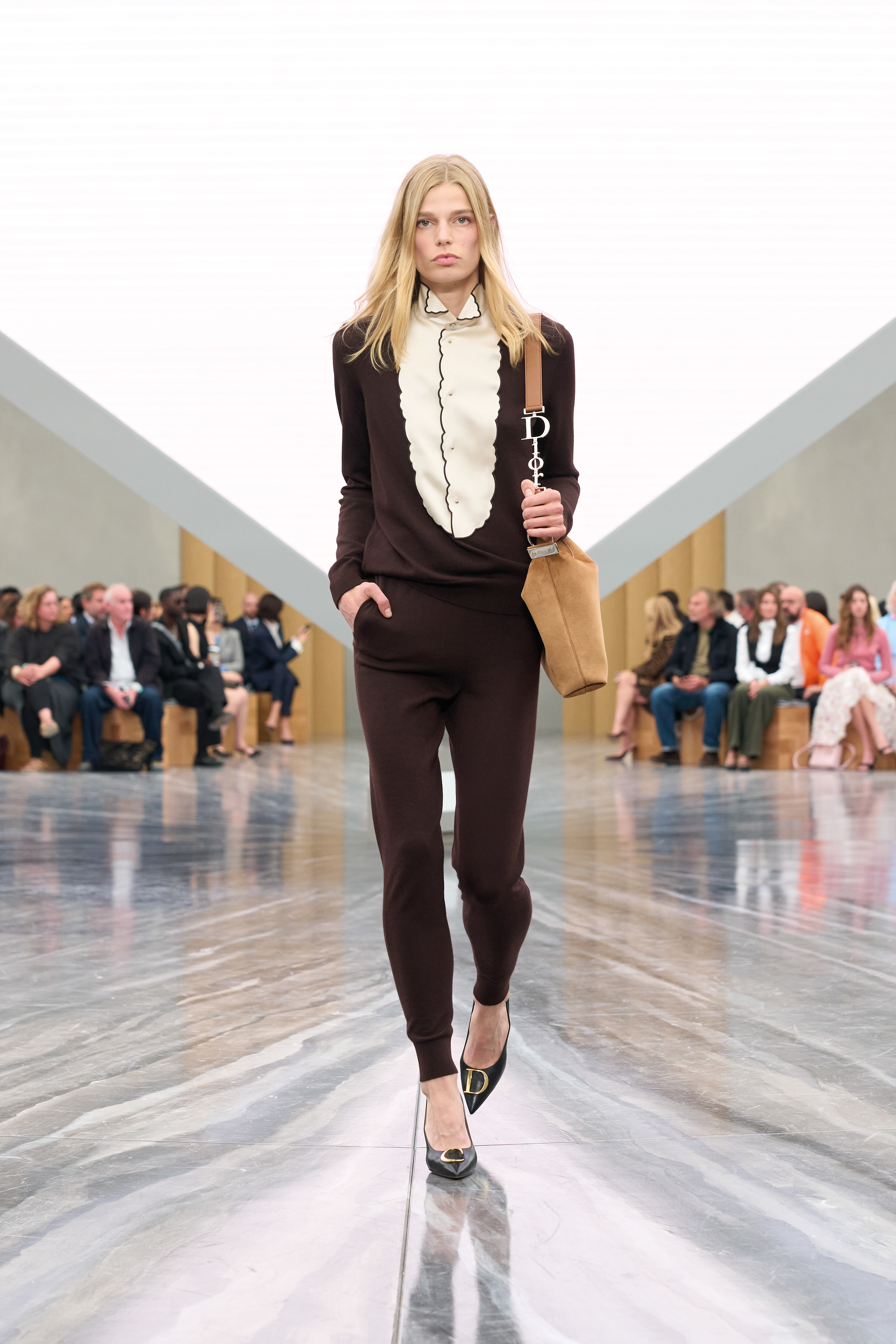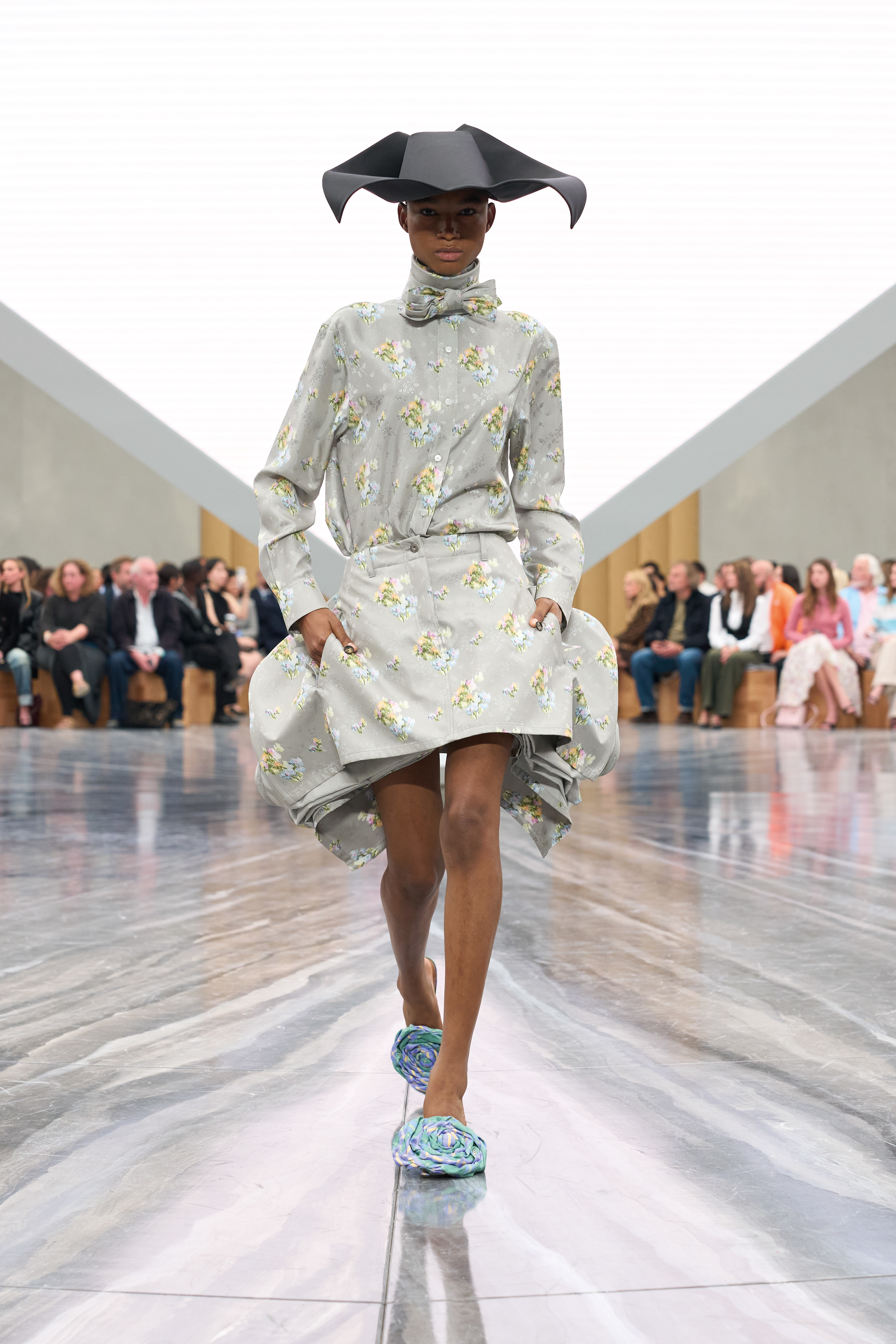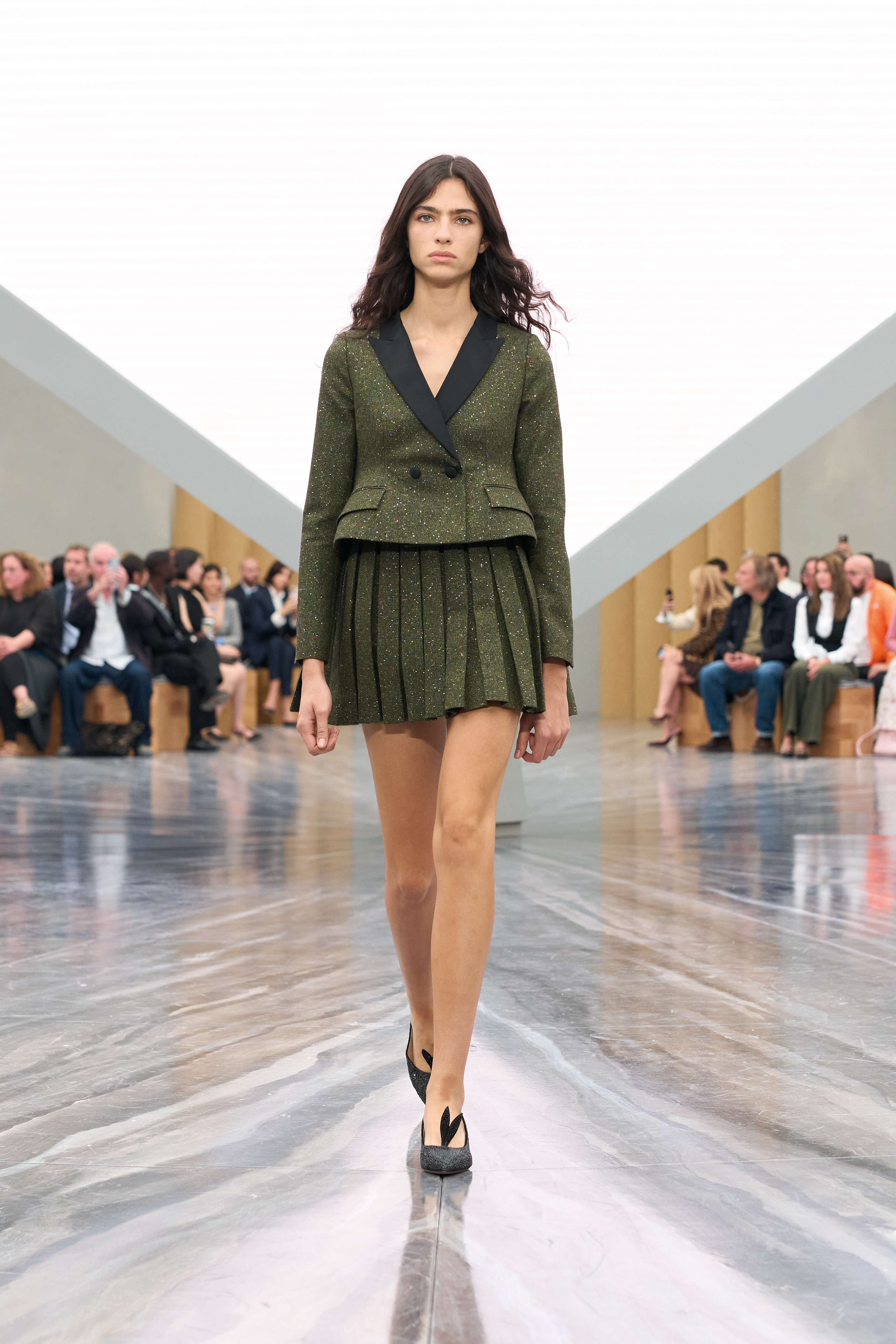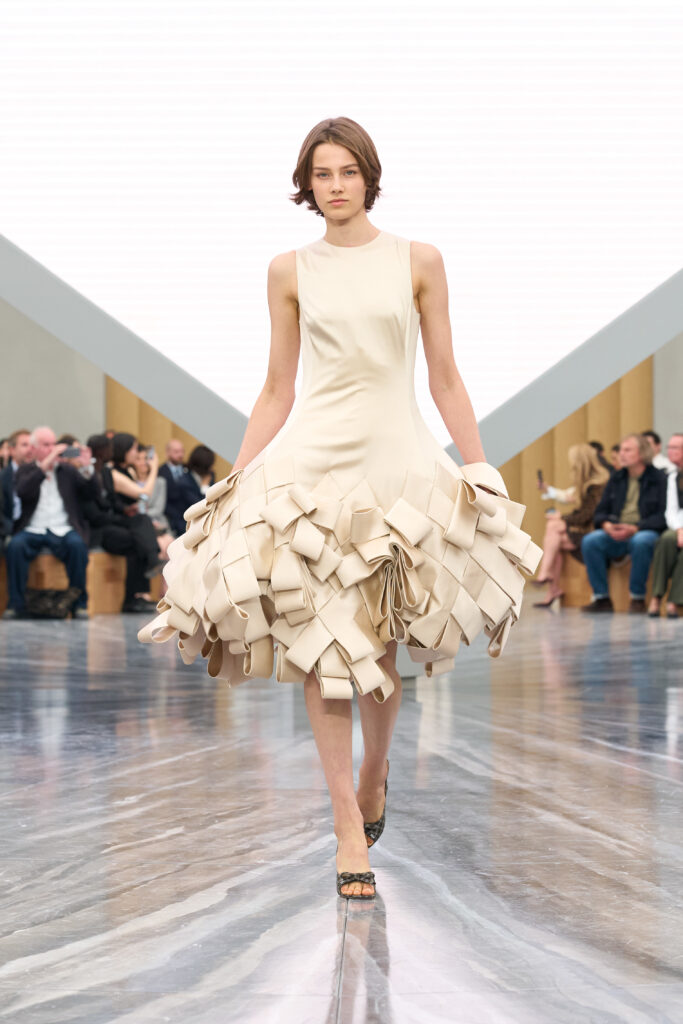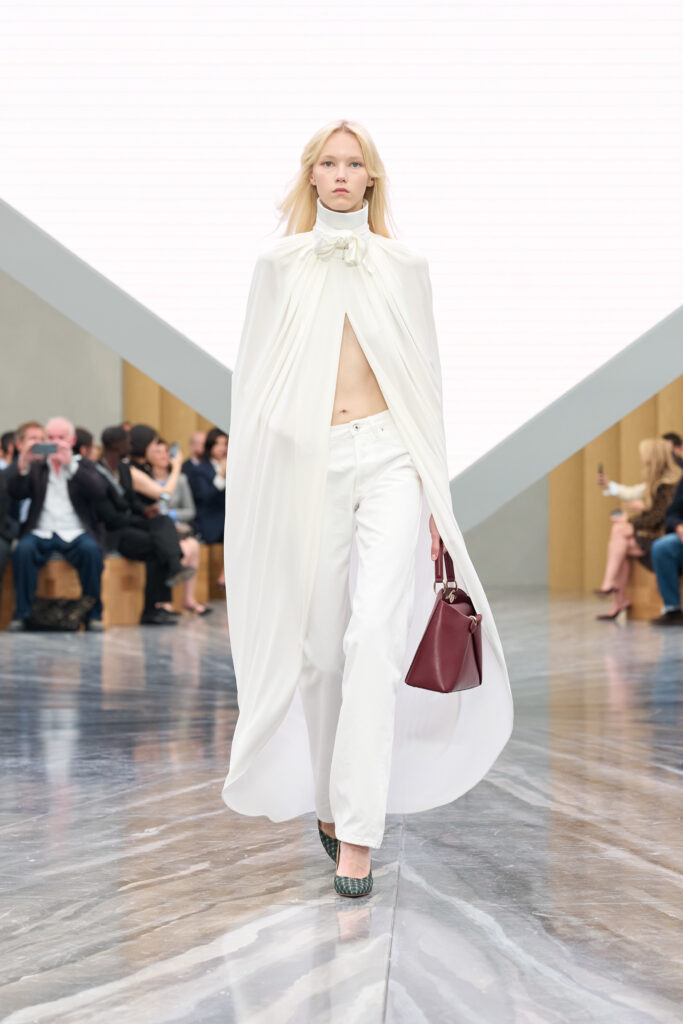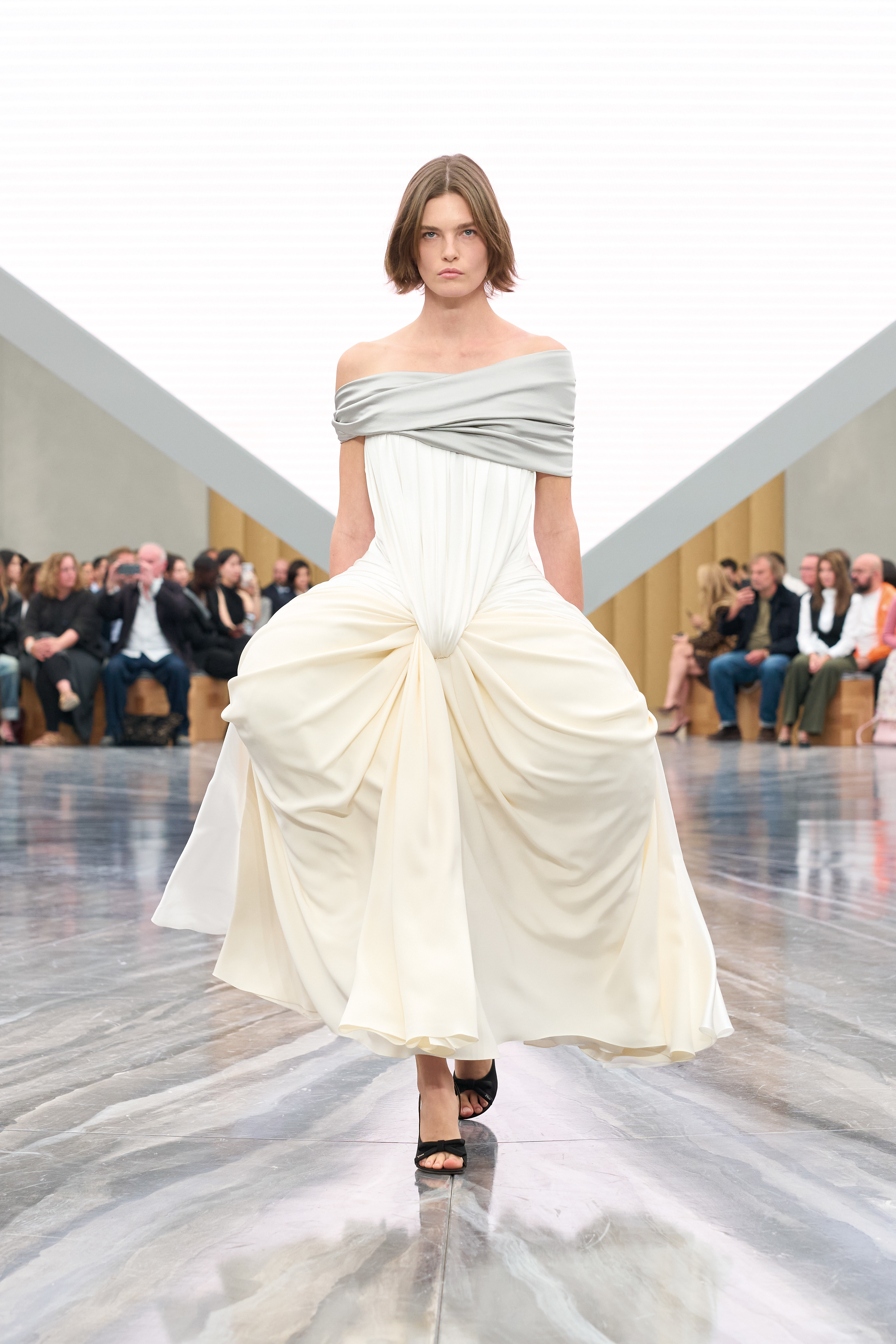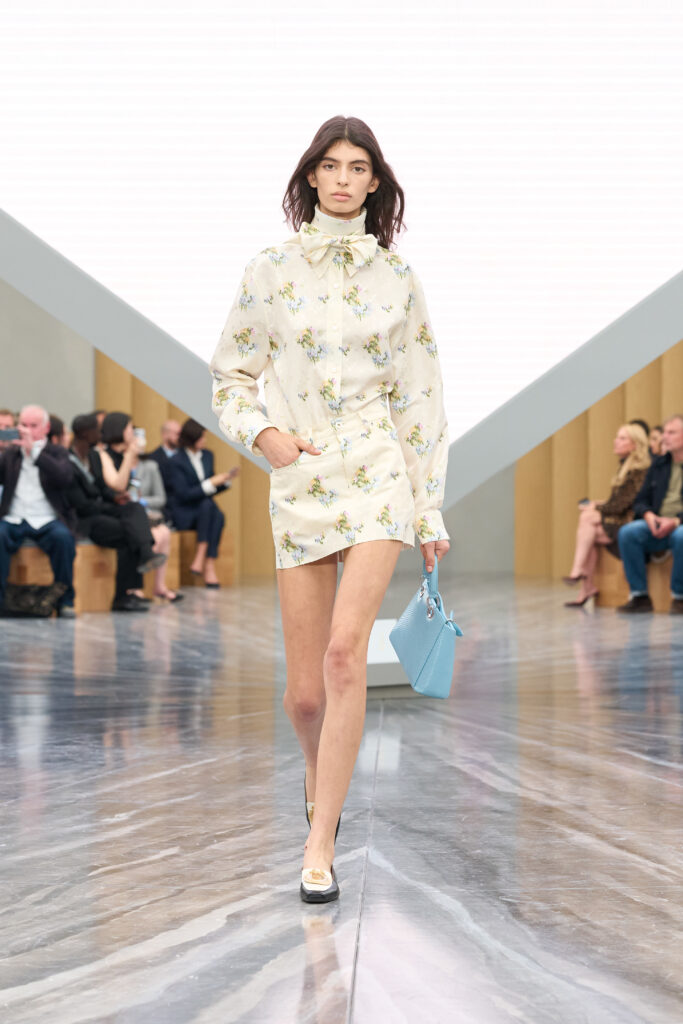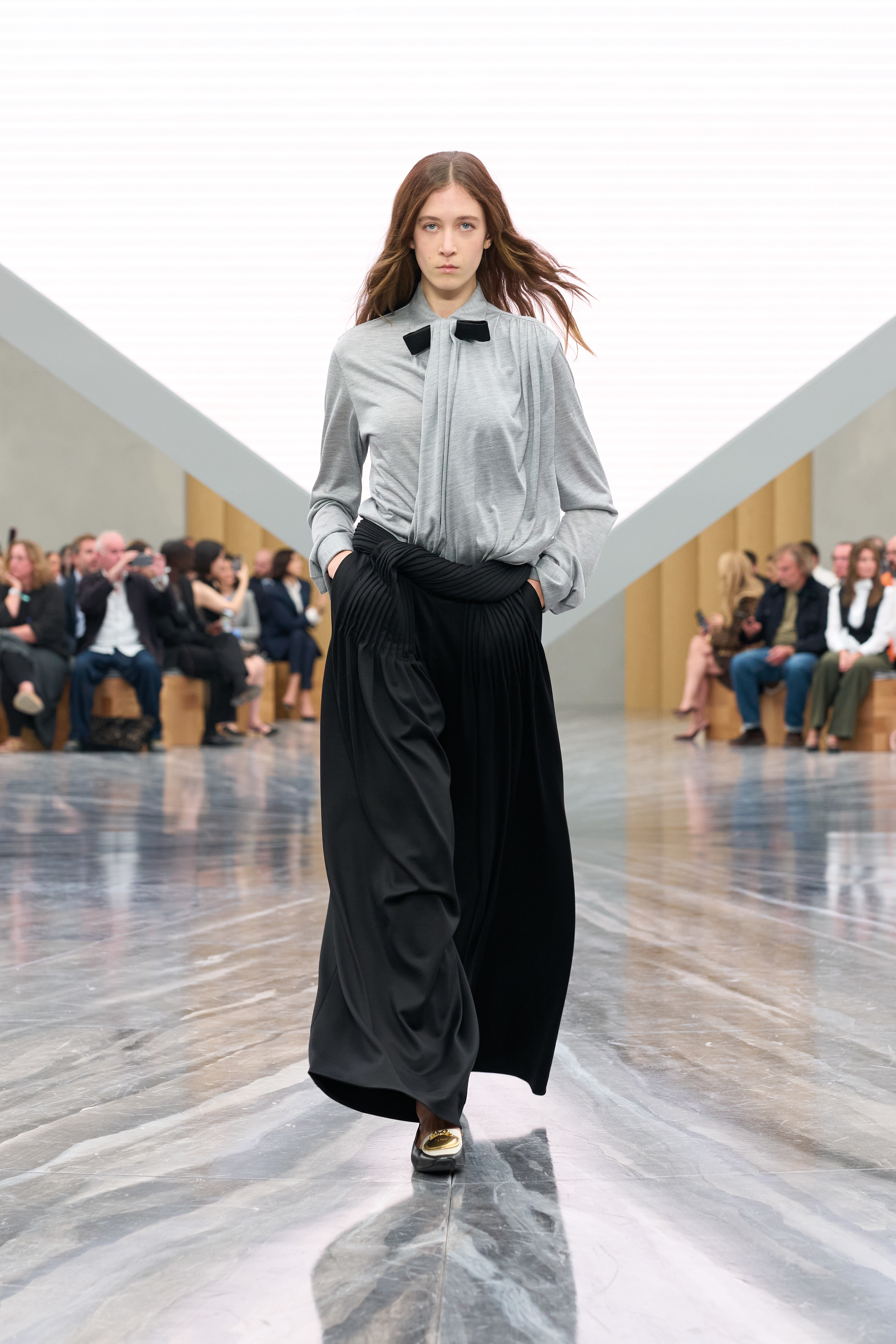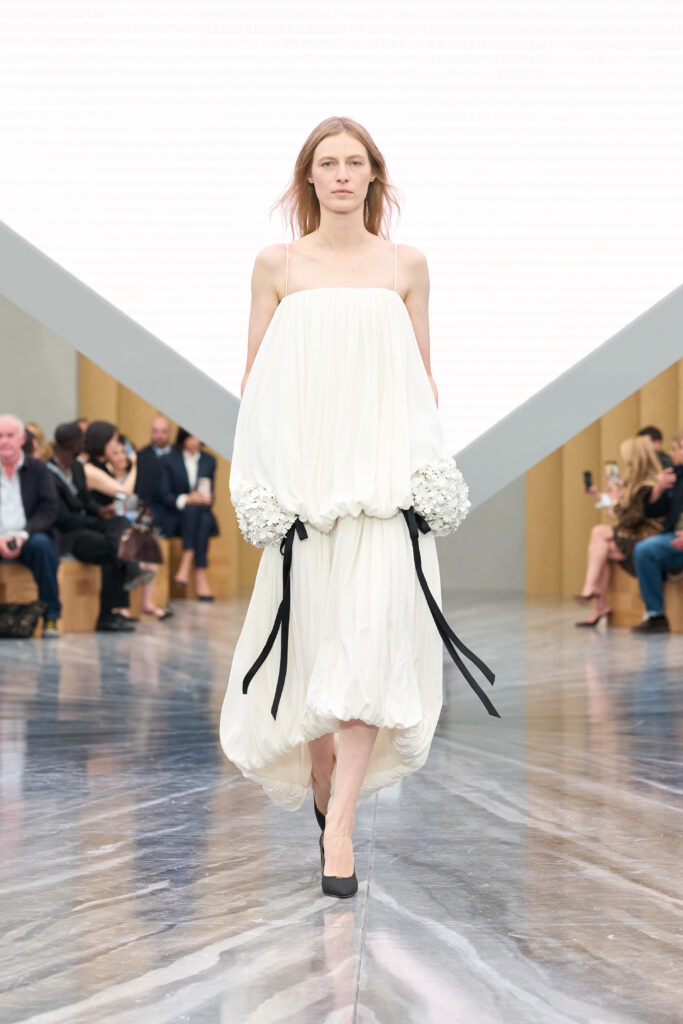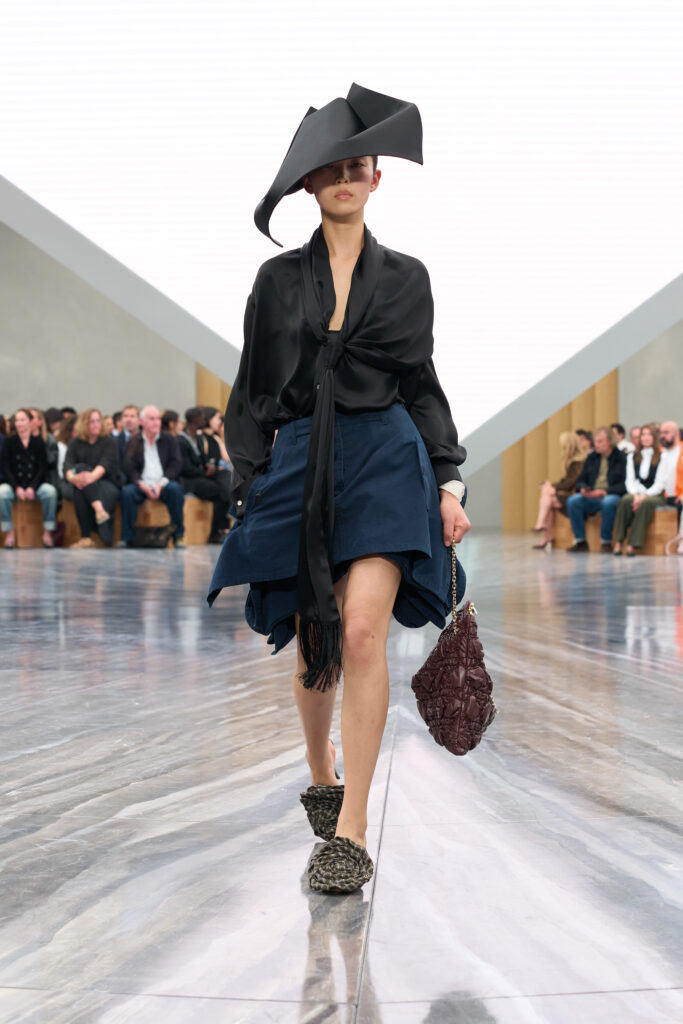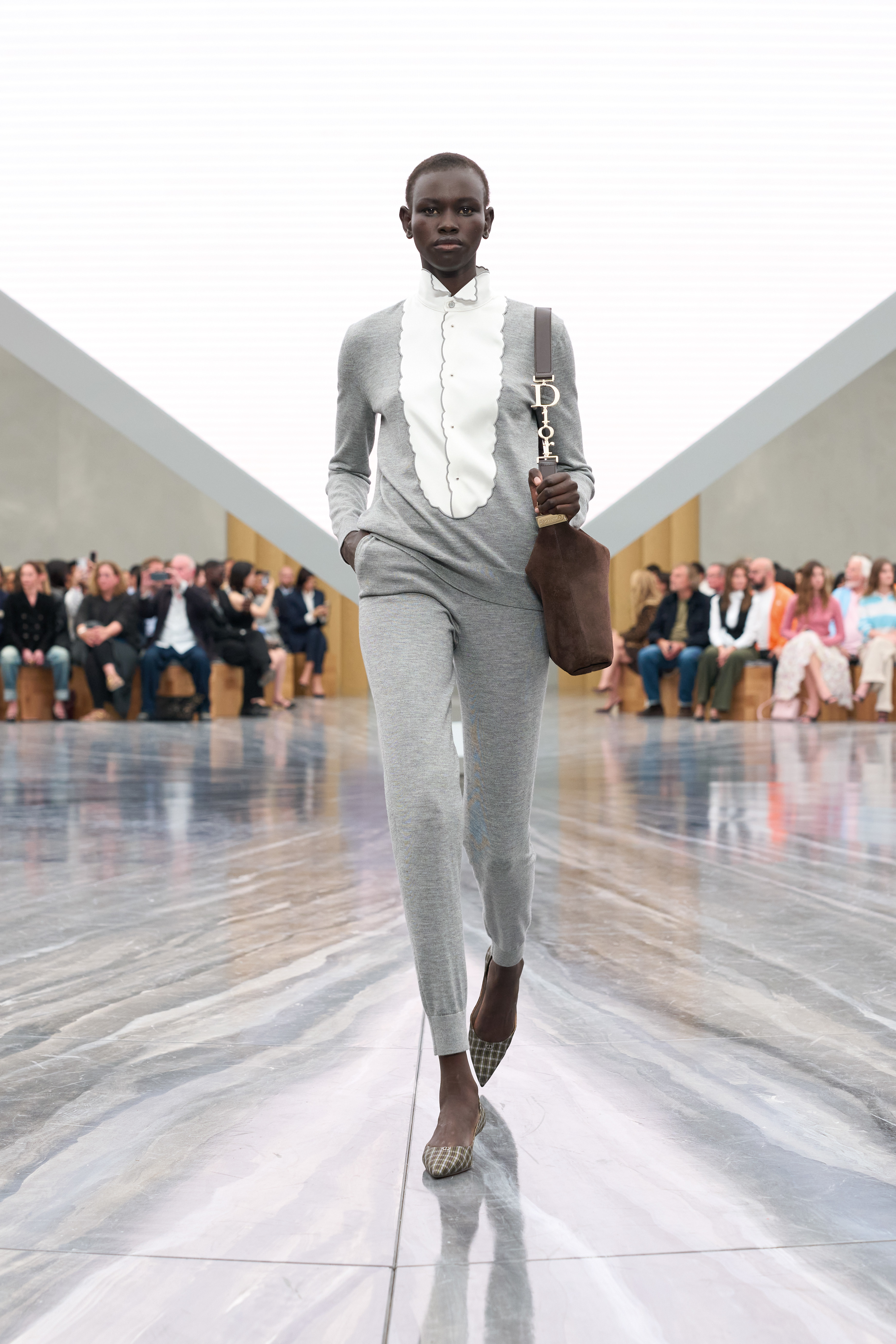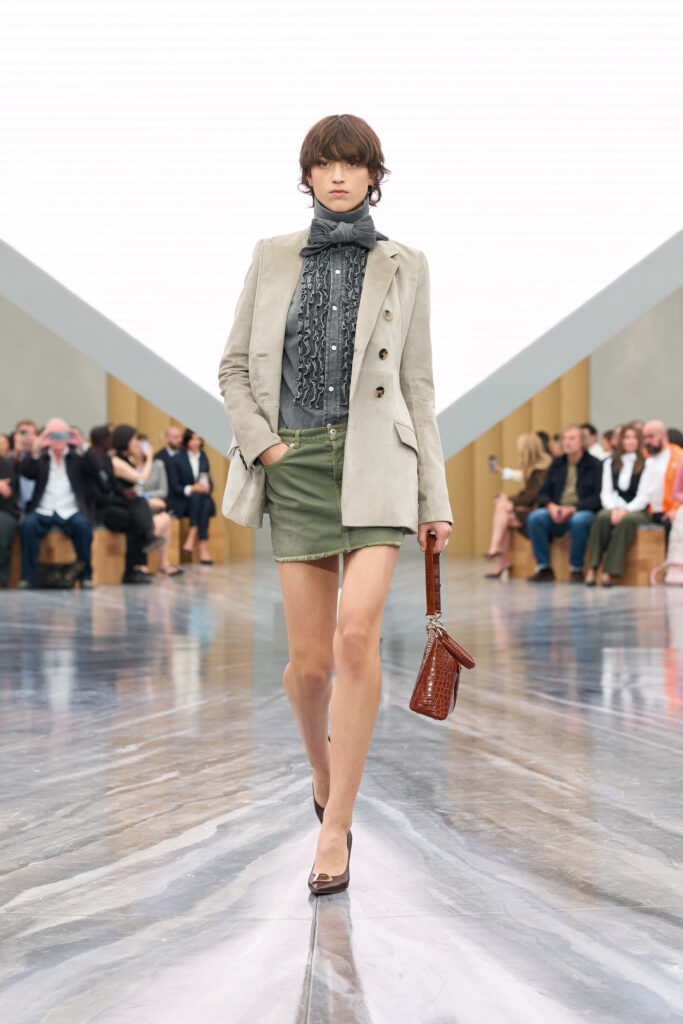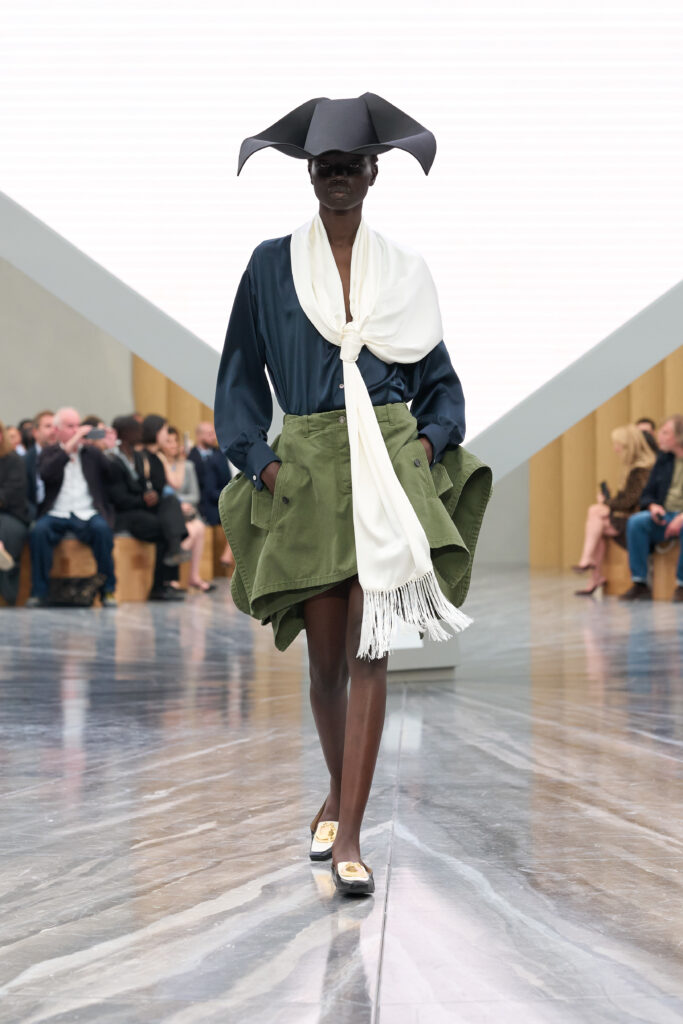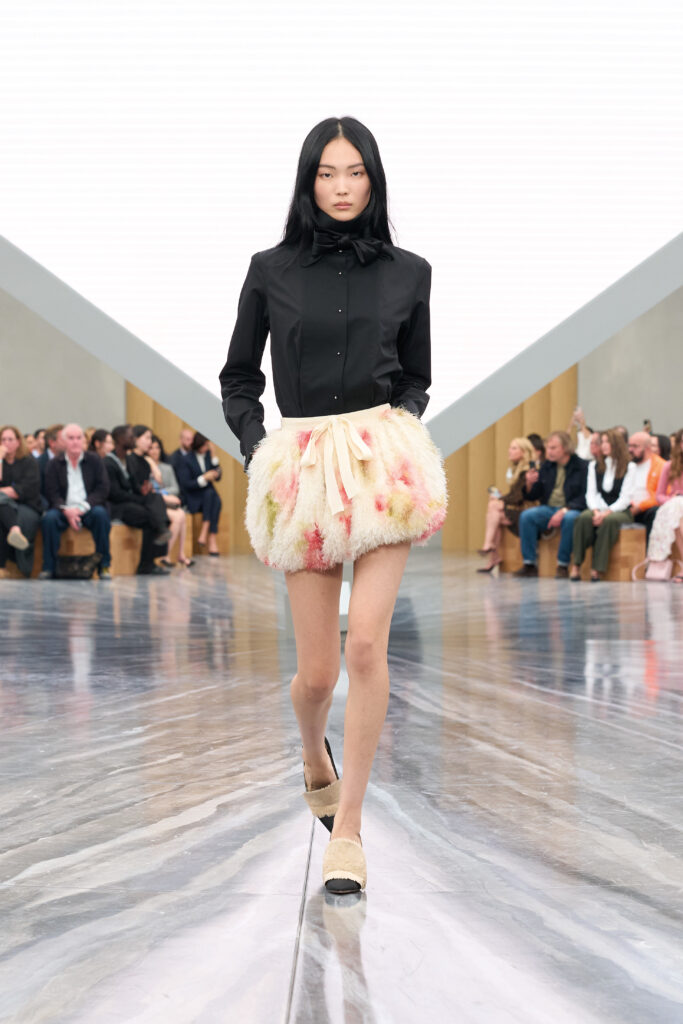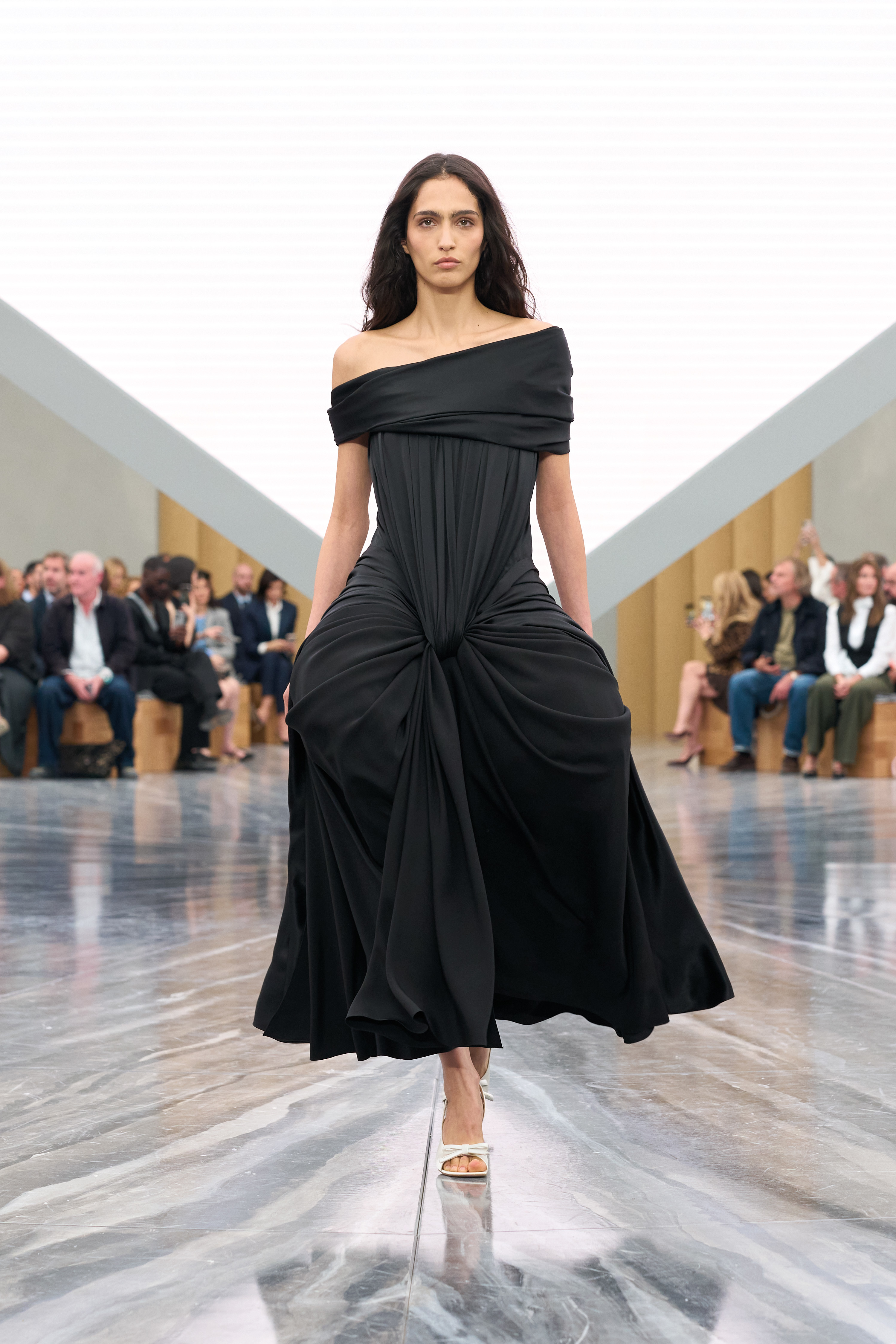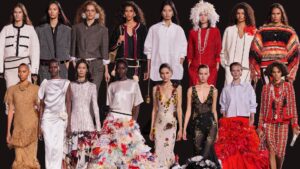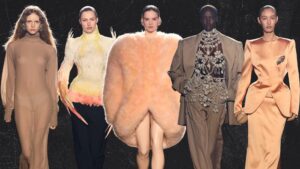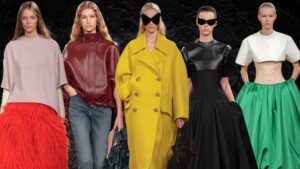
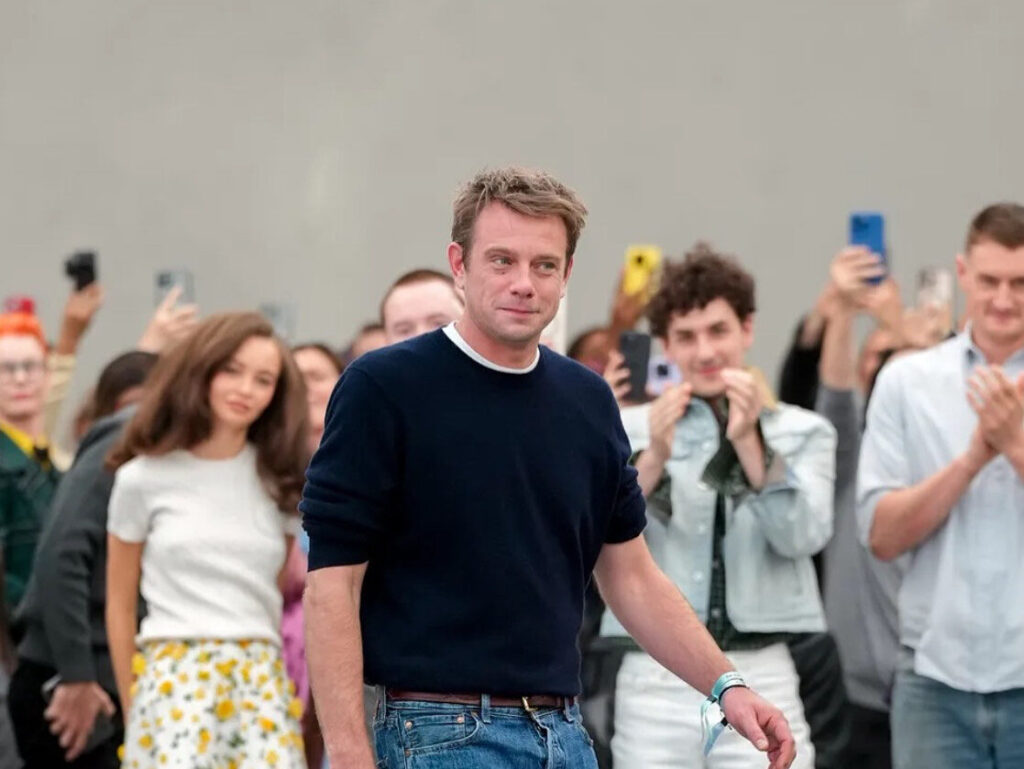

The House of Dior rose from a period of fearfulness to coax consumers back into the arms of blushing couture. The world post-war needed a return and thus escape to the idyllic, and Christian Dior provided. The “New Look” was established, the days of poor fabric apportion abandoned in favour of stepping away from the austerity and taking up arms of extravagance. May saw Maria Grazia Chiuri step down as the artistic director of Dior’s womenswear, leaving a Jonathan Anderson-shaped aperture. And who better to take the helm than a man who is essentially a belletrist via craftmanship in fashion?
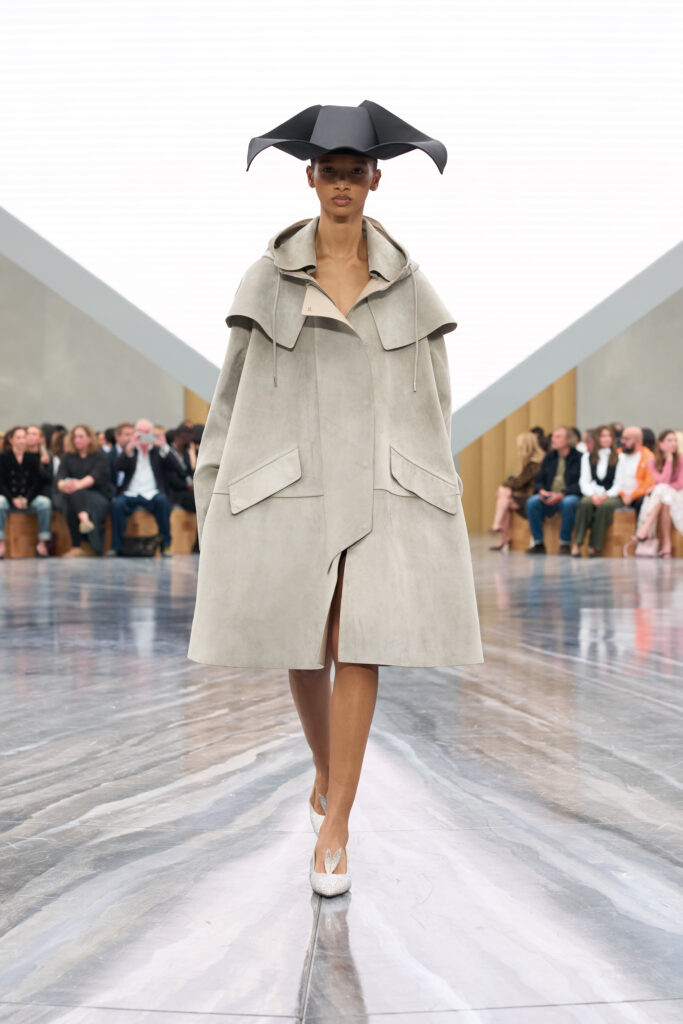
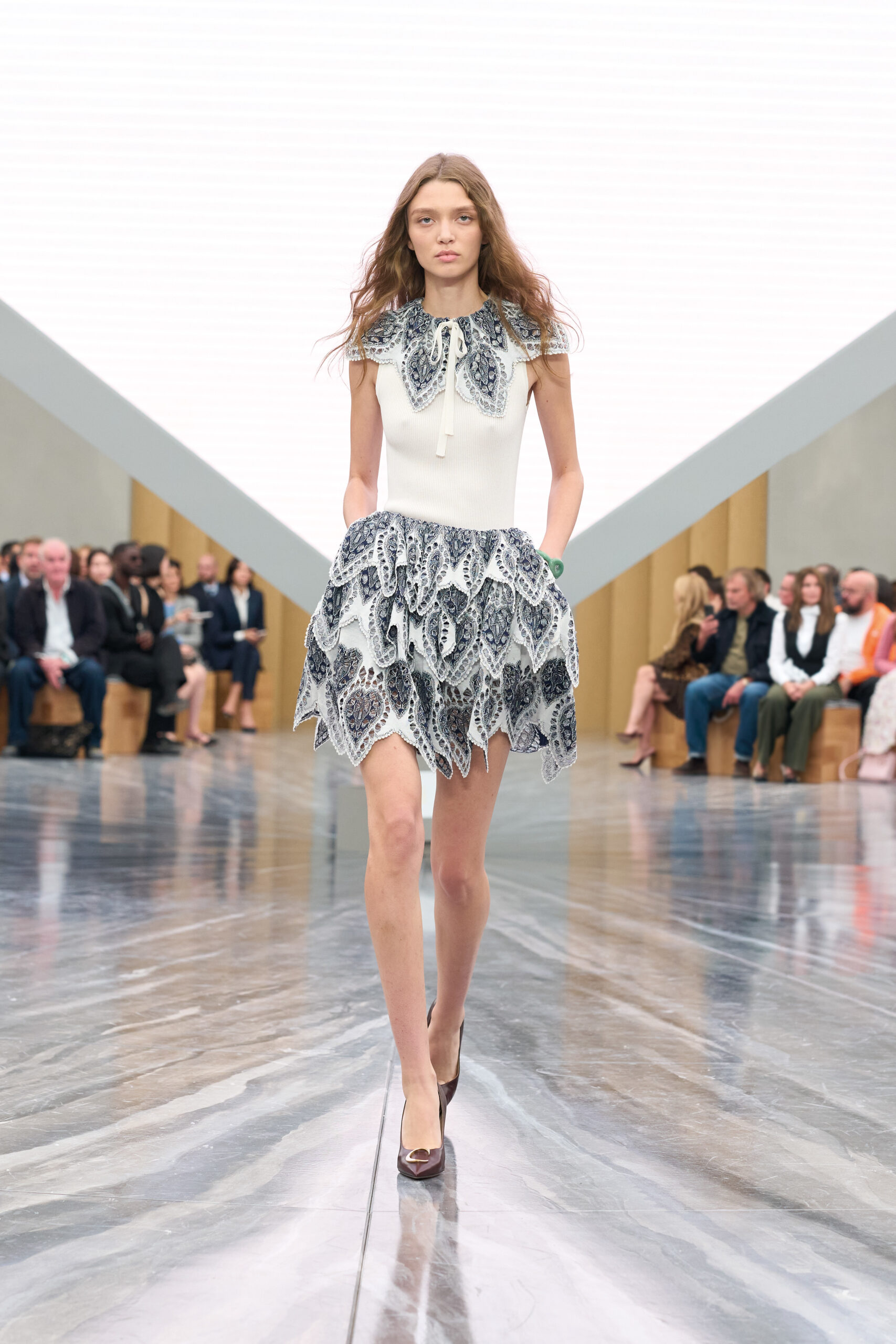
Anderson made a stunning debut for Dior last Wednesday as part of Paris Fashion Week. It was equal parts glossy and tender, a tribute to the brand for those with the discerning eye, and a collection that has taken this author over a week to digest between the legions of debuts and brand reconceptions. The first look at his creative directorship over Dior took place beneath an inverted pyramid (light bursting from a dove-grey shoebox). A short introductory film by Adam Curtis – somewhat reflecting poetically the house’s origins in its schedule, but more overtly displaying a history of couturiers past – initiated the show and, just like that, the stage was set.

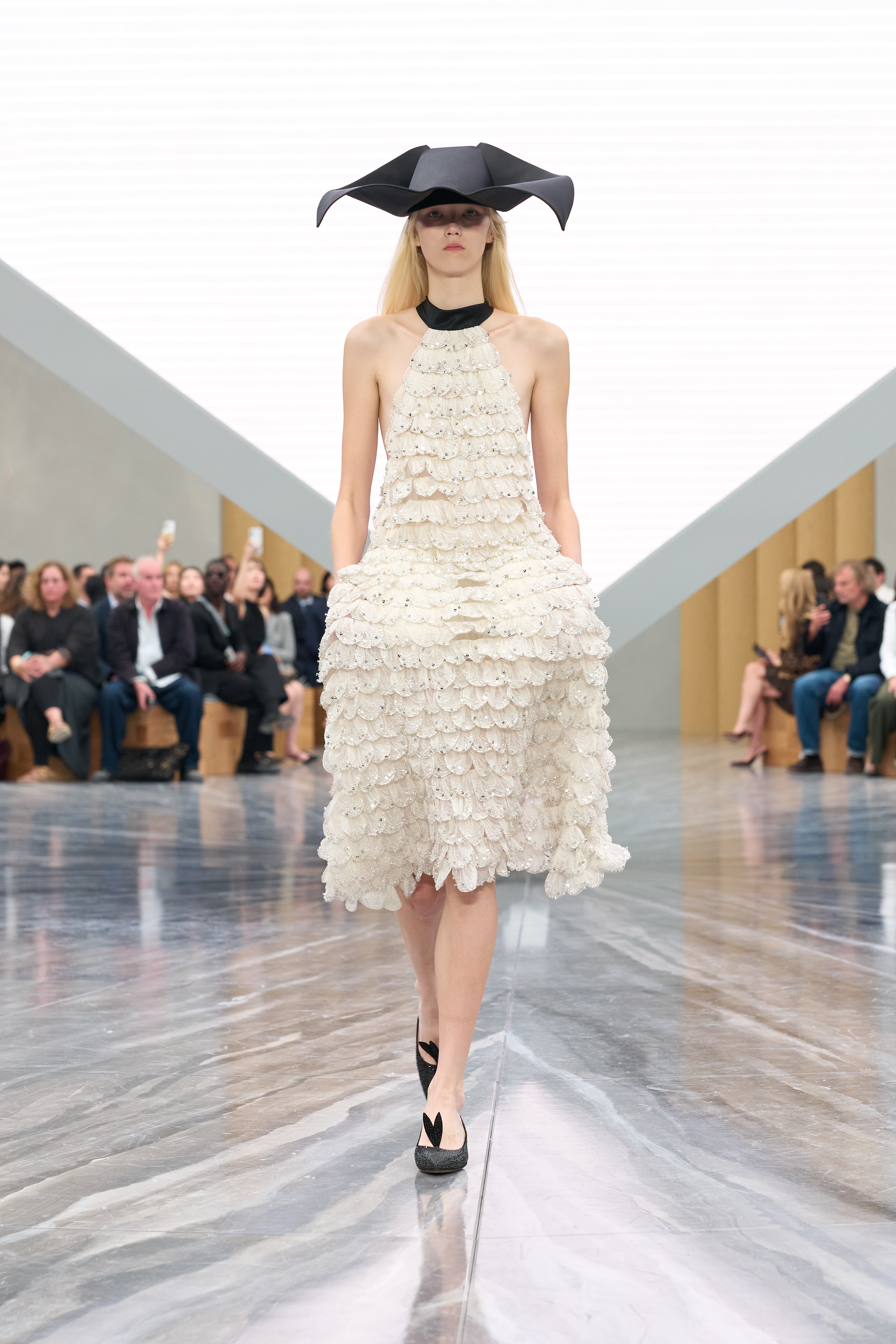
Anderson was chosen to become the Creative Director of Dior back in June, and it was a role he’d take on solus; continuity is key and, with him overseeing both menswear and womenswear and haute couture, there’ll be a congruency unseen before. “The feeling behind the vision that unfolds today is one of harmony and tension” – the show notes say it all regarding the collection, and there was a very perspicuous aim in mind here.
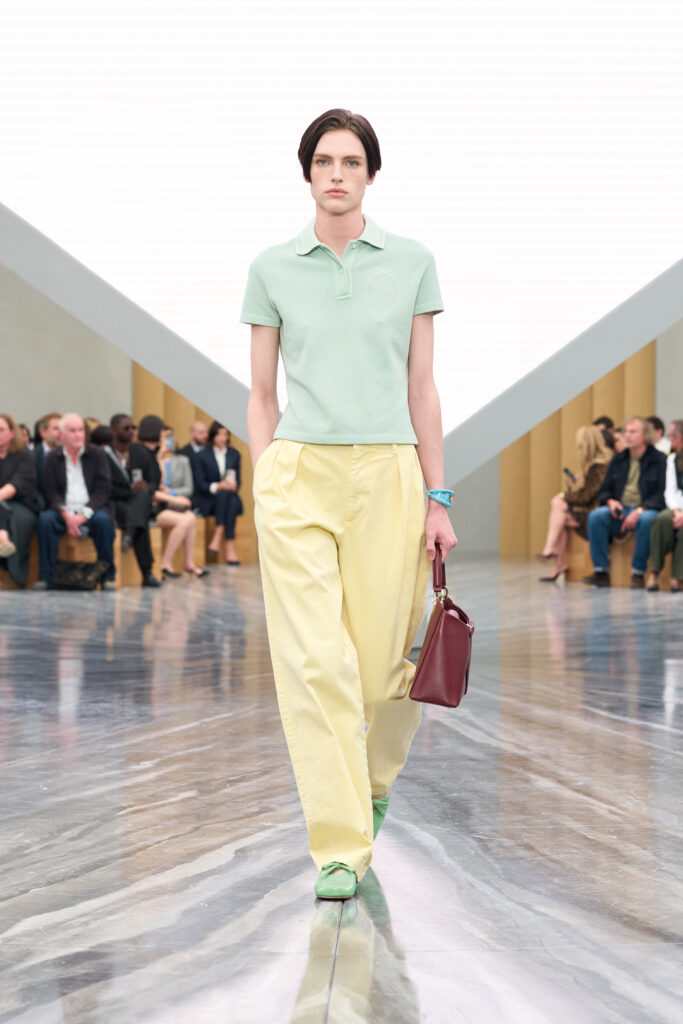
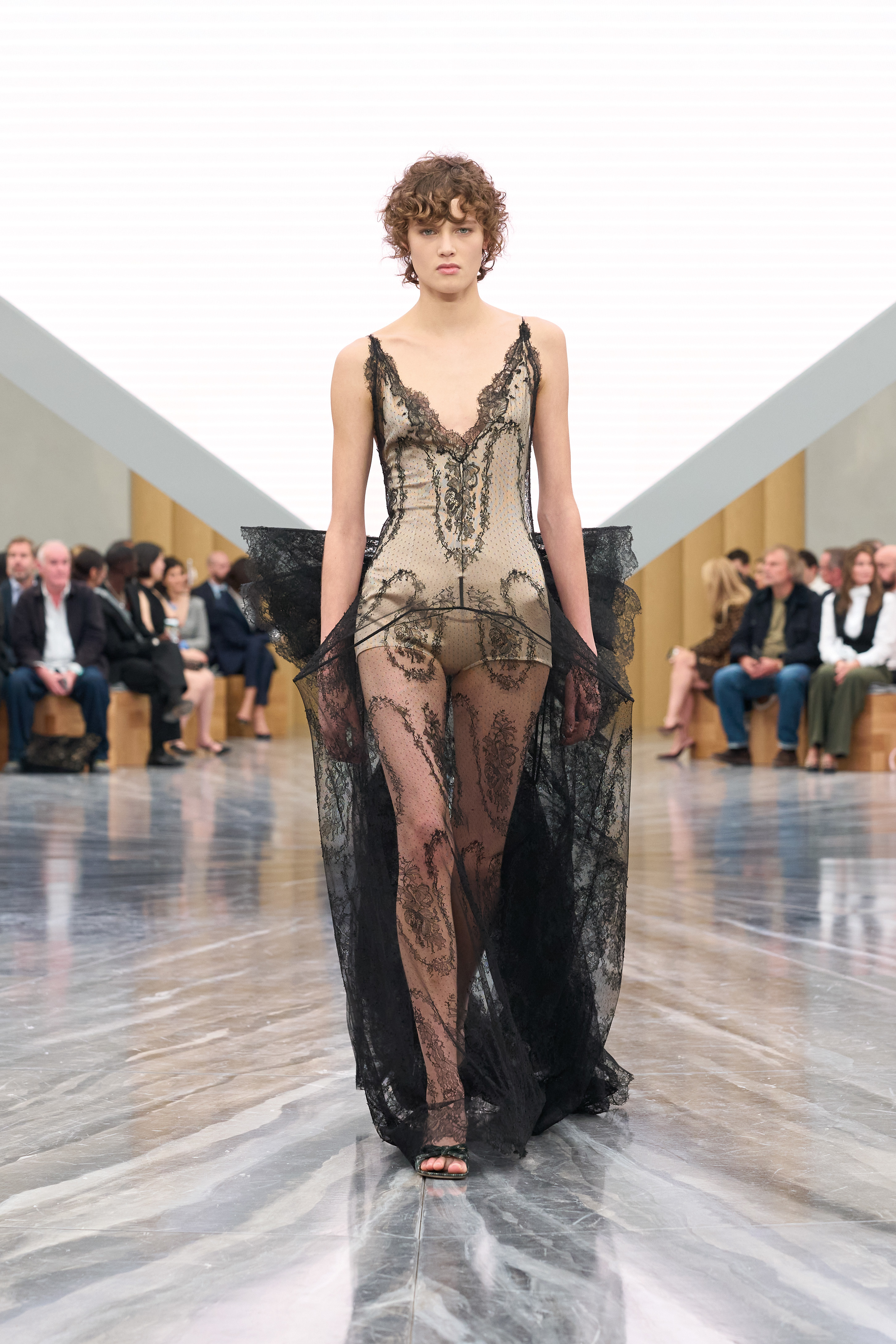
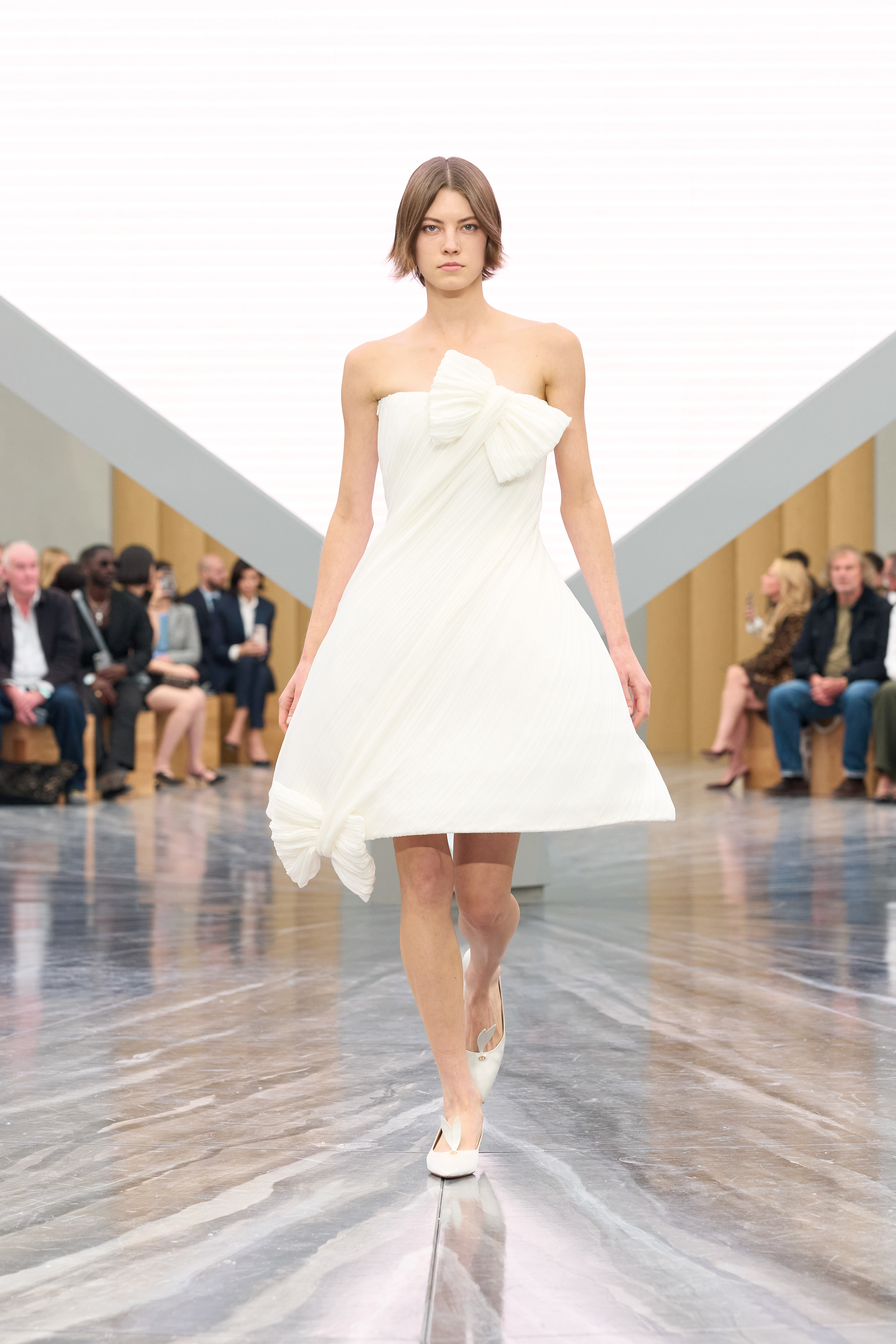
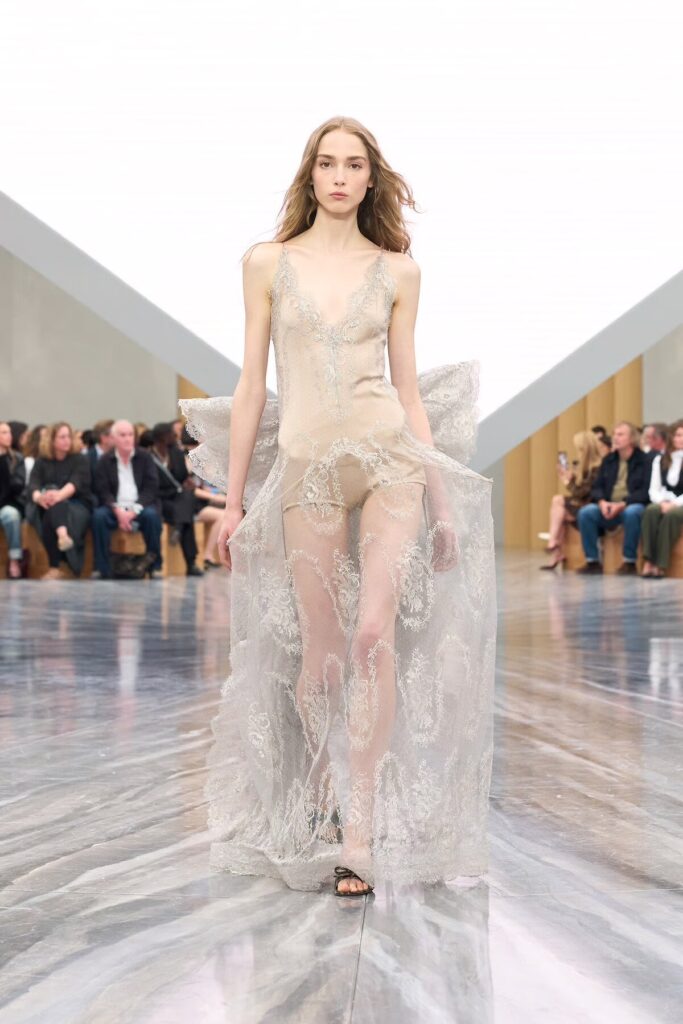
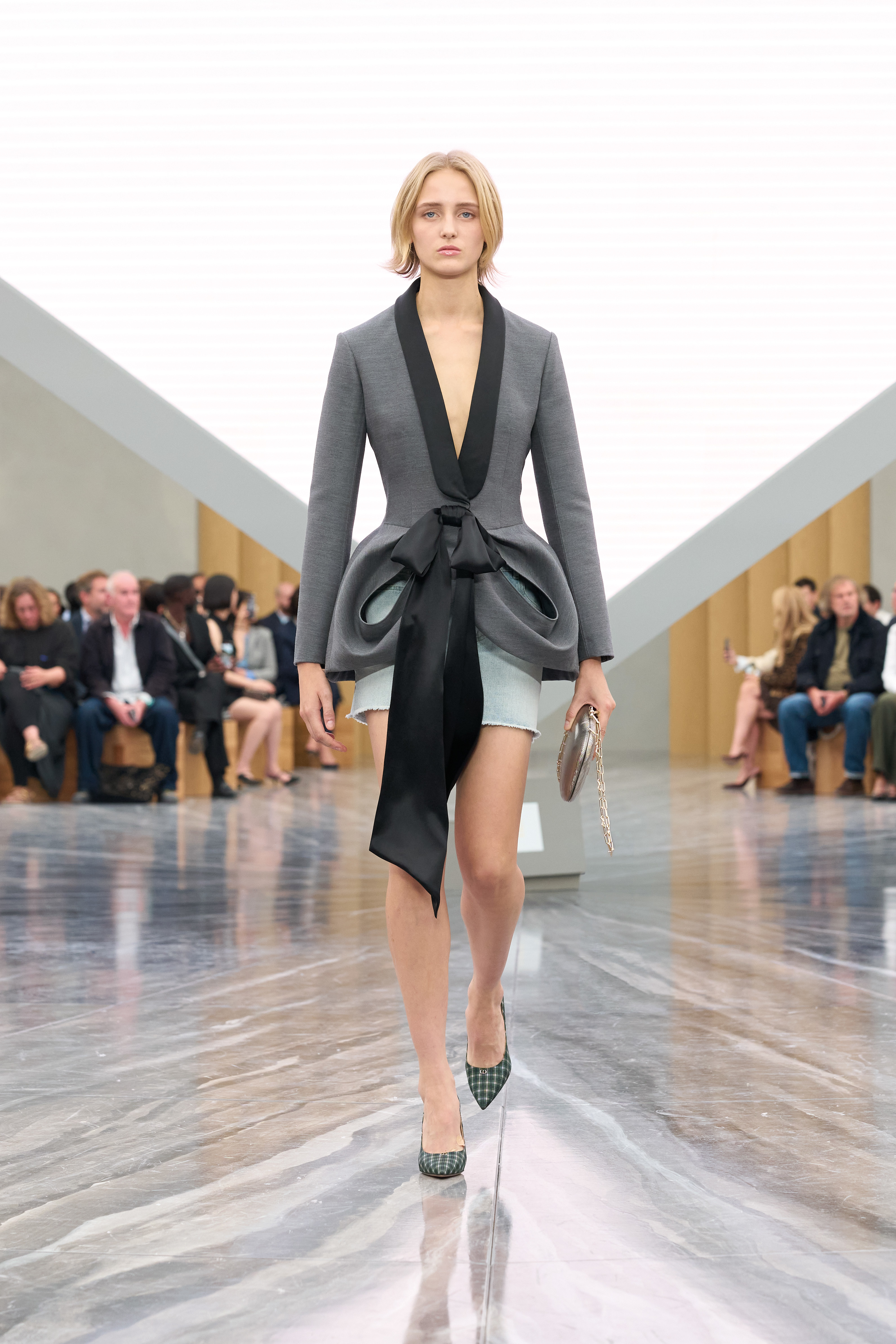
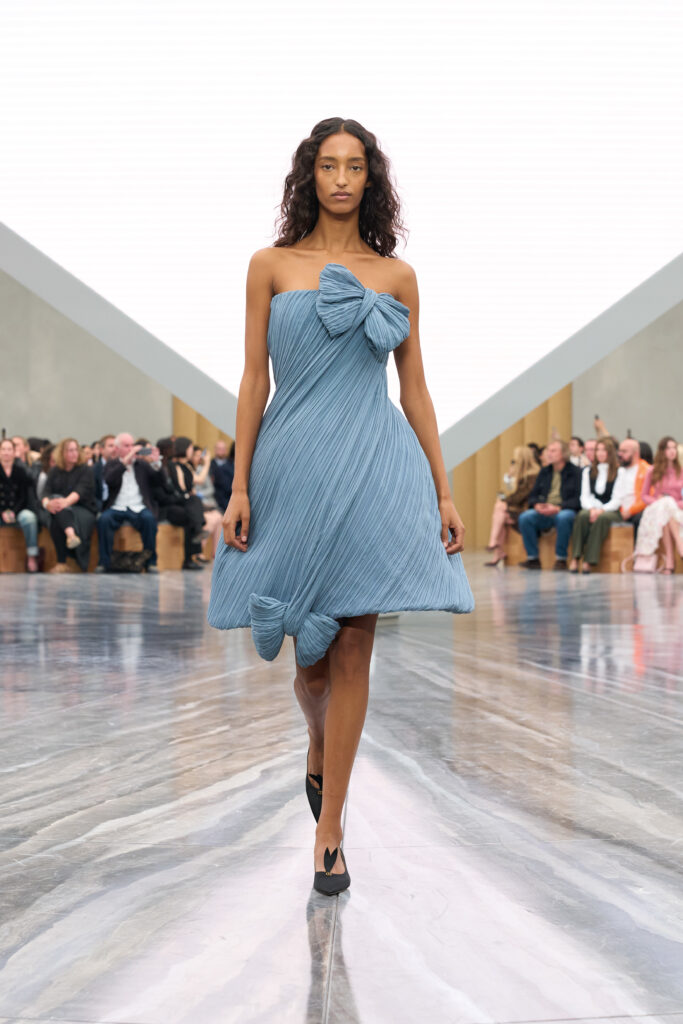
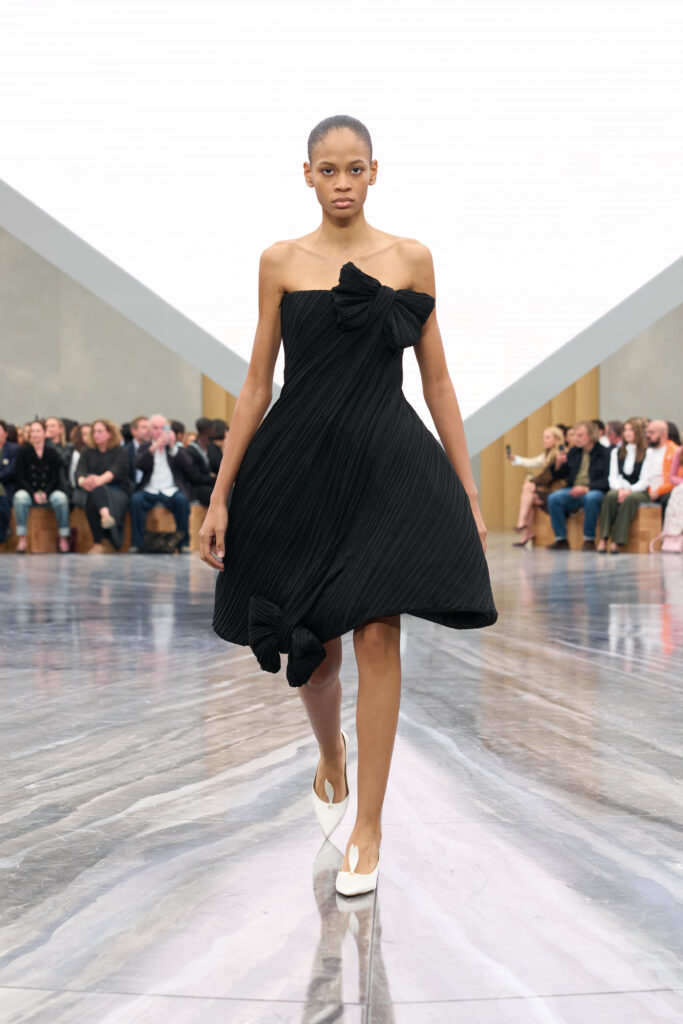
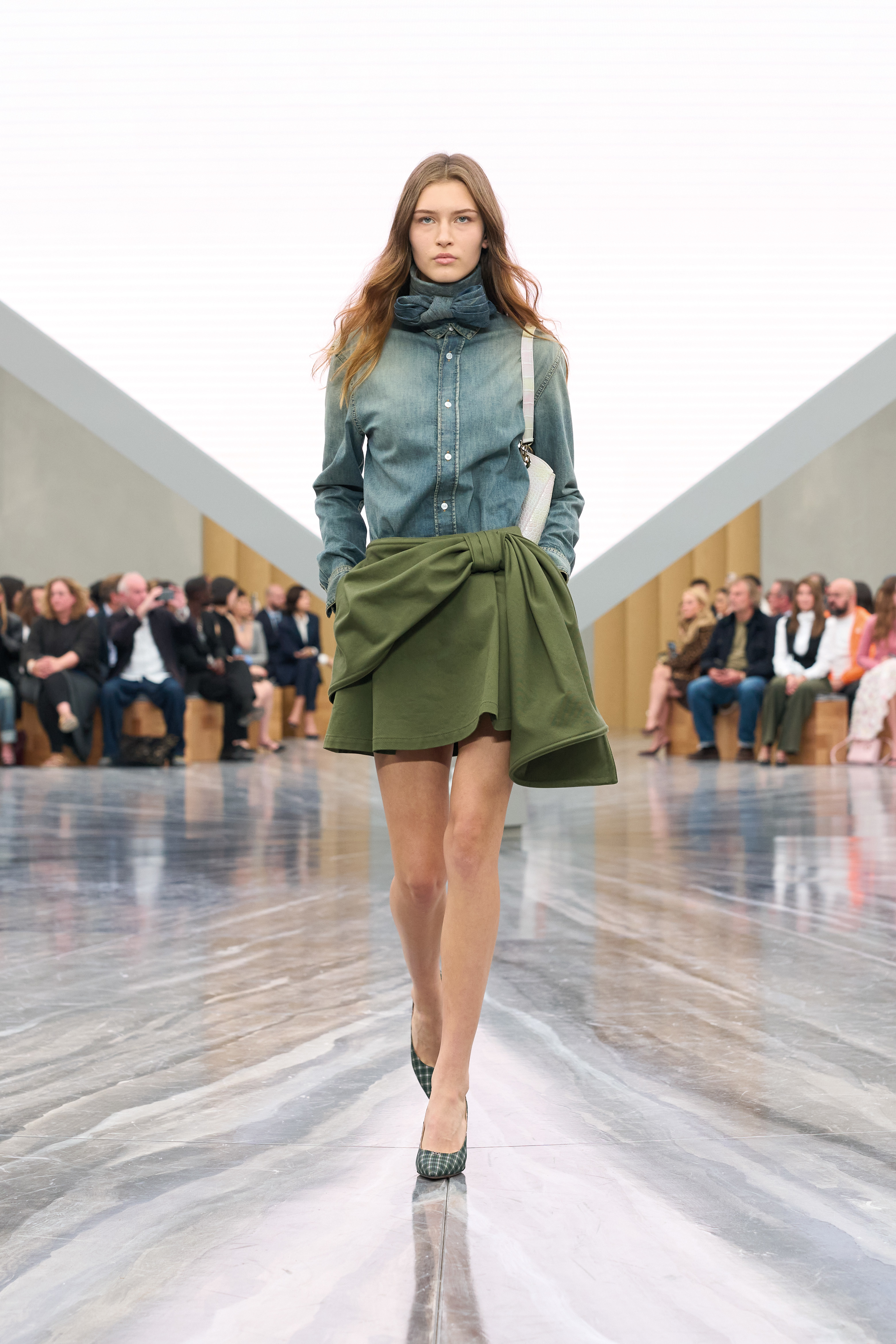
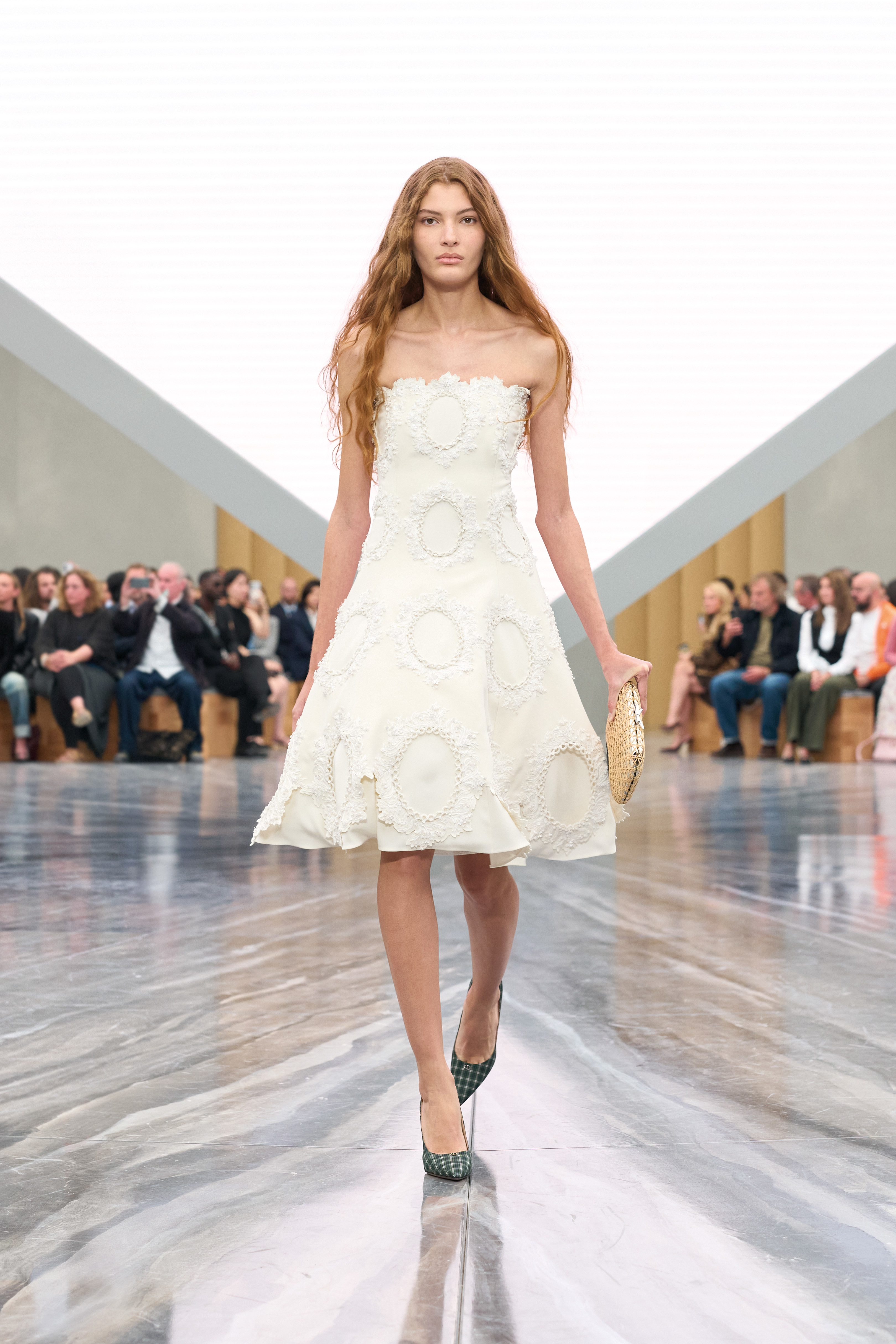
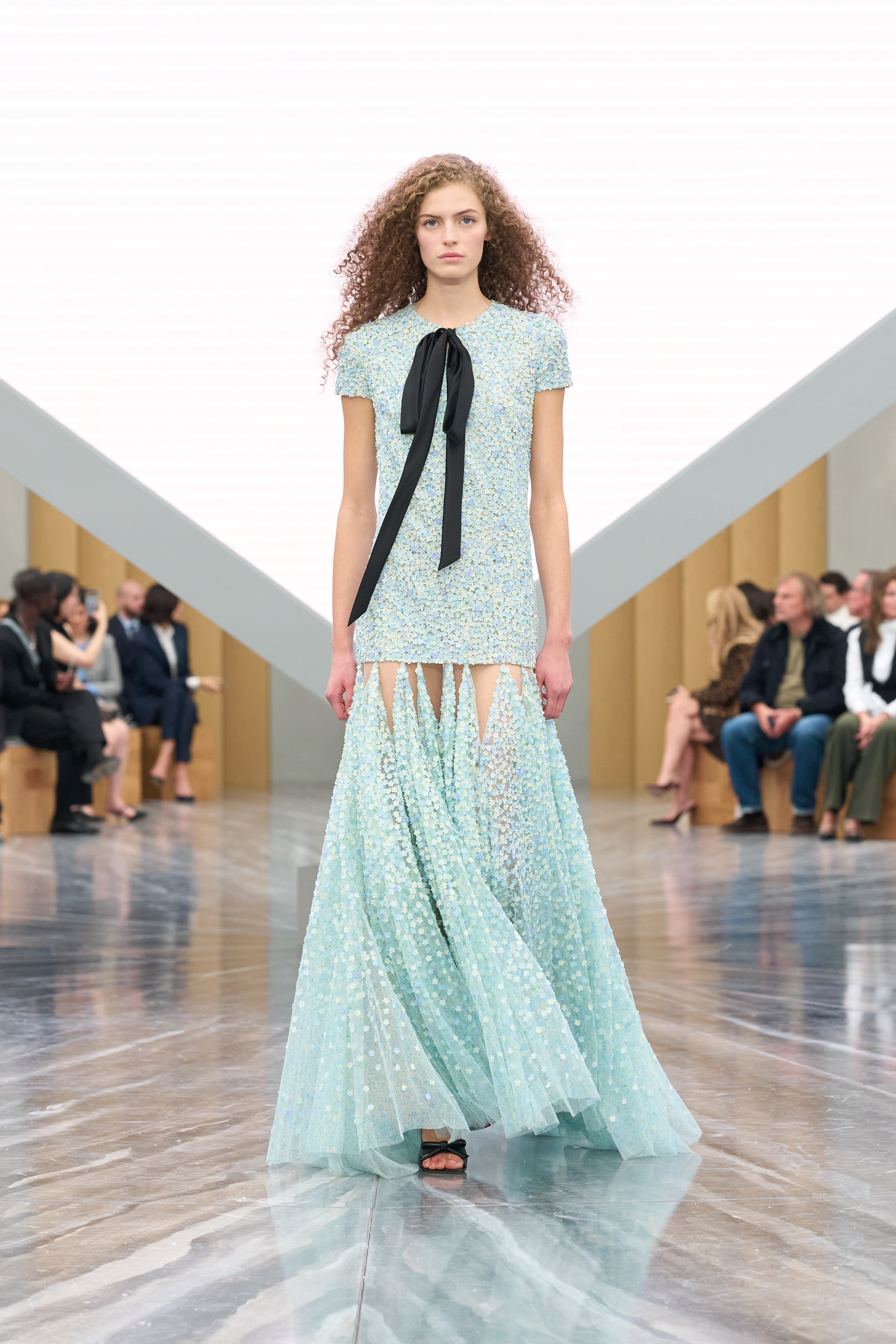
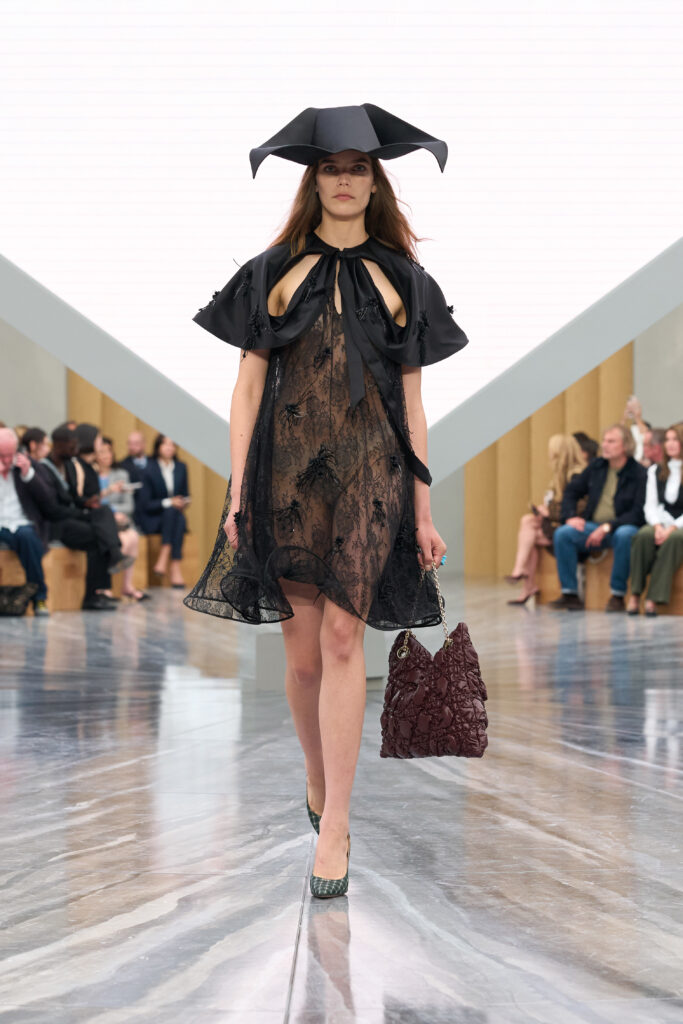
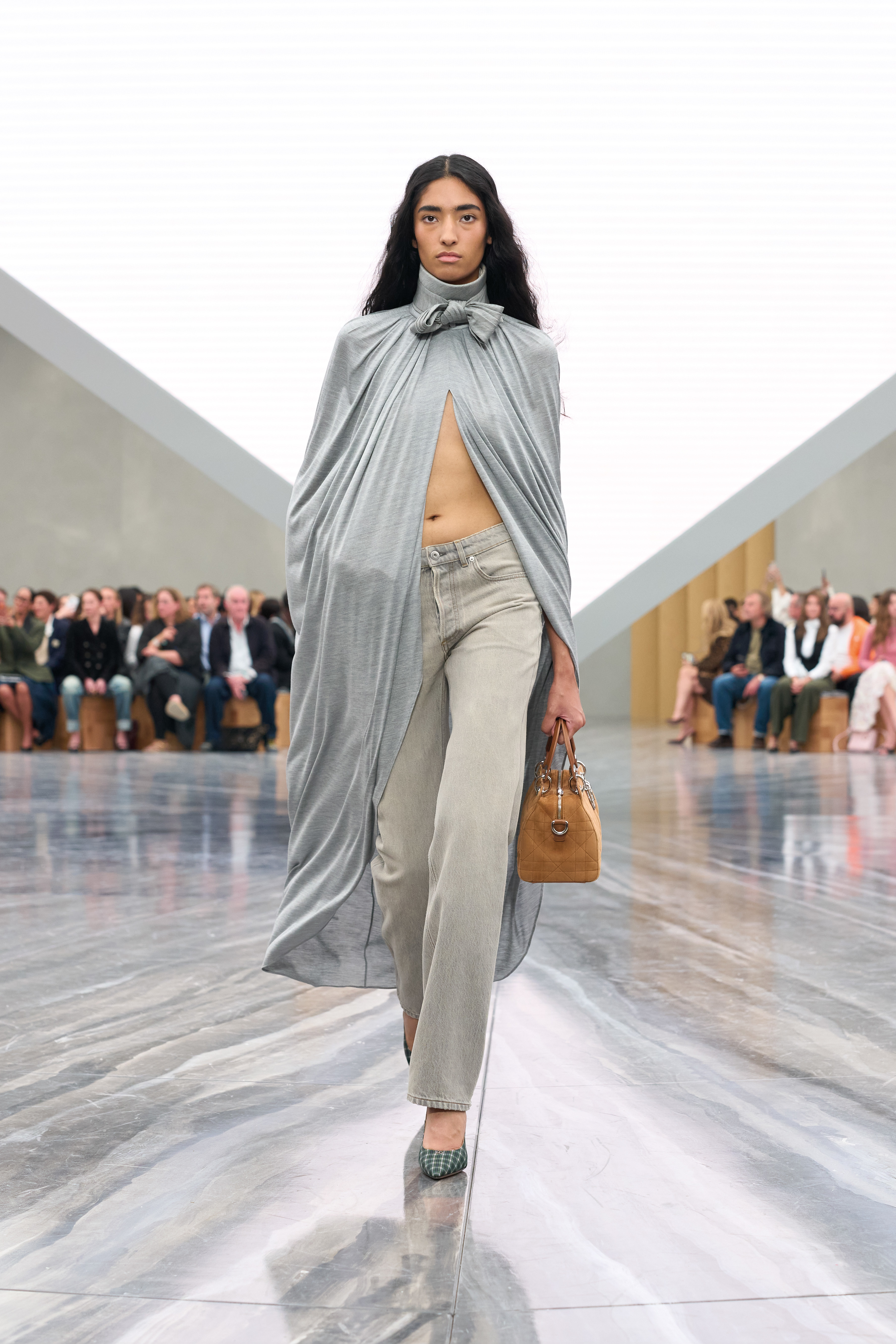
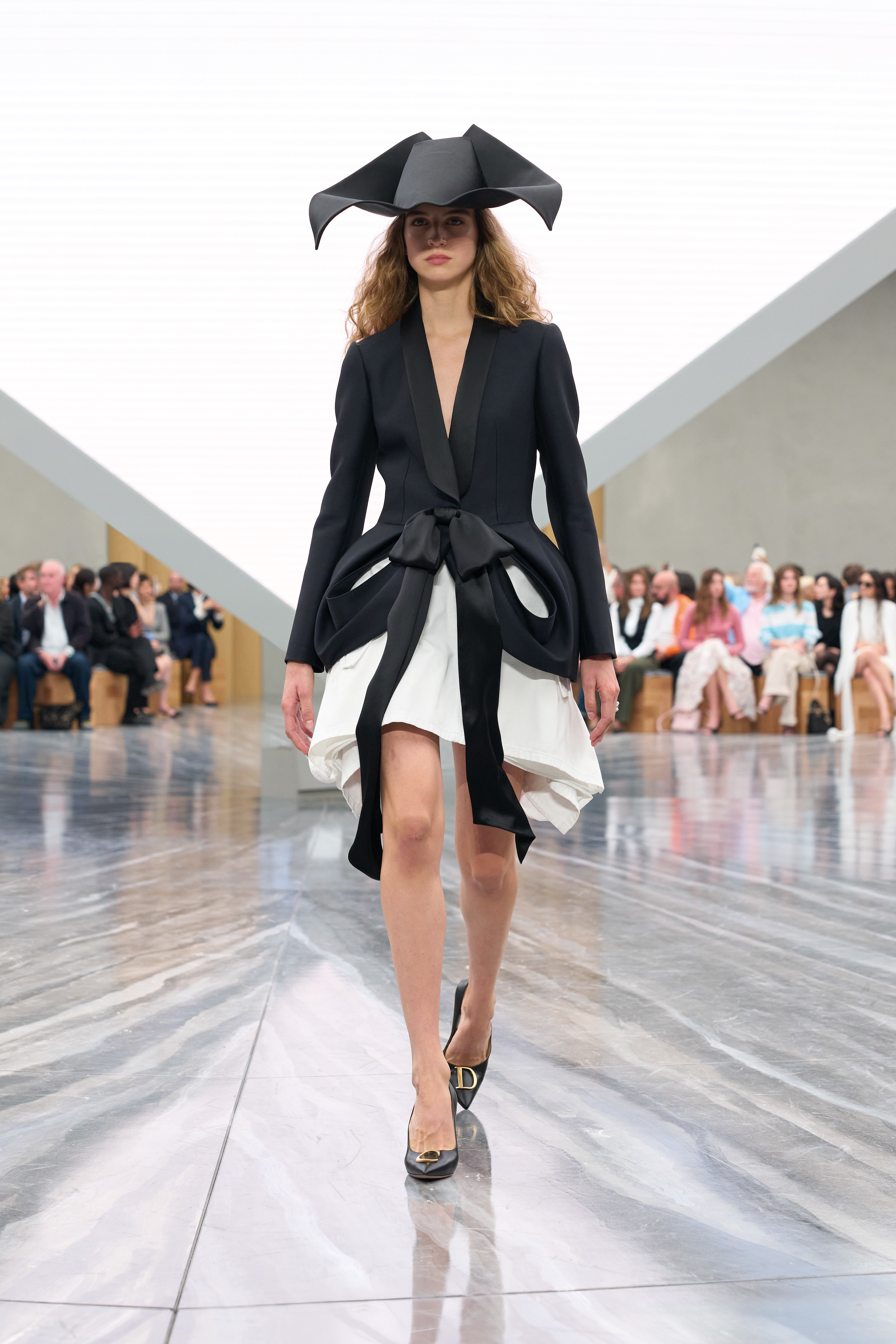
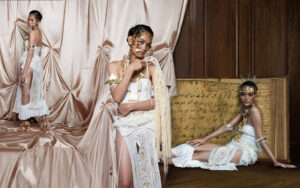
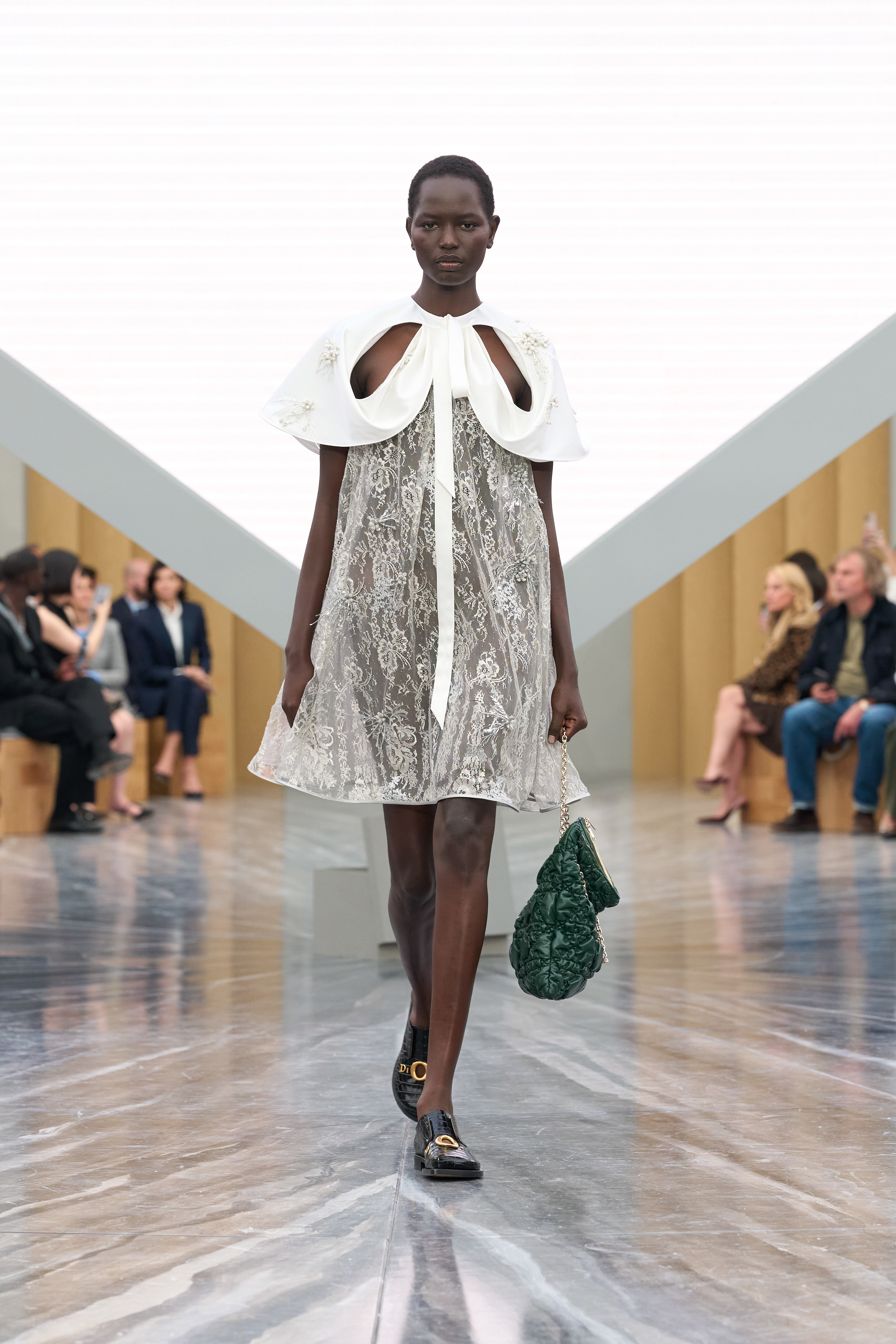
He has been noted saying that Dior “can be sugary”, and implied some dissection and breaking down of the Dior’s insinuated “princess” clientele. Jonathan Anderson’s will shall be done, and it was executed marvellously well. It was so exceptionally Dior, yet manifestly him – heritage met modernity, androgyny receiving femininity where they would usually be at variance with one another. He has long admired the empathy of the brand, and his notes express his own appreciation for its history. The classic bow motif, for example, played protagonist in contrasting structures: prodigious and floaty to accentuate the back of a lace piece, descending boldly from beneath clusters of hydrangeas, enduring yet brazen as an animated tie at the neck, or woven into the dress itself (the placement not dissimilar to one of Yves Saint Laurent’s 1958 dresses).
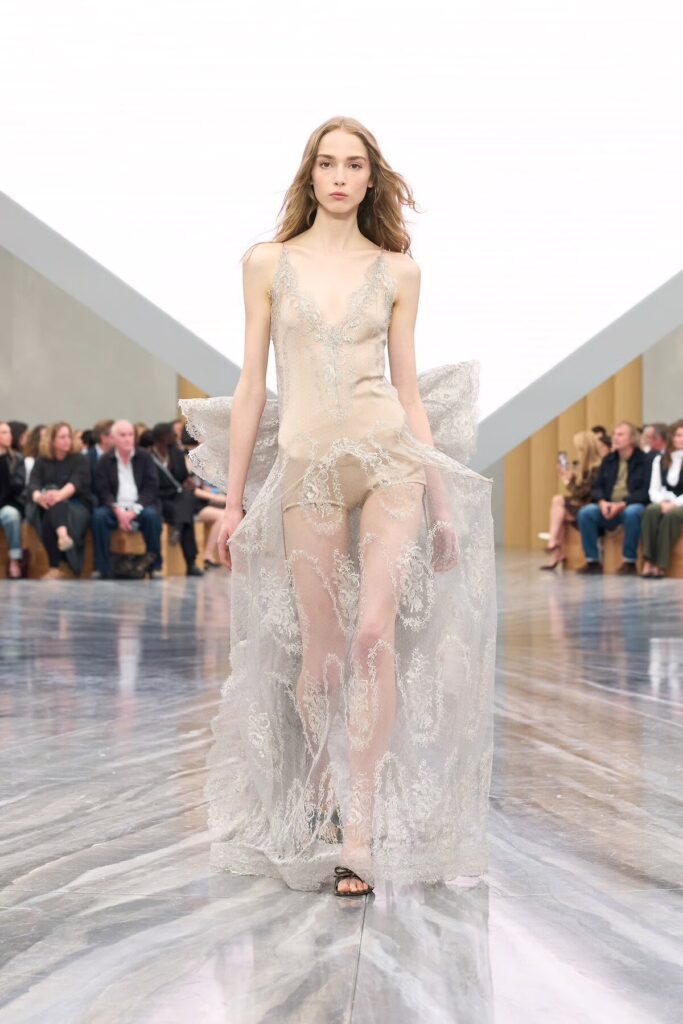
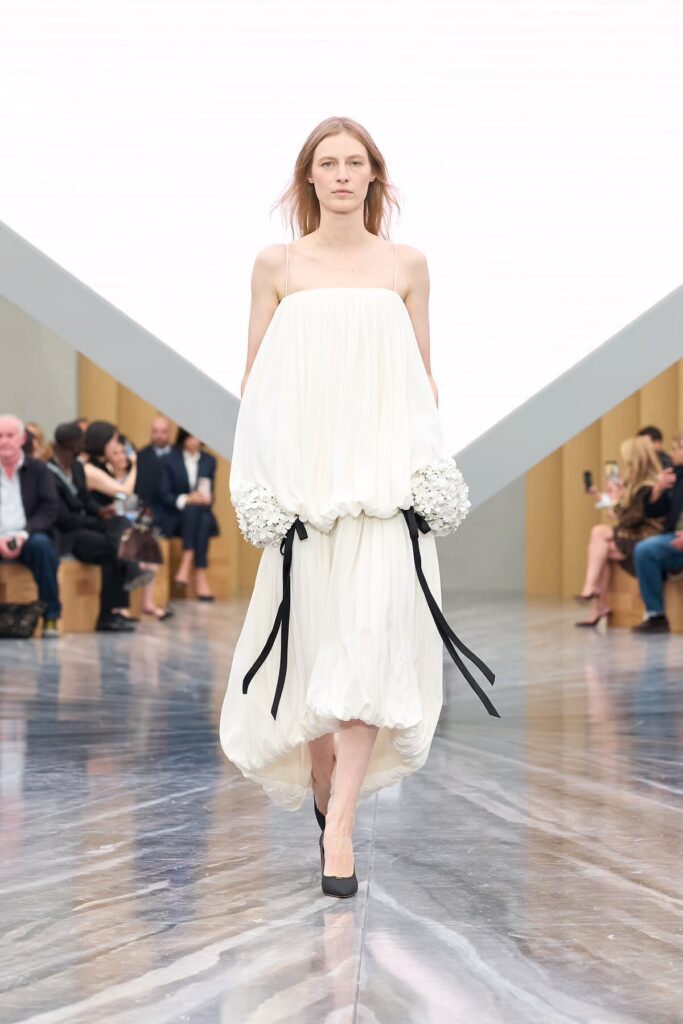
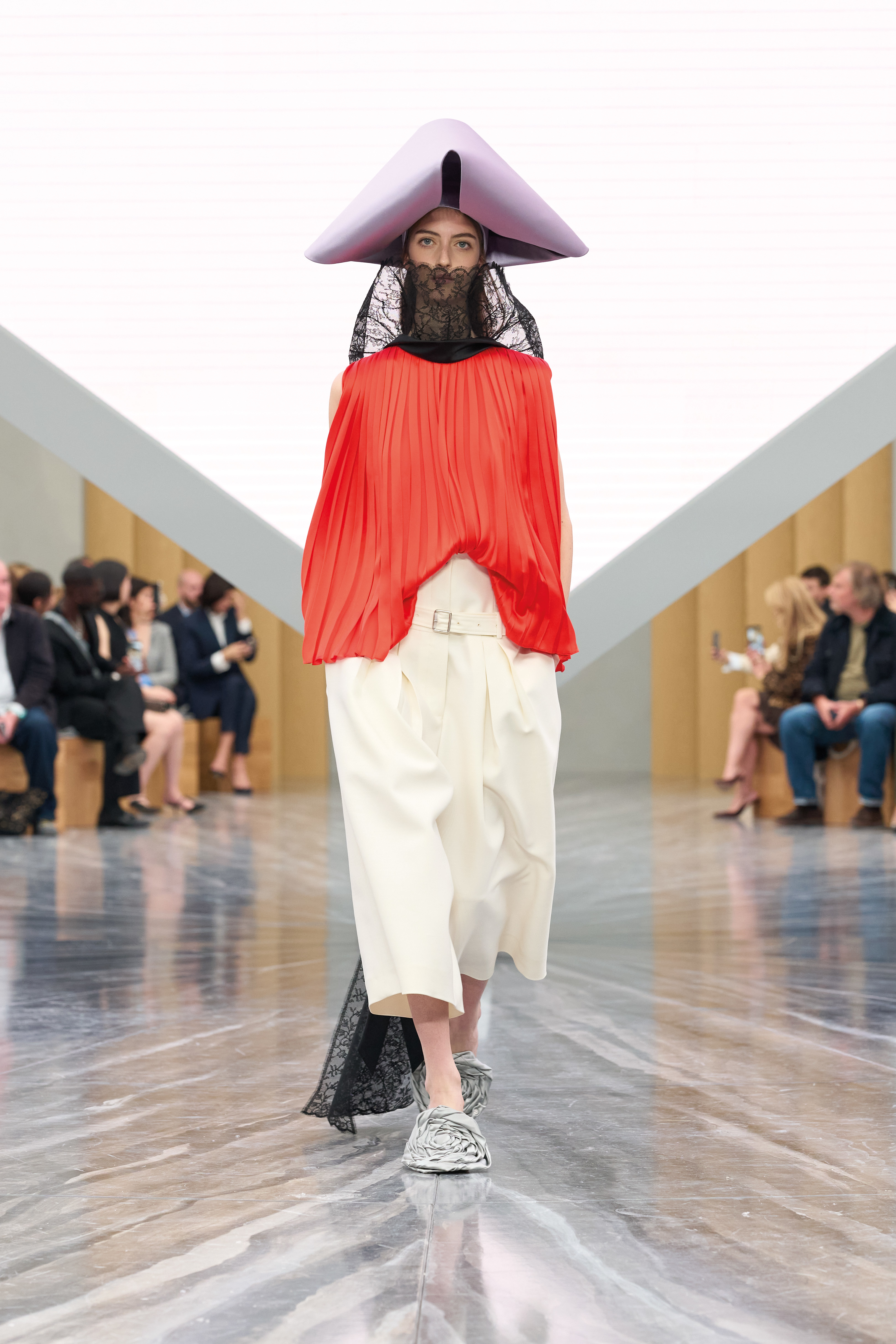
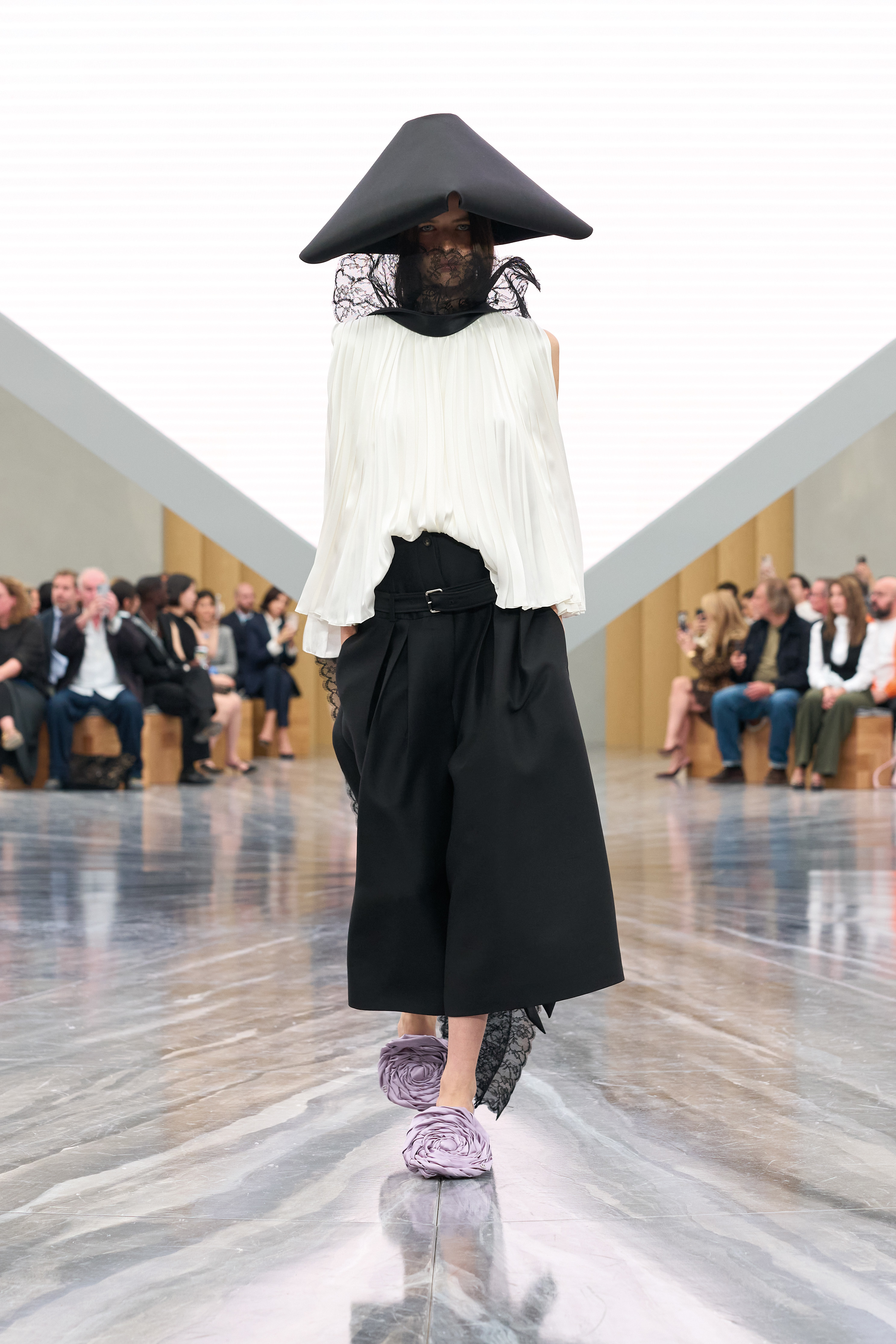
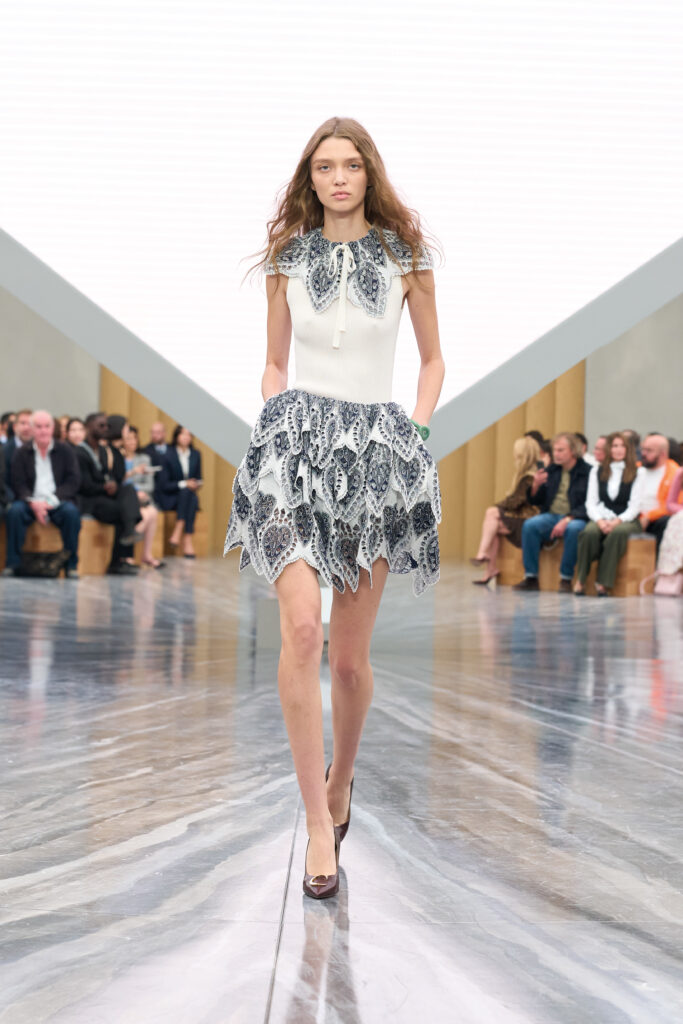
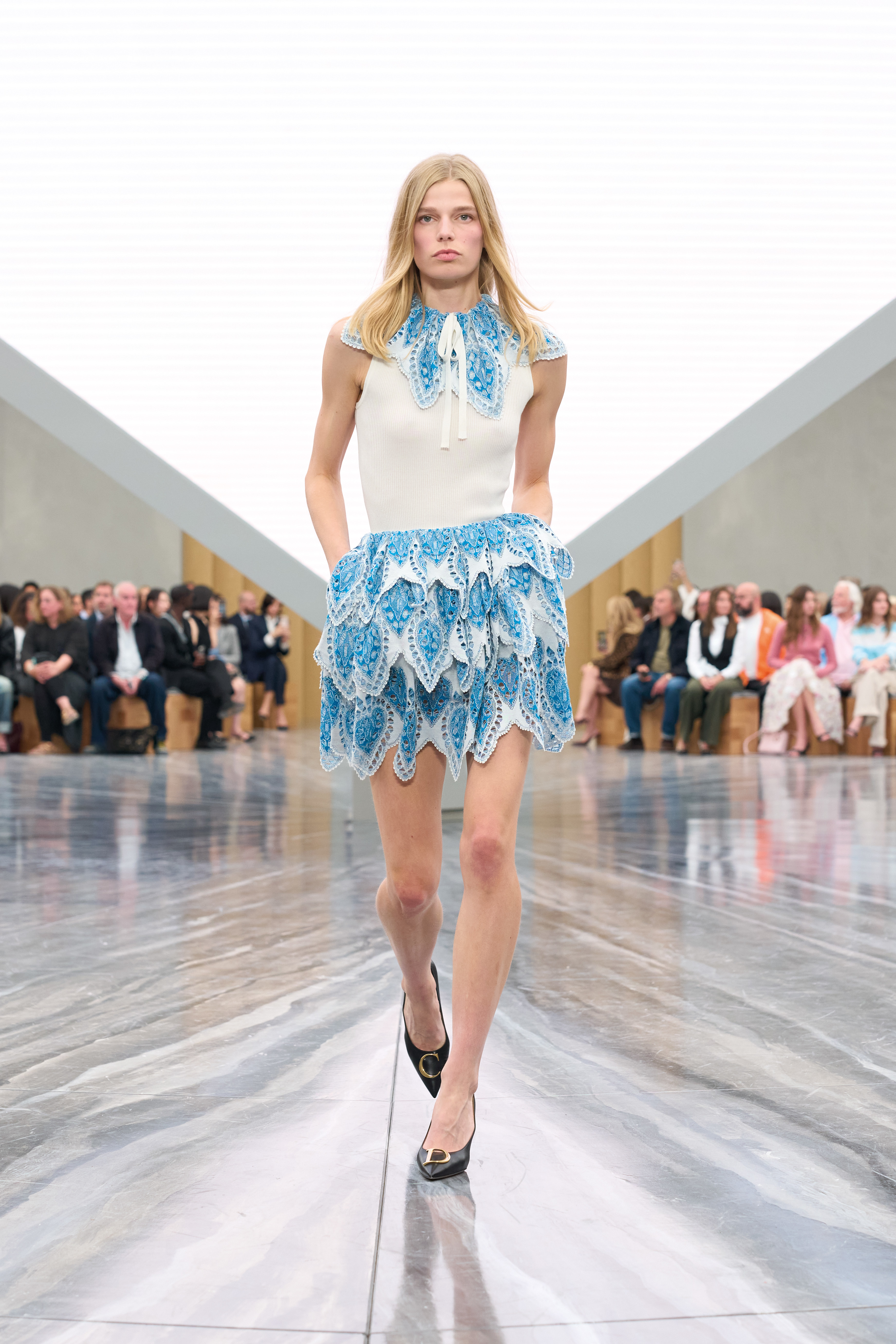
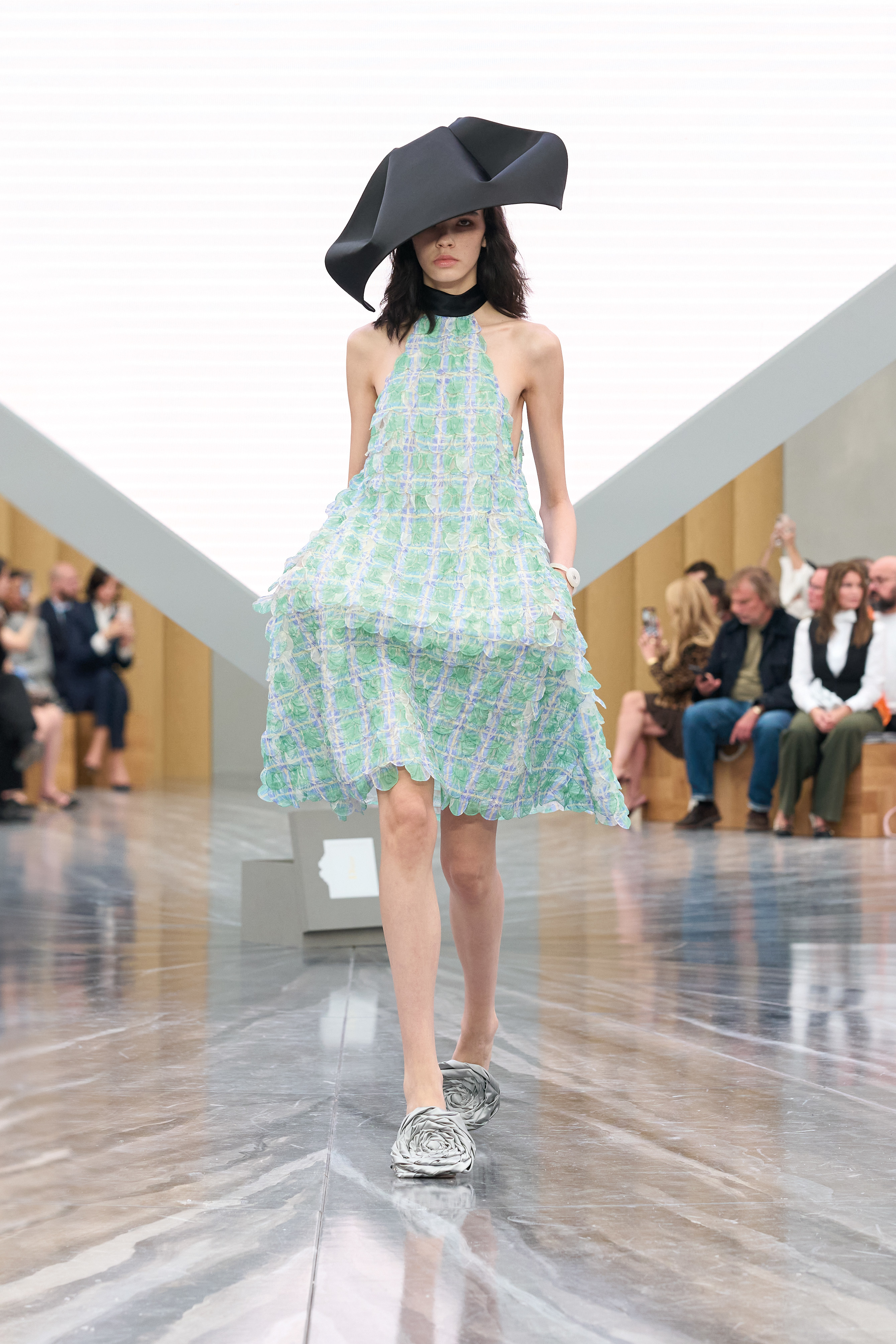
Notes on the show posted to Dior’s social media show how deep into the chasmic archives of the brand this collection has descended, emerging victorious vigorously waving references to the Cigale and the Virevolte in one hand. The layered petals of the Junon dress were also replicated on a smaller scale. Dior’s usual palette was altogether nicely varied thanks to styling, from rich reds shattered by salient blocks of black to the more subdued and dusky of the House’s iconic pastels. Arguably the most stand-out and striking piece of this collection due to its Rouge Dior homage and black lace collar stretching down the back was reminiscent of Yves Saint Laurent’s own 1959 collection during his stint at Christian Dior – which springs to mind as it was actually sold at auction earlier this year. Plaid conveyed honeyed girlishness and cloying juvenescence throughout the whole collection, too.
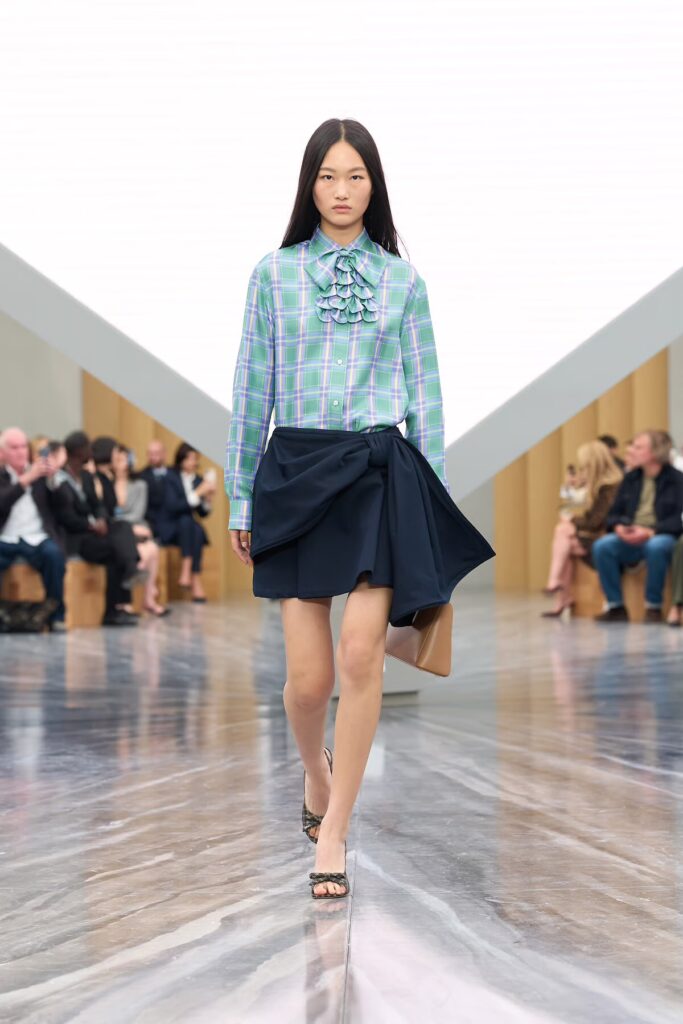
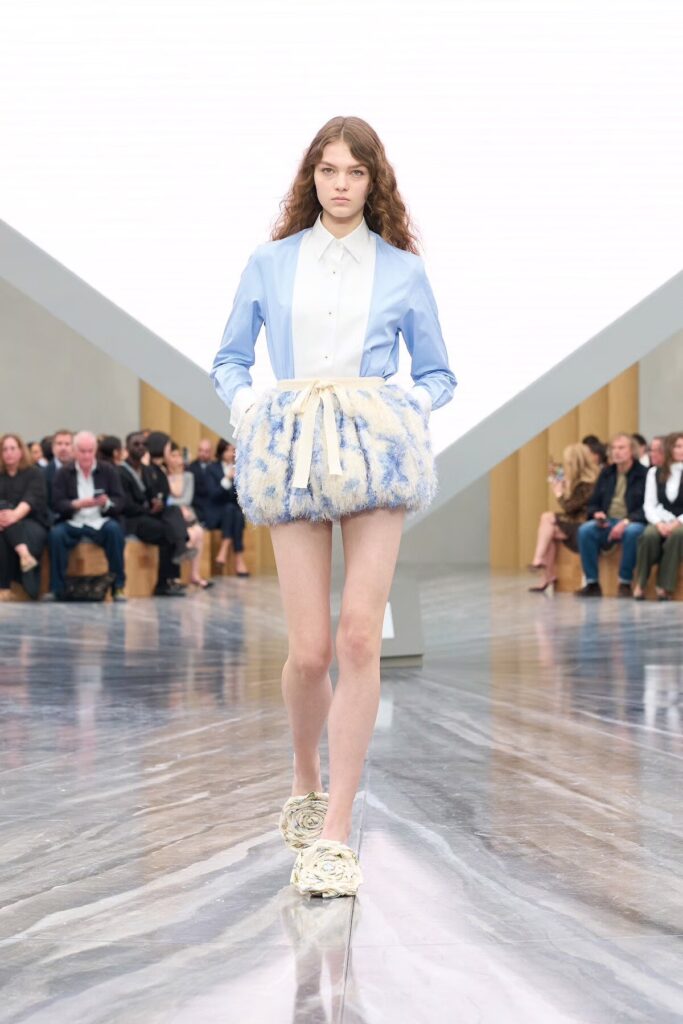
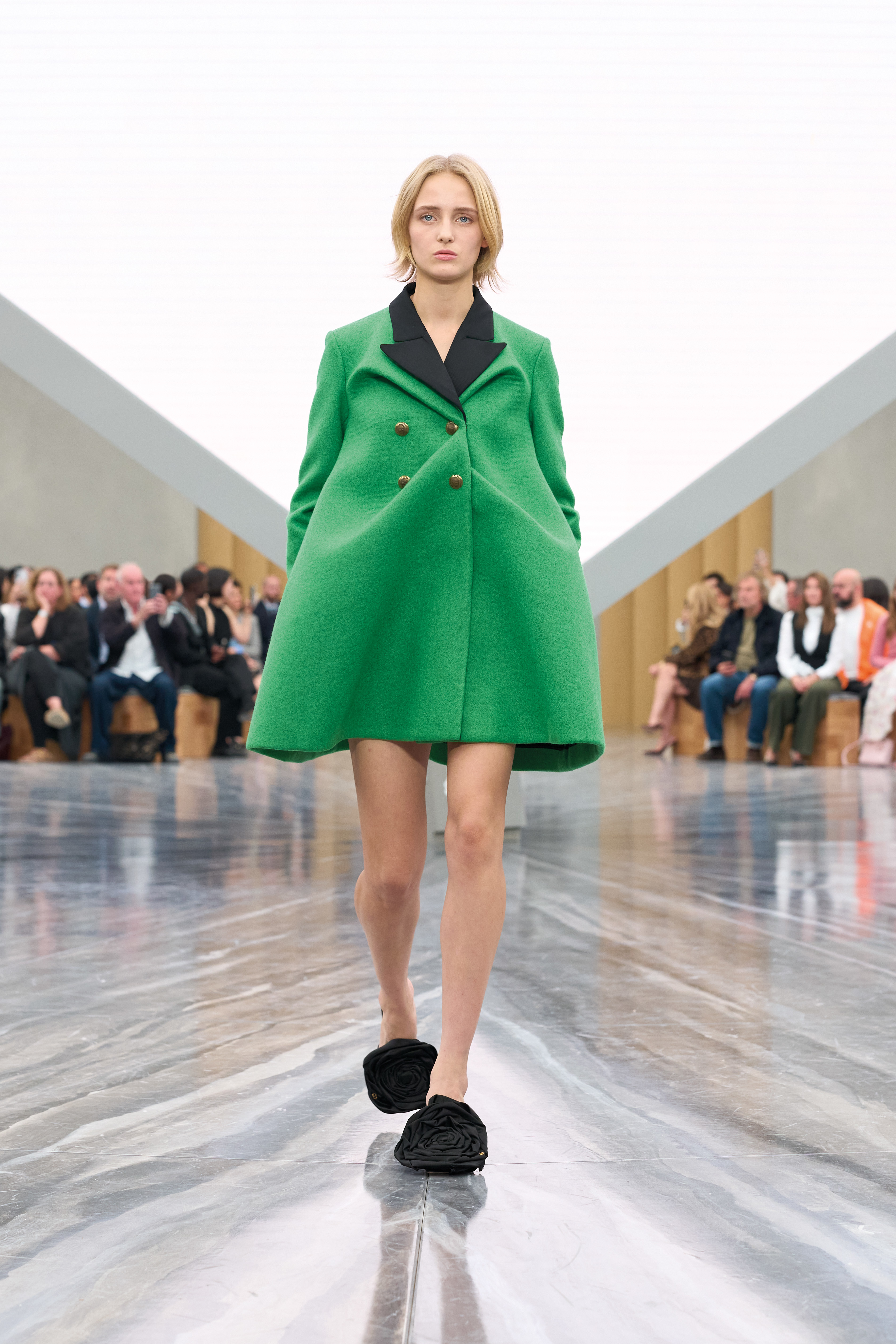
On the path of florals and delicacy, the shoes displayed in the collection were a real homage to the botanical. Designed by Nina Christen, the Director of Shoes and also an alumni of Loewe, they’re no outsider to sui generis fabric layering and conveying just what the collection intended. The collection strings along the poised femininity with more bows and satin. Perhaps the pinnacle, Christen presented a shoe overwhelmed by a twisted bloom on the forepart. She also put forth a pair of heels furnished with bunny-ears at the front, and an equally as spirited feathered match with pointed backs. The Dior logo was also featured with a lively twist, the “o” enlarged in golden hardware – one only needs to look down to see the “C” and “D” shaped into the soles of another pair.
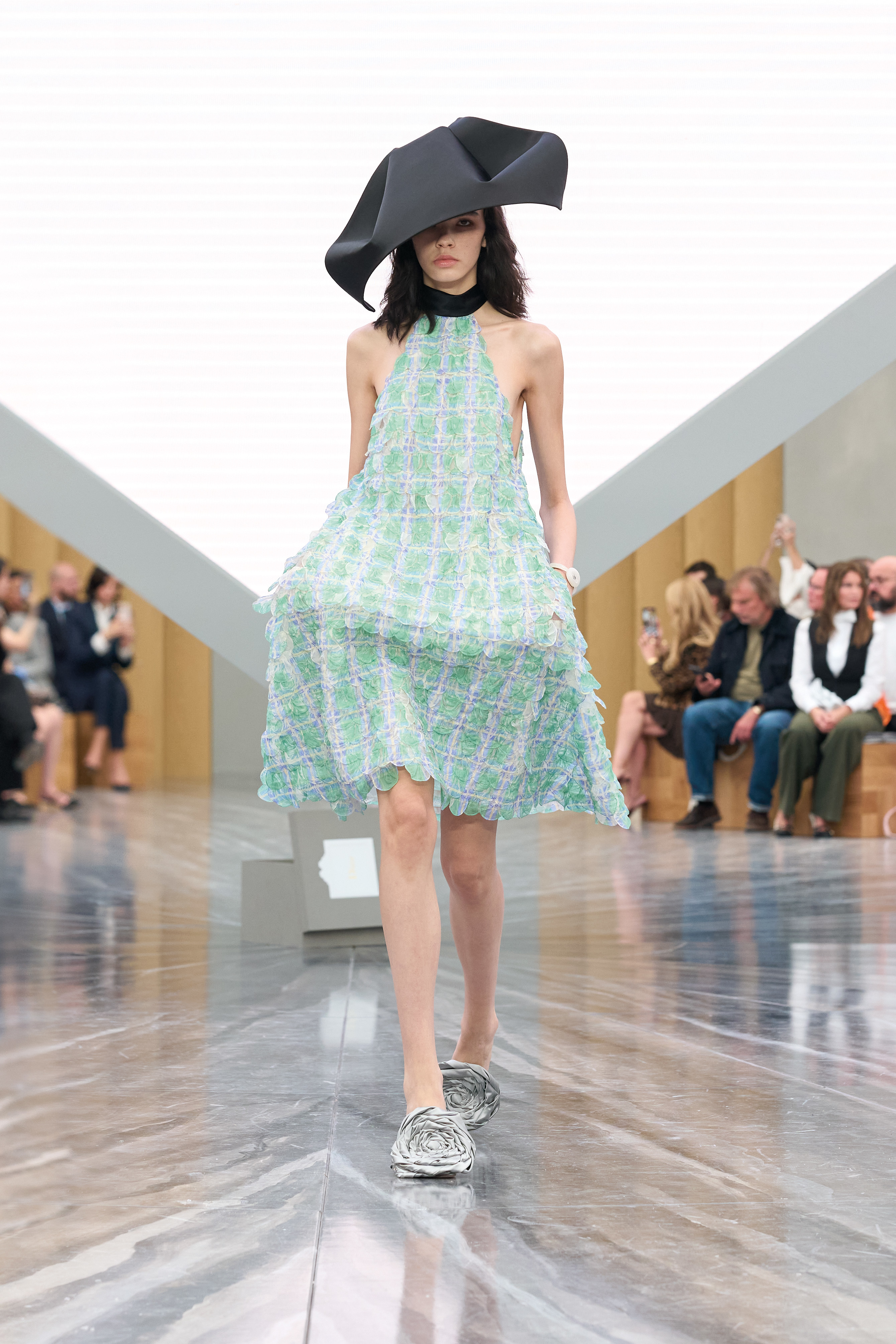
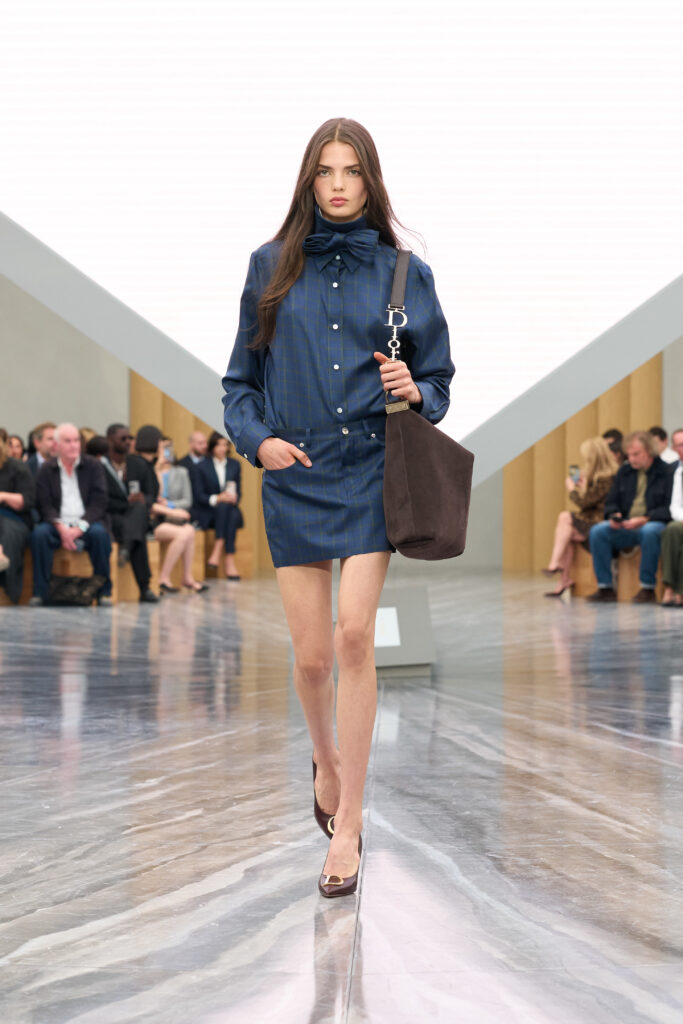
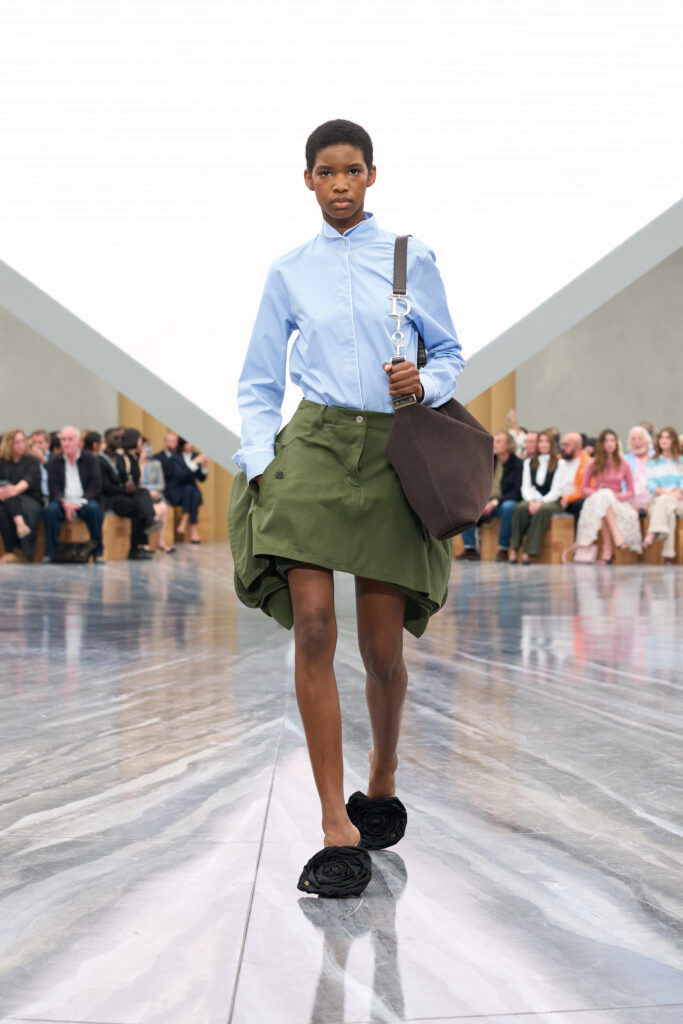
This iconography extended to a fresh take on a Dior shoulder bag, featuring a ladylike ruched bow and handles on one side that create a peekaboo effect. There was some signature deconstruction with slouchier silhouettes and the Cannage pattern. Somewhere between the two fell suede leather pieces, fulsome and polished, and effortlessly styleable. His Lady Dior campaigns cannot go without mention here either: bold and incredibly aestival.
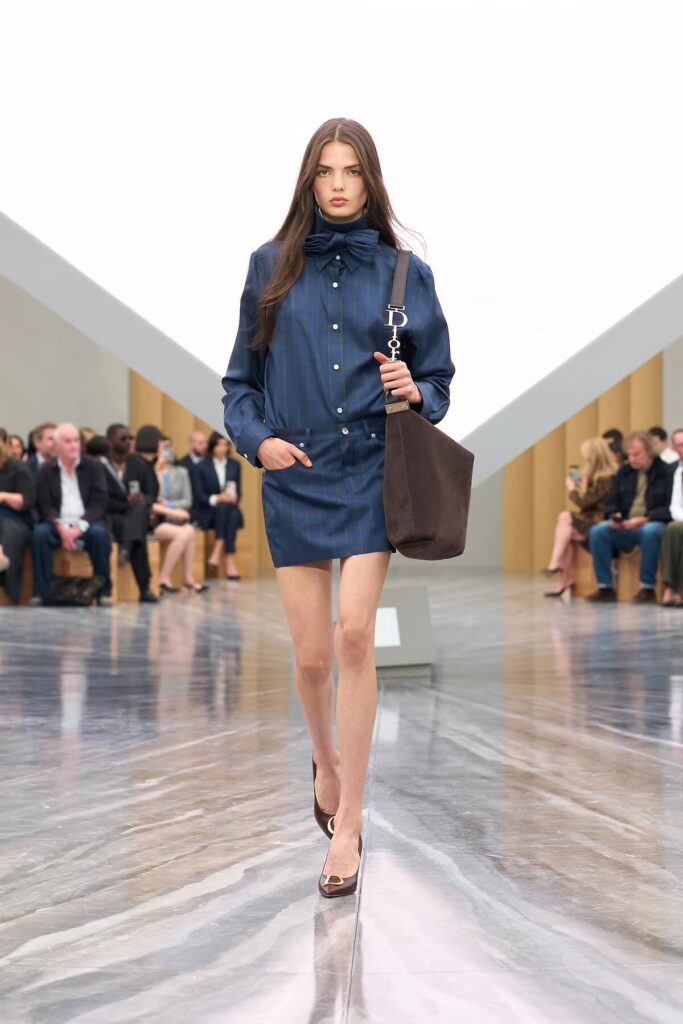
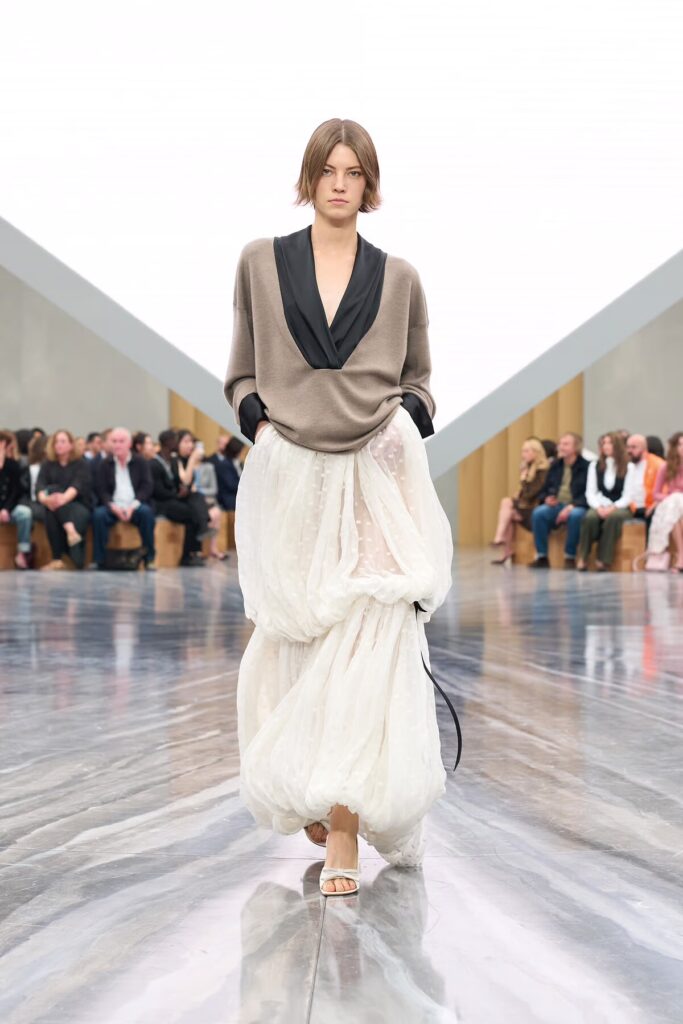
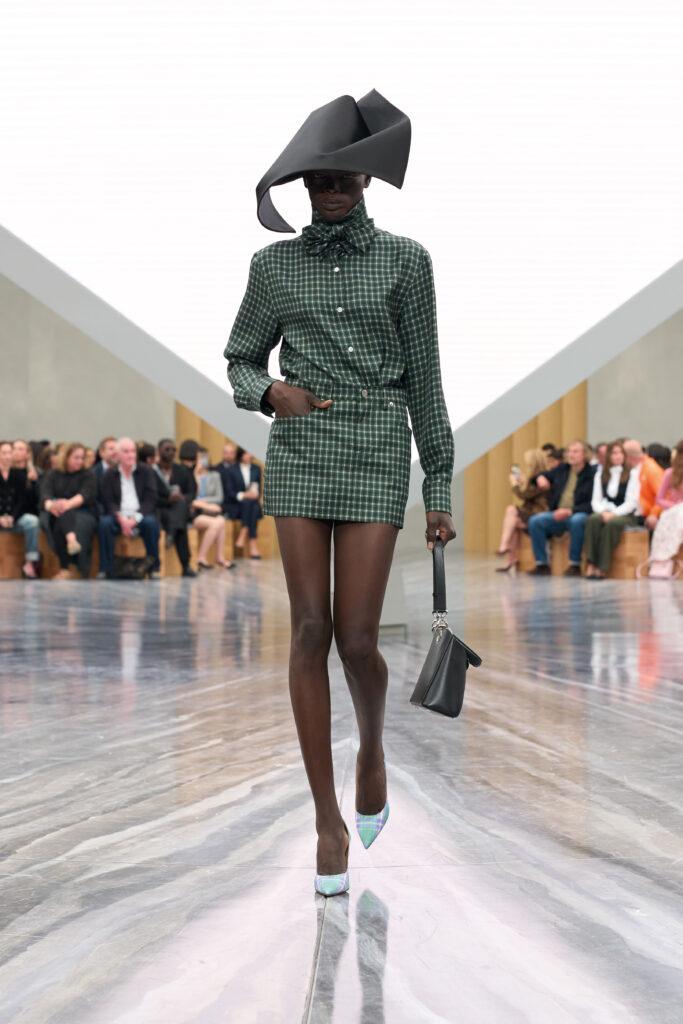
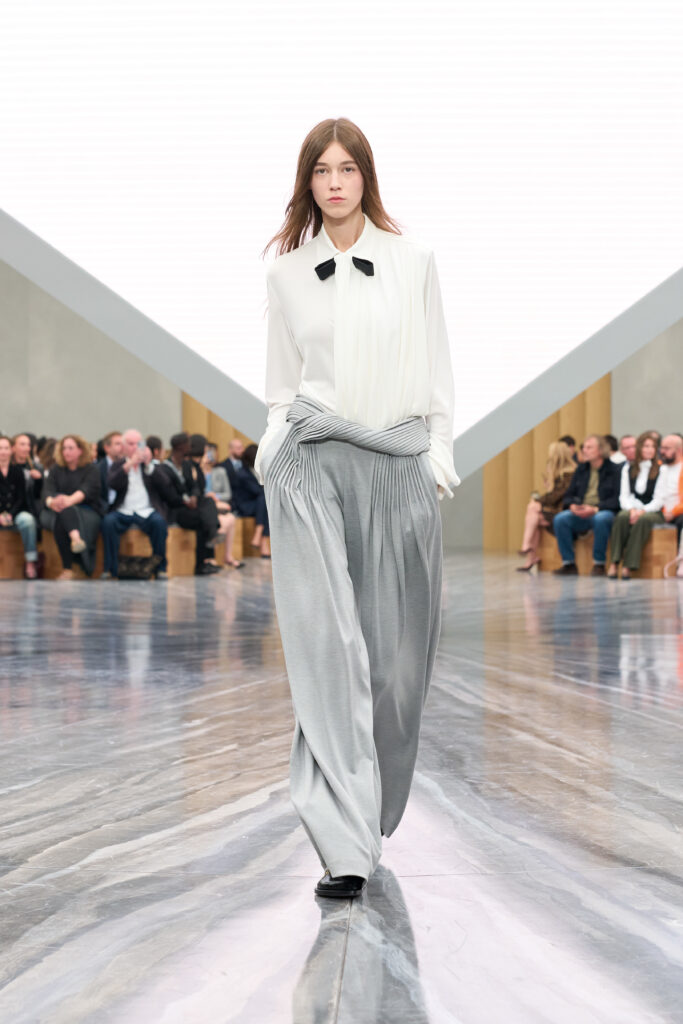
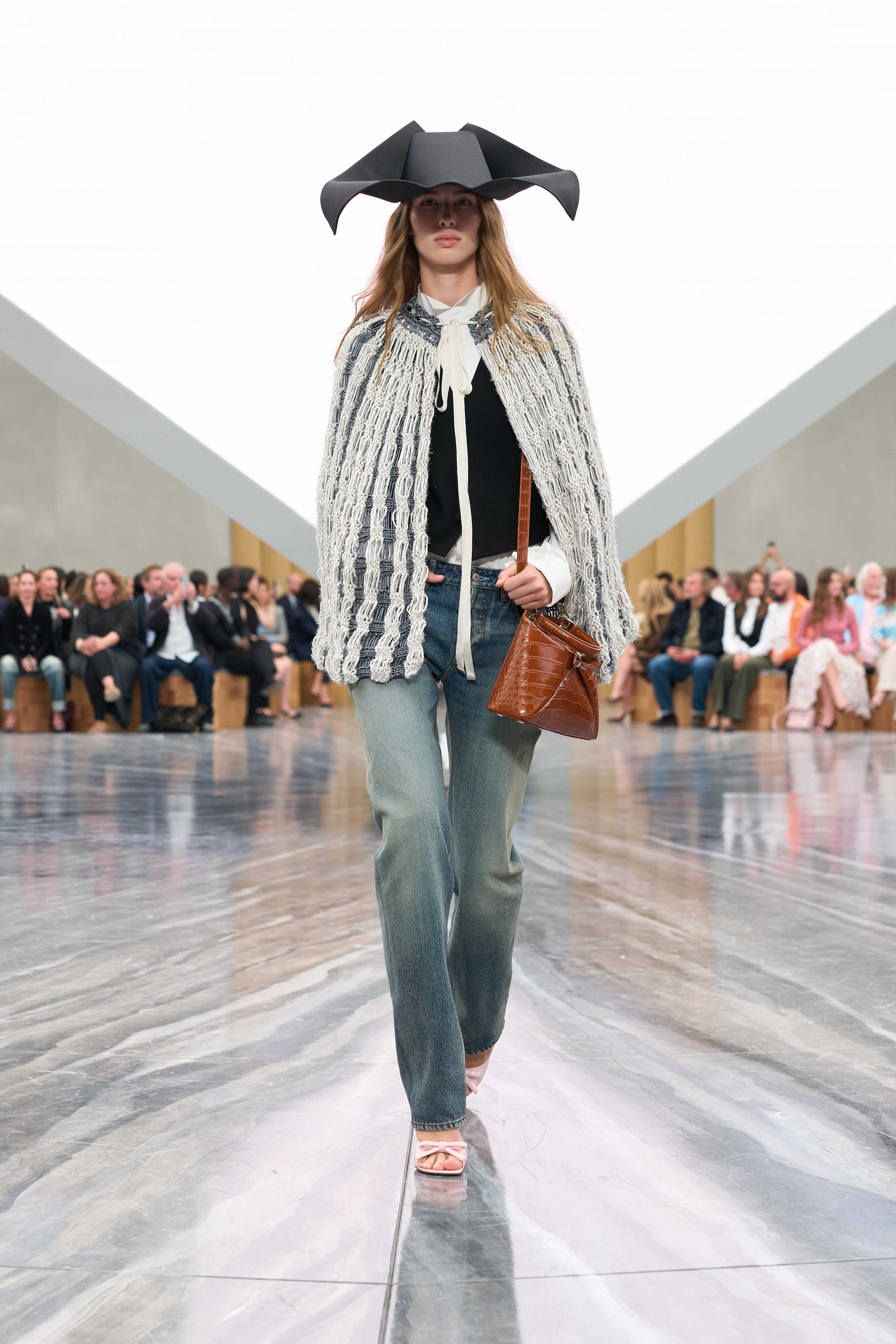
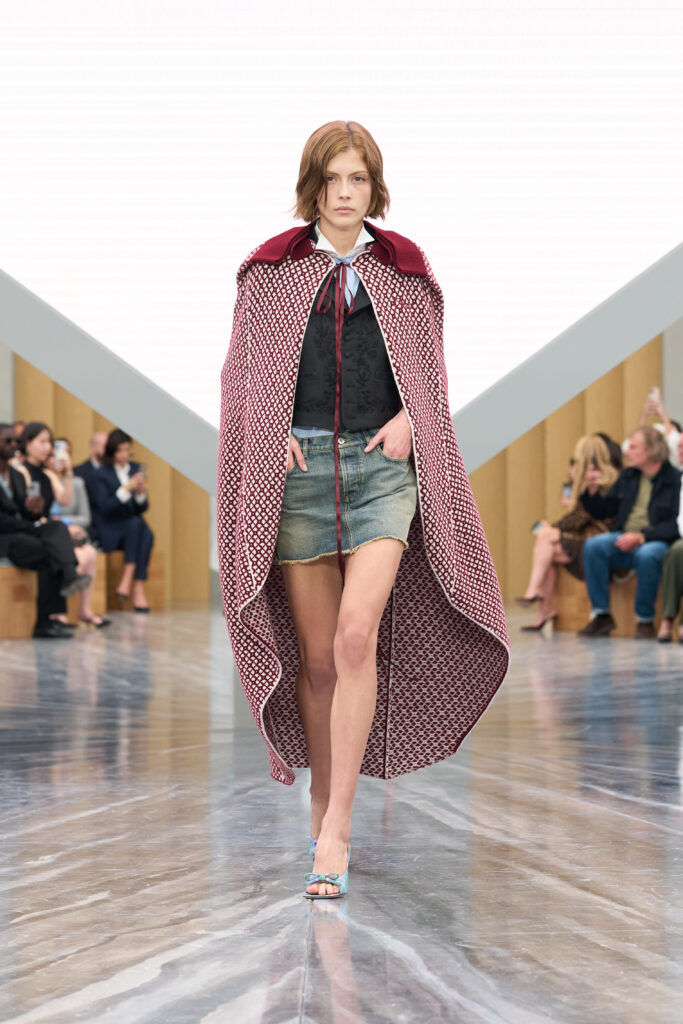
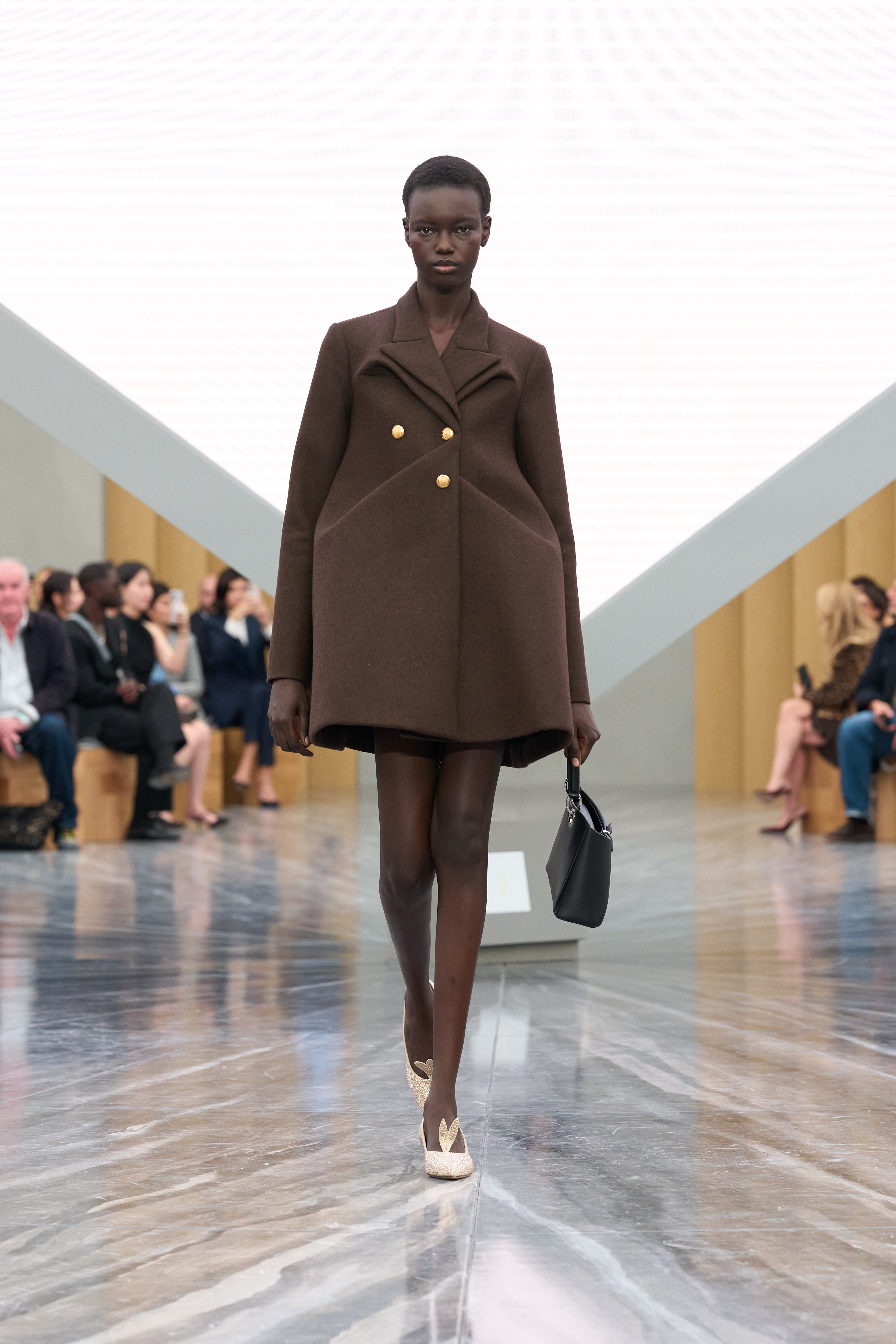
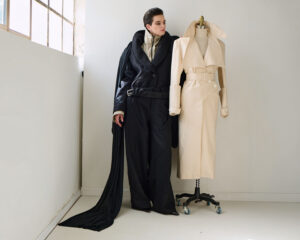
Back when Anderson first took over Loewe, there were concerns that there’d be some bleeding between the brand and his own, JW Anderson, created in 2008 when he was just 23 years old. The designer made it very clear that this would not be the case and, as discussed, his actions spoke louder than words. There were some adroit references that those who are familiar with the JW Anderson brand may have spotted. The buttoned tops, for example, were reminiscent of his Autumn Winter 2016 collection – pieces that are at stunning polarity, playing the armoured knight in shining armour to the royalty of this collection almost a decade apart. Capes were teased at his menswear debut earlier in the year, and now you can partake in an almost Shakespearean, but fundamentally 1940s, his-and-hers. Romance is, ultimately, the beating heart of this collection: literary, mature, and a beautiful amalgamation of features that encompass the new Dior woman.
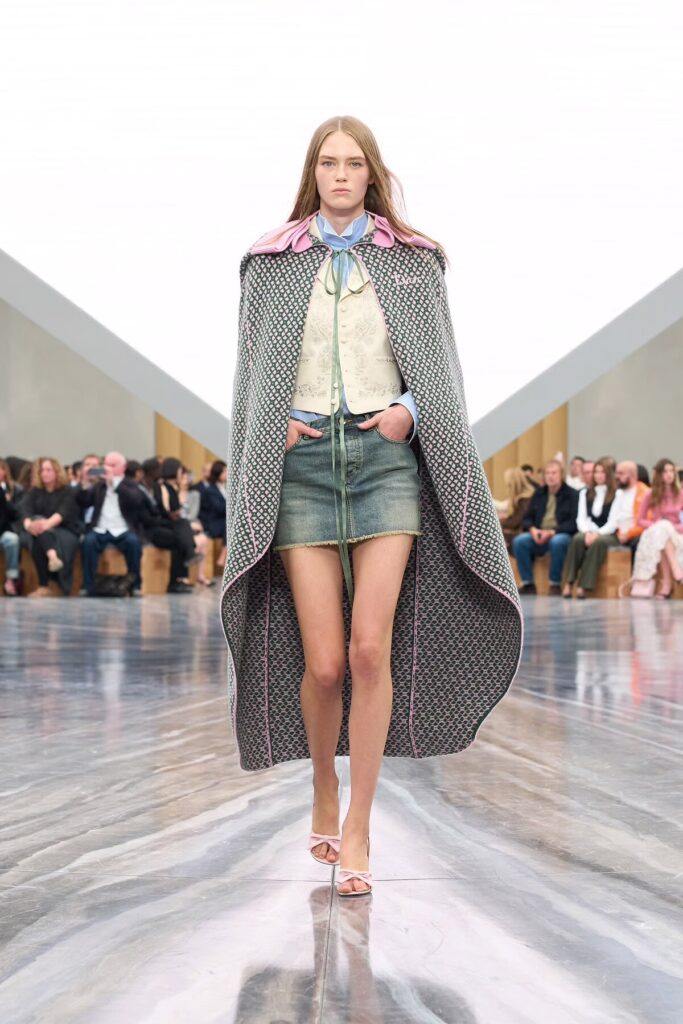
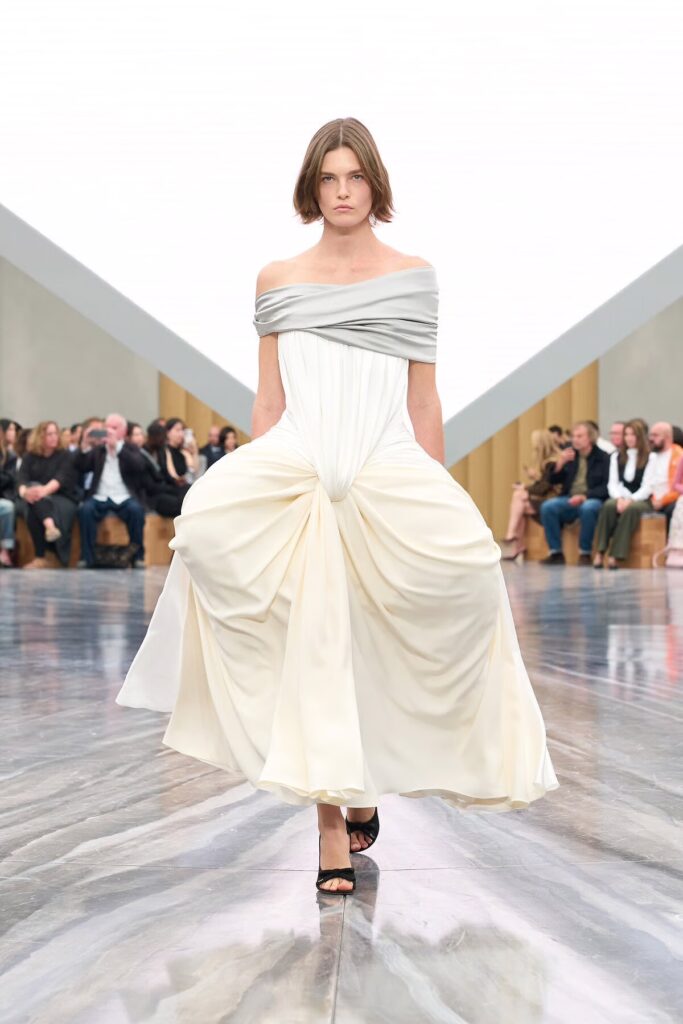
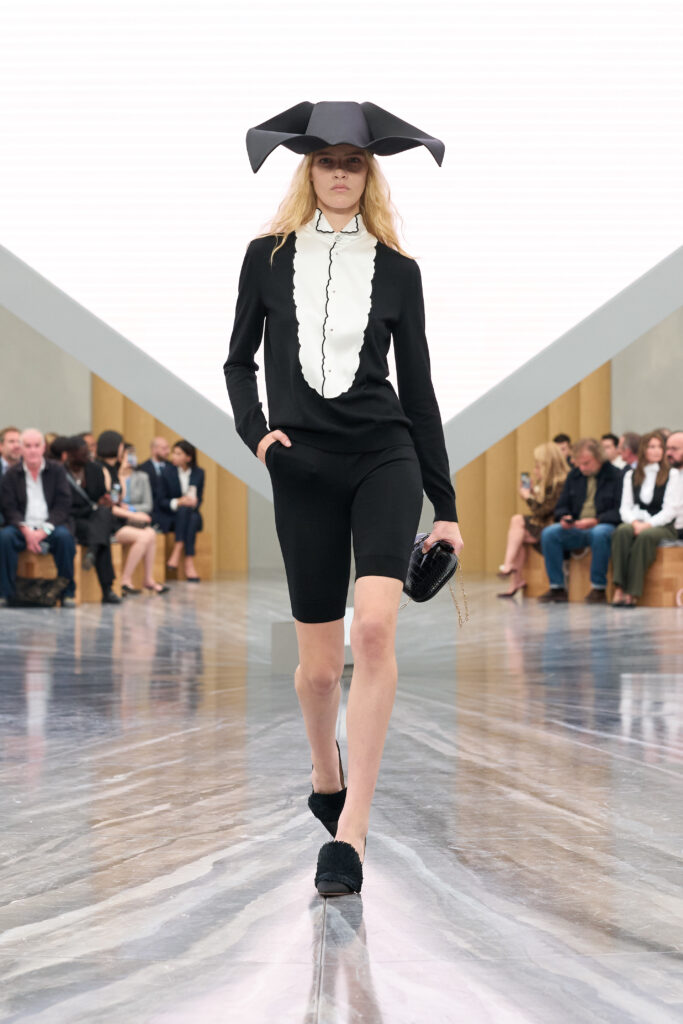
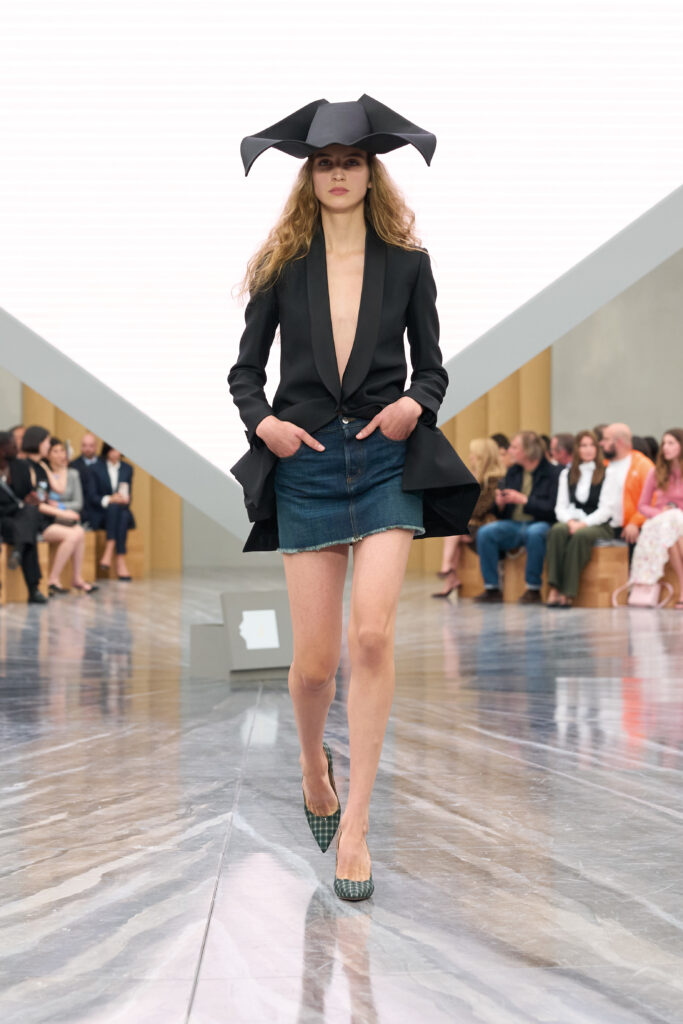
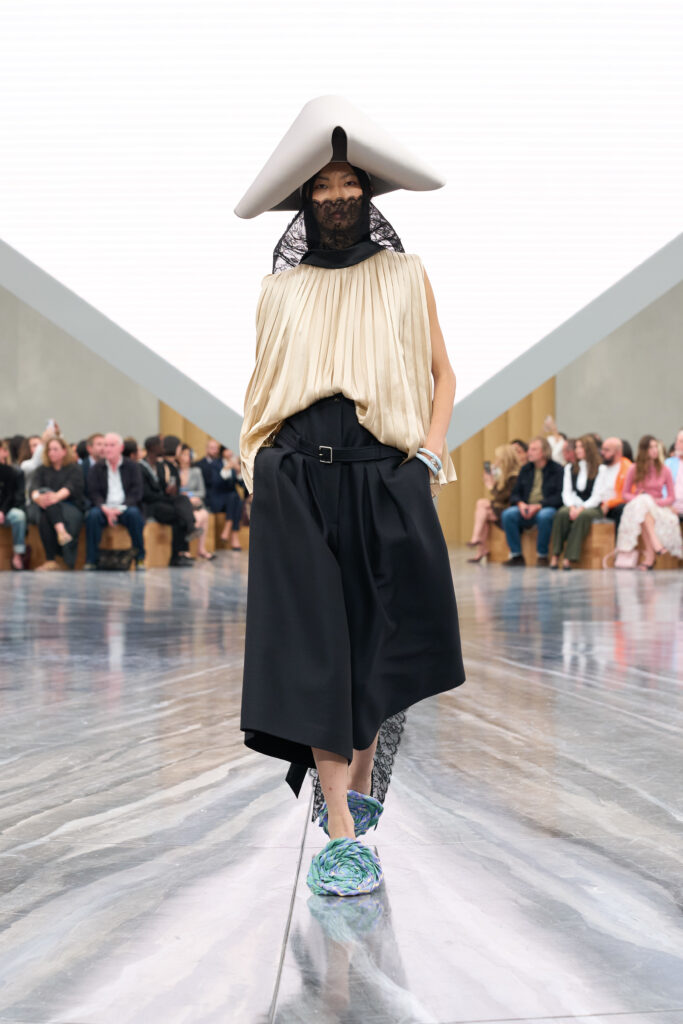
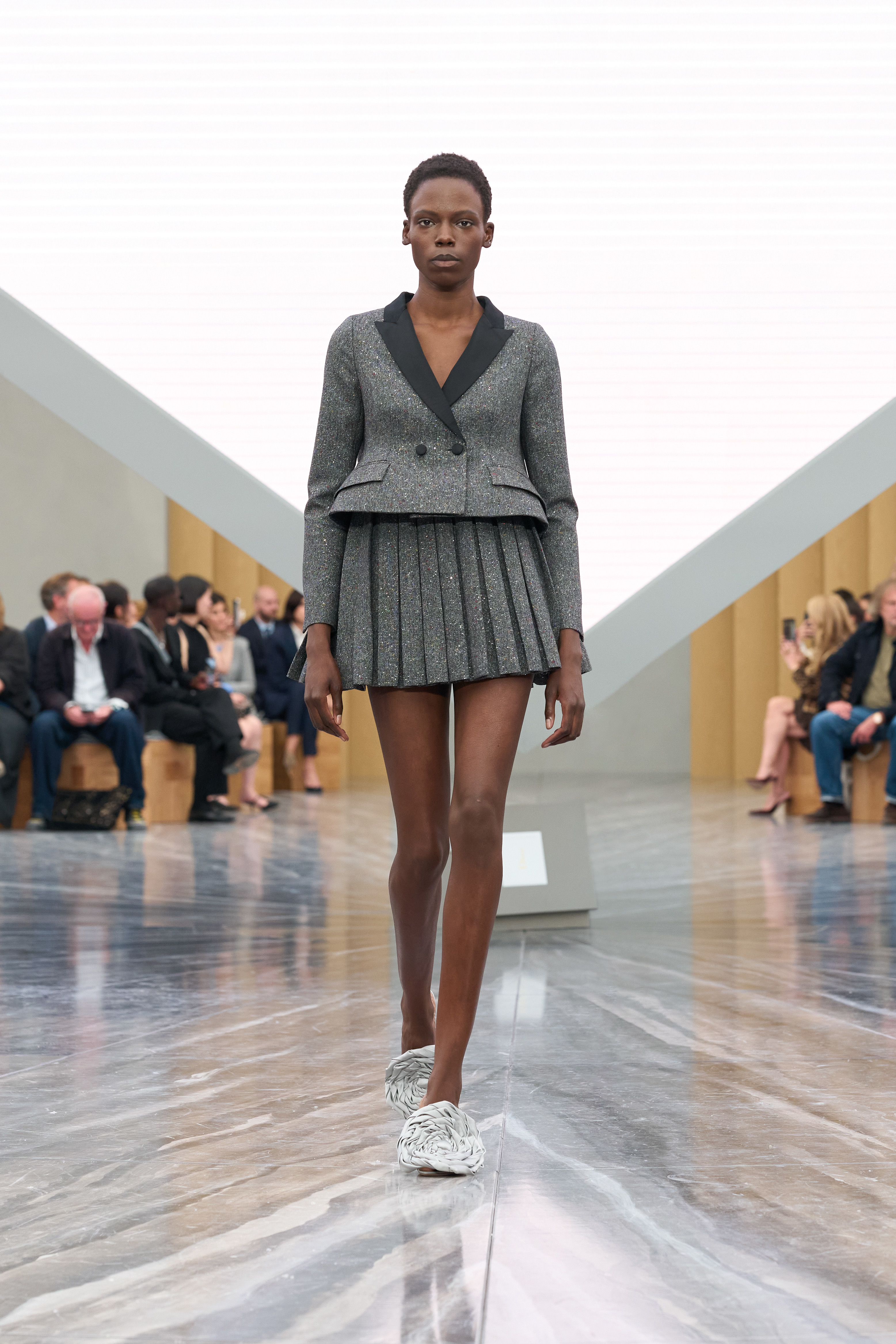
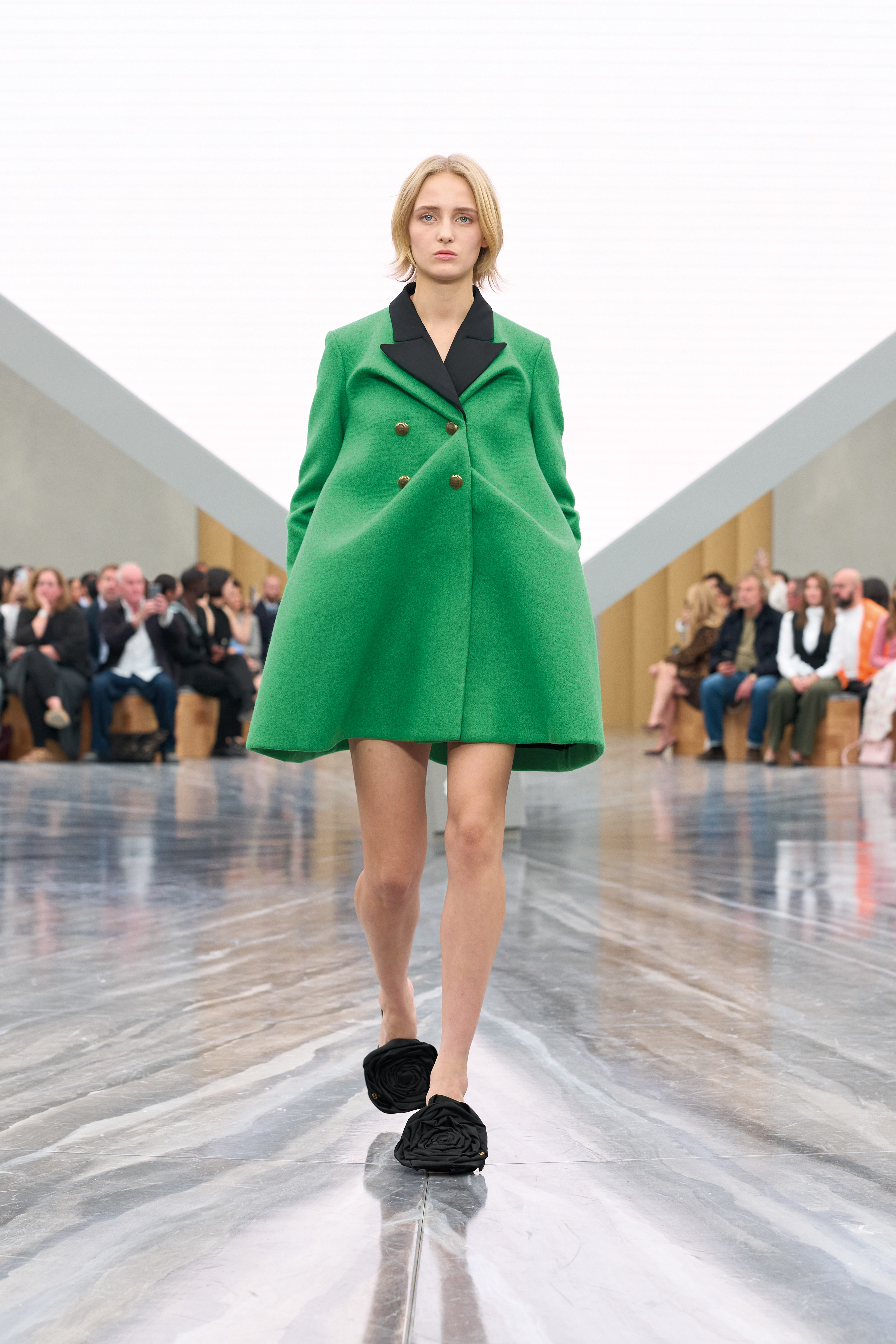
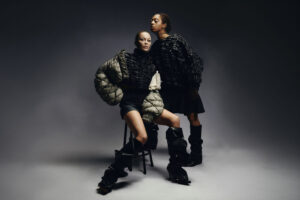
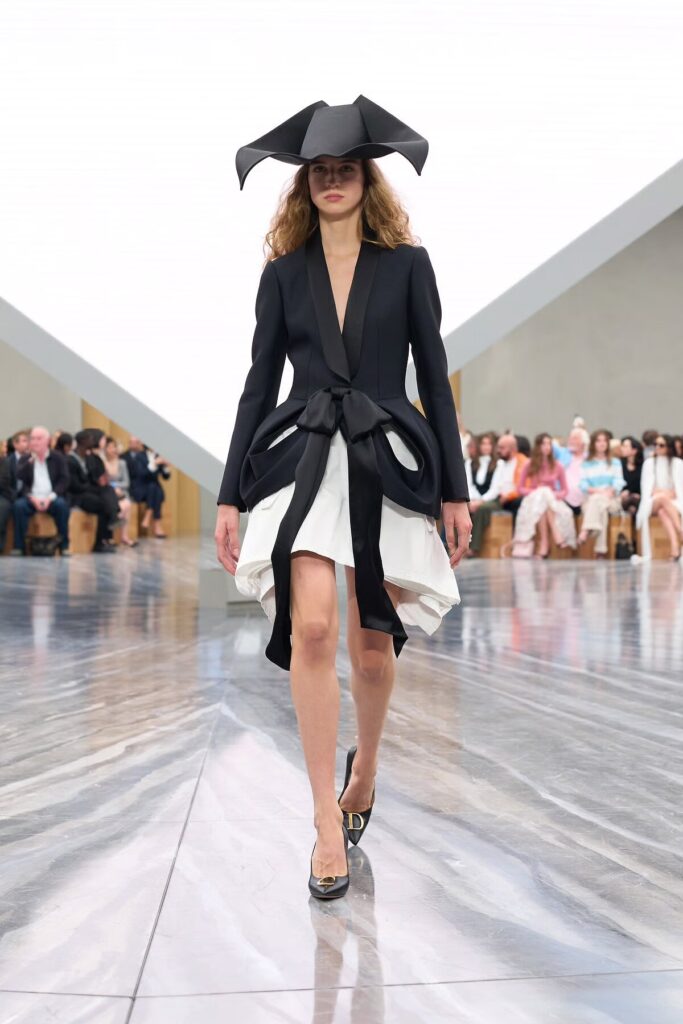
There was certainly some toe-dipping into the more recherché, though, make no mistake; Anderson has also mentioned Dior’s ability to be “camp”, something he’s content to facilitate, and again he’s pulled out more than enough stops to achieve it. Everything was embellished and amplified, from the French military hats – ever the buccaneer, very Galliano – to the Bar Jacket taking on a more exaggerated silhouette, reimagined in Anderson-esque thick tweed fabric, and his signature out-of-proportion pleating mantled its way over skirts and trousers.
Anya Taylor-Joy knocked for six in an icy basket plaited satin gown for the Toronto Film Festival in September, a true statement marvel in its stitching and framework, and we got to see both it and its nude, black, and champagne analogues.
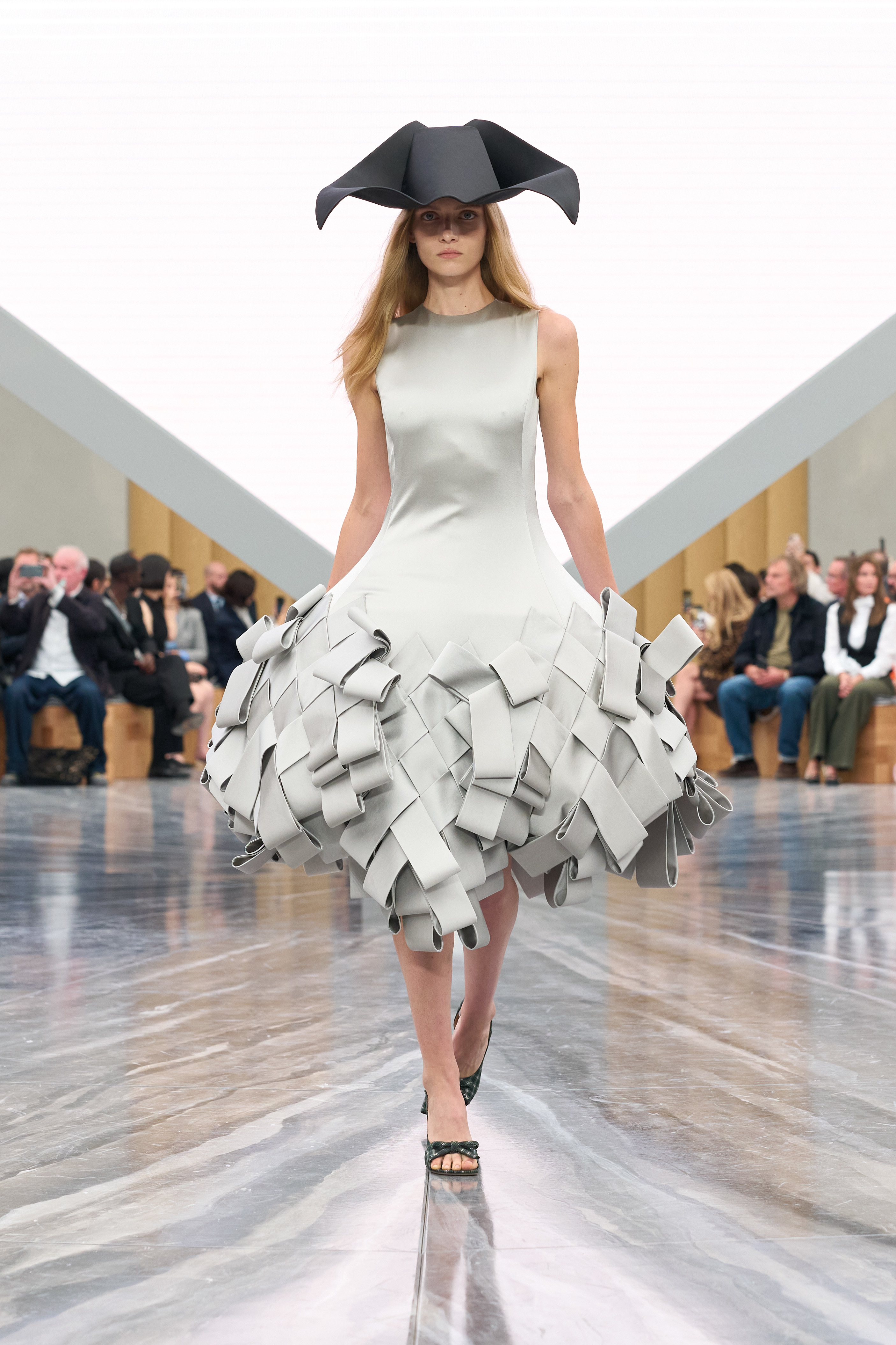
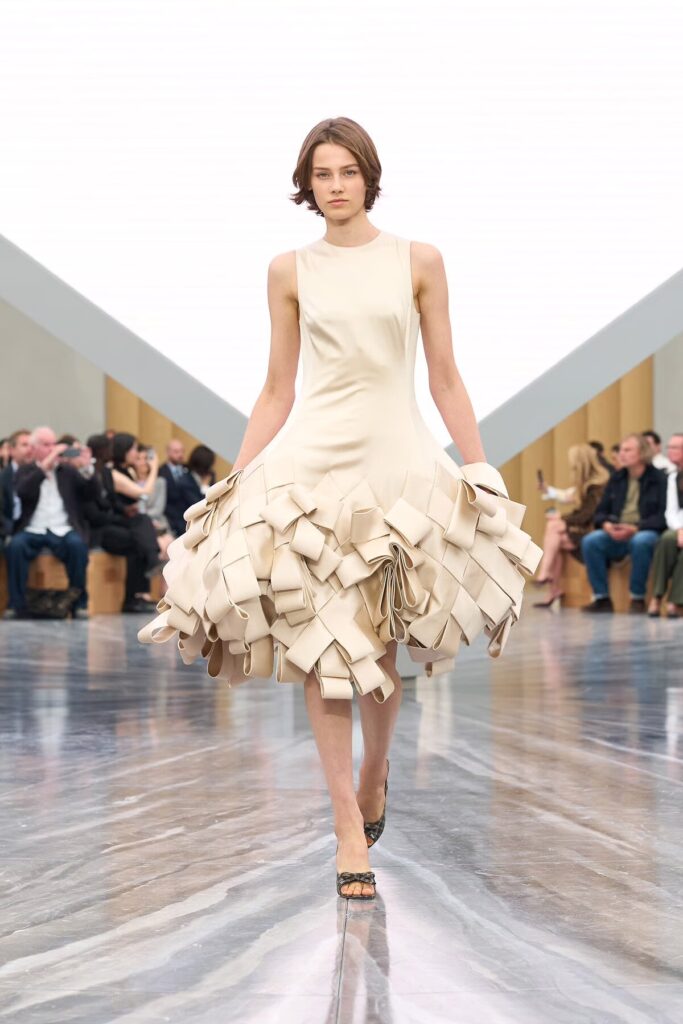
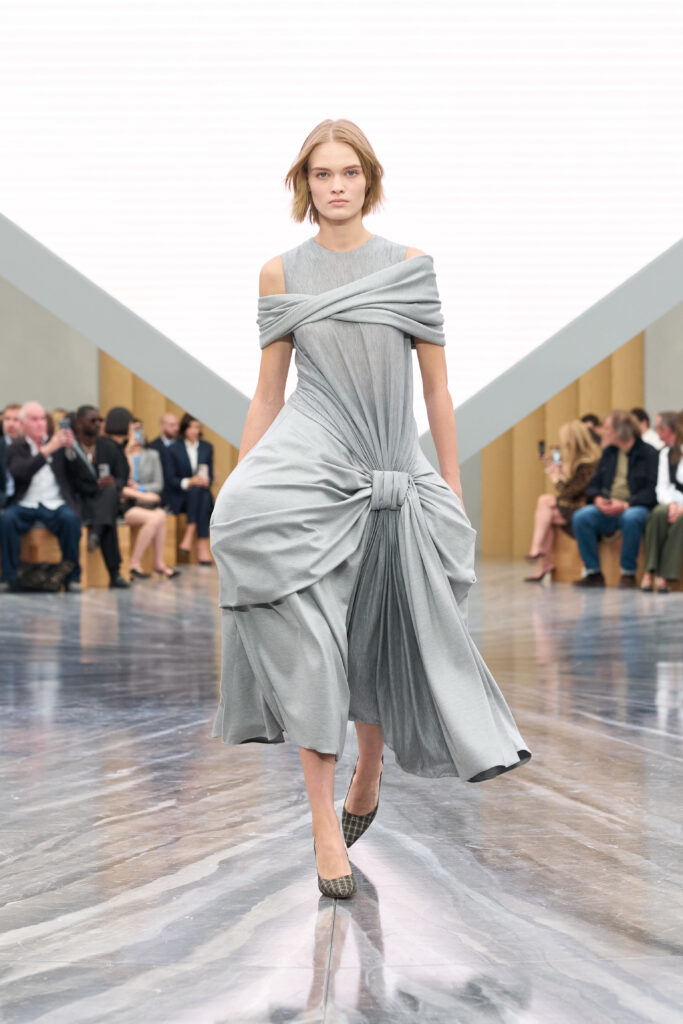
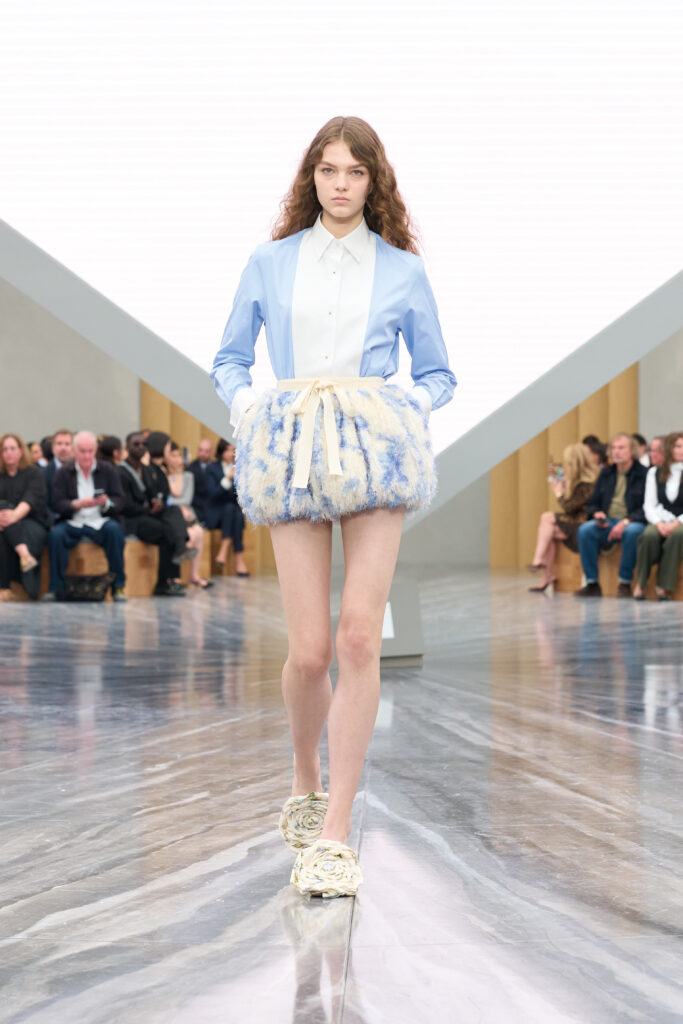
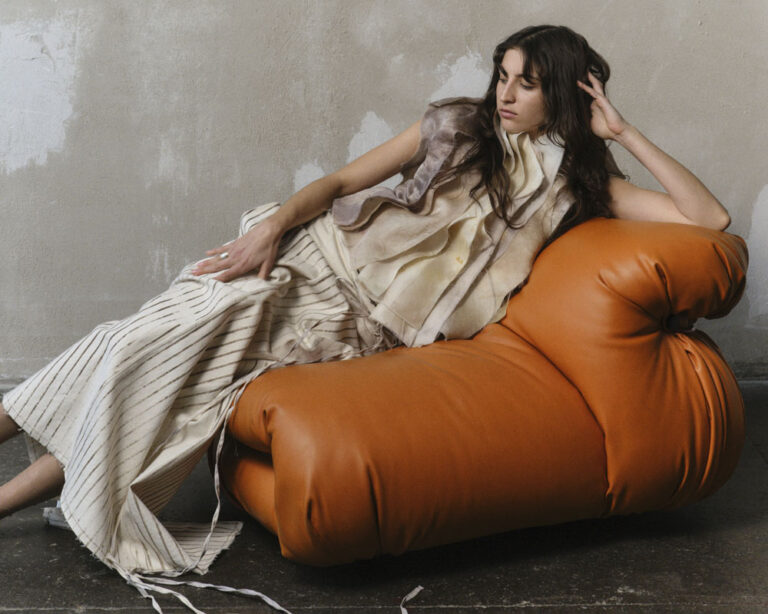
Miniskirts played a major role, from fuzzy balloon hems to the oh-so-classic denim mini. Singer Jisoo, one of many in the star- studded line up Dior has accumulated as their brand ambassadors, was fitted in a soft green strapless gown late last month. The dress’s wide skirt and bow detail are a direct indication of Dior’s velvet Curaçao dress from 1954, and so are the miniskirts from Anderson’s newest collection, it seems. Fabric folding seen on other bottom pieces are also reminiscent of Dior’s Delft dress from 1948 – not just the designer’s aforementioned own occasional penchant for the eccentric. Above all, though, the great assiduity with which Anderson has taken on the tailoring is crystal clear; there’s a sharp intensity without sabotaging the fairytale allure of the collection. Boxy babydoll constructions – the Bar jacket equated in size to an entire outfit – and classical flirtation, that’s the latest Dior.
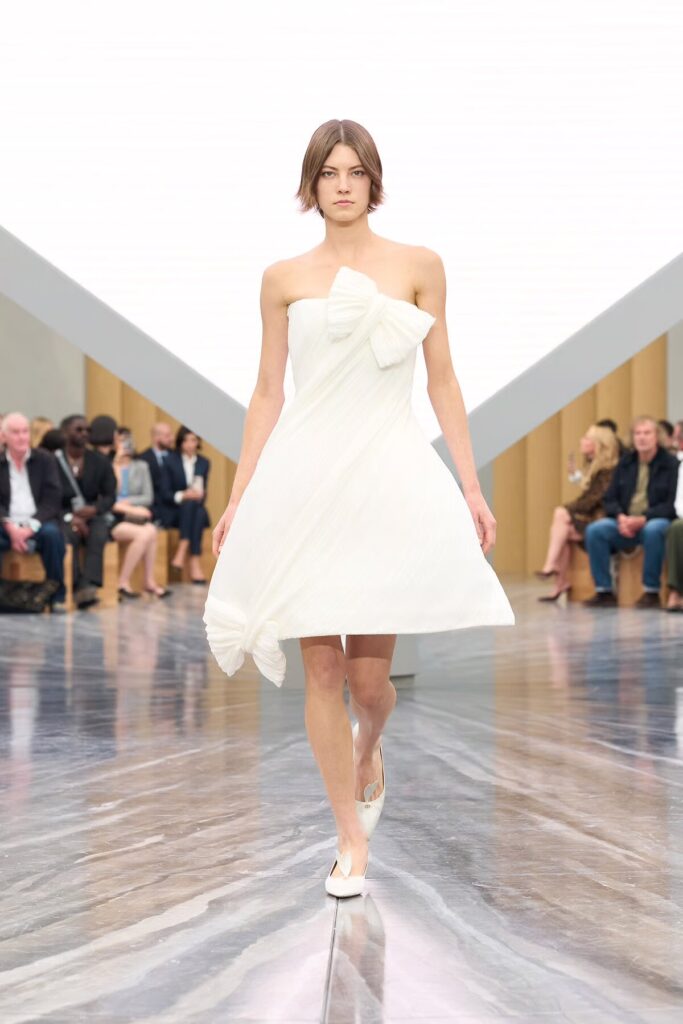
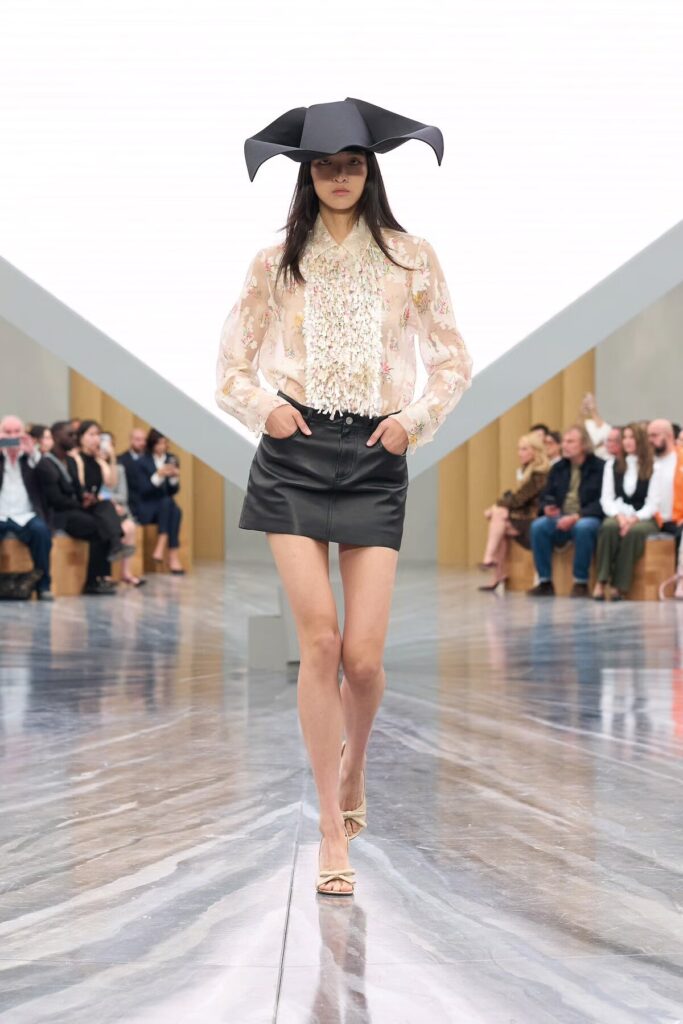
Altogether, it’s an out-and-out honour to experience the consummate mastery Anderson not only possesses, but has proven to exhibit time and time again. He was always an incredibly capable candidate for the role, and I’d hazard to say that, in hindsight, it would’ve been a total misstep not to have him administering Dior.
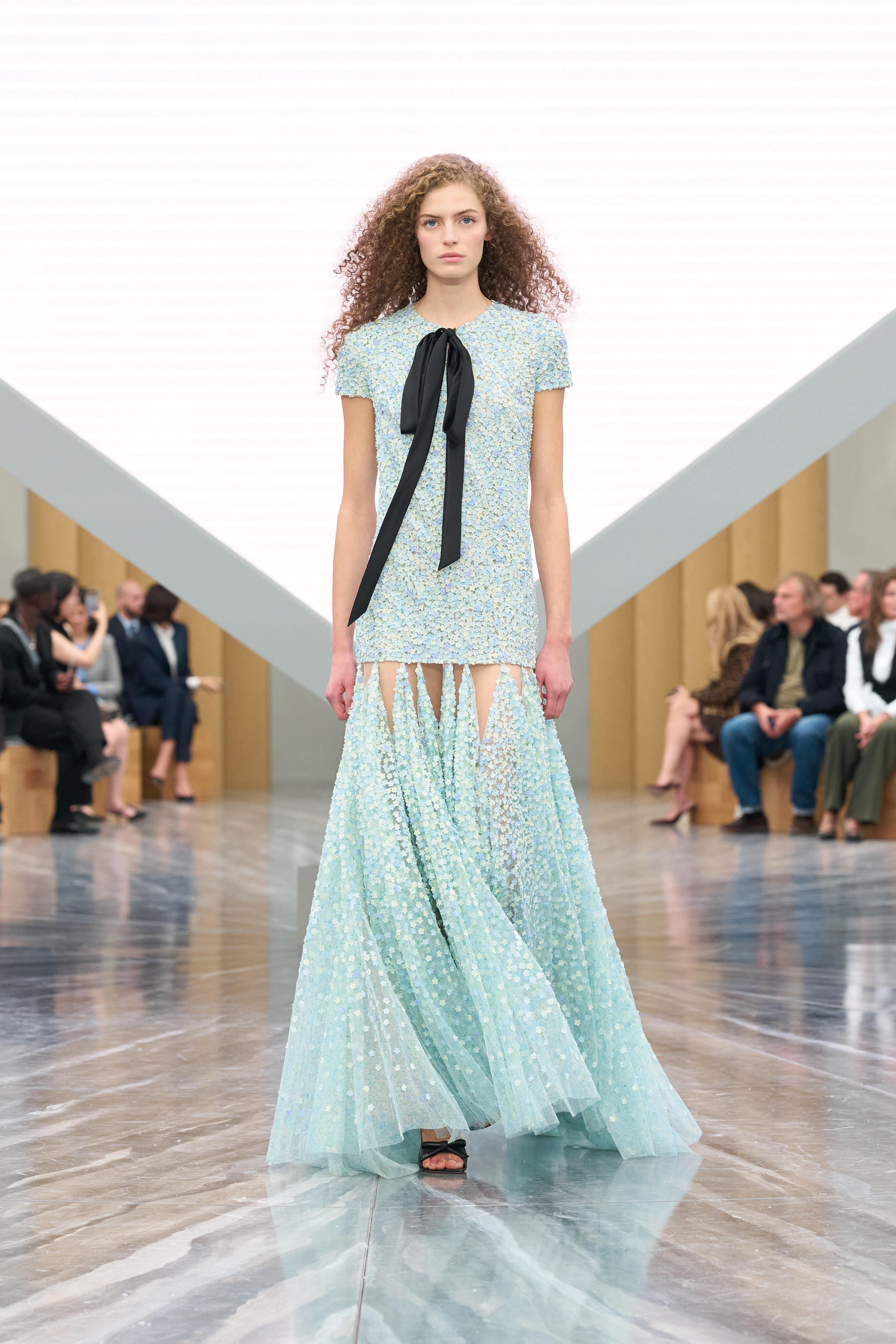
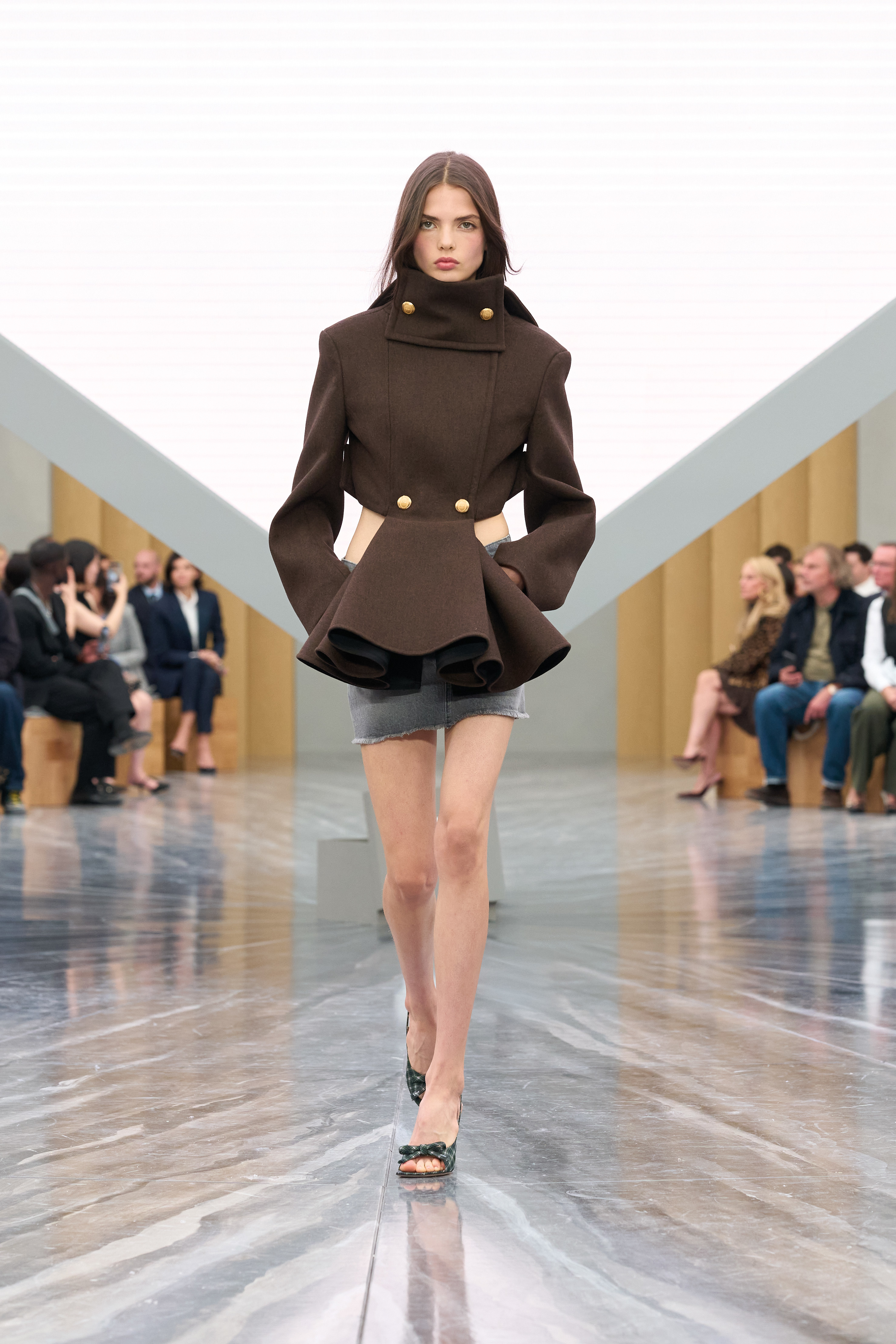
With such an auspicious debut as this, it’s strenuous not to dare to enter the House of Dior – and get a glimpse of what’s to follow. You can currently sign up to access the collection as soon as it’s available through Dior’s website, and explore some more of the SS26 the looks below.