
Kering, the French luxury group behind Gucci, Saint Laurent, Bottega Veneta, and Balenciaga, delivered another sobering earnings update in Q2. Group revenues fell 15% year-on-year to €3.7 billion, while operating income dropped 39% to €969 million. But the headline figure came from Gucci itself, sales slumped 25% to €1.46 billion, making it the most significant drag on Kering’s overall performance
A Worsening Picture for Kering
For a brand that typically drives nearly half of Kering’s revenue—and around two-thirds of its profit—Gucci’s sharp decline is deeply concerning. Weakening consumer demand across key markets—including China, the United States, and Asia-Pacific. All this combined with geopolitical uncertainty and inflationary pressures, have weighed heavily on the luxury group. François‑Henri Pinault, Chairman and outgoing CEO, called the results “disappointing,”. Yet insisted that restructuring efforts over the past two years had built a foundation for future recovery.
Recent Designer Shake-up at Gucci
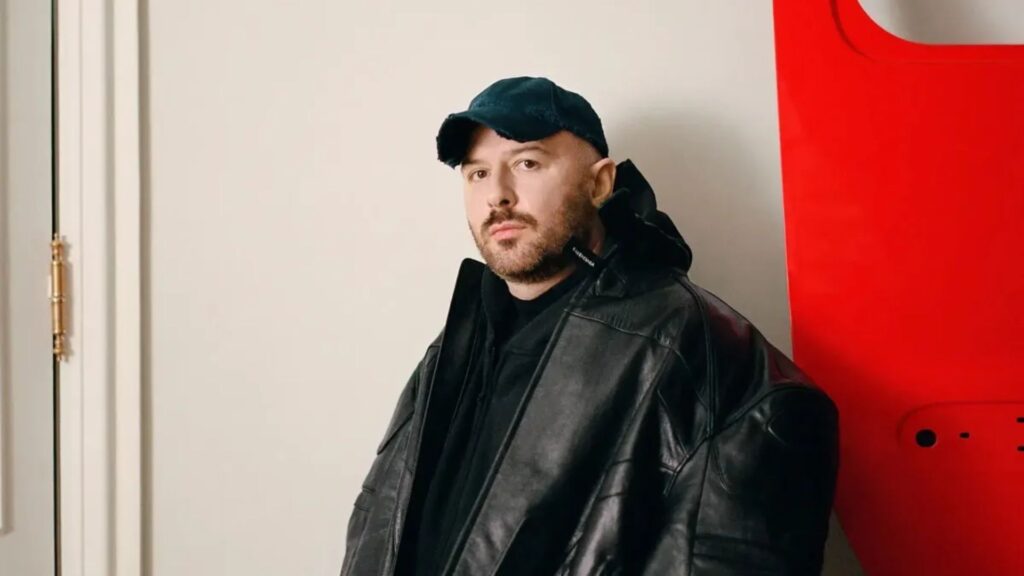
Part of Kering’s attempt to reinvigorate Gucci involved a leadership change in creative direction. Sabato De Sarno, who had served as Gucci’s creative director since early 2023, exited unexpectedly in February 2025. Just a month later, Kering appointed Demna Gvasalia, the former creative director of Balenciaga, as Gucci’s new artistic director, effective July 2025.
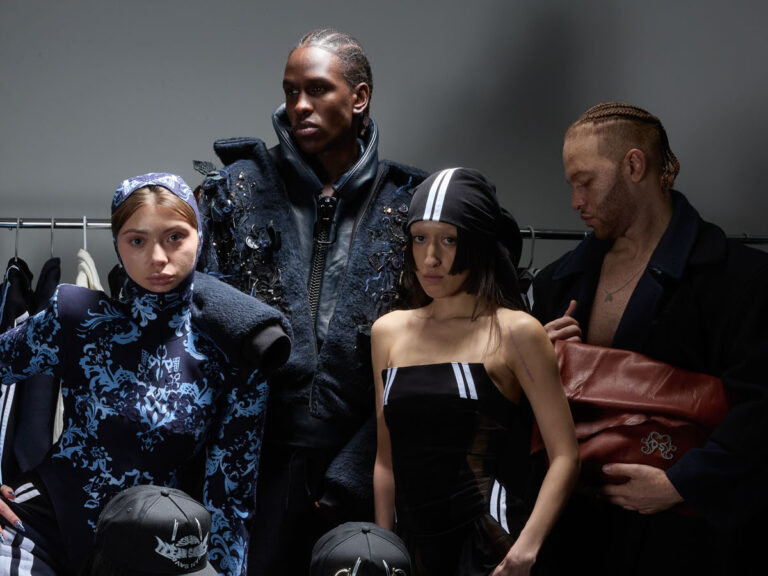
Demna is viewed as a bold, disruptive force—known for his provocative work at Balenciaga and his ability to tell compelling brand stories. His appointment is intended to rekindle excitement around Gucci and draw younger consumers back into the fold. However, the market reaction was immediate: Kering’s shares tumbled approximately 12–13%, erasing nearly $3 billion in market value. As investors questioned the wisdom of entrusting Gucci’s revival to a designer from within its own stable rather than a fresh external name.
Leadership Transition: De Meo Steps In
At the helm of Kering’s turnaround is another strategic shift. On 15 September 2025, Luca de Meo, the former CEO of Renault credited with executing “Renaulution,” officially assumes the role of CEO of Kering, succeeding Pinault, who transitions to Chairman-only status. De Meo inherits a company grappling with debt (over €10.5 billion at the end of 2024), shrinking sales, and consumer fatigue toward its top brand.
De Meo is known for his operational discipline and brand-building expertise in the auto sector. Some analysts believe may be exactly what Kering needs in this moment. However, the challenge of applying an industrial approach to a heritage luxury brand remains a topic of industry scrutiny.
Why Gucci’s Creative Turn Matters
Gucci’s identity reset matters because the brand isn’t just a growth engine—it’s the emotional core of the group. With sales down by a quarter, questions are mounting around its relevance, creative direction, and emotional resonance, especially among younger, socially-driven consumers.
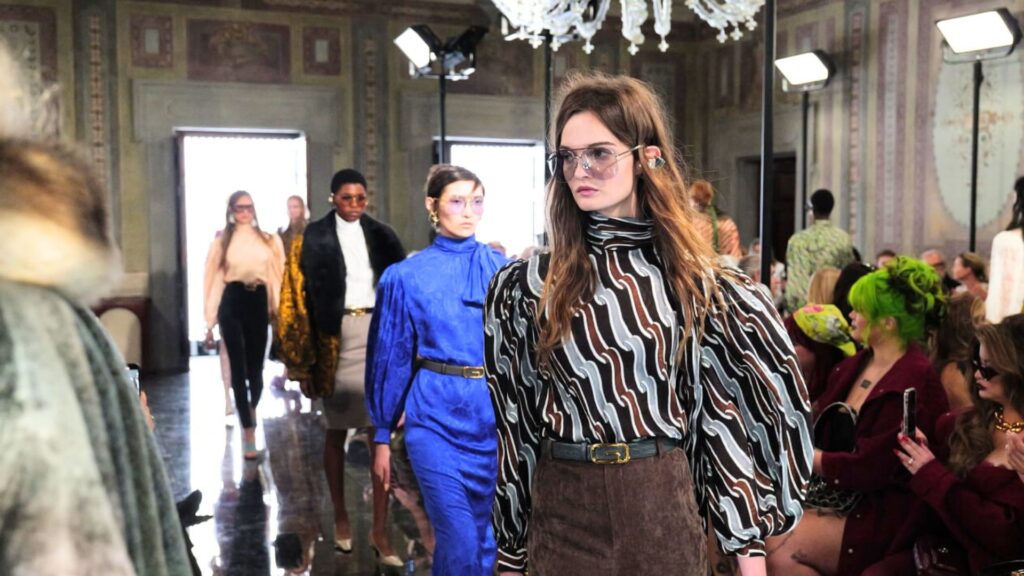
De Sarno’s relatively safe, toned-down approach failed to inspire in the short term even as it aimed to rehabilitate Gucci’s image after years of bold maximalism under Alessandro Michele. Now, with Demna’s appointment, Kering is placing a bet on risky innovation and storytelling to reignite lust for the brand.
Investor Pressure and Corporate Restructuring
Investors are growing impatient. Kering’s share price is down roughly 8% year-to-date and has shed about 60% of its value over the past two years, as the group lagged behind rivals such as LVMH and Hermès. In response, Kering has accelerated cost-cutting, including plans to close up to 80 stores by end-2025 and sell off real estate assets to reduce debt.
The Road Ahead: September and Beyond
With new leadership in both design and executive roles, Kering’s next phase kicks off in September when de Meo assumes full control and Demna stages his first Gucci collection at Milan Fashion Week. If that debut can resonate—helping to reverse Gucci’s sales slide, it could mark the beginning of a hard-won turnaround.
Despite ongoing headwinds—tariffs, weak demand in China and the US, elevated competition—industry watchers believe Kering’s pivot toward strategic renewal may pay off. The question now is whether Gucci’s creative gamble, paired with de Meo’s operational rigor, can reawaken a brand that just lost a quarter of its revenue.