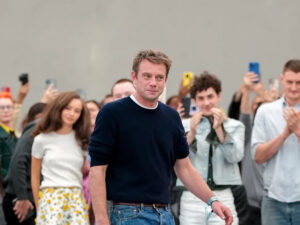

For Julie Wang, fashion isn’t just about dressing the body, it’s about unearthing who we are. Through her brand JUULIE JUULIE, the Parsons designer approaches fashion as a form of excavation. It becomes a tool for questioning identity, revisiting history, and telling deeply personal stories through clothing. Her guiding philosophy, what she calls a “new archaeology of fashion”, treats garments as artifacts and archives as active sites of meaning.
“To me, ‘archaeology’ is not just about looking back at history,” she explains. “It’s about dissociating from the symbolic meanings of certain elements. Archives are documents of past lives that offer answers to our current identities”.
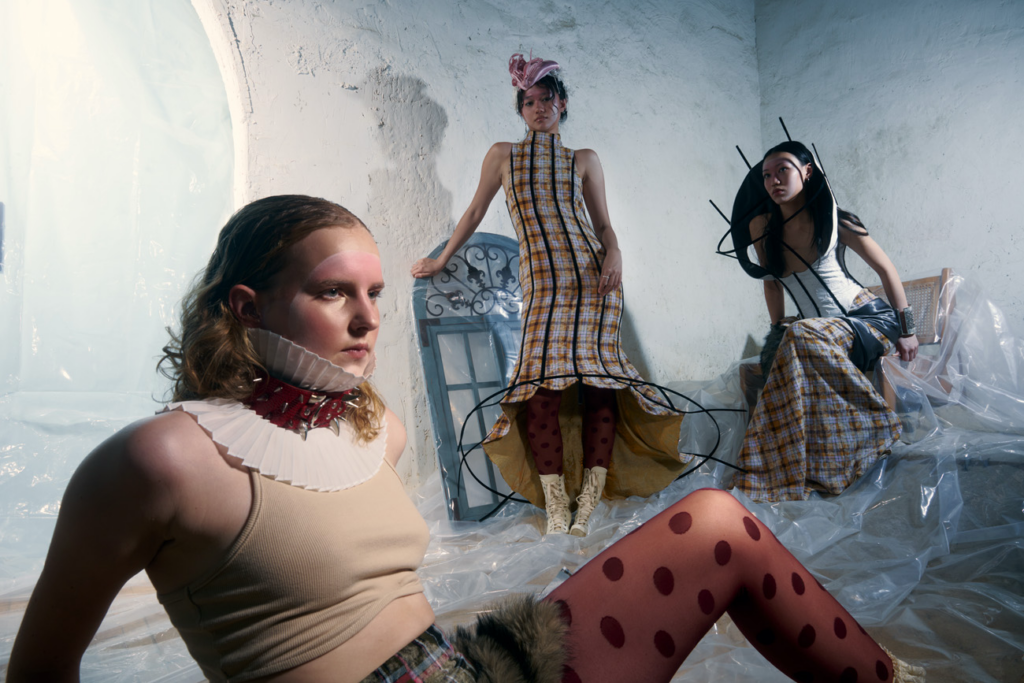
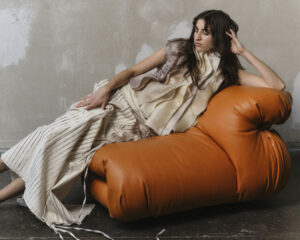
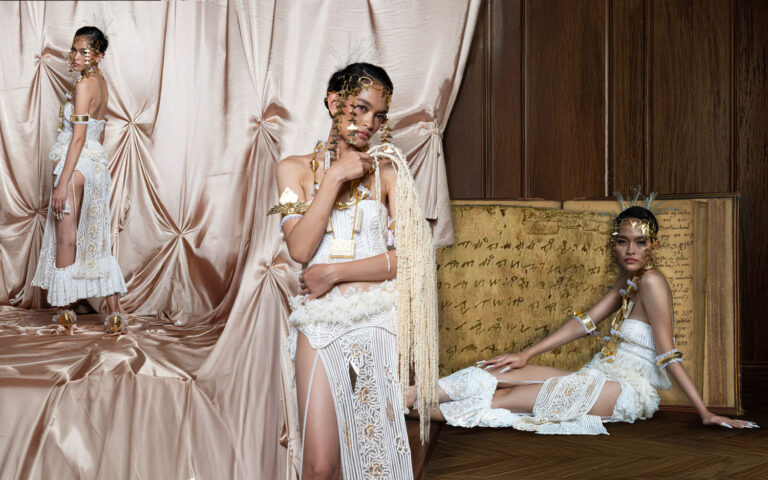
This perspective comes to life in Julie’s debut collection, Orlando. Inspired by Sally Potter’s film adaptation of Virginia Woolf’s novel, the collection explores the journey of a character who moves fluidly through time, gender, and culture. As Julie puts it, “Orlando became a mirror for the brand itself, a reflection of fluid identity and the freedom to exist beyond boundaries”.
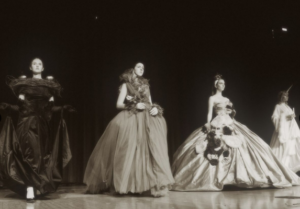
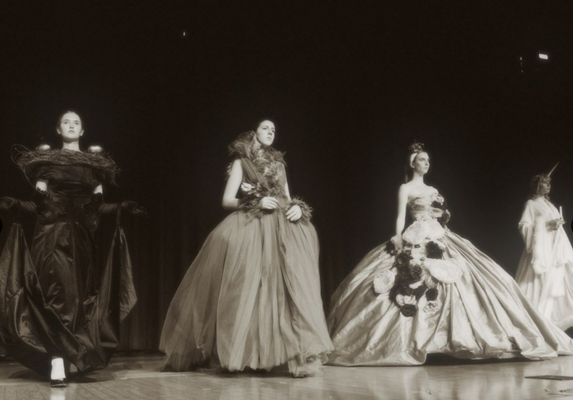
Accordingly, that sense of freedom shaped every step of the creative process. Julie began with extensive research into European historical dress, particularly from the Elizabethan and Victorian periods. She focused on silhouettes, fabrics, and layering, all elements rich with social and cultural symbolism. However, instead of replicating the past, she chose to reinterpret it. “I reimagined these details by blending them with modern forms,” she says. “It’s a fusion of past and present”.
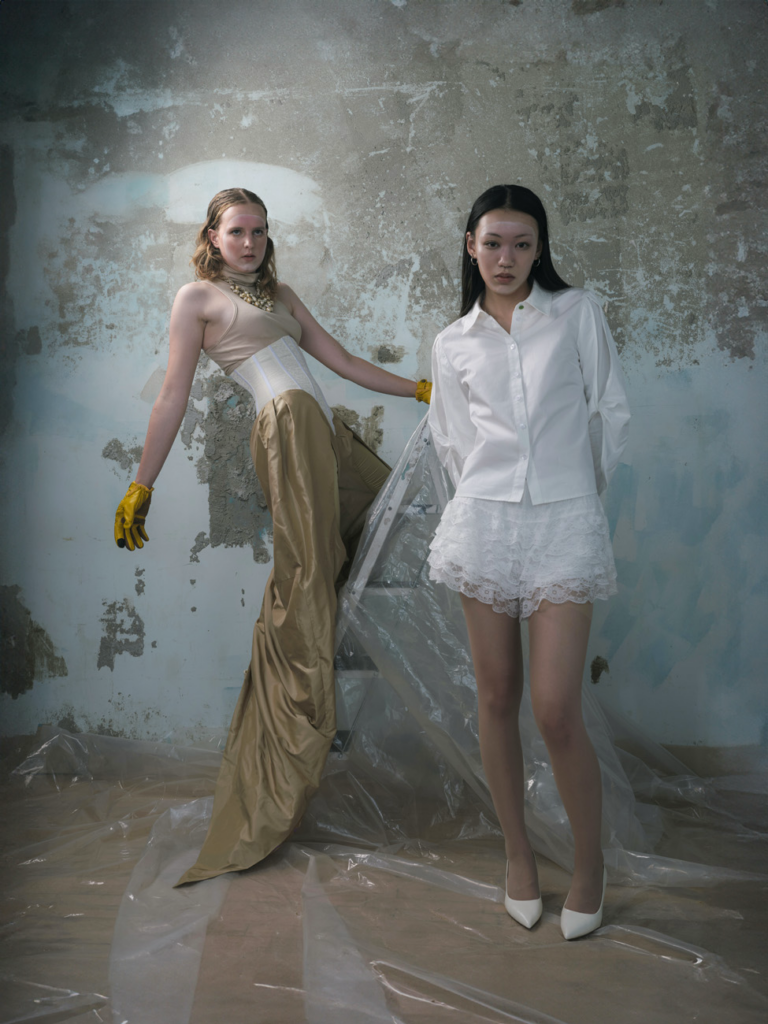
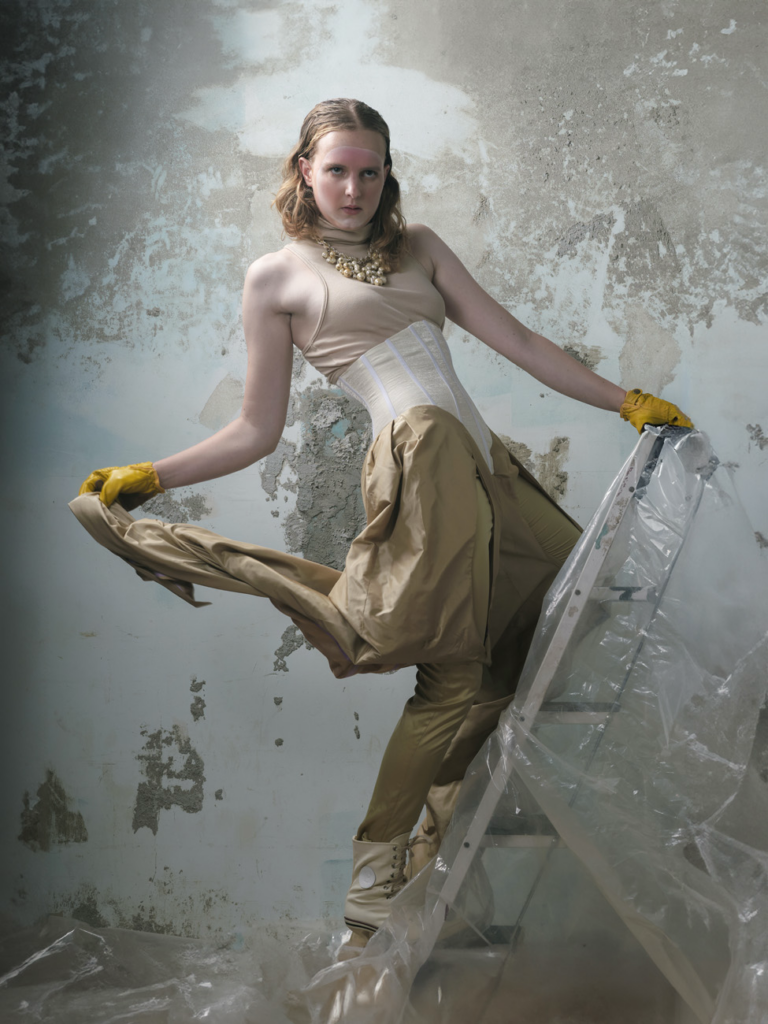
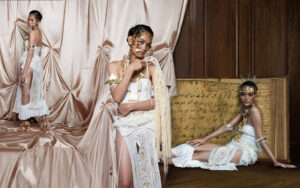
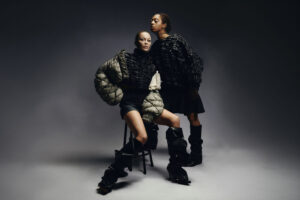
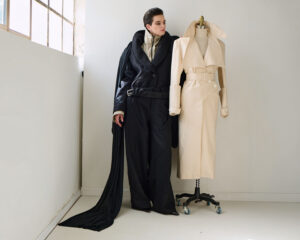
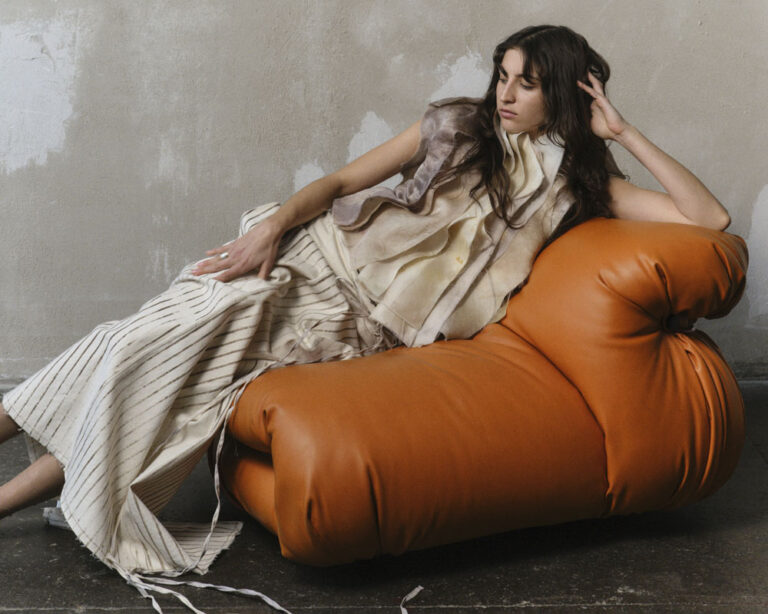
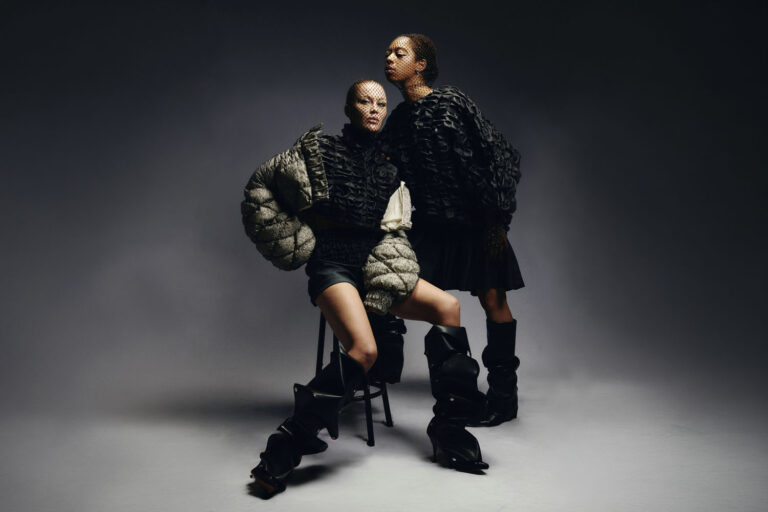
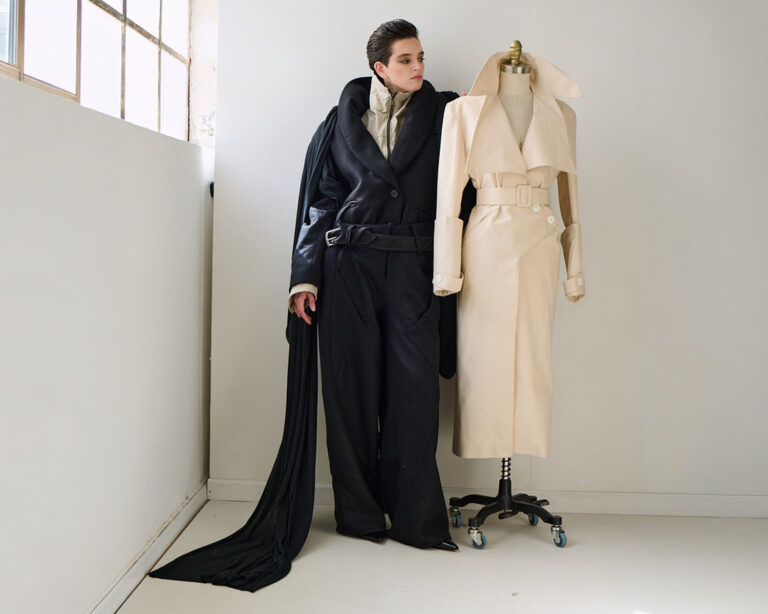
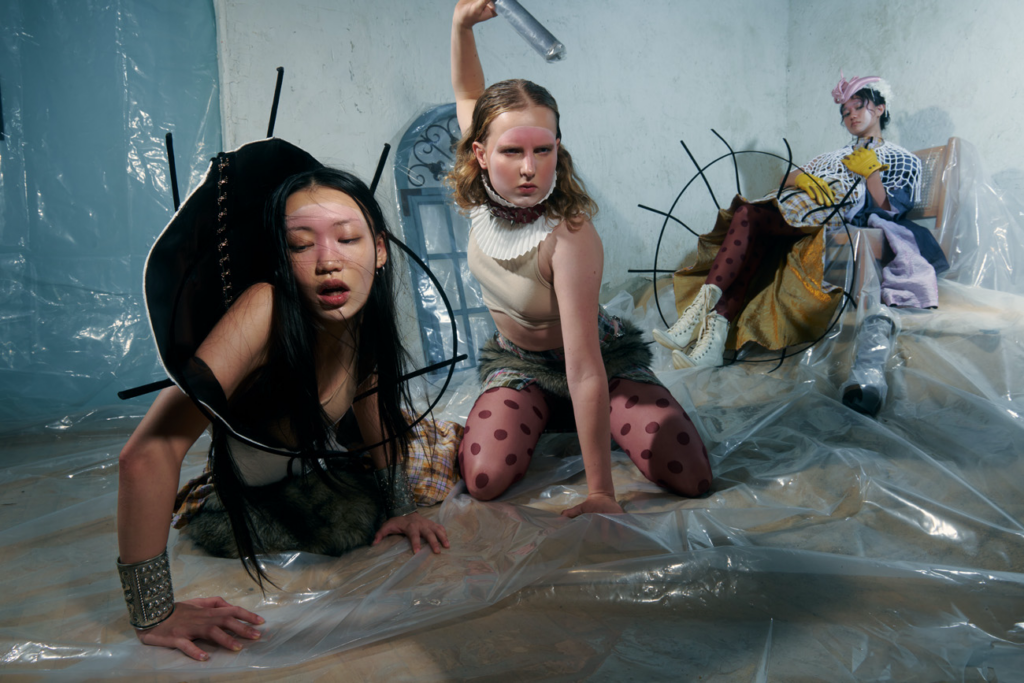
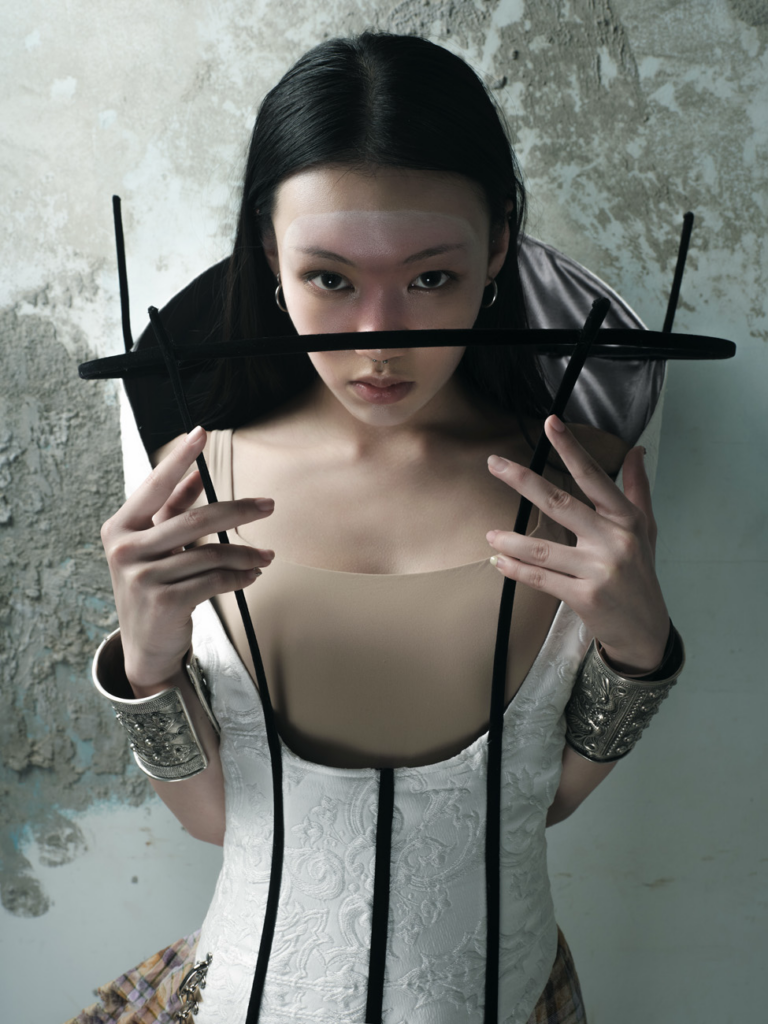
As a result, the collection straddles two worlds: one rooted in narrative fantasy, the other grounded in contemporary fashion. The editorial looks are bold and theatrical, representing distinct stages of Orlando’s transformation. Meanwhile, the Ready-to-Wear pieces distill historical motifs into clean, wearable forms. “I wanted to pack as much information into each piece without overwhelming the viewer,” Julie notes. “The collection isn’t just a mood board. It’s a narrative”.
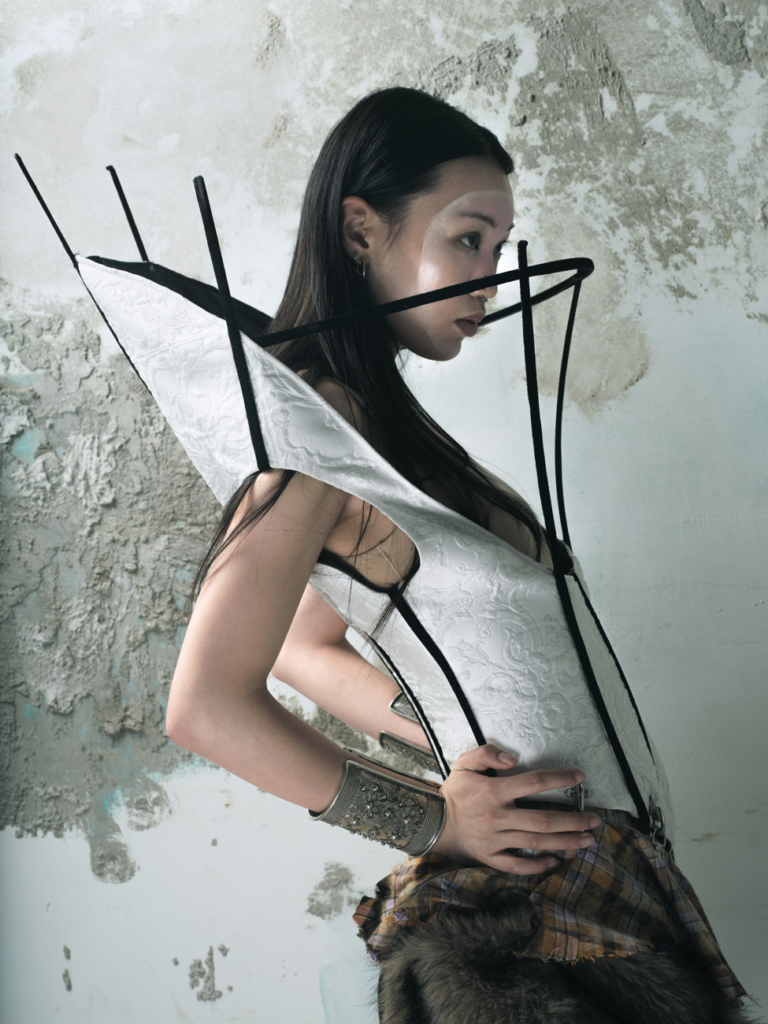
Moreover, several details stand out as signature touches. One is the visible boning, a structural technique once hidden inside garments, especially in women’s fashion. Julie chose to expose it, giving the clothes a sculptural, statue-like feel. Another is the use of a worn, dusty-looking plaid. This fabric evokes the texture of something unearthed, a metaphor for how we engage with history today. “It adds to the archaeological atmosphere,” she says. “It symbolizes how we interact with the past and bring it into the present”.
In terms of process, Julie’s approach is rooted in both research and intuition. She often begins with text-based study, allowing space for imagination before she starts designing. During her research, however, one realization stood out: most historical records focus on the elite. “It surprised me,” she says. “Ordinary people are part of history too, but their stories are rarely documented. That’s something I want to explore more in the future”.
Although Orlando takes place in a distinctly European context, Julie’s work also reflects her personal journey. Moving to New York and navigating the complexities of cross-cultural and gender identities has shaped how she sees the role of fashion. “While Orlando is not directly about me, I relate to the themes of transition and exploration,” she shares. “JUULIE JUULIE reflects my identity as a human, someone facing the anxieties and uncertainty of the present”.
Importantly, her view of history is not nostalgic. Rather than glorifying or erasing the past, she chooses to honor its complexity. “I want to preserve the strength of humanity’s journey,” she explains. “We’ve survived, we’ve learned, and that matters”.
Ultimately, JUULIE JUULIE is more than a brand. It’s a call to look backward so we can move forward. “I want people to feel a connection to the past,” Julie says. “Not as passive viewers, but as active participants in its ongoing story”.
Through her meticulous process and poetic vision, Julie Wang reminds us that fashion isn’t just about what we wear, it’s about what we uncover.