
When Hongshan Feng stumbled across a fallen bird in a neglected flower bed on her walk home, she didn’t expect it to change her life. The bird lay quietly among artificial garbage and decaying flowers, slowly returning to the soil. “It was a moment of devastation, but also revelation,” she remembers. “It made me question how fragility and resilience coexist, not just in nature but also in people.”
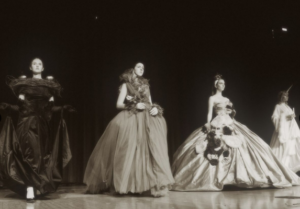
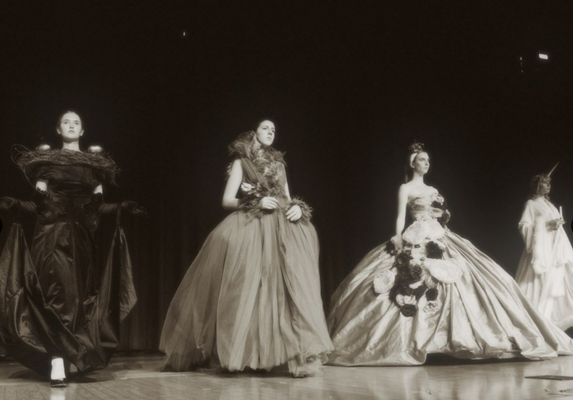
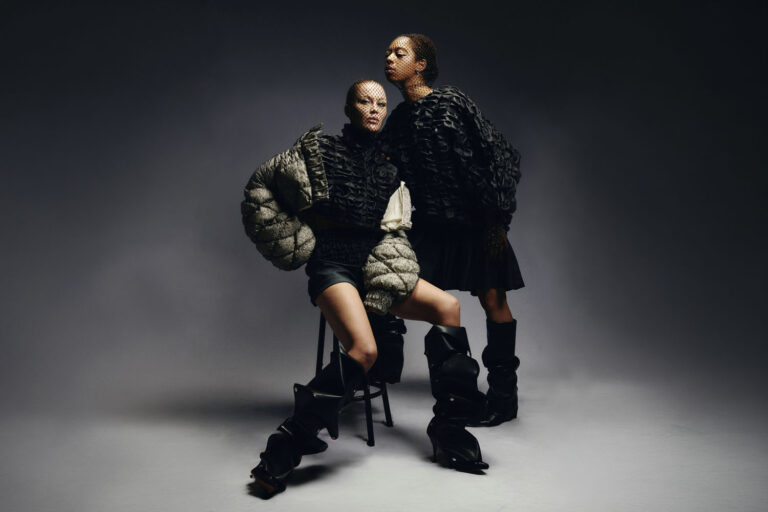
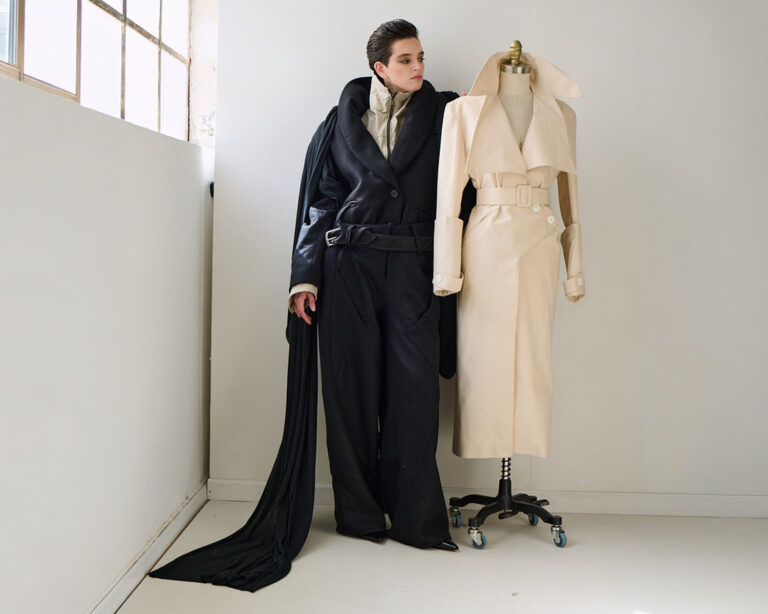
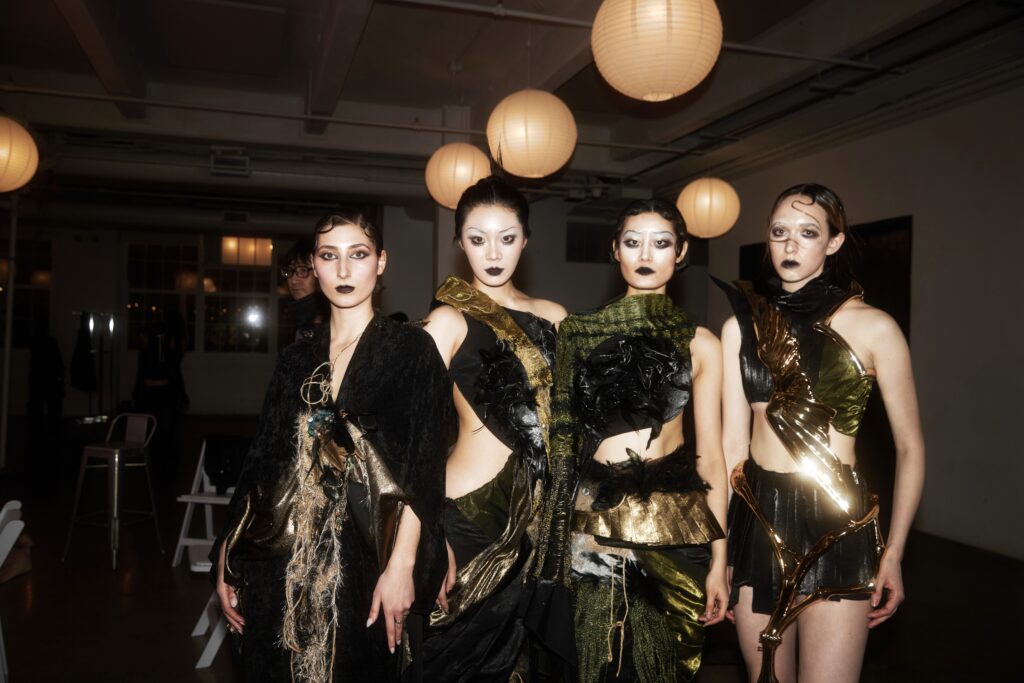
That unexpected encounter became the seed of her debut fashion collection, Garden Birds: To Rot is to Perceive, presented recently at New York Fashion Week. It’s not exactly typical inspiration for high fashion, there’s nothing glamorous about decay. But for Hongshan, the lifeless bird resonated deeply, symbolizing a broader struggle she’d been feeling her whole life.
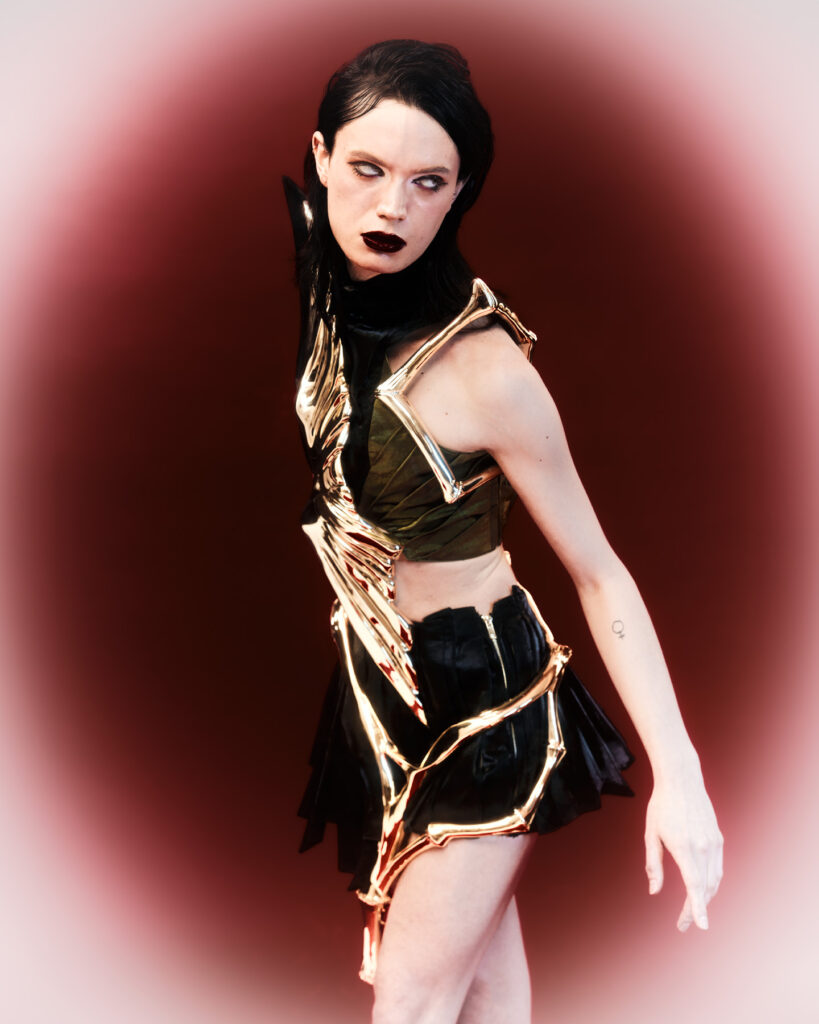
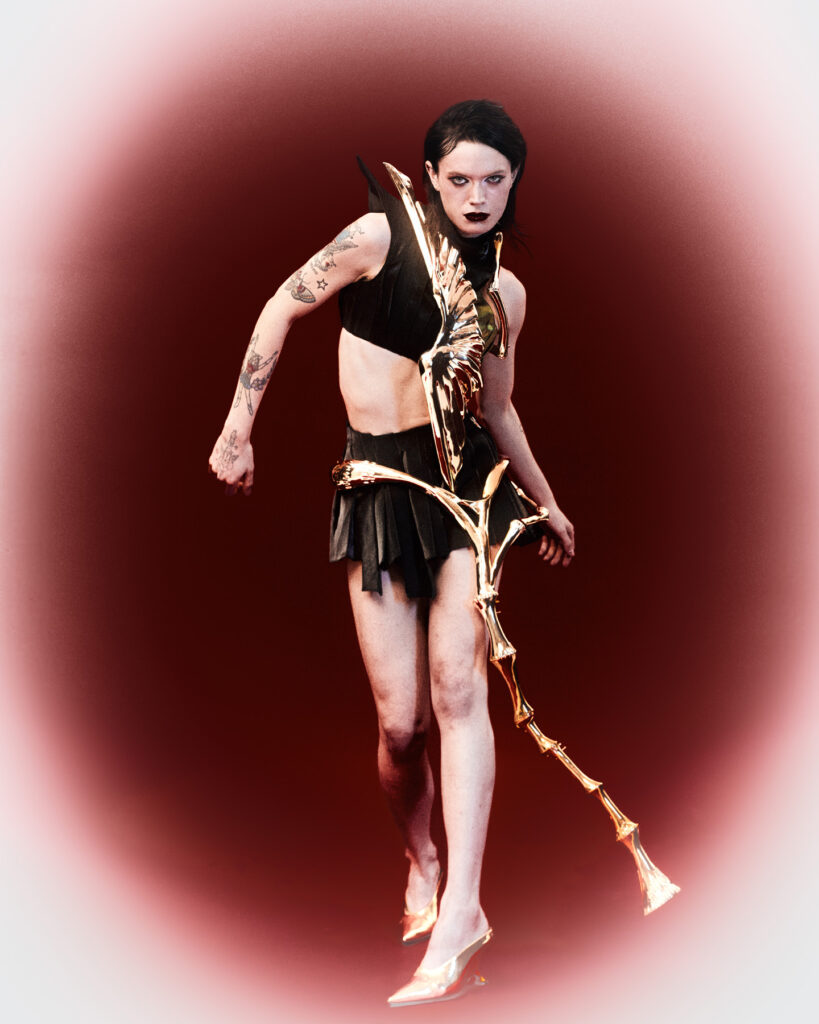
“Birds are creatures suspended between worlds, earth and sky, freedom and captivity,” Hongshan explains. “Traditionally, they symbolize grace and beauty, but also fragility and silence. The lifeless bird I encountered felt like a metaphor for women throughout history, ornamental, caged, existing in silence. But instead of mourning the bird’s death, I saw a possibility for release and transformation.”
This shift in perspective brought new meaning to Hongshan’s creative process. Before the bird, fashion had seemed superficial, and at times, meaningless. “I saw many designers putting things together like a collage of aesthetics, without meaning or logic behind their choices,” she admits. But that single, raw encounter made her realize she wanted something deeper from design. “It felt like opening a door into a deeper language where fashion could become a medium for truth and resistance.”
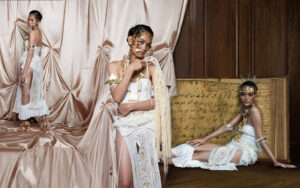
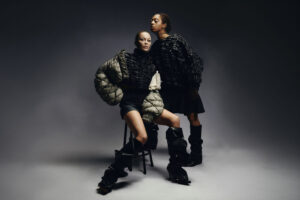
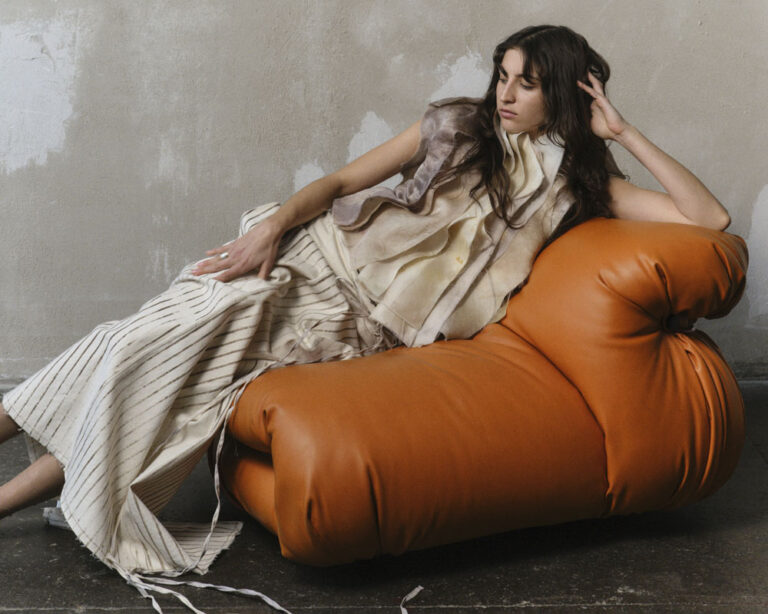
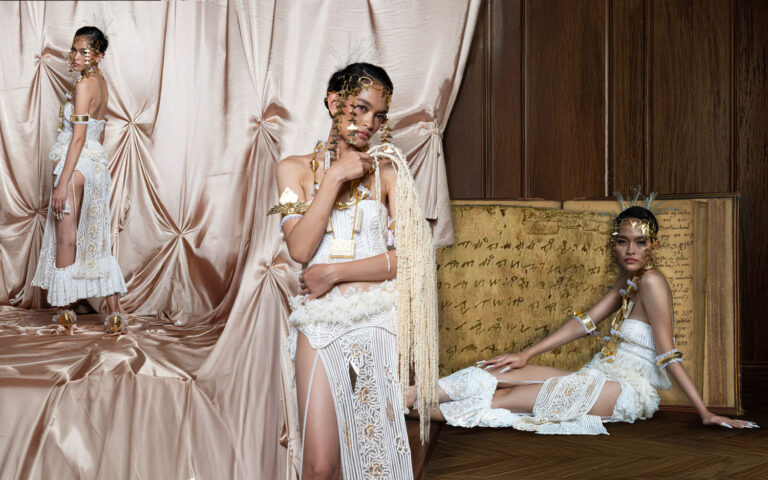
This newfound language is visible in every piece of her collection. Soft knits drape over rigid chain-like structures. Organic prints and delicate textures contrast sharply with industrial metal details. She describes her work as “soft sculpture, a wearable manifesto of resistance and rebirth.” Each garment embodies the tension between confinement and freedom, reflecting her own internal conflicts and those faced by women more broadly.
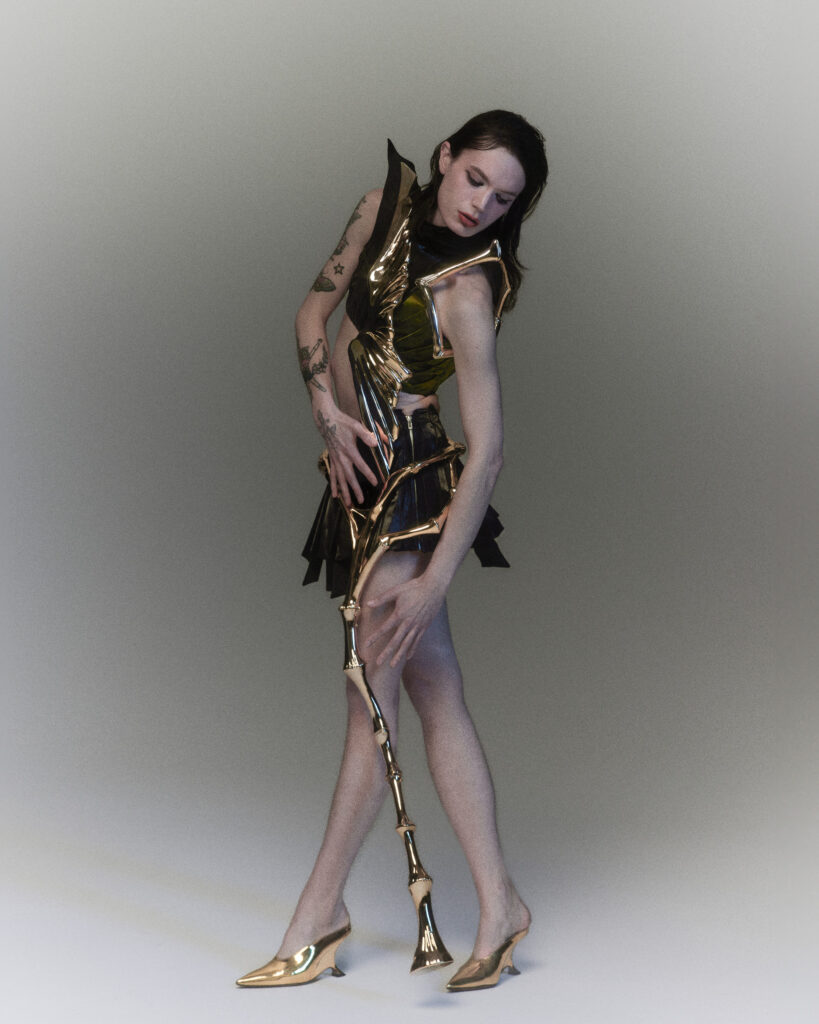
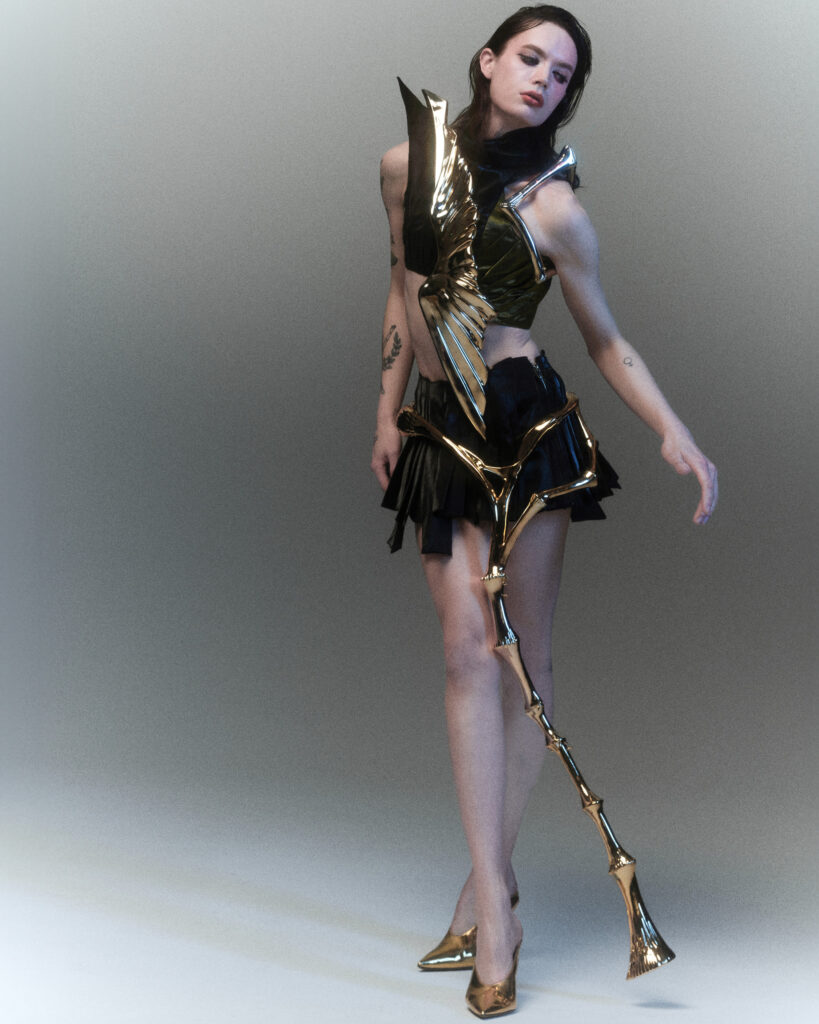
Creating this collection wasn’t just about fashion; it became a deeply personal journey for Hongshan. As a young woman growing up, she had always felt pressure to fit into predefined roles or aesthetics. “I thought of love and beauty as gifts, something bestowed upon me rather than something I could claim,” she says. But through this collection, those beliefs were challenged. “The bird’s symbolism made me question my own position, as a woman, as an artist, as someone caught between tradition and rebellion.”
This rebellion isn’t loud or aggressive; it’s quietly powerful. Hongshan doesn’t reject beauty; she redefines it. “Beauty used to mean perfection and harmony, a flawless surface,” she says thoughtfully. “Now, I see beauty in tension, in imperfection, in the raw and unexpected. It’s about life itself: fluctuating, breaking, healing, decaying, and growing anew.”
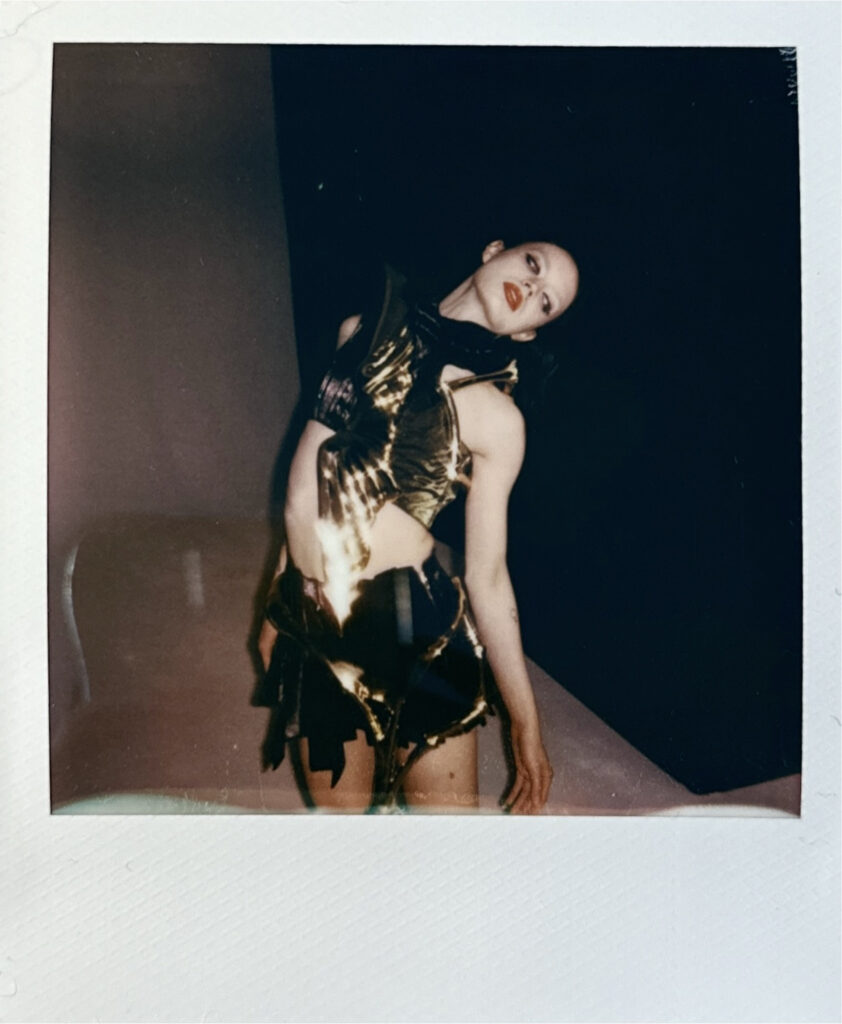
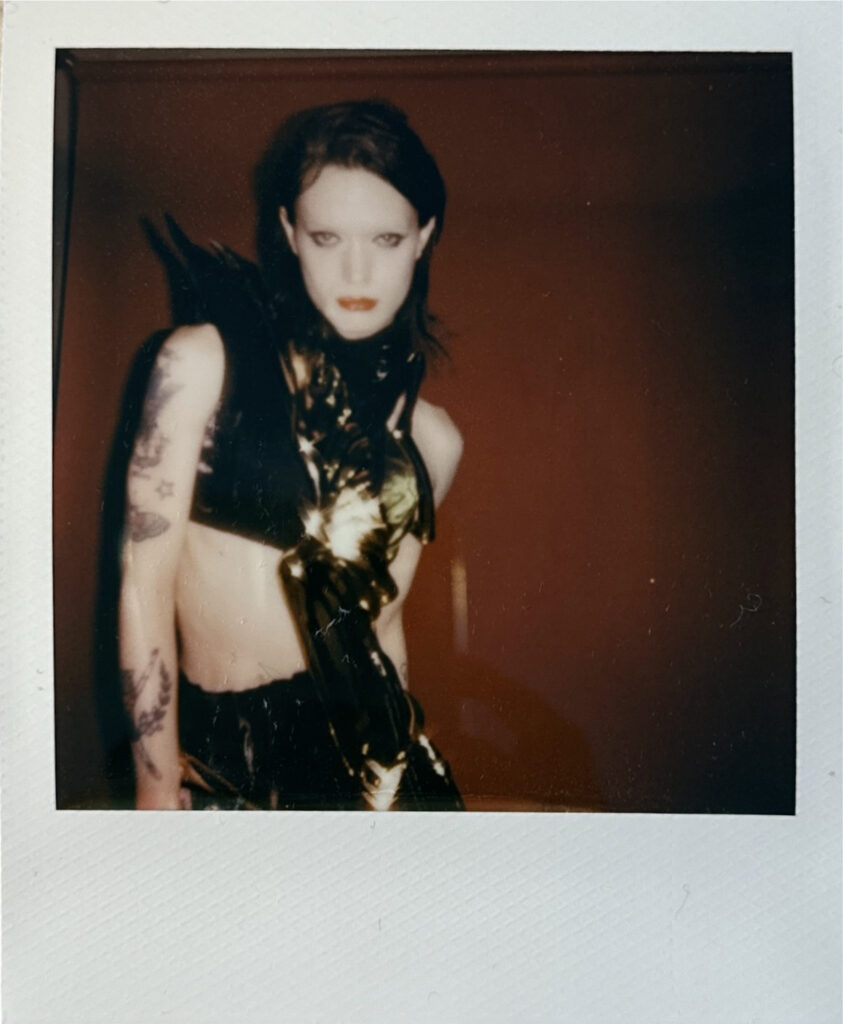
When she finally presented this deeply personal collection at New York Fashion Week, Hongshan approached the moment with openness, embracing the uncertainty of how audiences might respond. The reaction was overwhelming and emotional. “I was surprised by how many people connected with the themes, even if they didn’t share my cultural background. That affirmed for me that openness can build bridges between people. The bird has left the cage, and even with wounded wings, it flies.”
Now that her first collection has taken flight, Hongshan is ready to explore even deeper questions about freedom and identity. “Freedom, for me, is having the space to question everything, even my own traditions,” she says. “It’s being able to create without fear of external judgment. Freedom feels like flowing air, like threads floating in the air, like the possibility that even fragile things can still exist.”
Hongshan Feng’s garden bird reminds us that life’s most meaningful transformations often begin in quiet, unexpected moments. Even in the midst of decay, beauty and freedom can flourish, reminding us all that our own wings, no matter how wounded, are always strong enough to fly.