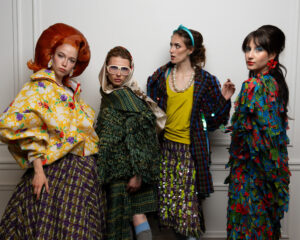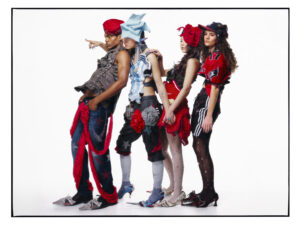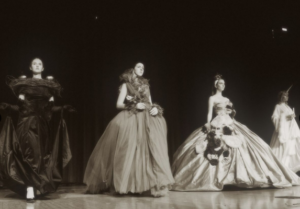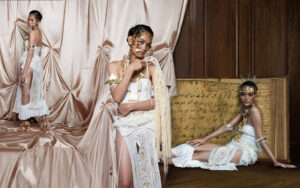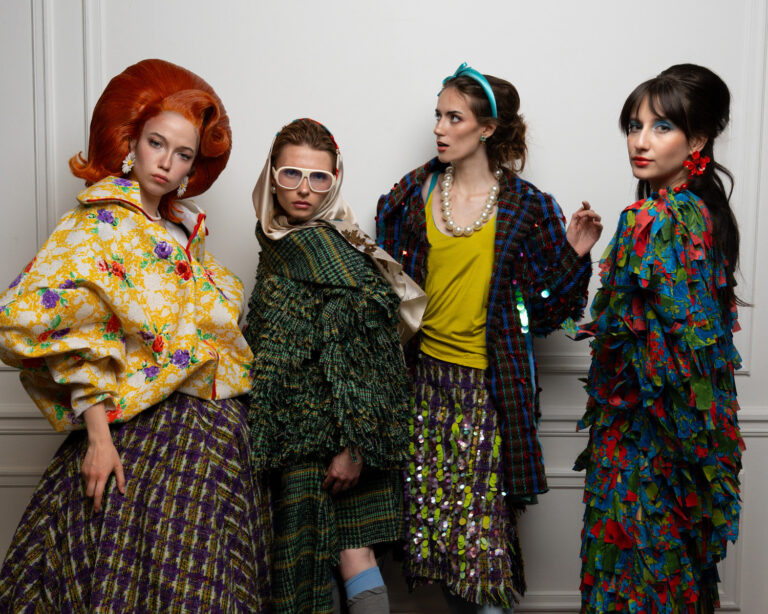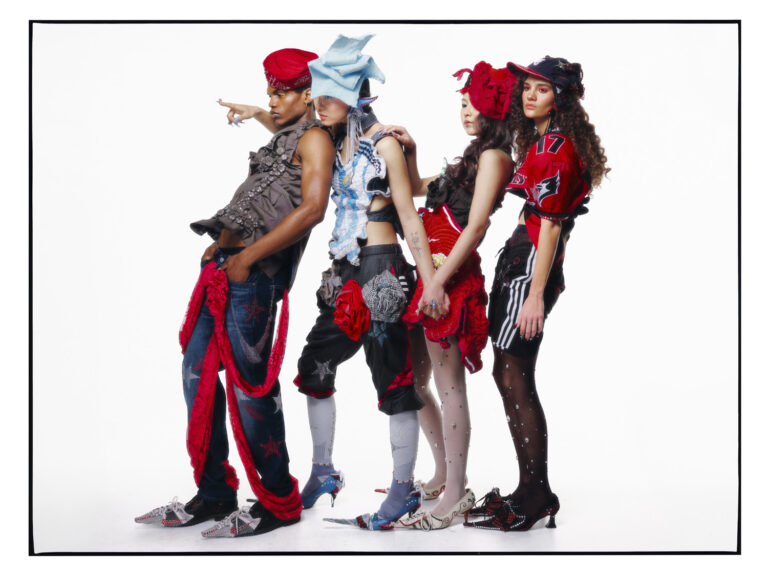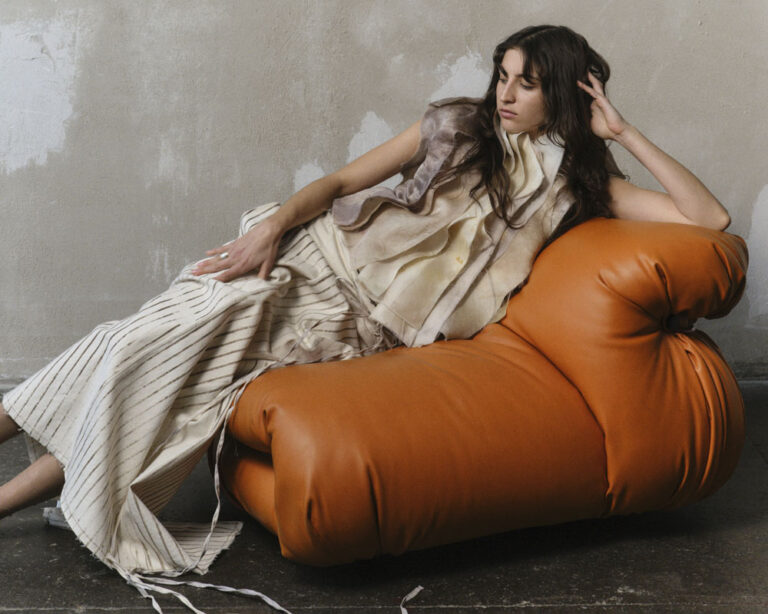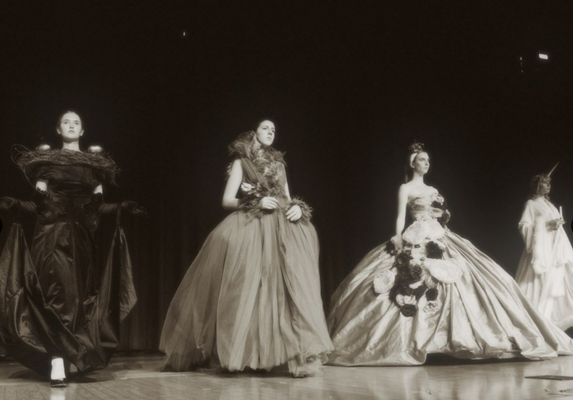
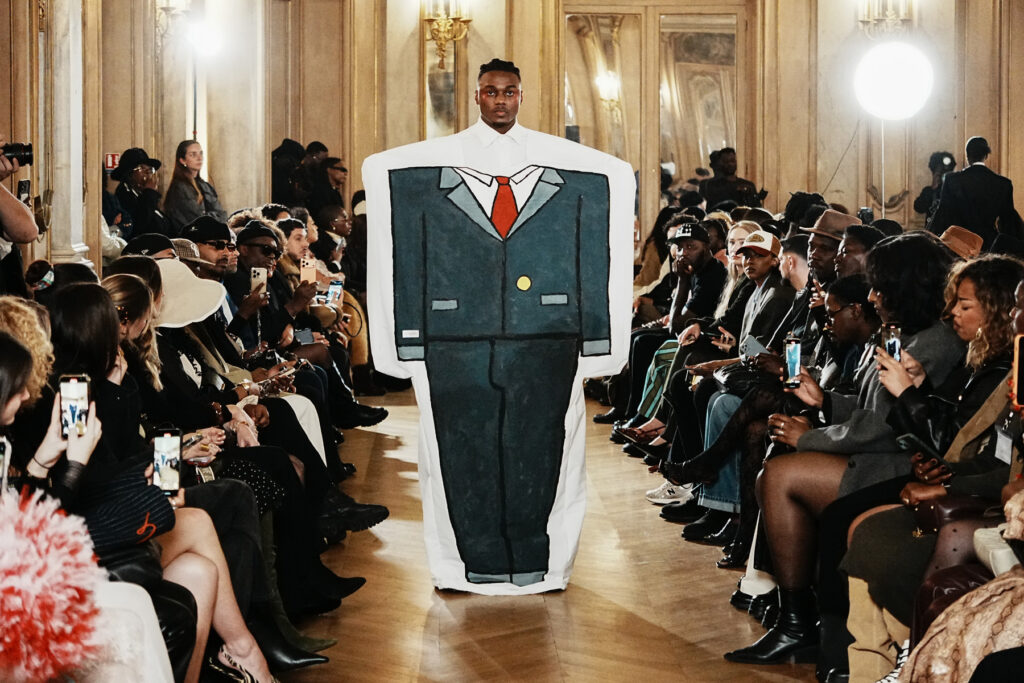

In the world of Parisian fashion, where heritage often dictates form, Maison Cosette Paris is writing its own story, one that blends memory with rebellion. Founded by Guy Bela alongside Hugo Nanga and Saory Giovanni,, the label reimagines couture as both deeply personal and quietly defiant.
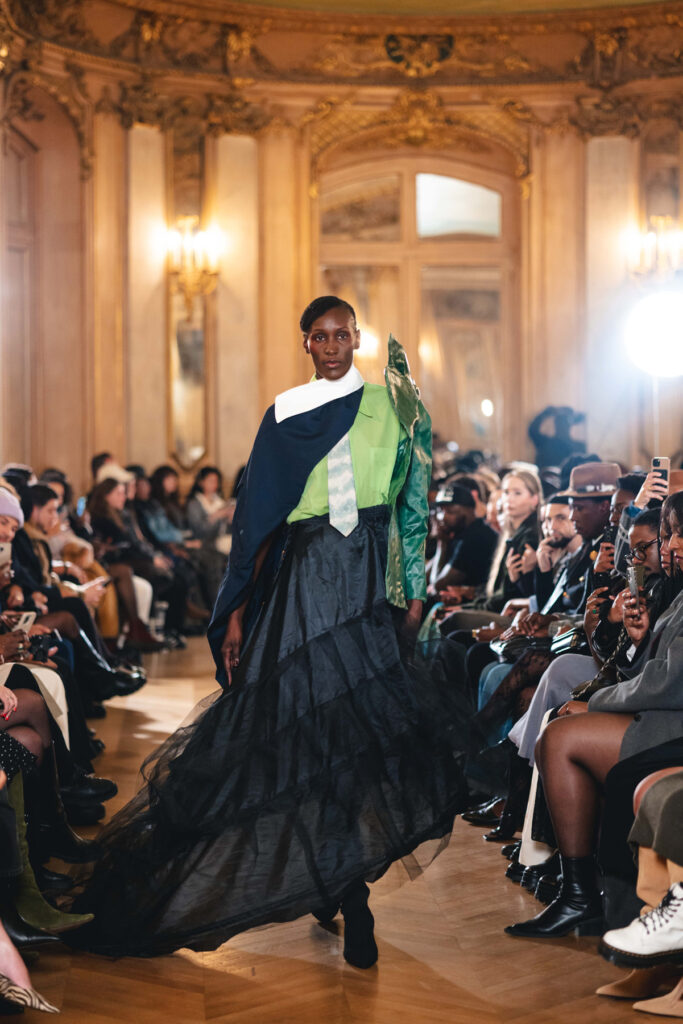
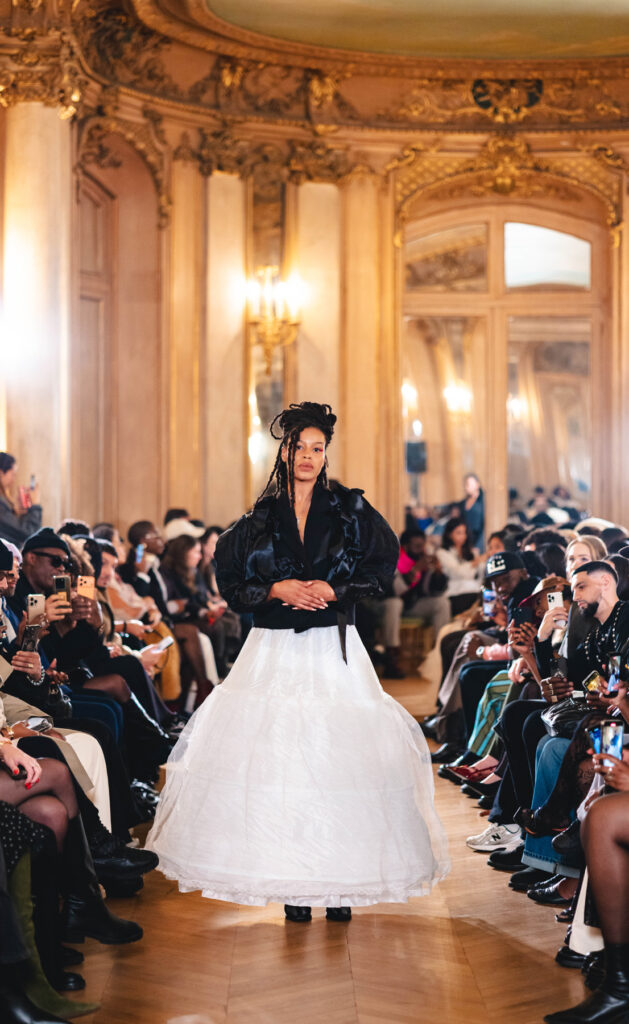
The name Cosette, long associated with hardship from Victor Hugo’s novel, takes on new meaning here. “Cosette represents transformation,” says Bela. “The ability to reclaim what’s been overlooked, and to turn vulnerability into beauty.” From this idea, Maison Cosette was born: a place where clothing becomes a language for resilience.
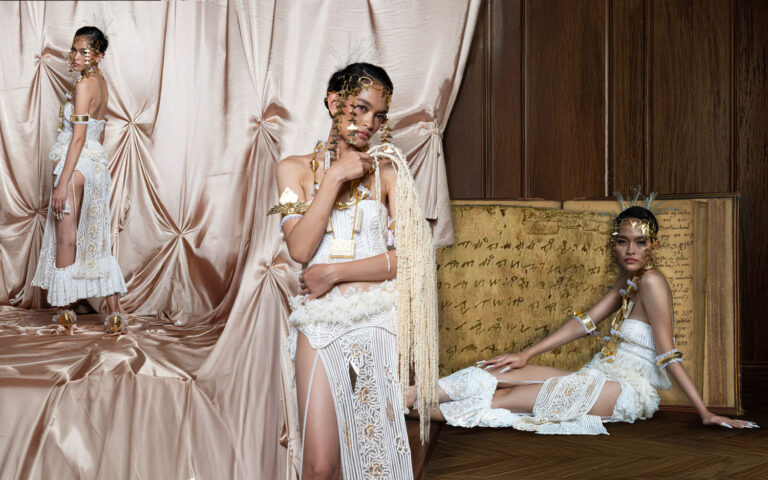
The brand’s latest collection, LIBRAE, reflects this philosophy in full. Released in late October, the capsule is more than just a series of garments, it’s a manifesto. Bela describes it as “a declaration of aesthetic independence,” shaped by the desire to find balance in a world defined by complexity.
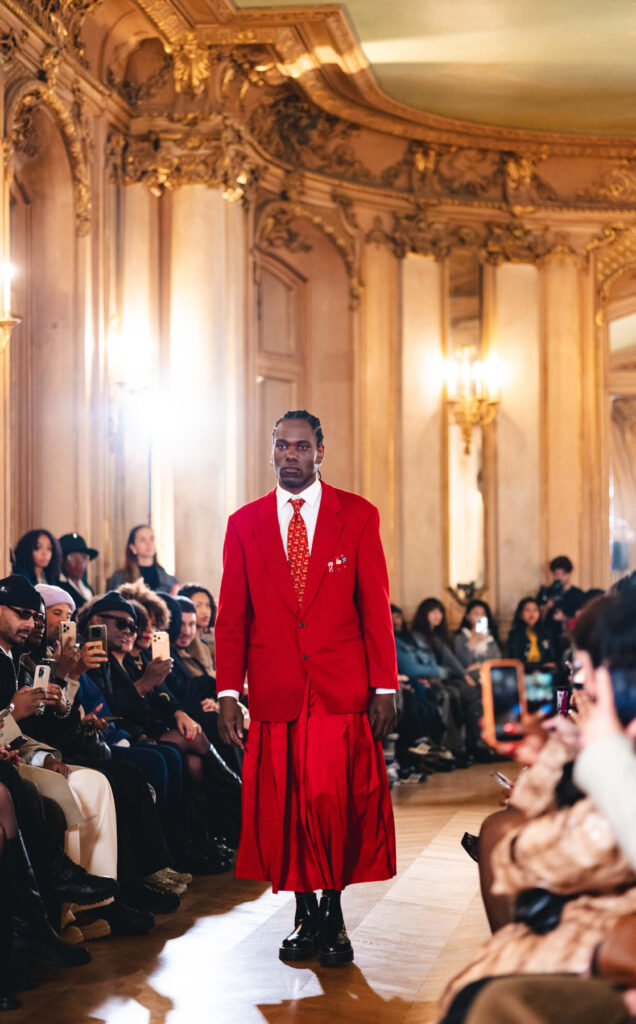
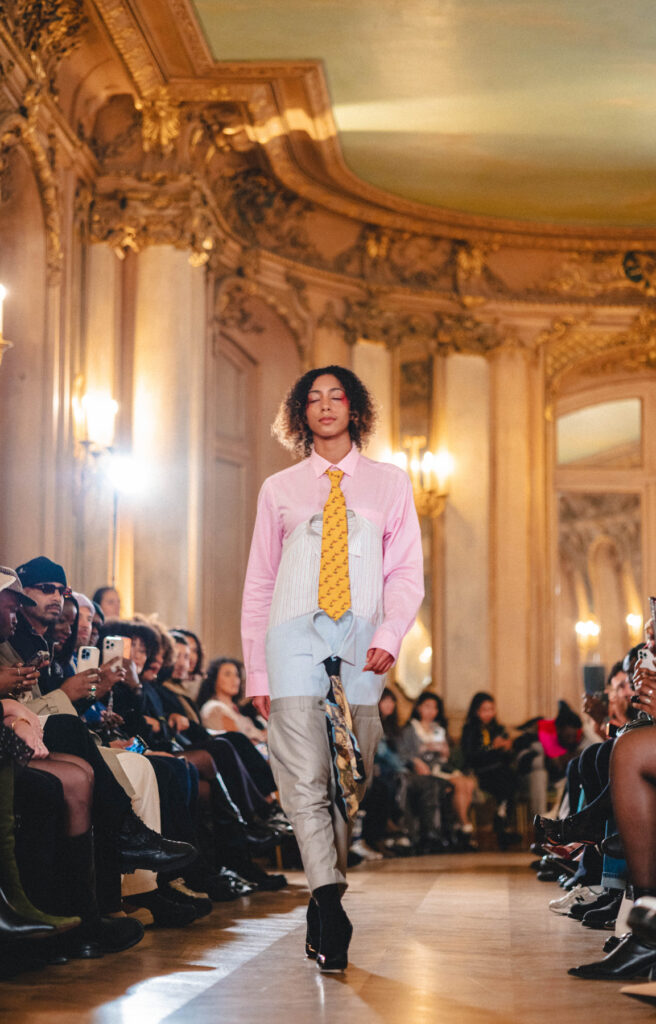
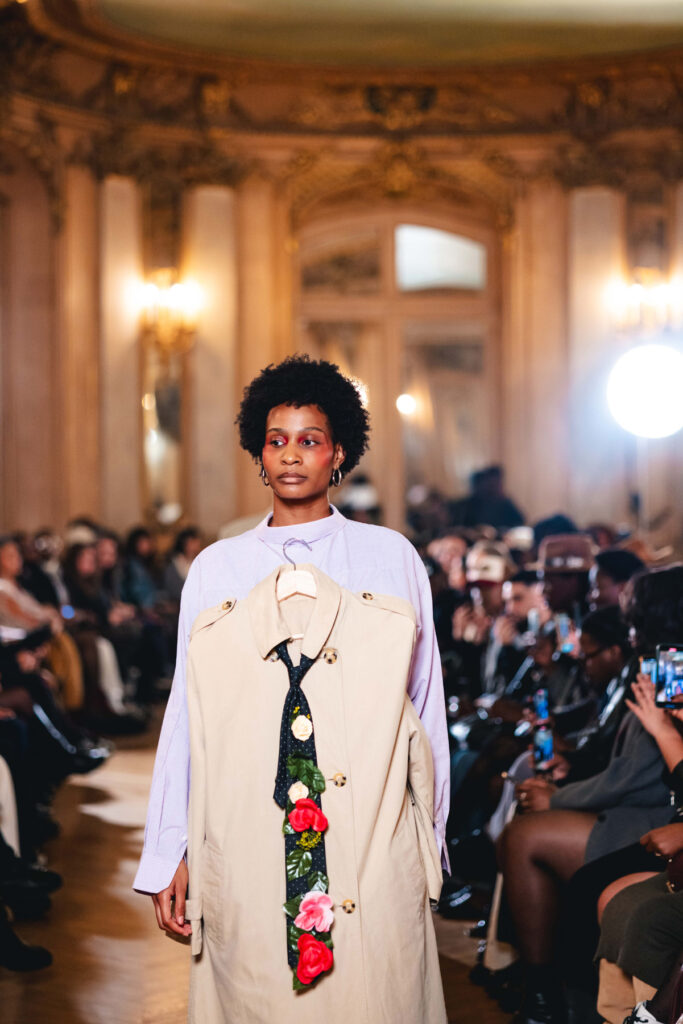
Rather than pursue symmetry, the collection embraces tension. Sharp tailoring is disrupted by raw edges; refined silhouettes emerge from salvaged materials. “We wanted to express freedom without arrogance,” Bela explains. “Just inner sincerity, a quiet confidence that comes from knowing who you are.”
Materials play a central role in the design process. Maison Cosette works with reclaimed fabrics, from deadstock haute couture textiles to vintage market finds. These are not blank canvases, they come with texture, history, and personality. “The fabric often speaks first,” says Bela. “Its resistance, its memory, its flaws, those guide the design.”
This commitment to upcycling is not simply an environmental gesture. It’s a creative philosophy. Every limitation pushes the team toward new forms. Unpredictable materials force them to rethink structure and sometimes invent new techniques. “Some of our best pieces began with mistakes,” Bela adds. “They reflect the freedom of working with what you have, and letting it evolve.”
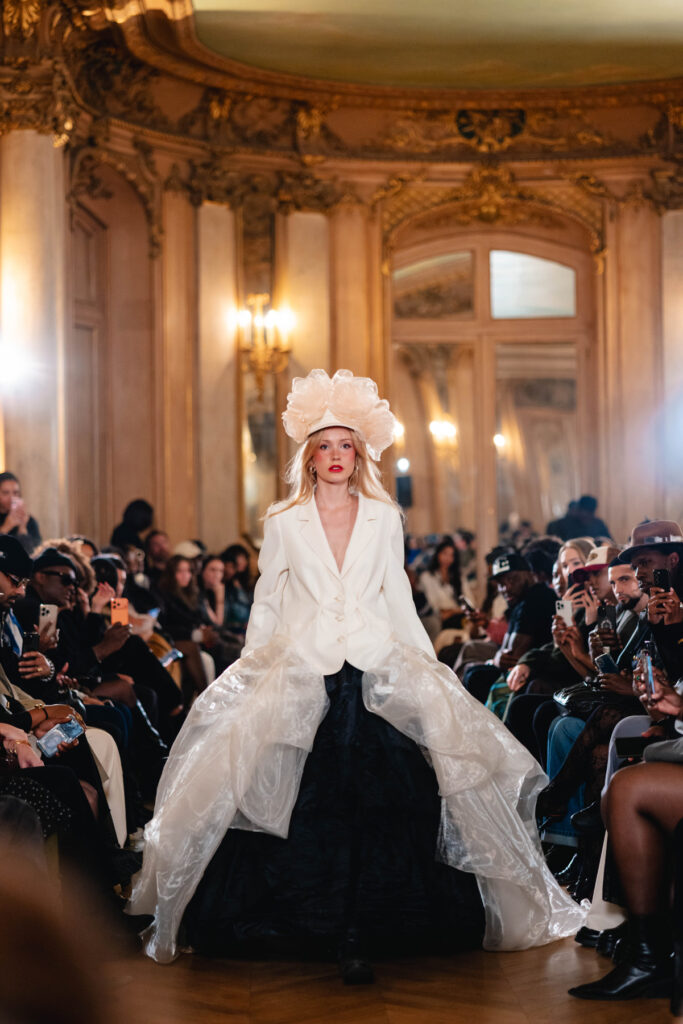
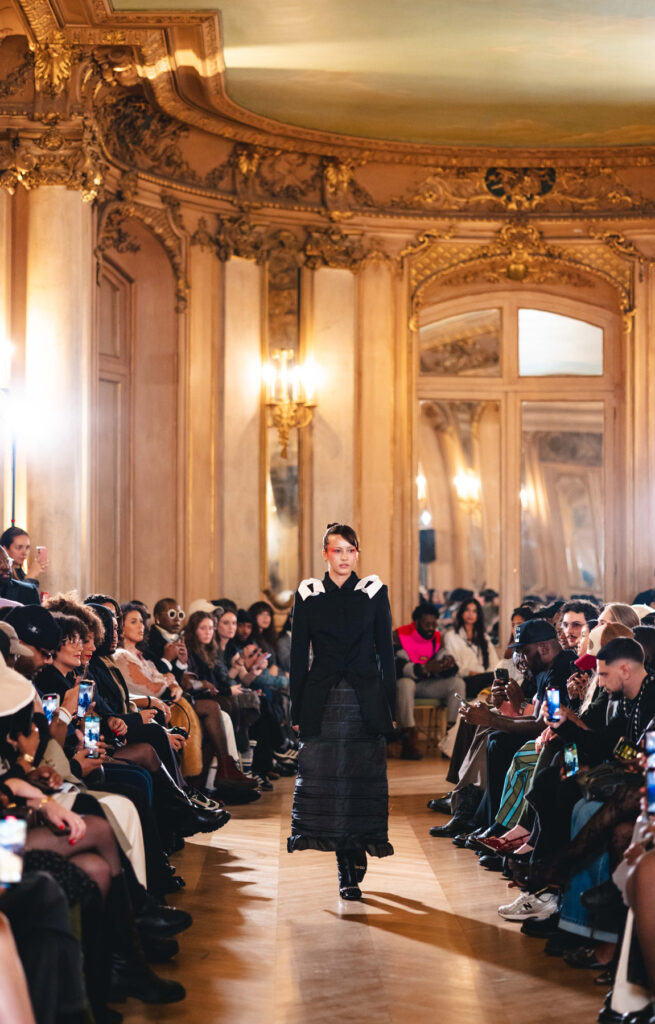
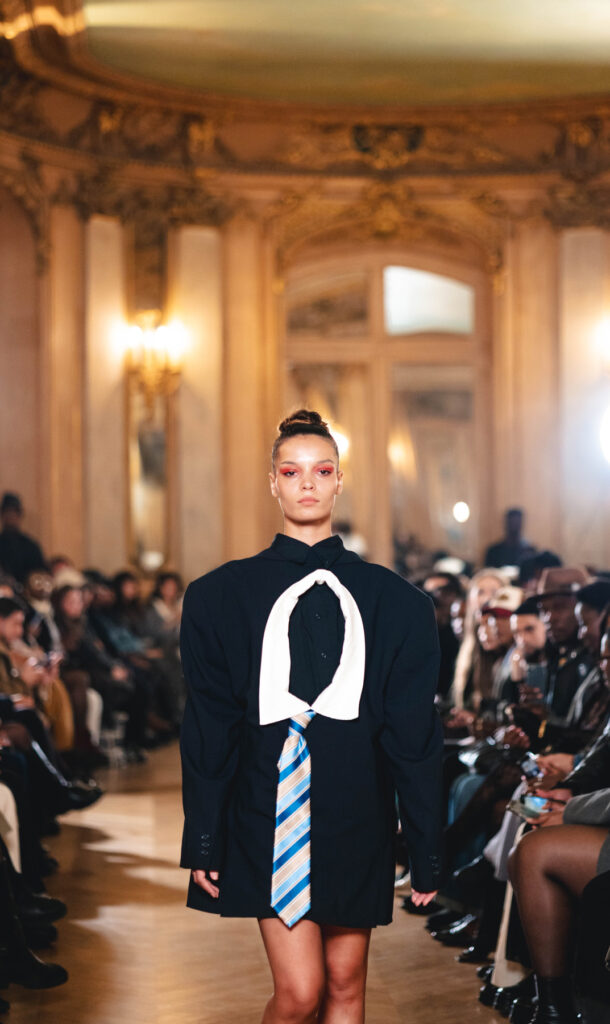
Many pieces in LIBRAE are anchored in intimate memories. One dress-and-blazer pairing draws inspiration from a childhood photograph of Bela’s parents dressed in ceremonial clothing. Its construction blends innocence and structure, pulling subtle influence from childhood games like Minecraft and Playmobil.
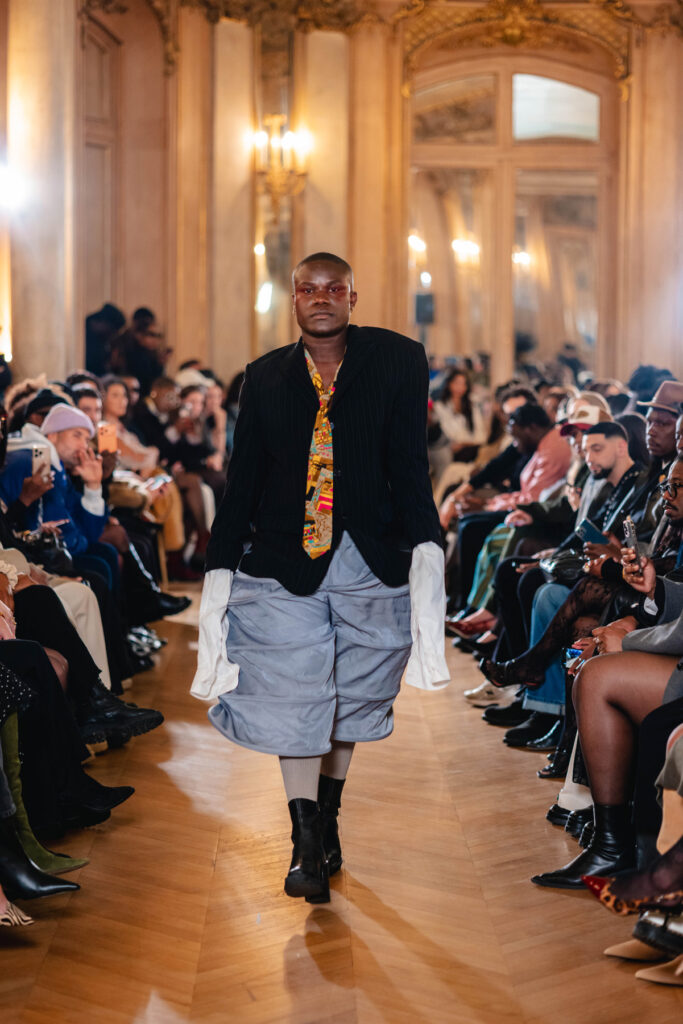
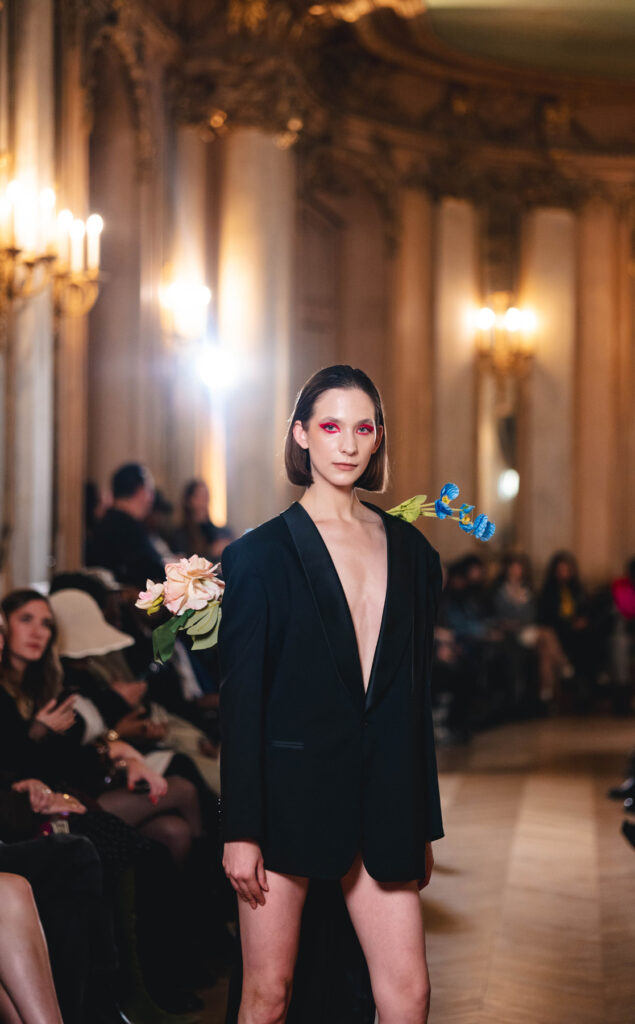
Another standout piece, the “blazer with pant as flower vase”, is a sculptural expression of fragility and form. With trousers reimagined as structural support, it blurs the line between clothing and object. Even moments of improvisation, like layering shirts over a blazer during a spontaneous fitting, have led to unexpected harmony. These garments carry not just form, but feeling.
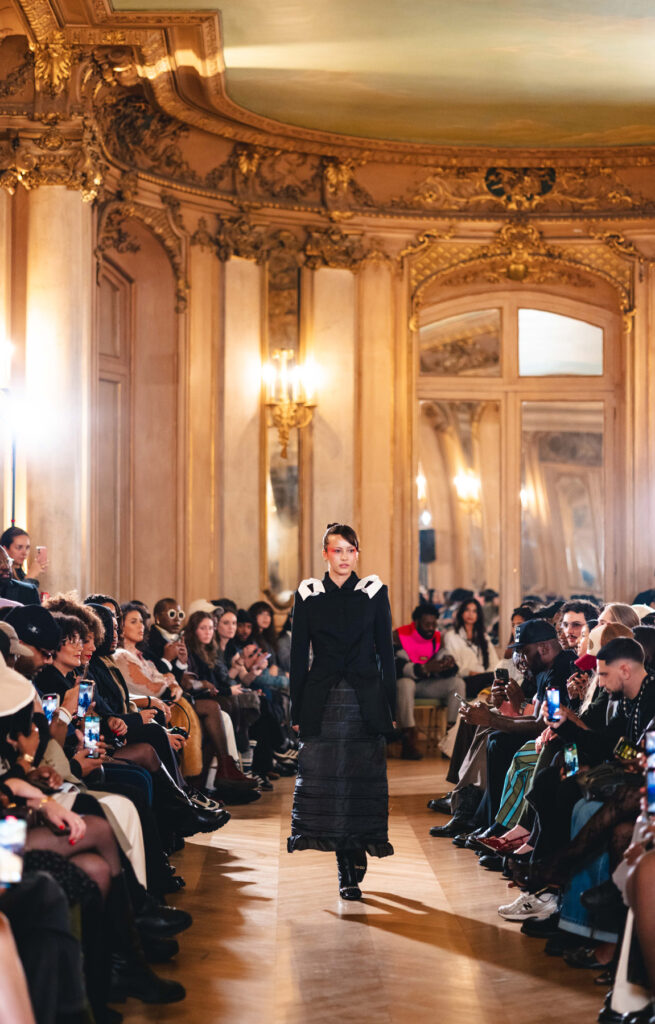
Maison Cosette also uses fashion to challenge existing narratives. Through LIBRAE, the team sought to present Africa not as a trope, but as a space of innovation. “Our Africa is contemporary, cosmopolitan, and forward-looking,” Bela states. “We’re not echoing tradition, we’re expanding it.” This perspective resists exoticism and positions African identity within the global avant-garde.
Beyond fabric choices, Maison Cosette’s sustainability ethos runs deep. For Bela, it’s not only about recycling but about respect, for time, people, and meaning. “Sustainability is an ethics of time,” he says. “It’s about creating garments that last emotionally, not just physically.”
Designing slowly and intentionally, the team hopes to reconnect fashion with care, both in process and impact. In their world, sustainability isn’t a checkbox; it’s a mindset that touches every layer of creation.
Looking ahead, Maison Cosette is set to expand its creative universe. Bela hints at collaborations with artists, writers, and musicians, voices that align with the brand’s values. Future projects will continue to blur boundaries: couture will meet technology, and tailoring will intersect with performance.
More than just a fashion house, Maison Cosette is evolving into a space for cultural reflection. “We want to challenge what a Maison can be,” Bela says. “Not just a brand, but a place of transformation.”