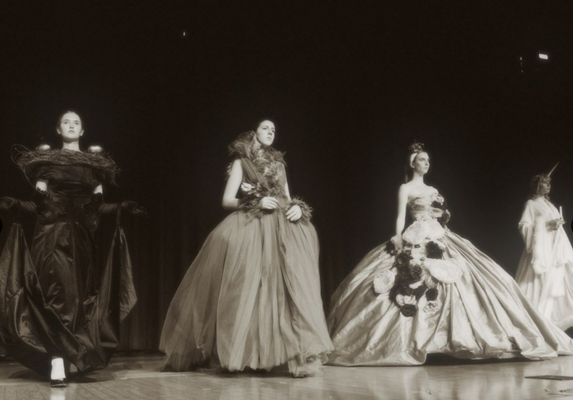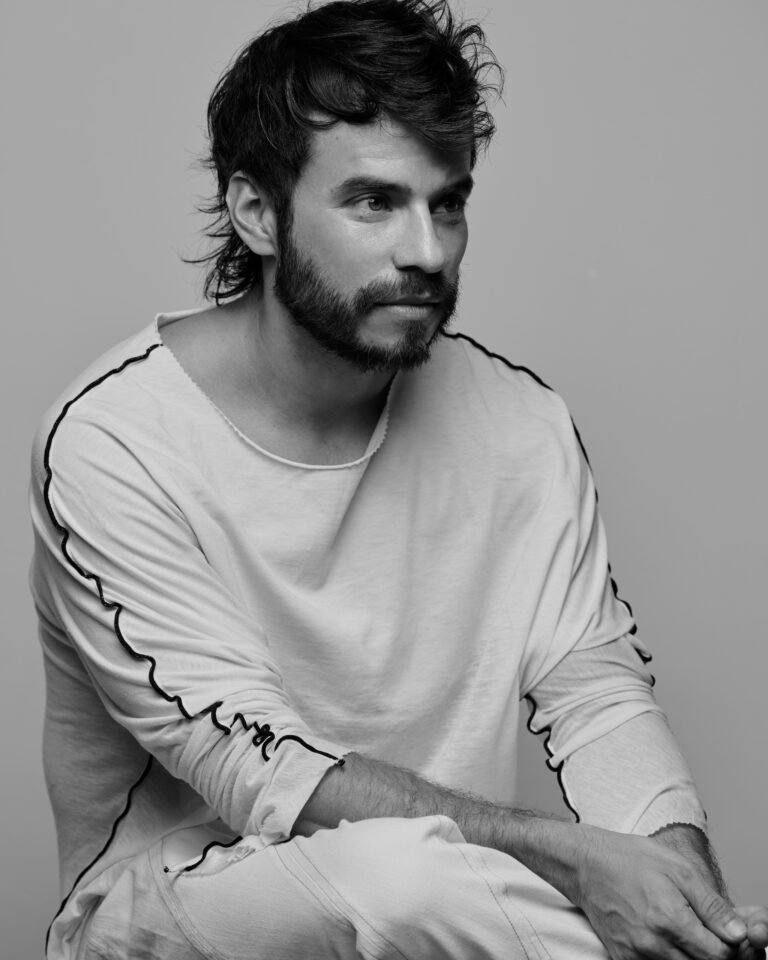

We often think a garment is at its best the moment we buy it. It is clean, untouched, and exactly as the designer intended. After that, every crease, stain, repair, or faded patch is often seen as a sign that something has been lost.
For Tianyun Lan, those changes tell the most interesting part of the story.
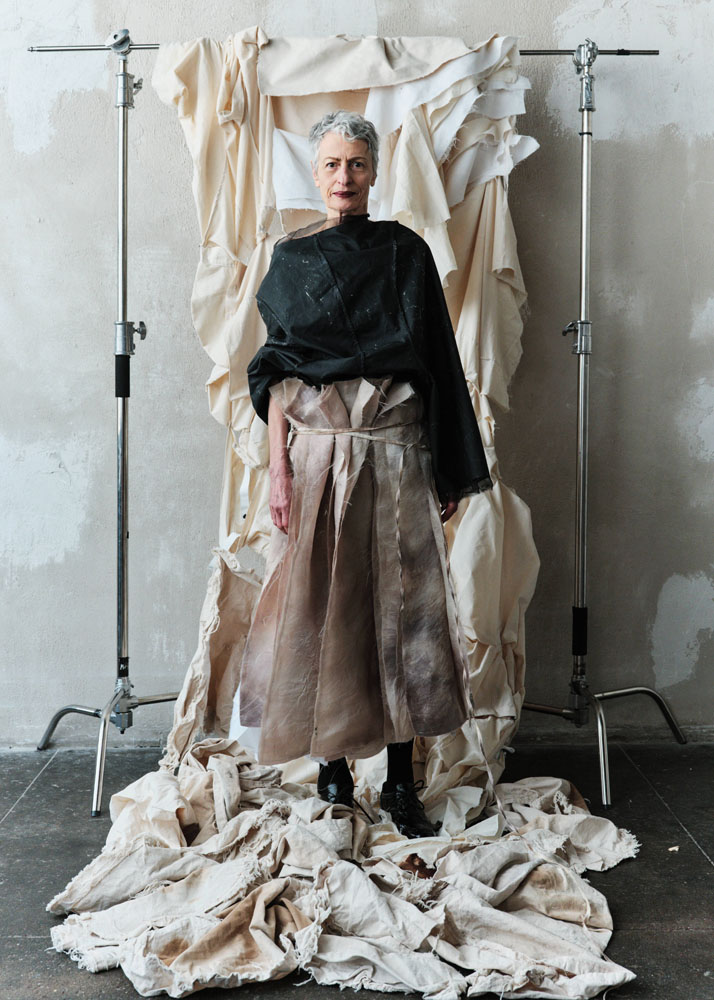
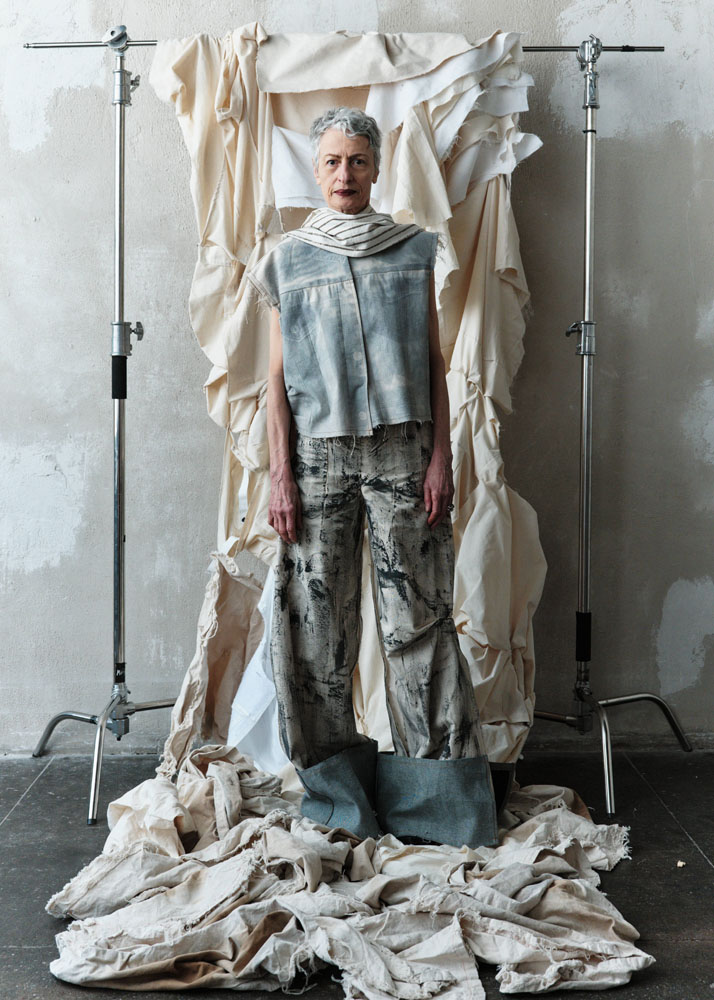
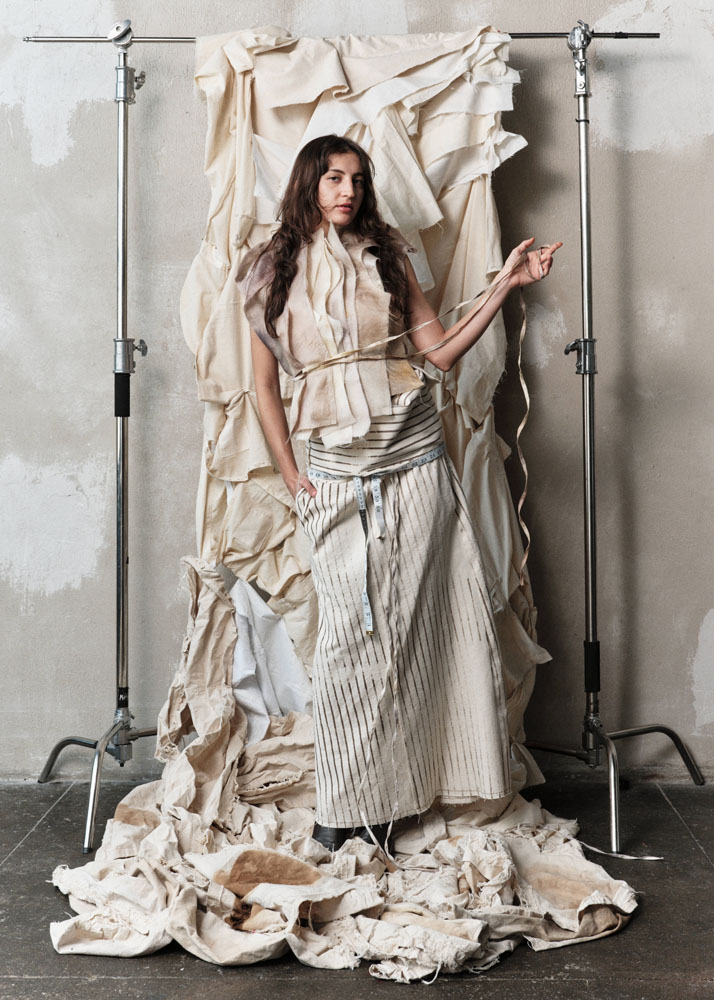
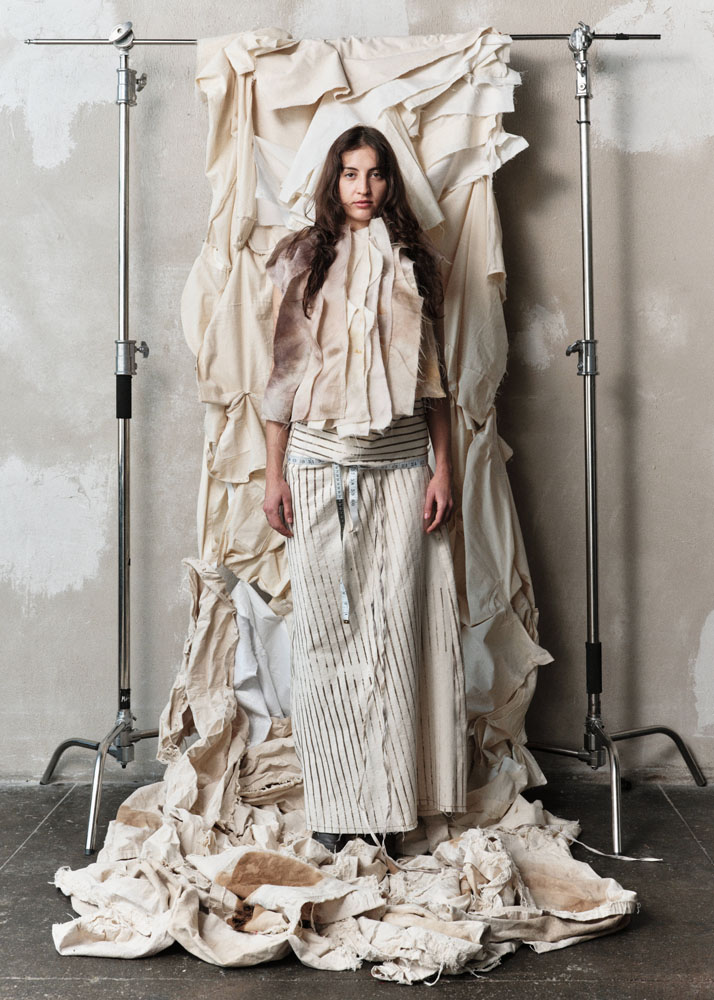
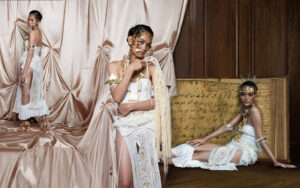
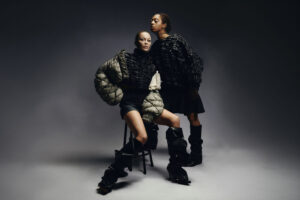
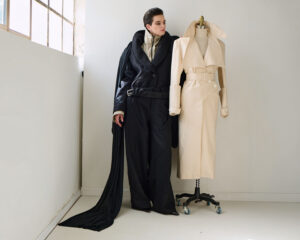
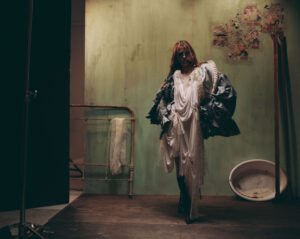
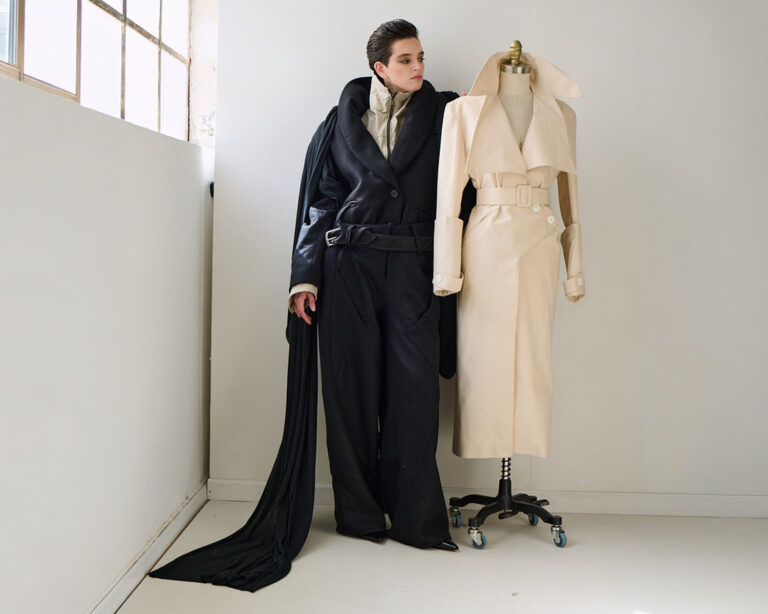
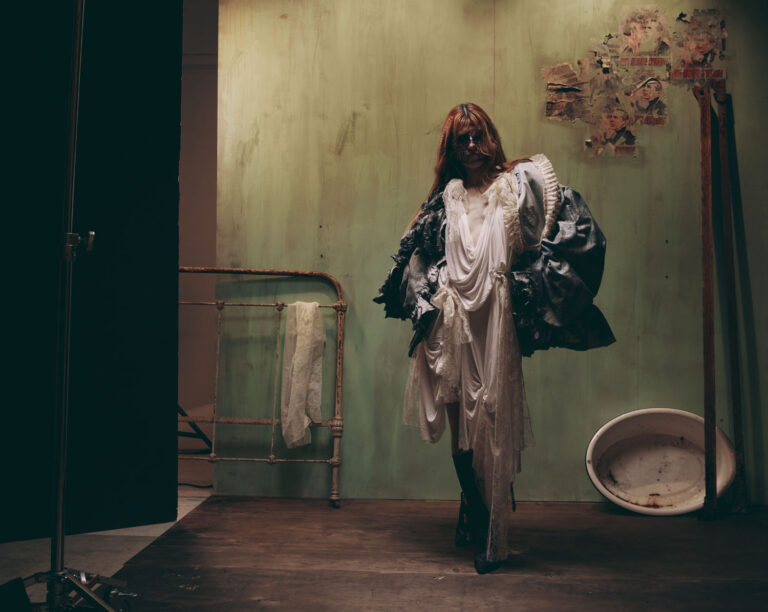
Their latest design collection, Impermanence, questions why fashion places so much value on perfection. Instead of celebrating clothing in its original state, Tianyun explores what happens after it enters someone’s life. The collection suggests that garments become more meaningful as they collect memories, marks, and signs of care.
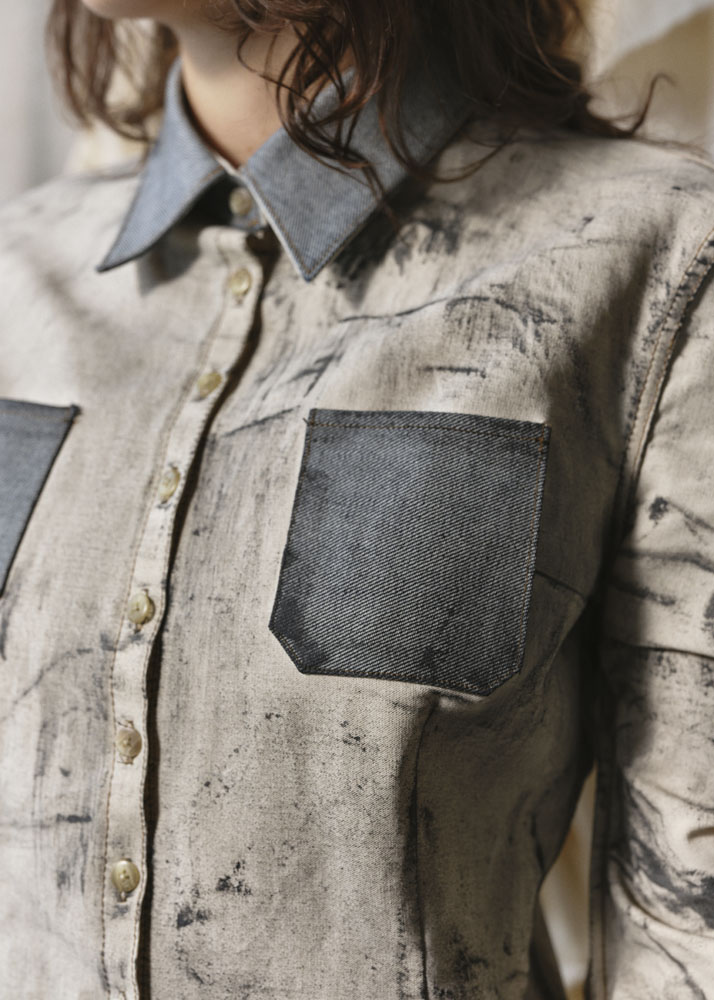
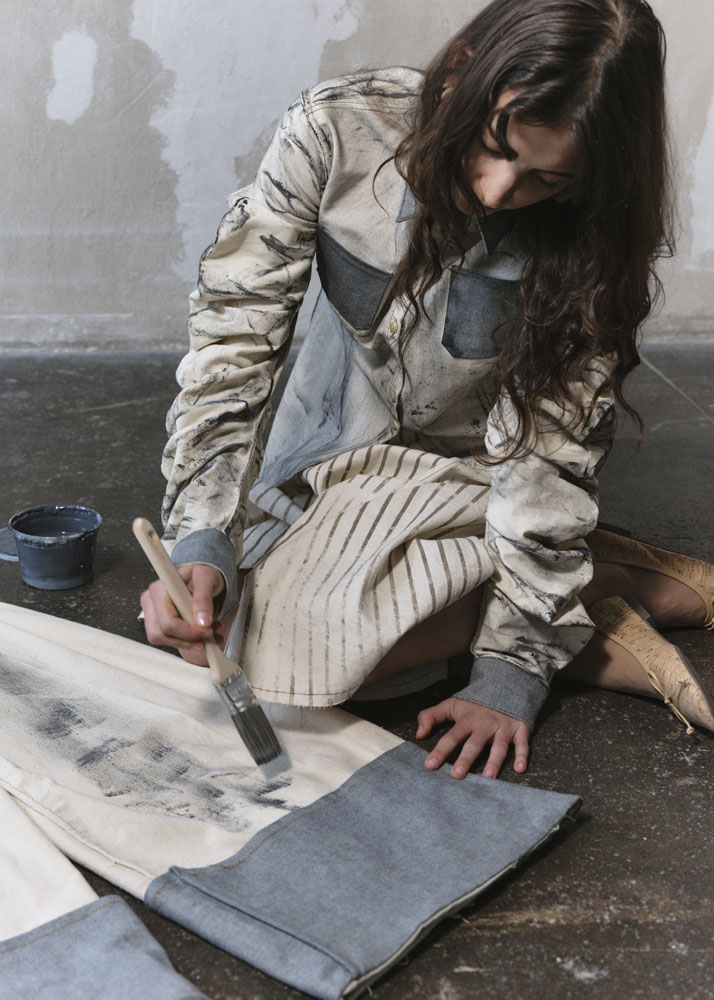
“The project began with an observation,” Tianyun says. “I noticed that people often treat the moment they purchase a garment as its ideal state, and everything after that, wear, stains, repairs, fading, is viewed as decline. I became interested in challenging that assumption.”
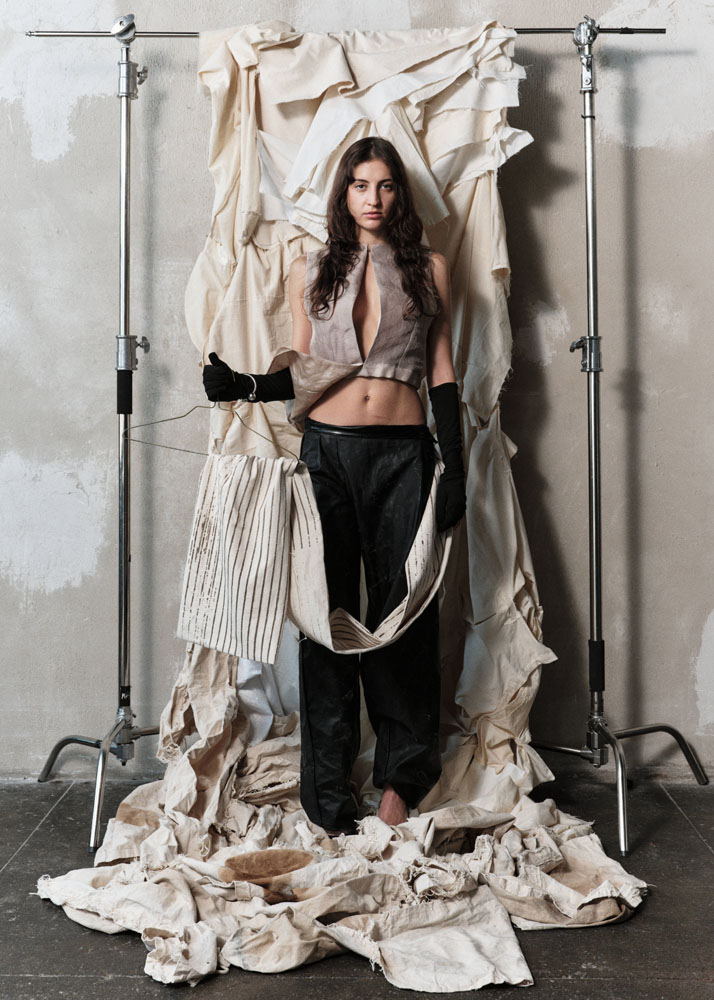
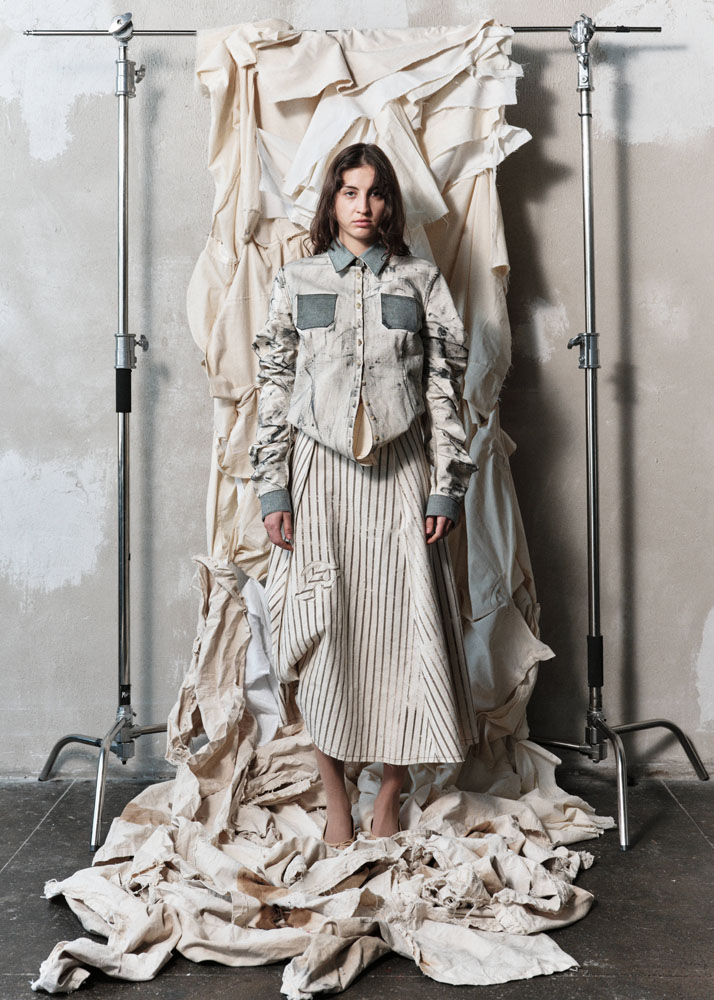
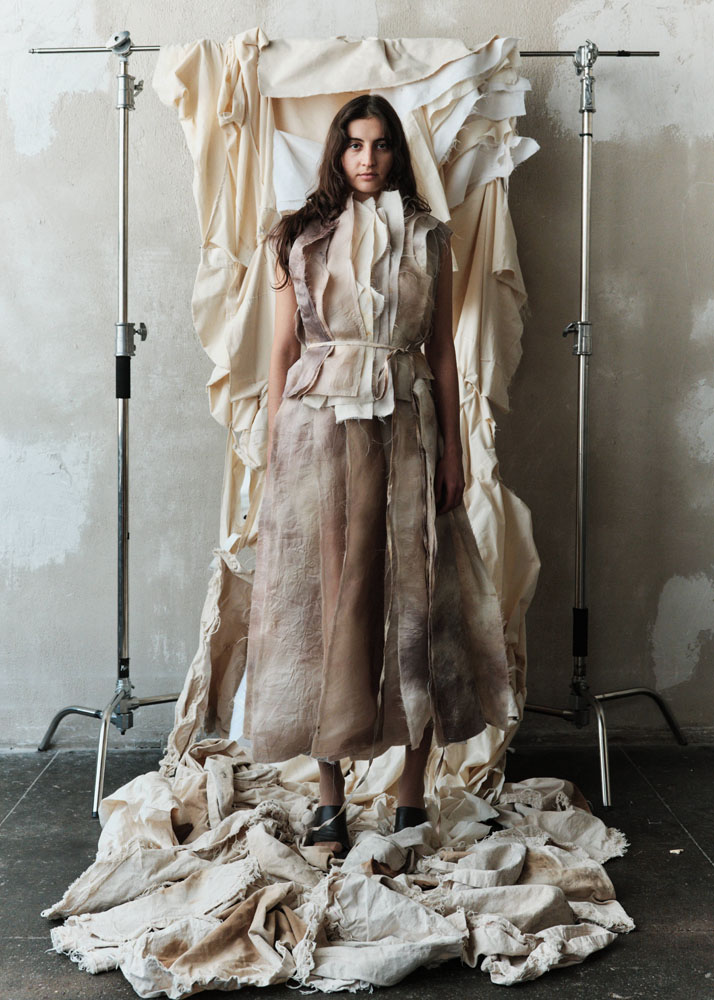
That observation became the foundation of Impermanence. The collection follows three stages: Form, Wear, and Reform. Together, they present clothing as something that continues to grow rather than something frozen in time.
“Form represents intention, the moment a garment enters the world. Wear represents lived experience and the relationship between the garment and its owner. Reform represents adaptation, repair, and reinvention.”
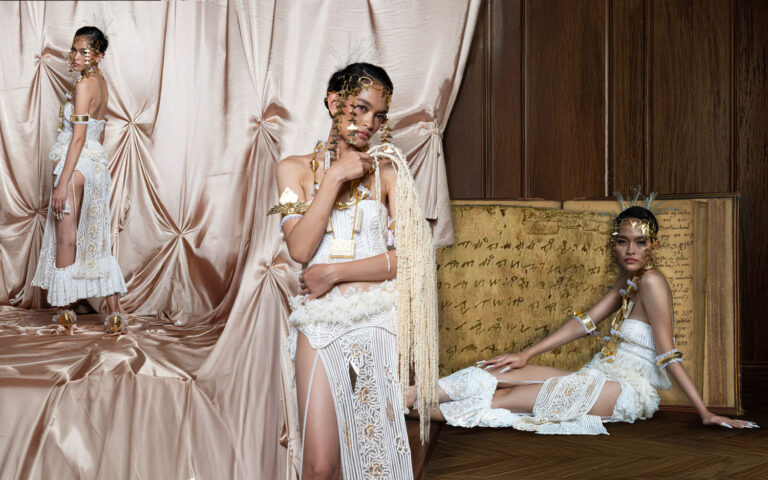
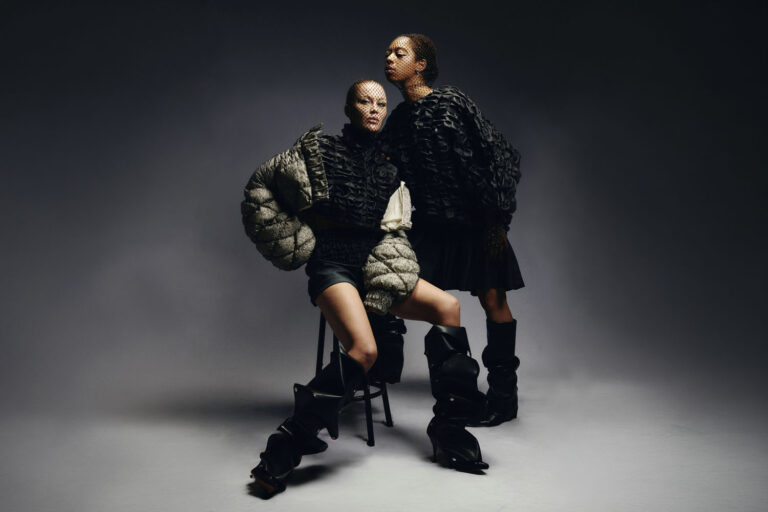
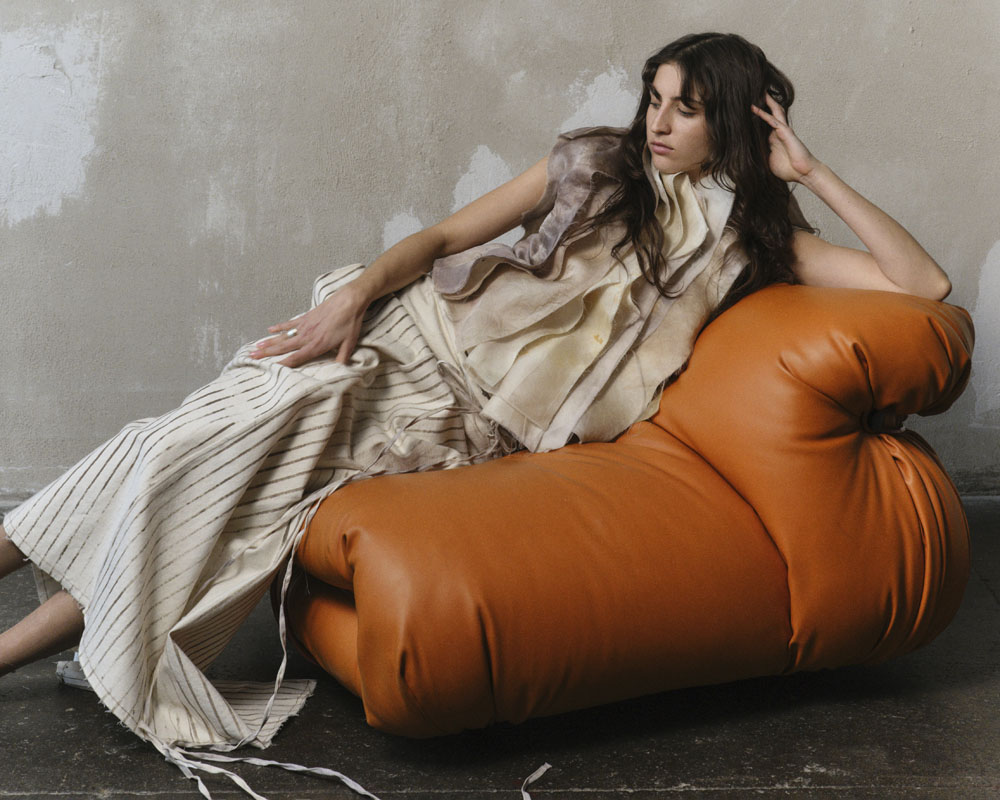
Instead of hiding the effects of time, Tianyun brings them to the forefront. Dyeing, painting, patchwork, distortion, and visible mending appear throughout the collection, not as decoration but as evidence of a garment’s ongoing life.
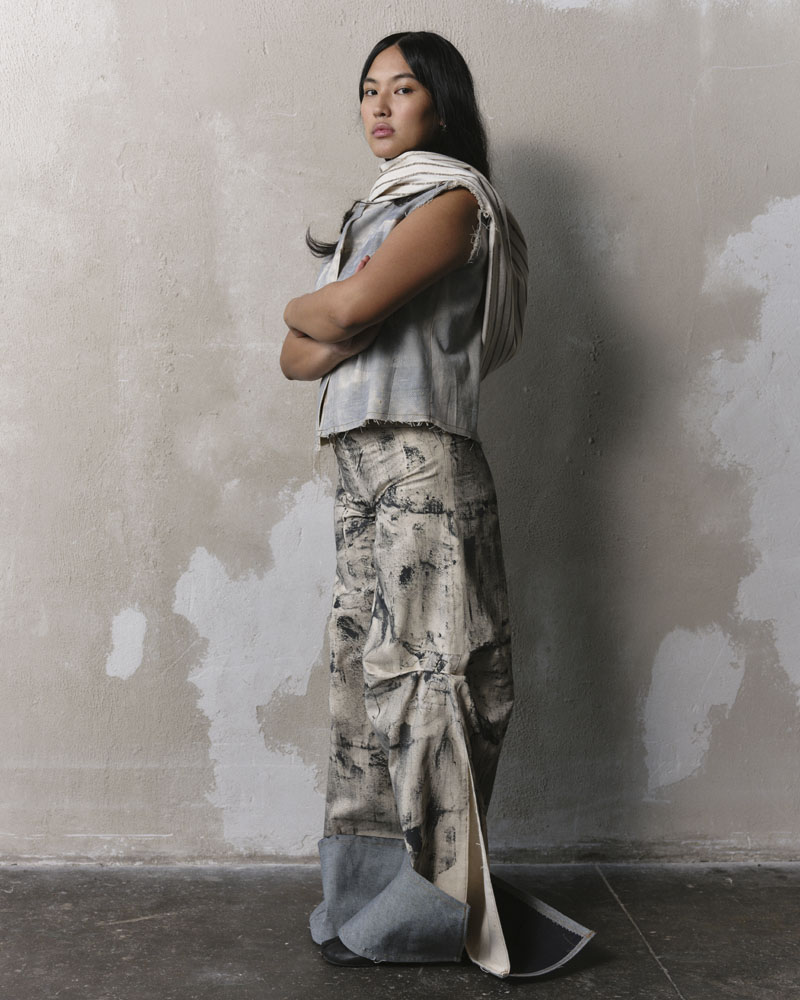
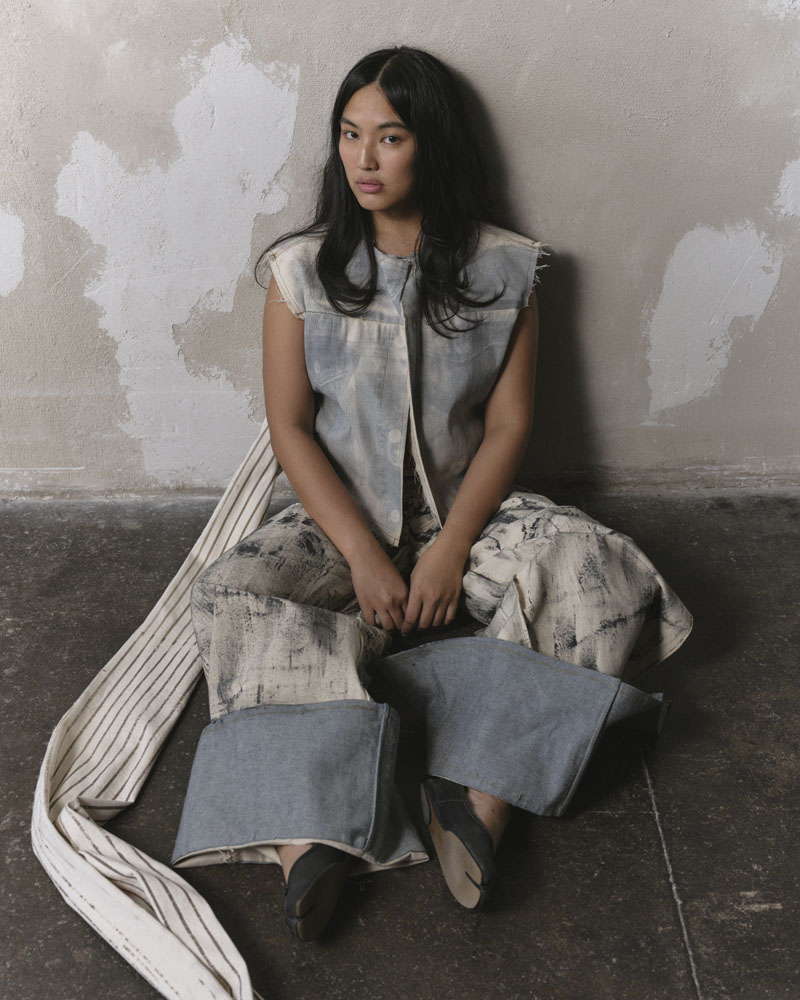
“The techniques function almost like a record of time,” they explain. “Rather than hiding intervention, I wanted those alterations to remain visible and become part of the design language itself.”
This approach also reflects Tianyun’s personal view of beauty. Rather than searching for flawless surfaces, they find meaning in the traces people leave behind.
“I’ve never been particularly interested in perfection,” they say. “A stain, a repair, or a faded area often tells me more about a person than a pristine garment ever could.”
That perspective shapes every part of Tianyun’s creative practice. As both a fashion designer and a stylist, they move naturally between making garments and building the visual worlds around them.
“Design creates the object, and styling creates the world around it,” Tianyun says. “Both are forms of storytelling.”
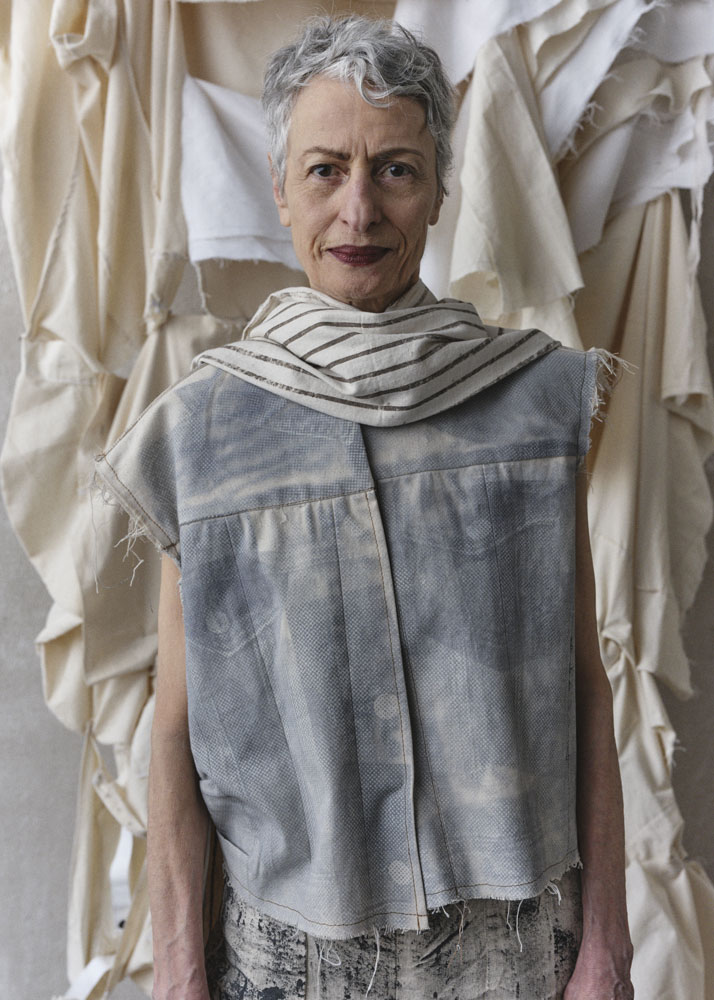
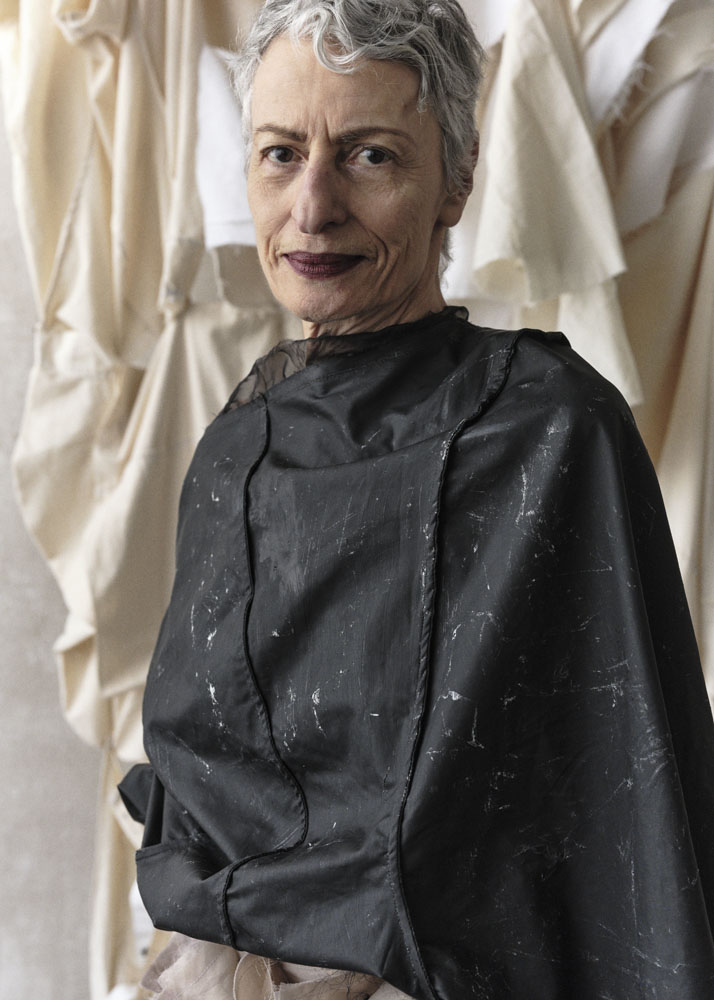
Because of that, the imagery became an essential part of Impermanence. Every styling decision and photograph helped extend the collection’s ideas beyond the garments themselves. Rather than simply presenting the clothes, the visuals encouraged viewers to experience the atmosphere and emotions behind the project.
Creating the collection also changed Tianyun’s own approach to design. The biggest challenge was learning to accept uncertainty instead of trying to control every outcome.
“The biggest challenge was accepting that the collection itself needed to embody uncertainty,” they say. “As designers we’re often trained to pursue control and resolution. This project asked me to become comfortable with change, ambiguity, and outcomes I couldn’t fully predict.”
Their time at Parsons helped shape that mindset. More than anything, the experience encouraged them to stay curious and keep questioning familiar ideas.
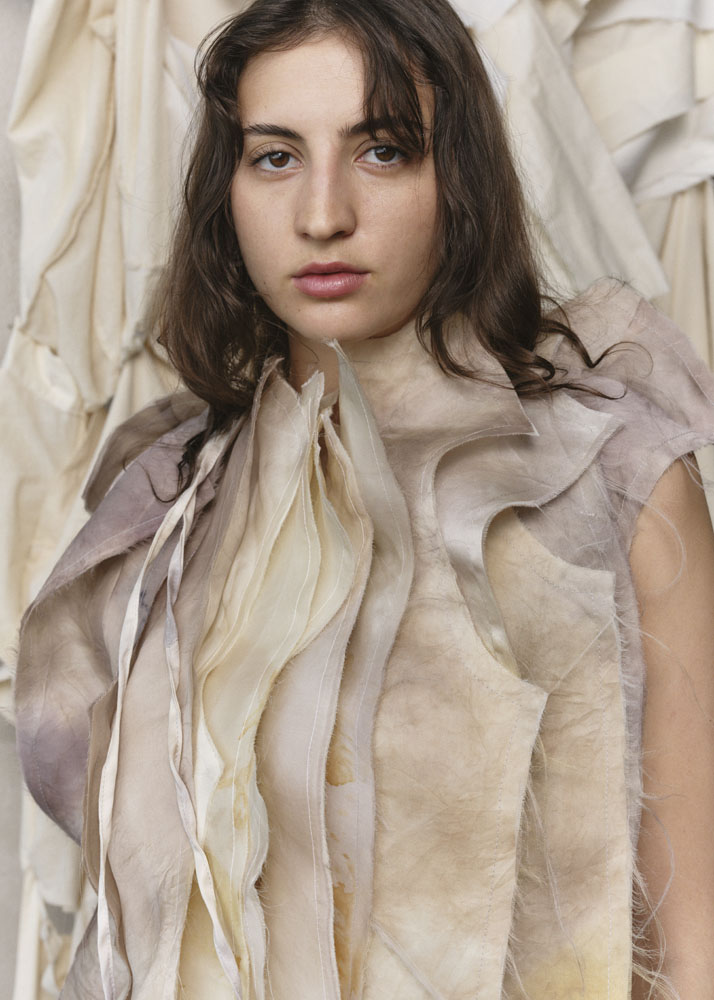
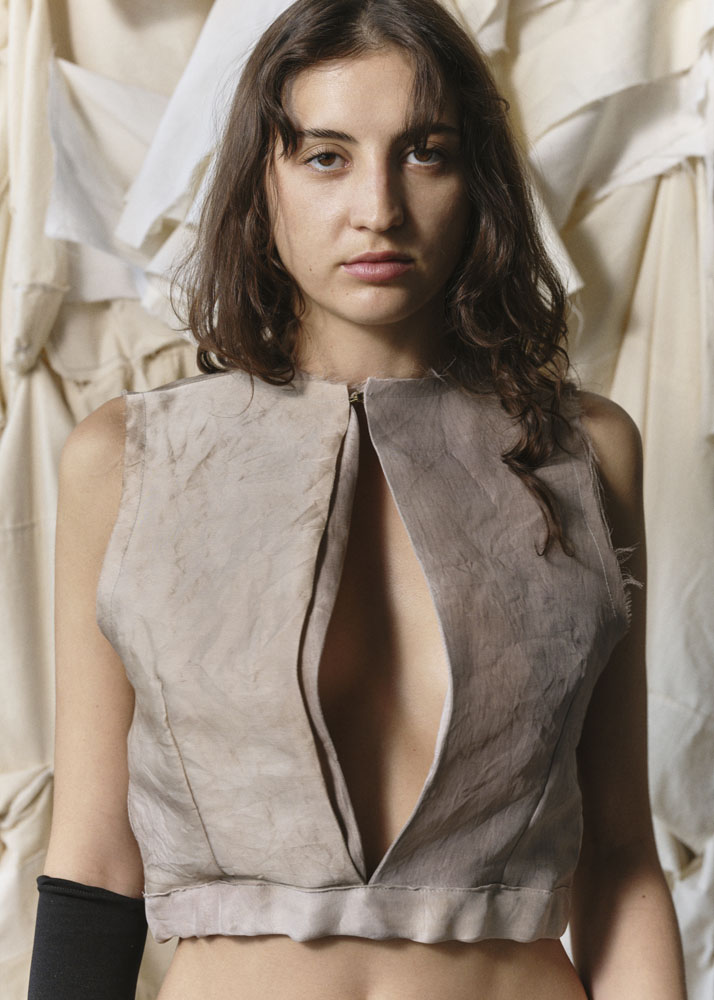
“Parsons exposed me to a wide range of disciplines, perspectives, and ways of thinking. More importantly, it encouraged me to ask questions rather than immediately search for answers.”
Looking ahead, Tianyun hopes to continue bringing fashion design and styling together through editorial projects, performance, exhibitions, and creative direction. They see each discipline as another way to tell stories and explore how meaning changes across different contexts.
At its heart, Impermanence asks a simple question. What gives clothing value?
For Tianyun, the answer has little to do with keeping garments perfect.
“I hope it encourages people to reconsider what value means,” they say. “We often associate value with newness, perfection, and preservation. I’m interested in the possibility that value can also emerge through use, memory, and transformation.”
In a fashion landscape that constantly encourages people to replace what they own, Impermanence offers a quieter perspective. A garment does not lose its value as it changes. Instead, every repair, every mark, and every transformation adds another chapter to its story.