
All images used in this article appear as a courtesy of La Petite Mort.
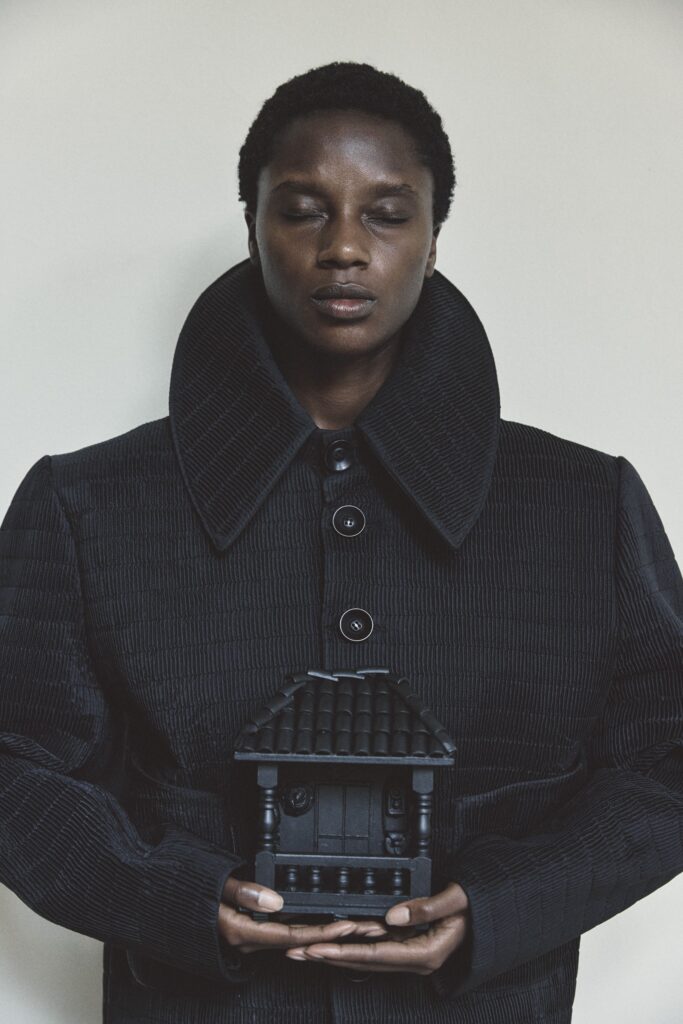
For many families, being able to have a house of their own goes beyond fulfilling a basic need or making a sound investment. It’s the result of generations of effort, resilience, persistence and, sometimes, unbreakable faith in the face of seemingly unsurmountable circumstances. More than owning a property, it’s the construction of a real home. Such feeling is something that families from all over the world can relate to, and the core of La Petite Mort’s A/W 26 collection, Techo (“Roof” in Spanish).
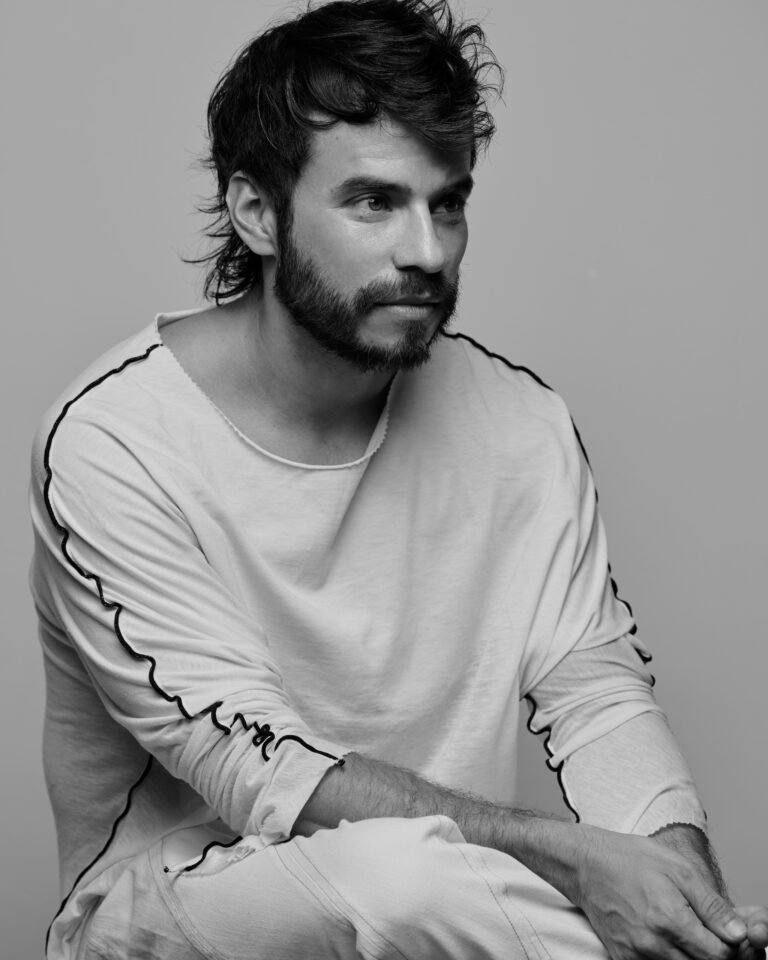
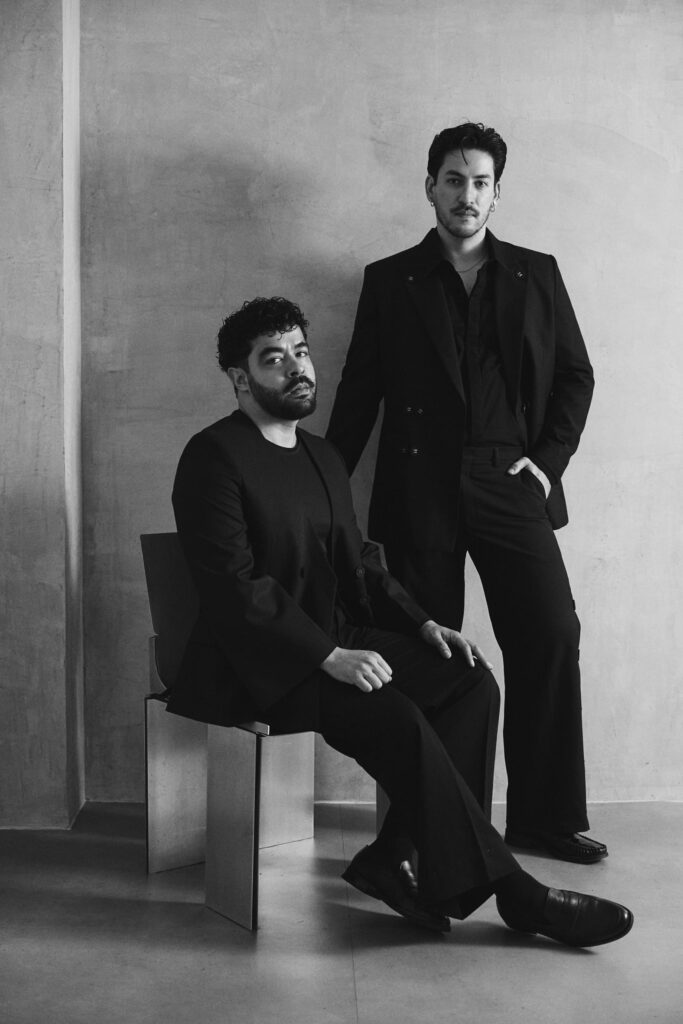
The design duo hailing from Medellín, Colombia and formed by Jonathan Cortéz and Andrés Durán started out during their student days in France in 2017. The pillars of La Petite Mort’s creative universe are the finest European tailoring techniques and Colombian craftsmanship, in a way that it’s seldom explored. While being a very Colombian brand in aesthetics and essence, the decision of naming it after the French euphemism used to talk about orgasms wasn’t casual nor necessarily provocative. Jonathan explains: “I won a scholarship to study in Paris and ran into this term when I was studying French. We really liked this concept of dying for a moment and being reborn, and we believe it can also represent dualities like life and death, light and darkness. People often asks us why a Colombian brand has a French name, but we believe it is a perfect symbol of our concept of creating a bridge between Colombian tradition and European know-how.”
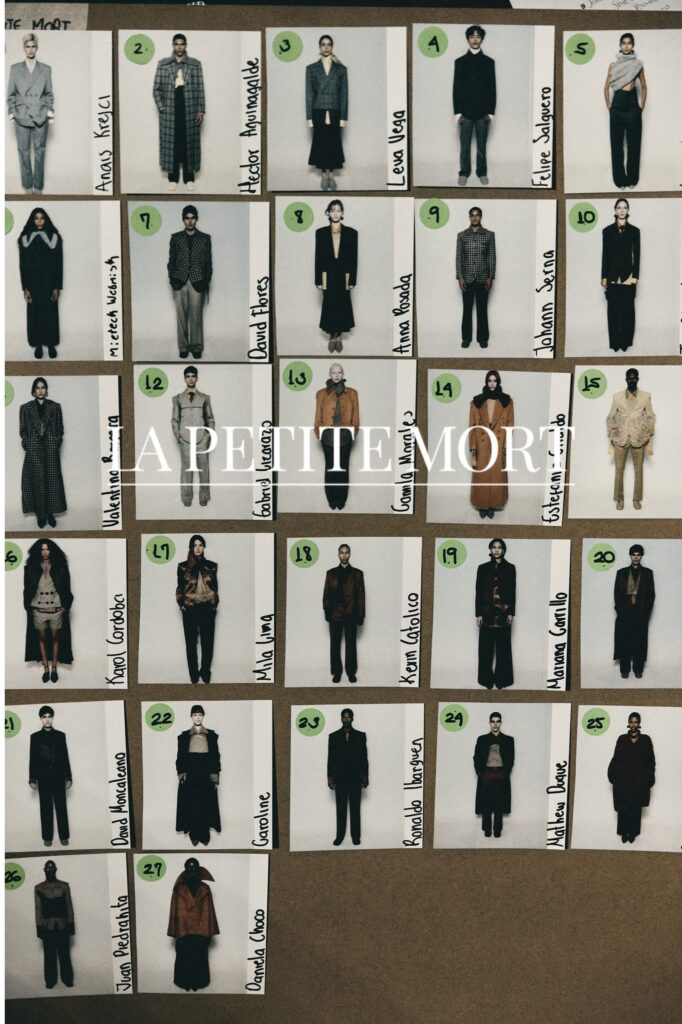
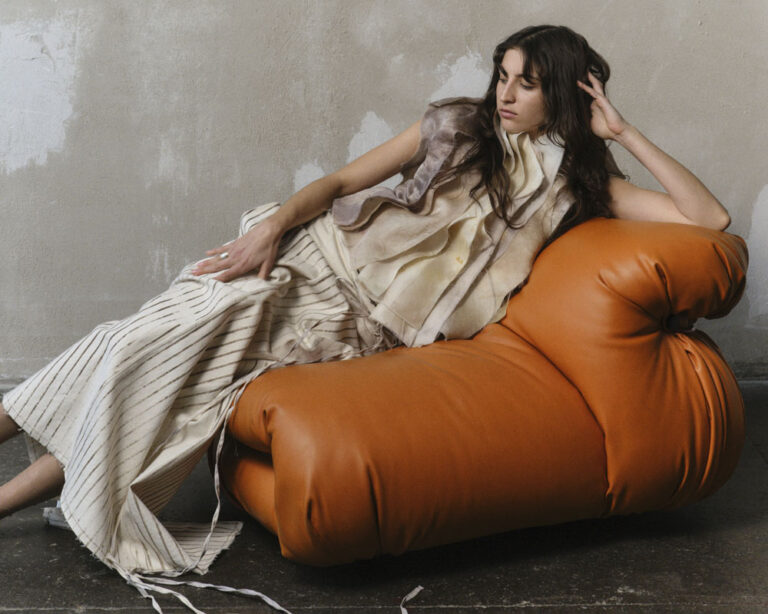
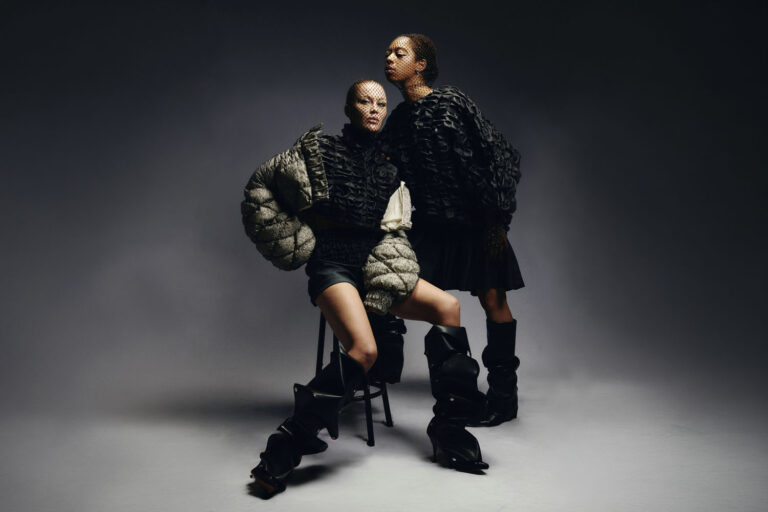
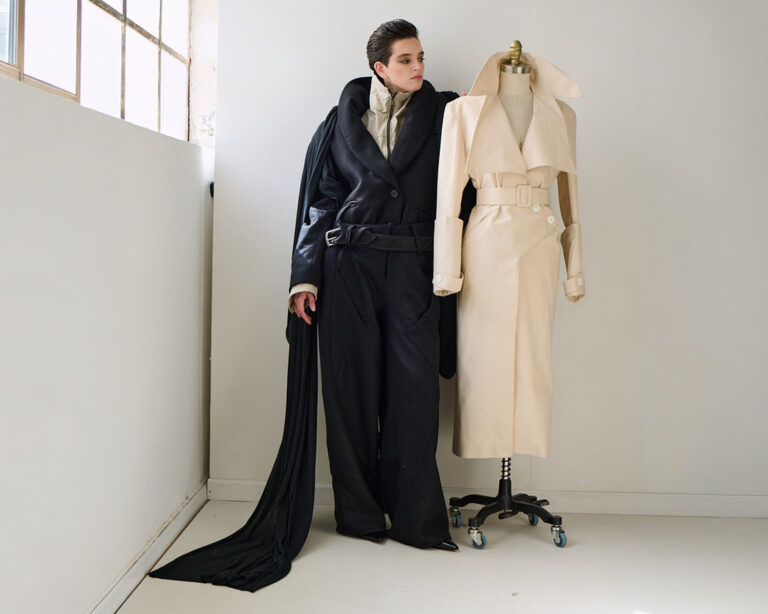
After meeting both commercial and critical success with previous releases such as Hechos de Maíz (“Made of Corn” in Spanish) and Alirio, the presentation of Techo during Bogotá Fashion Week 2026 had an equal, if not even more enthusiastic reception. The main inspiration behind it was the arquitecture of traditional Colombian countryside houses. With a sober color pallete that included raw white, caramel and deep browns, dark grey and yellow butter as main hues, the majority of looks consisted of layered pieces, very much in the vein of traditional formal styles from the 60s and 70s. Houndstooth and Prince of Wales checkered textiles were used in a variety of jackets and vests, thick knits took central stage, and oversized collars were emphasized on many garments in Techo. Harnesses that looked like the backrest of wicker chairs, jackets inspired by wattle and daub walls and heavy textiles that gave a warm, nostalgic feeling elevated the final effect of the collection, which received an standing ovation by the audience that attended its runway show on May 12th, 2026.
These elements were carefully selected to build a very specific narrative. As Jonathan explains, “we added big collars to symbolize the concept of staying safe. A person inhabitates their homes and clothing more than anything else, so we thought that Techo should feel protective but homely at the same time.” To represent memories, La Petite Mort paid special attention to apparently small, yet very significant details during the production process.”We wanted to picture the way in which houses grow old. We played with textures inspired by bricks when they decay, ceilings when they crack and fall. Some pieces took over 300 hours of work to be finished because we needed to use up to seven different types of threads. It took this technically complex work to show through clothes how a house changes as years go by. That means that there are stories and memories that live in that house.
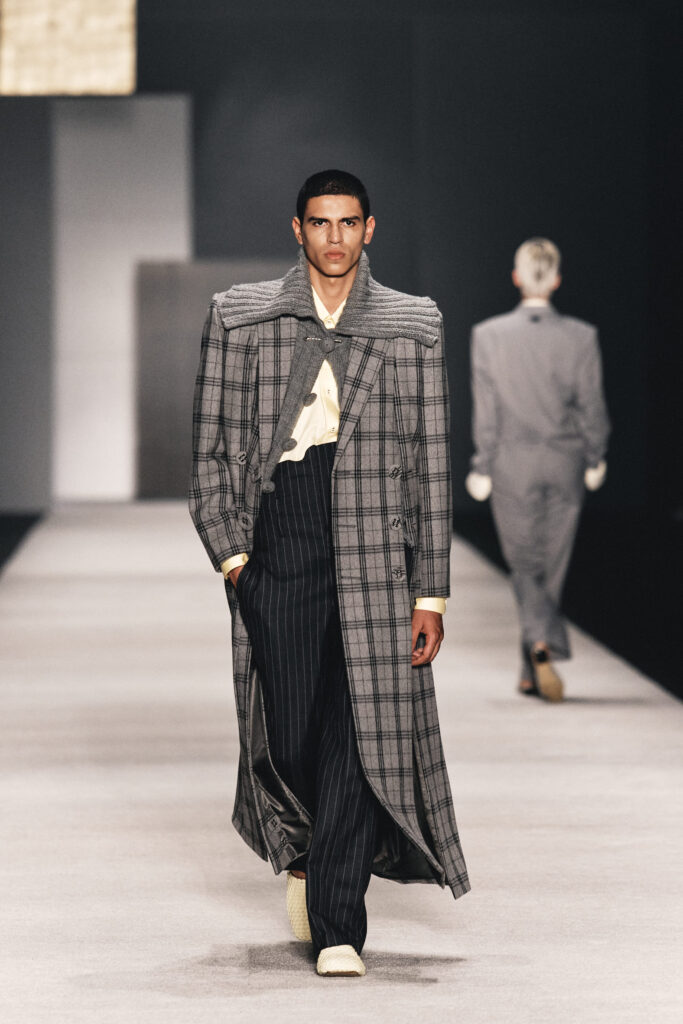
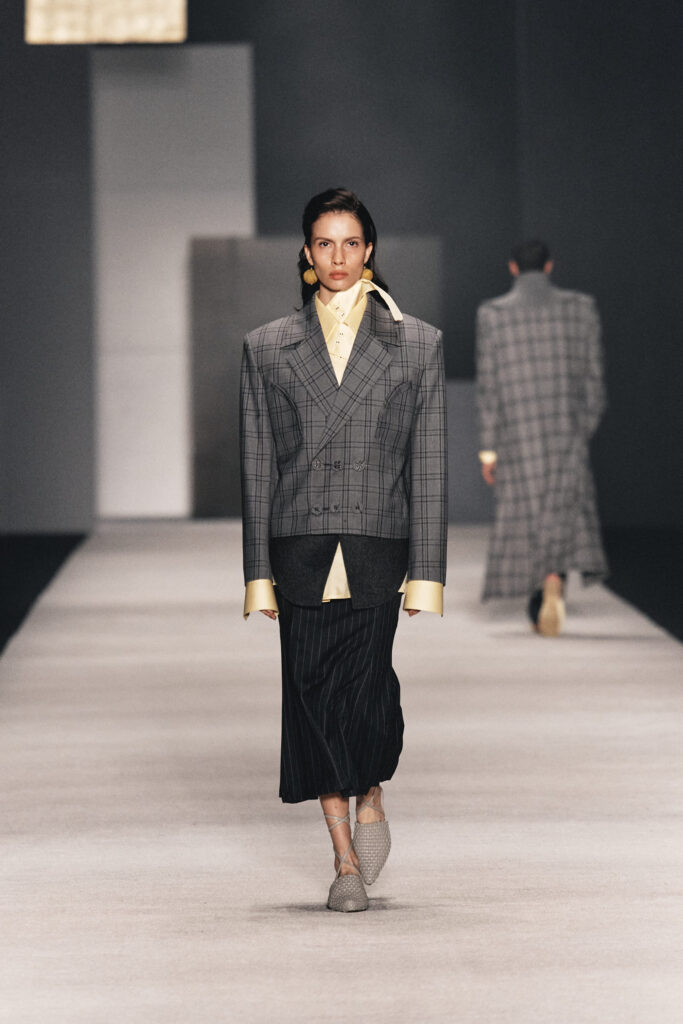
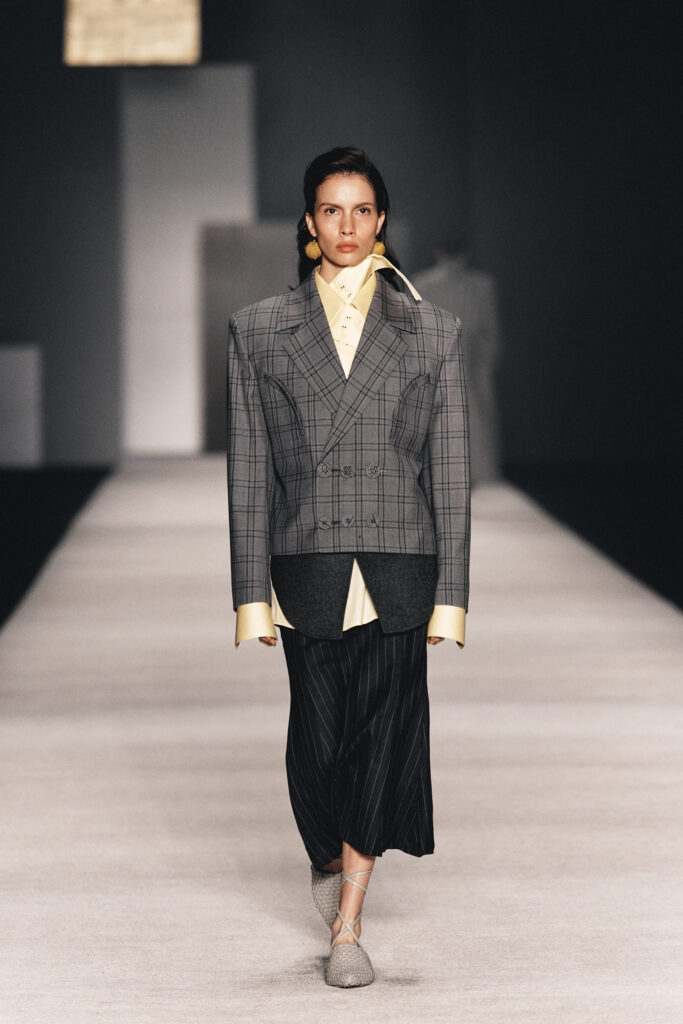
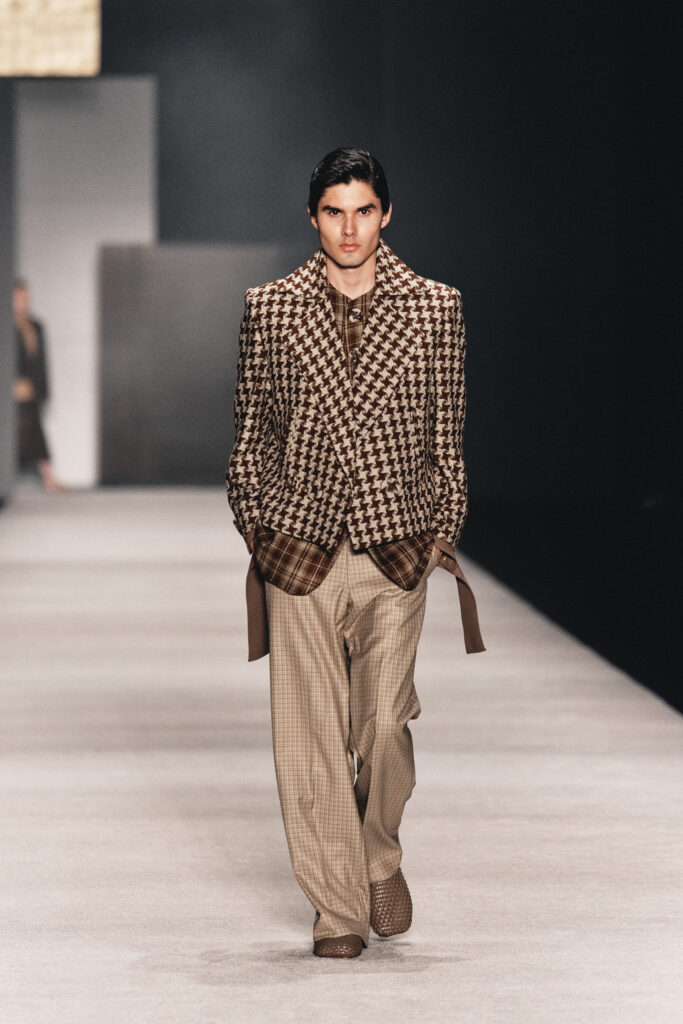
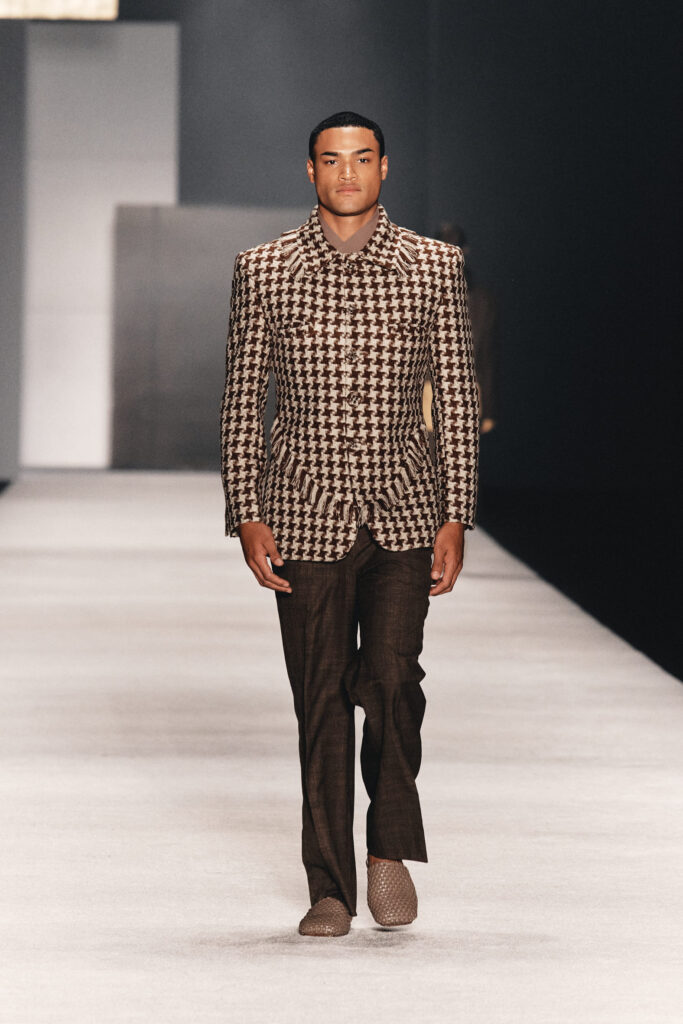
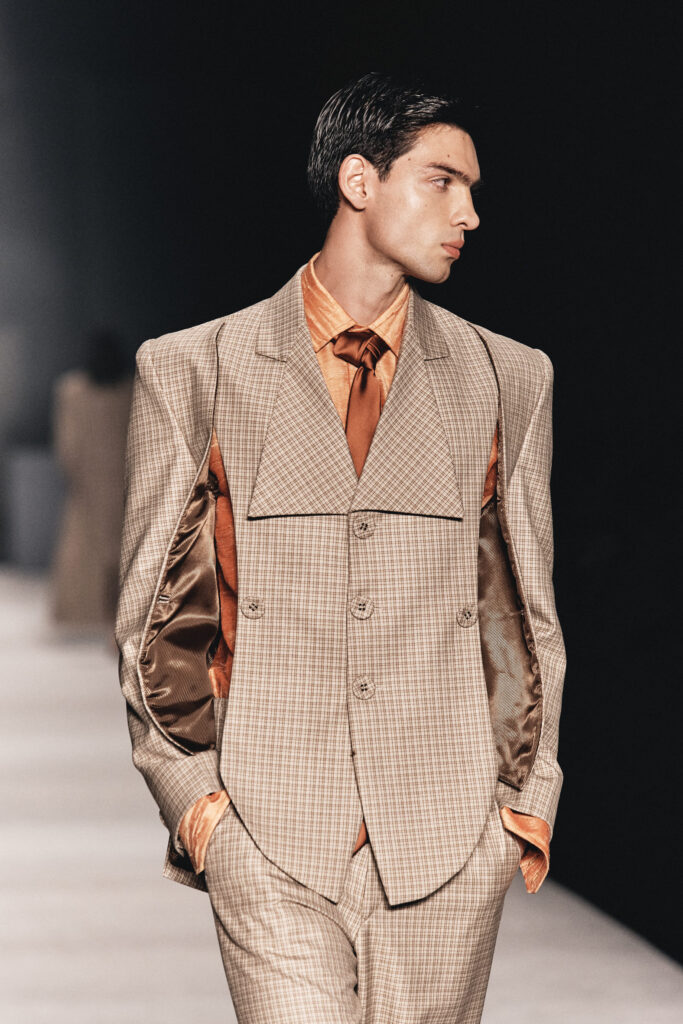
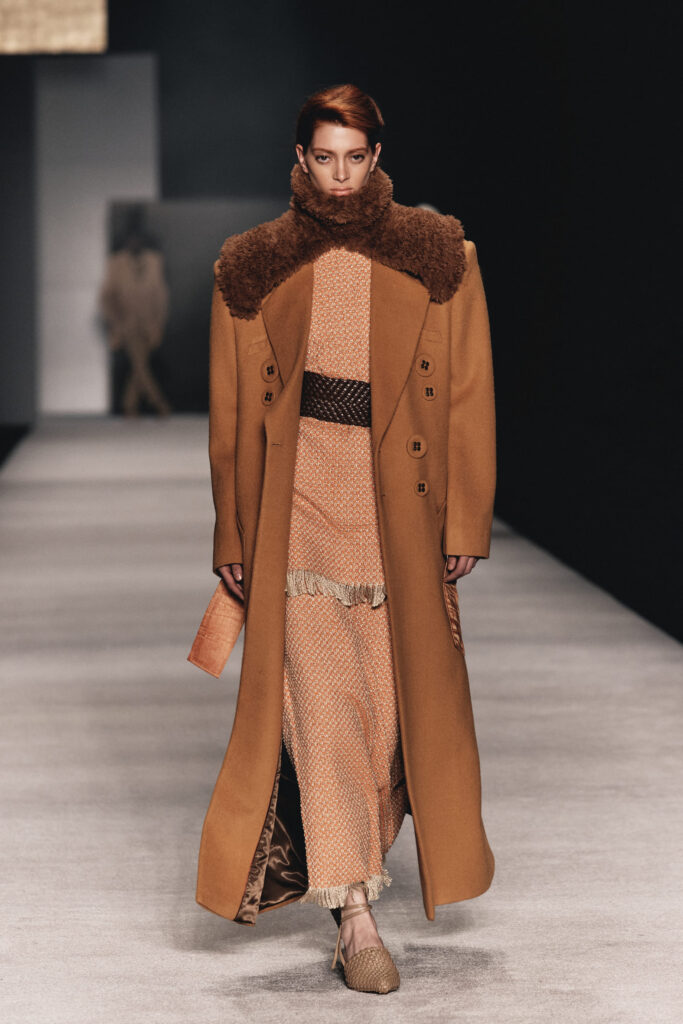
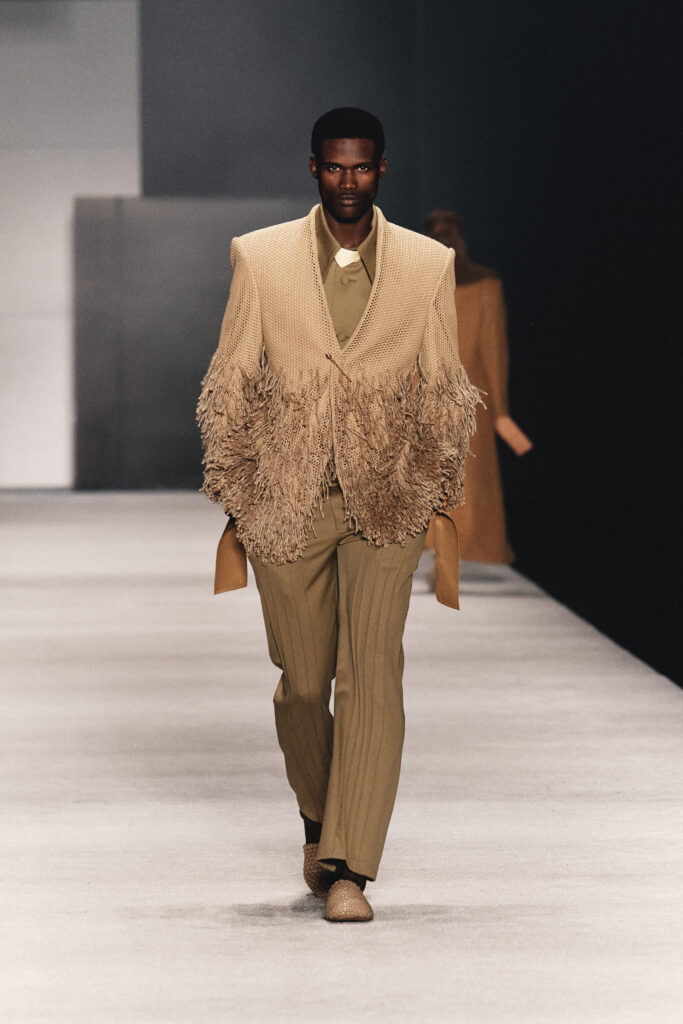
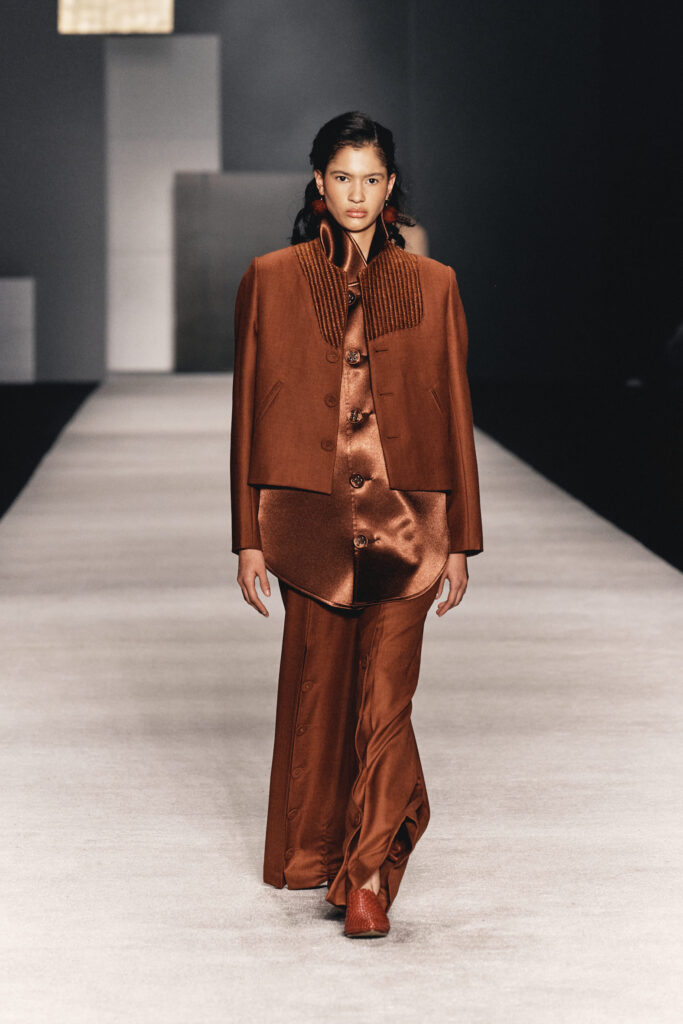
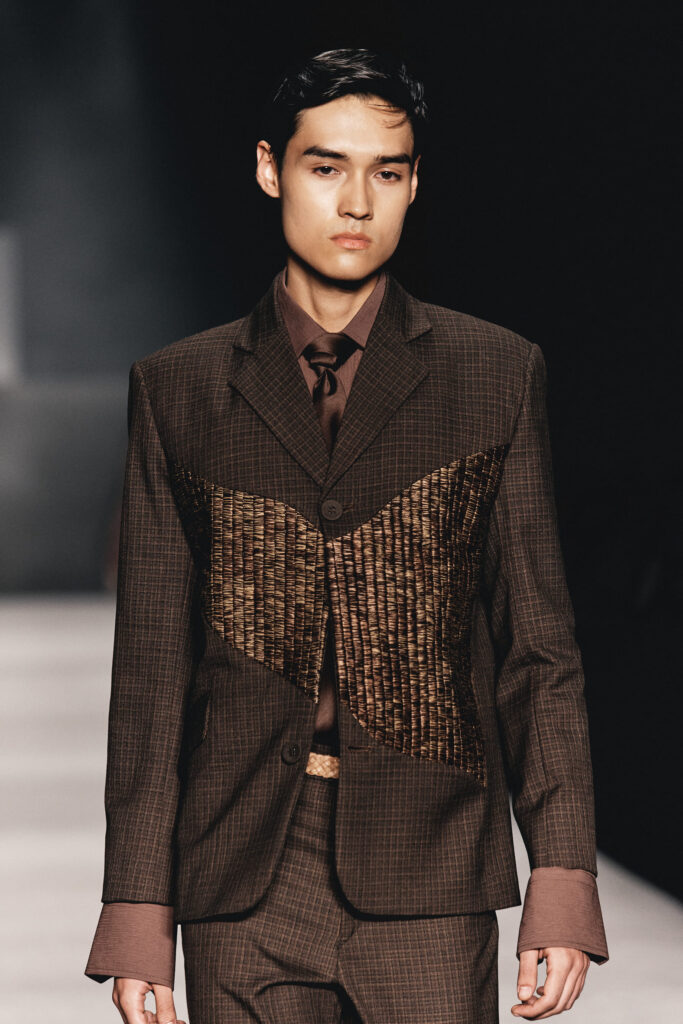
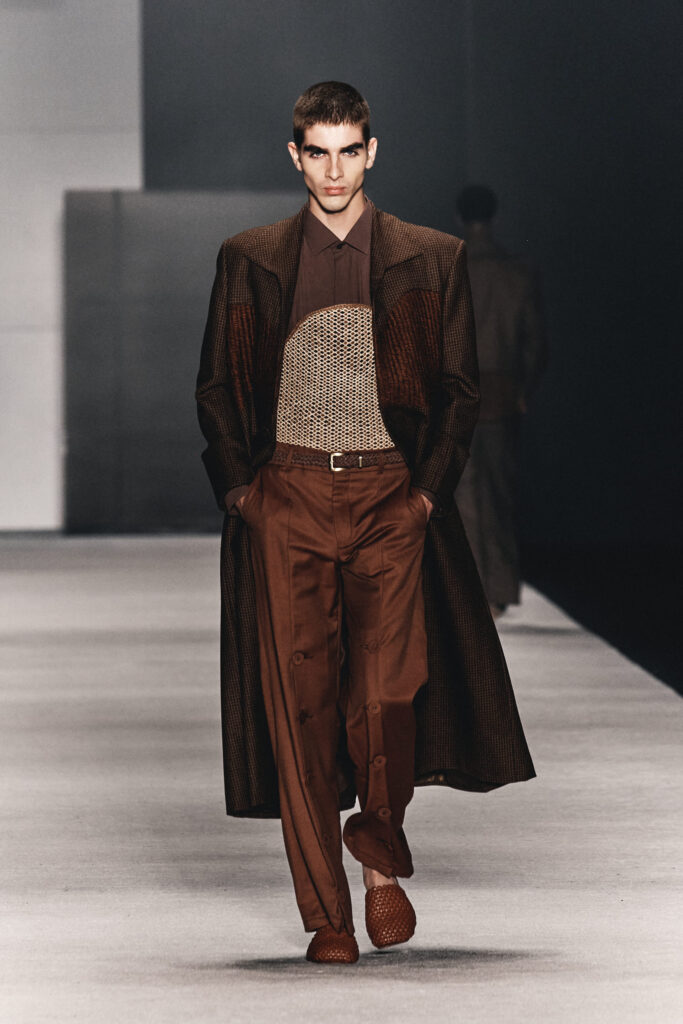
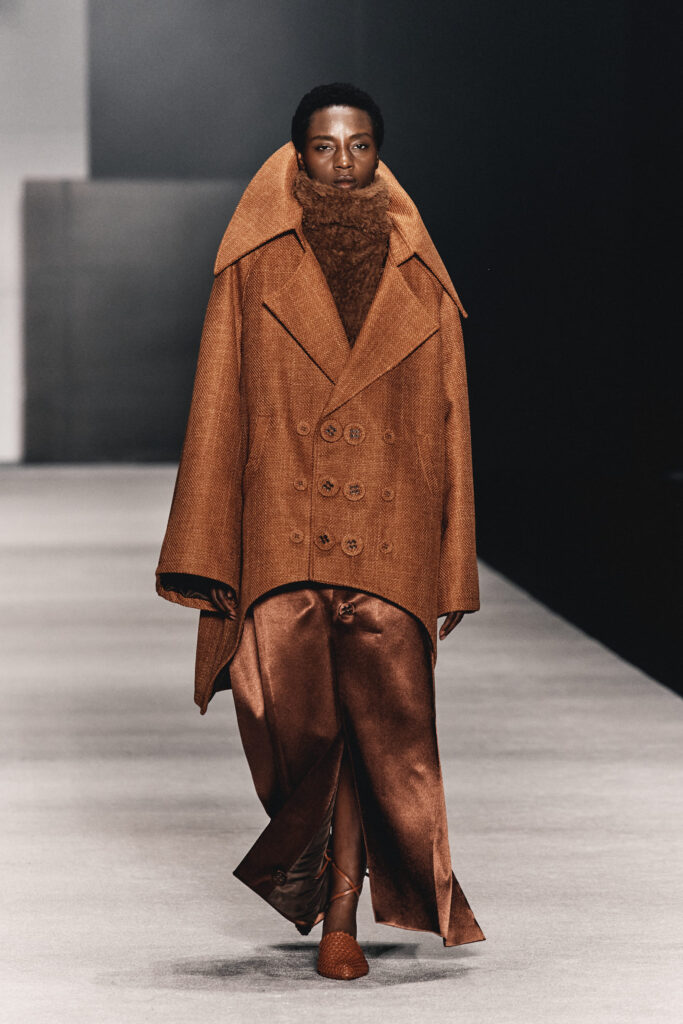
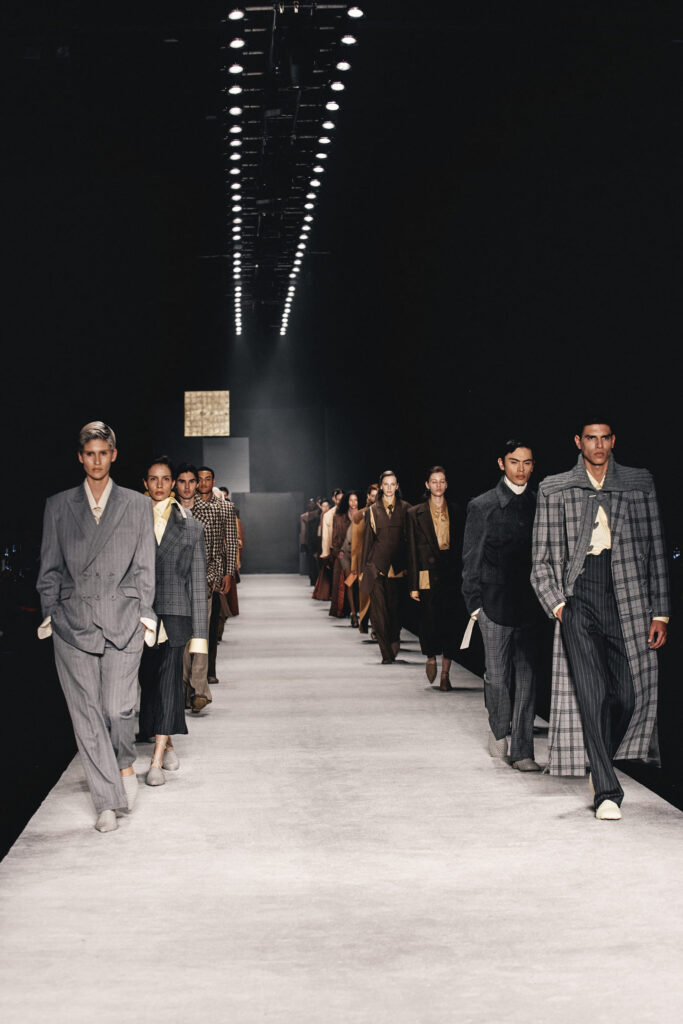
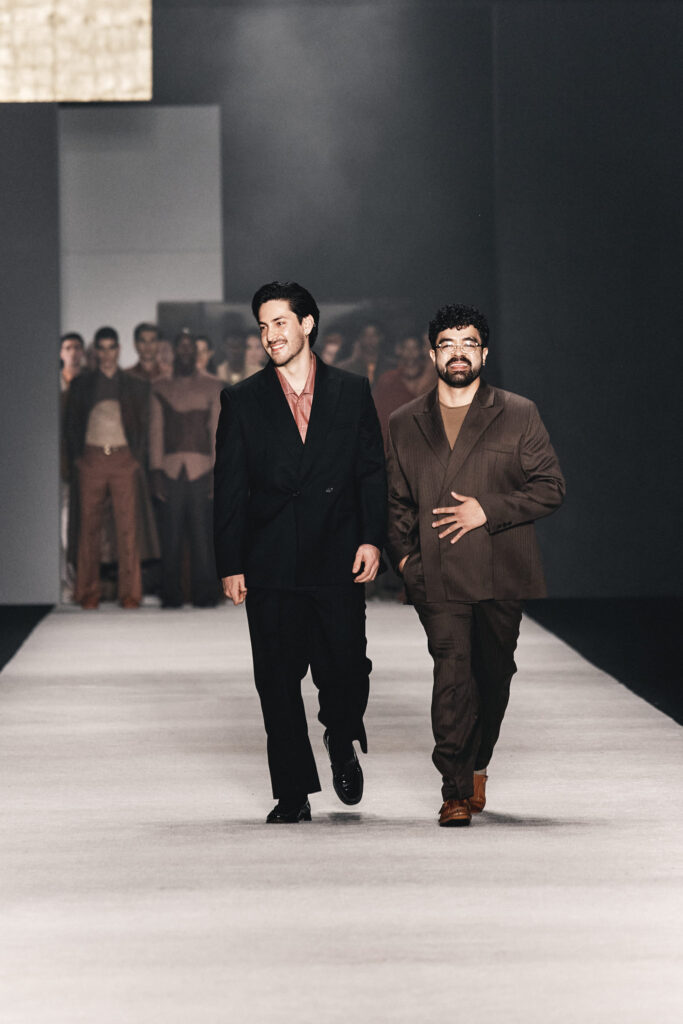
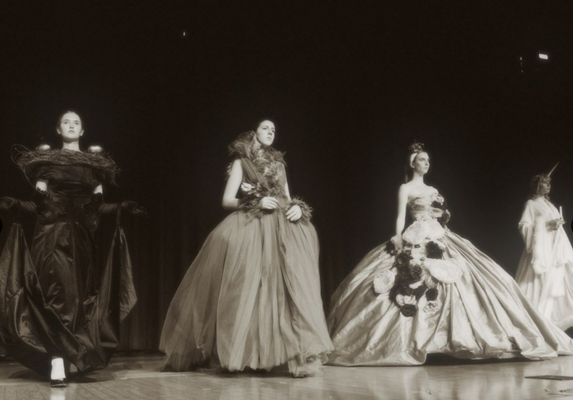
Runway show for Techo A/W 26 by La Petite Mort during Bogotá Fashion Week 2026.
This was by no means a random thought. “It’s about honoring our roots, where we come from”, Andrés says. “We as Latin Americans are very connected to our land and traditions. For us and our audiences, the silhouettes we use ellicit very primal emotions that come from childhood memories, from remembering our grandma’s house. Those are powerful elements in our collections.” Jonathan adds: “It’s also about how we understand tailoring. In order to deconstruct tailoring the way we do it, we must respect what those who came before us did to refine those techniques. We are paying homage to the hands and minds of the past.”
La Petite Mort honors not only the tailoring masters of previous generations and the cultural legacy of Colombian countryside families, but also the great textile industry for which Medellín is famous. “We were very lucky to have access to the archives of Indulana, one of Colombia’s most important mills. It closed some time ago, but they kept samples of materials commonly used in the 70s. It felt so romantic to be able to work with these fabrics of which the clothes of our grandparents were made, from our own perspective, while respecting and keeping their original spirit.”
As creative directors of one of the most representative brands in contemporary Colombian fashion, Andrés and Jonathan have a very defined stance about what’s currently going on in the local industry and its growing global recognition. “The universe of Colombian fashion is very interesting when you get to know it. The level of talent is immense, and so many brands are stepping outside of colorful prints and Caribbean chic. We have that commitment as well with our brand because our codes, textures and colors are different [than tropical chic]. There are so many possibilities that Colombia offers in terms of clothing, and we hope more people from around the world feels encouraged to dive deep in this universe.”