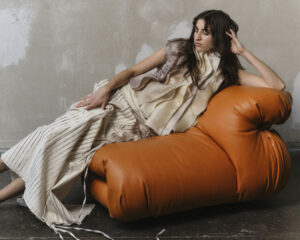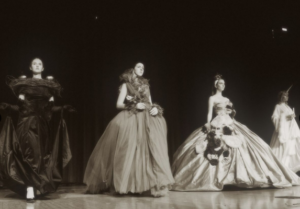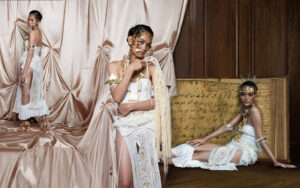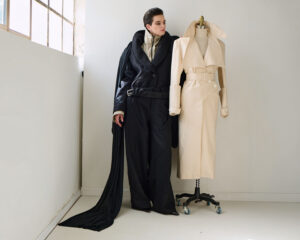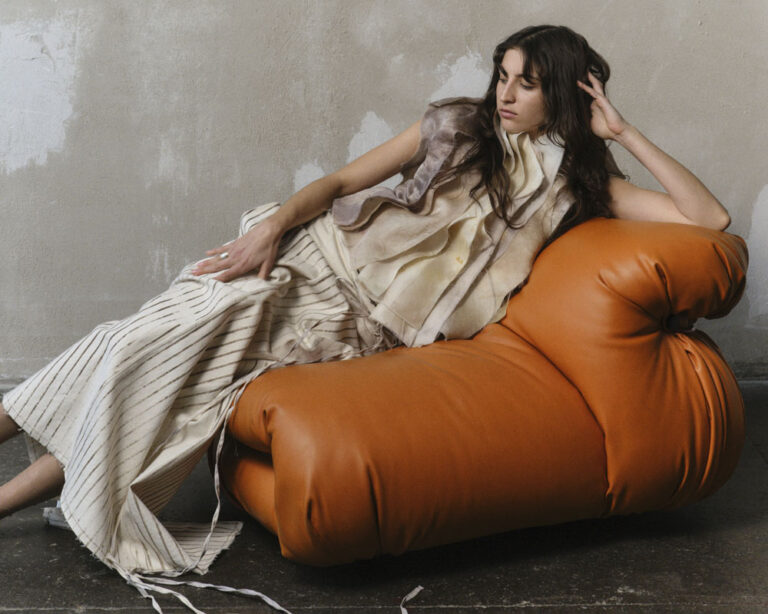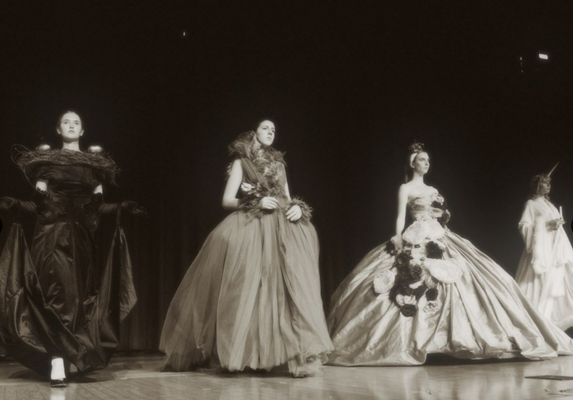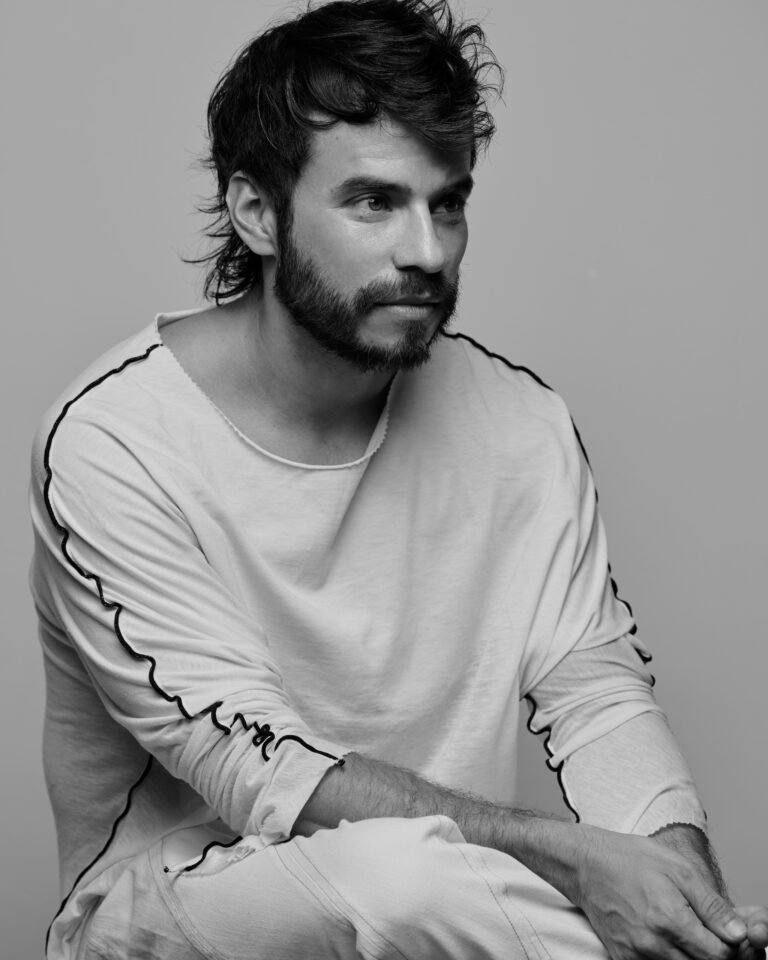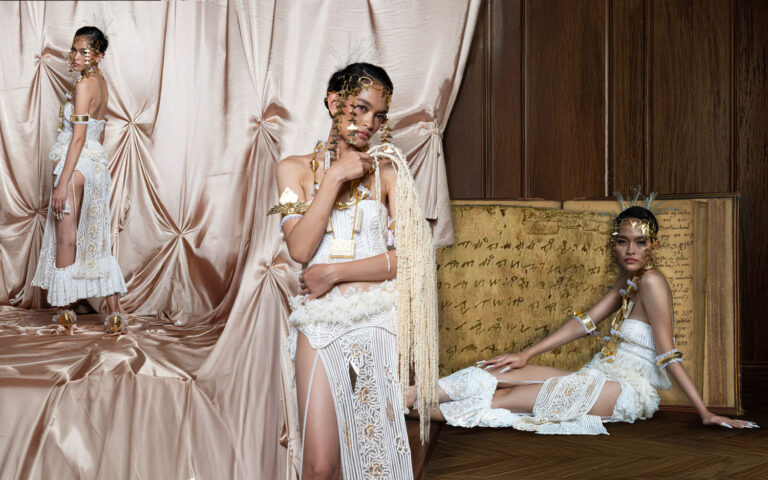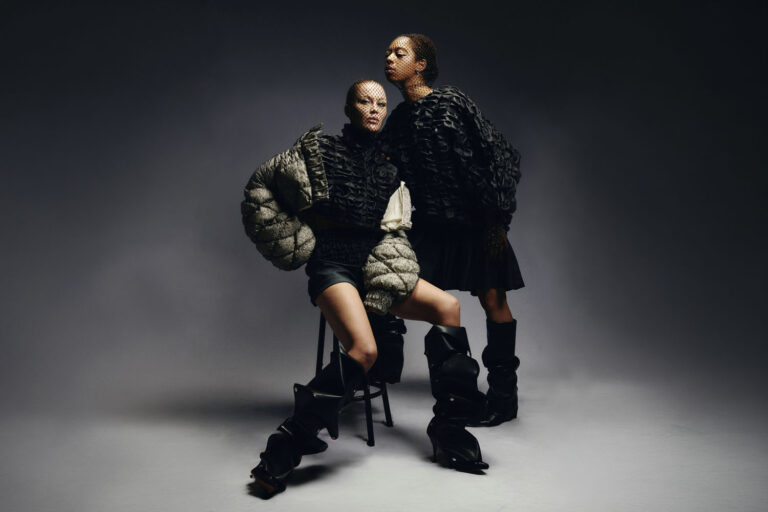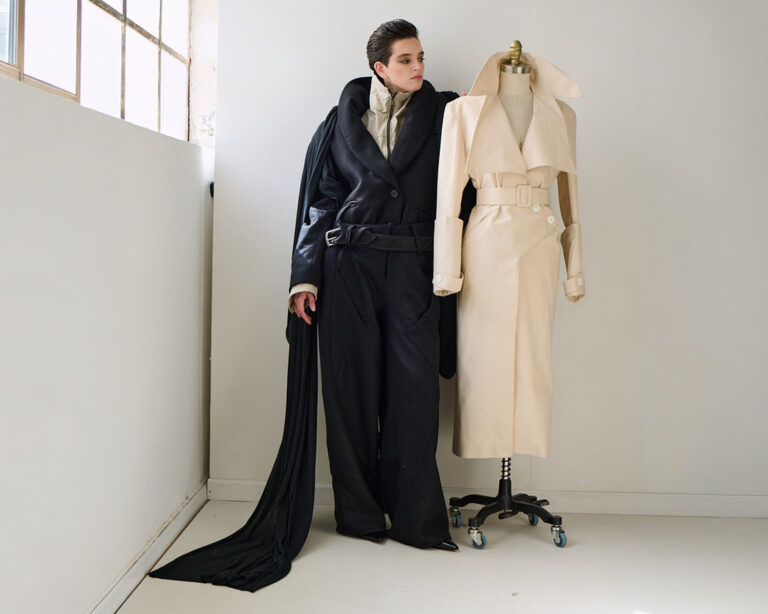
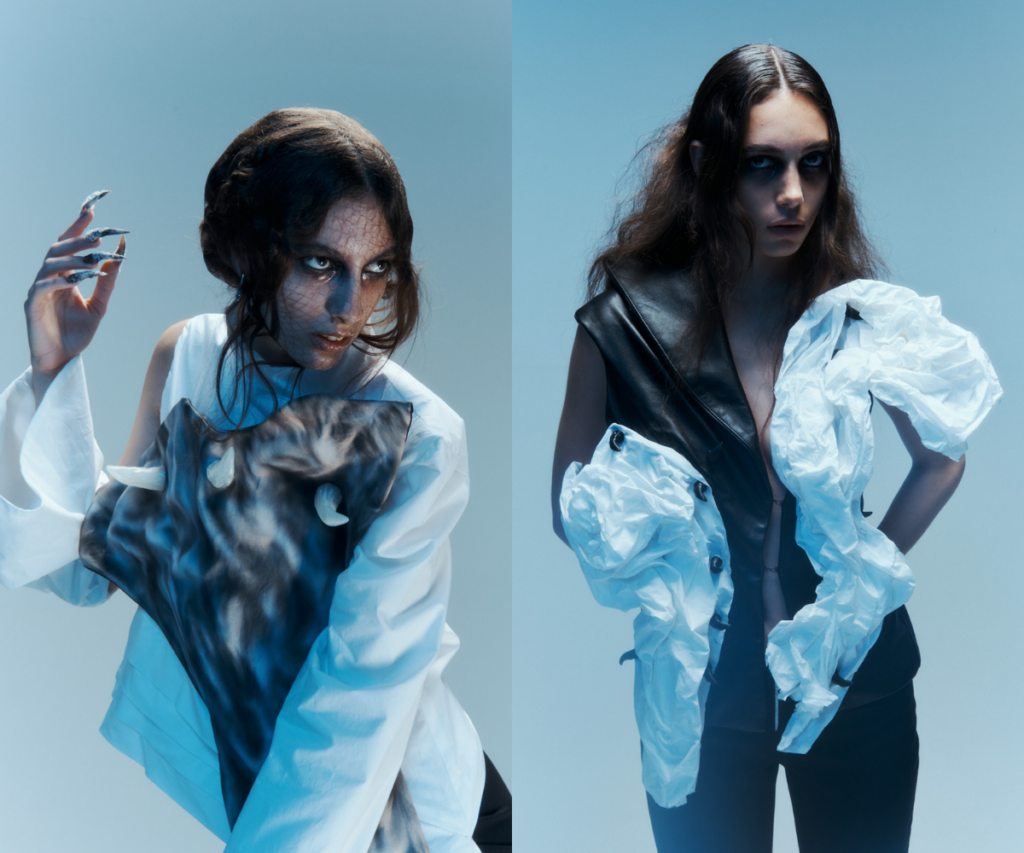

Hungarian designer Veronika Németh uses fashion not just to clothe, but to confront. Her graduate collection at Moholy-Nagy University of Art and Design began as a personal reaction to the treatment of women in today’s social and political climate, especially in Hungary. For Veronika, the body isn’t a blank canvas. Instead, it acts as a site of power, struggle, and transformation.
“The initial impulse came from witnessing the escalating atrocities against women,” she explains. Moved by how media and art often reduce women, she chose to challenge those systems head-on. Through her collection, she addresses the ways society fragments and silences the female figure. She asks: What happens when the female body becomes active, autonomous, and whole instead of passive and objectified?
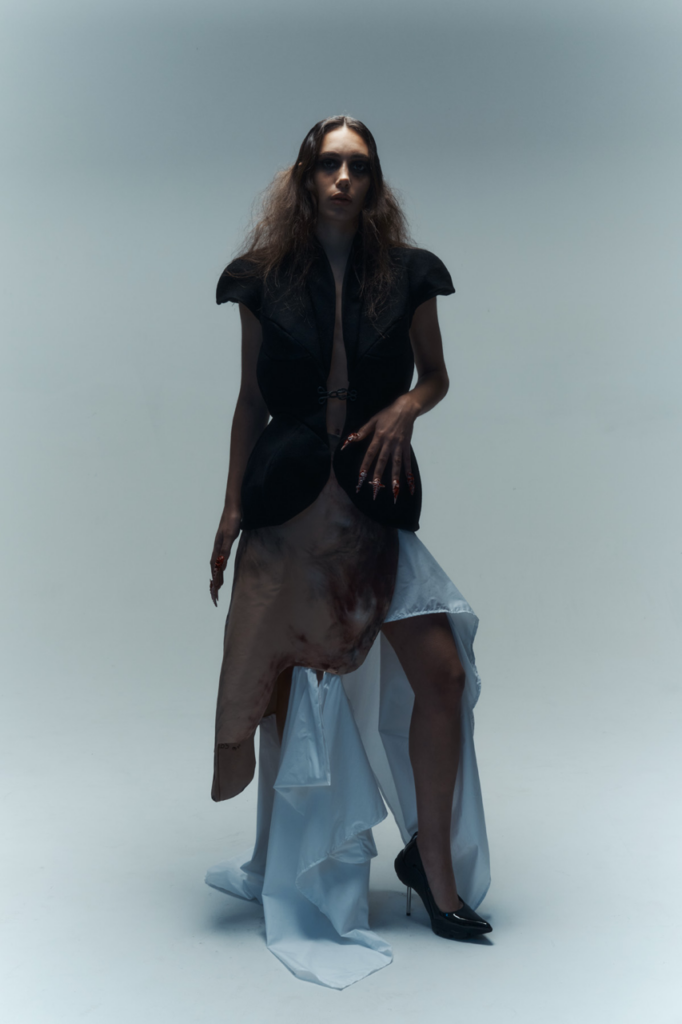
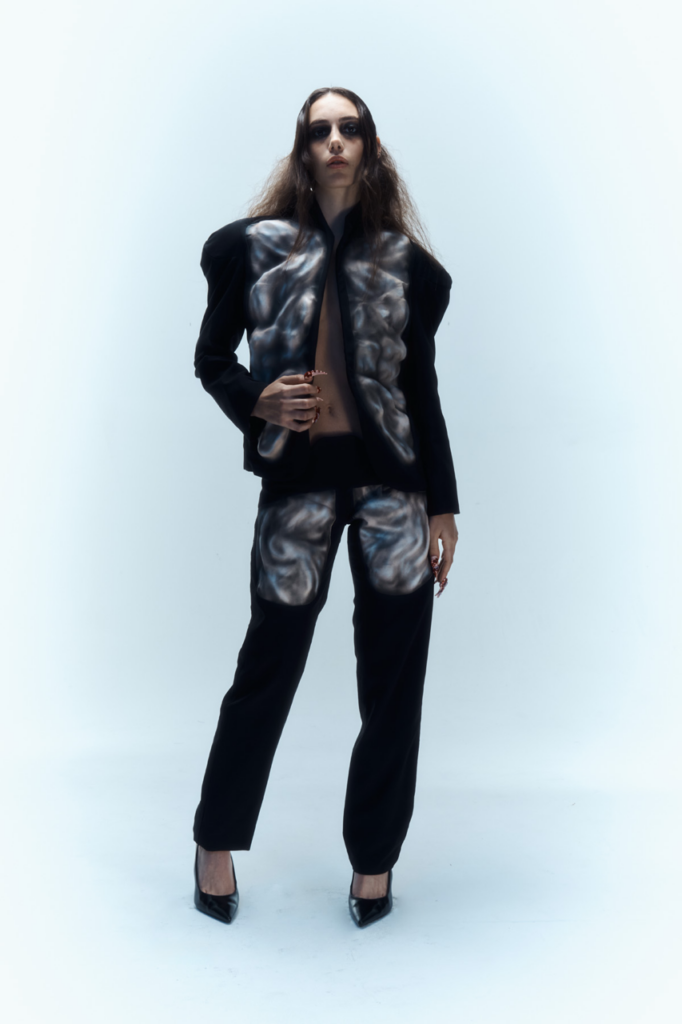
Rather than repeat old systems, Veronika breaks them apart. She draws influence from feminist thinkers like Kristeva, Bordo, and Nead, and from cultural references such as Arcane’s Jinx. These voices shaped her visual language and helped her move boldly into sensuality, vulnerability, and strength. “Their voices emboldened me to reclaim authorship over how the body is framed, perceived, and disrupted.”
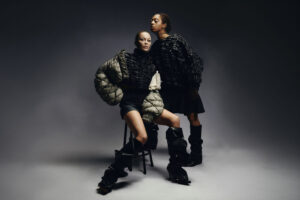
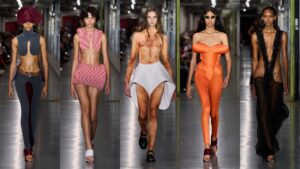
Her garments reflect a deliberate contrast. She pairs light poplin with rigid leather. Soft fabric gives way to 3D-printed bulges modeled after male anatomy. This duality, she says, mirrors womanhood: tough yet tender, soft yet unbreakable. “Society often demands we adopt a masculine edge to be respected, but our inner gentleness is just as real.” She fuses both traits, crafting garments meant to be inhabited, not just worn.
In a bold reversal, Veronika redirects the gaze onto the male body. She dissected its form, 3D-modeled anatomical fragments, and integrated them into garments worn by women. These forms don’t aim to flatter. Instead, they provoke, protect, and empower. “I wanted to mirror that mechanism back. Women carry the male body, as ornament, as armour, as shield.”
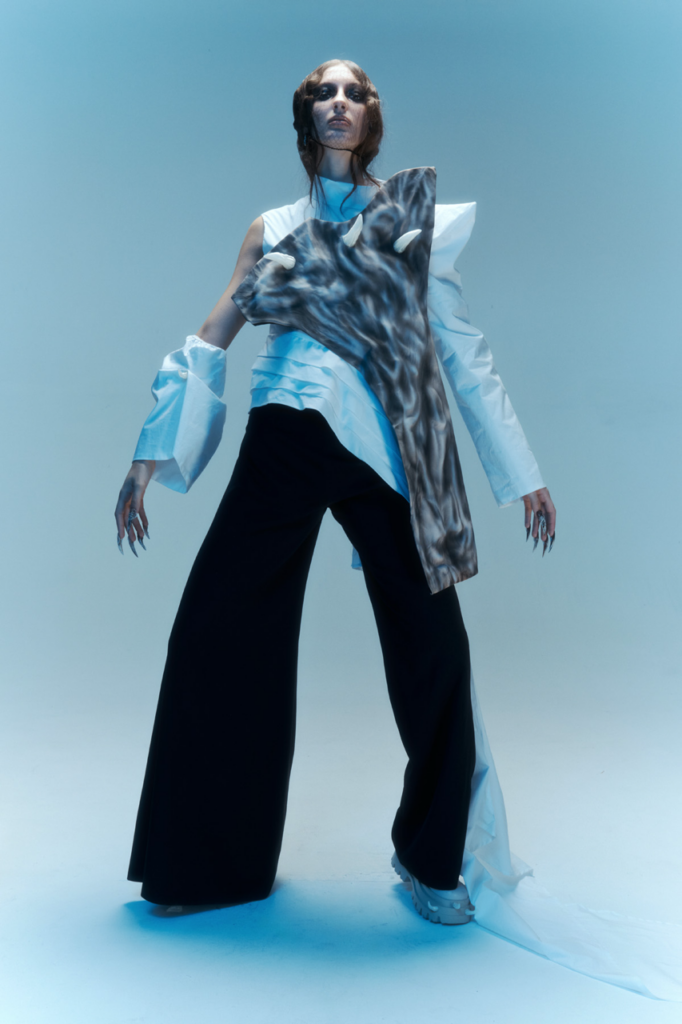
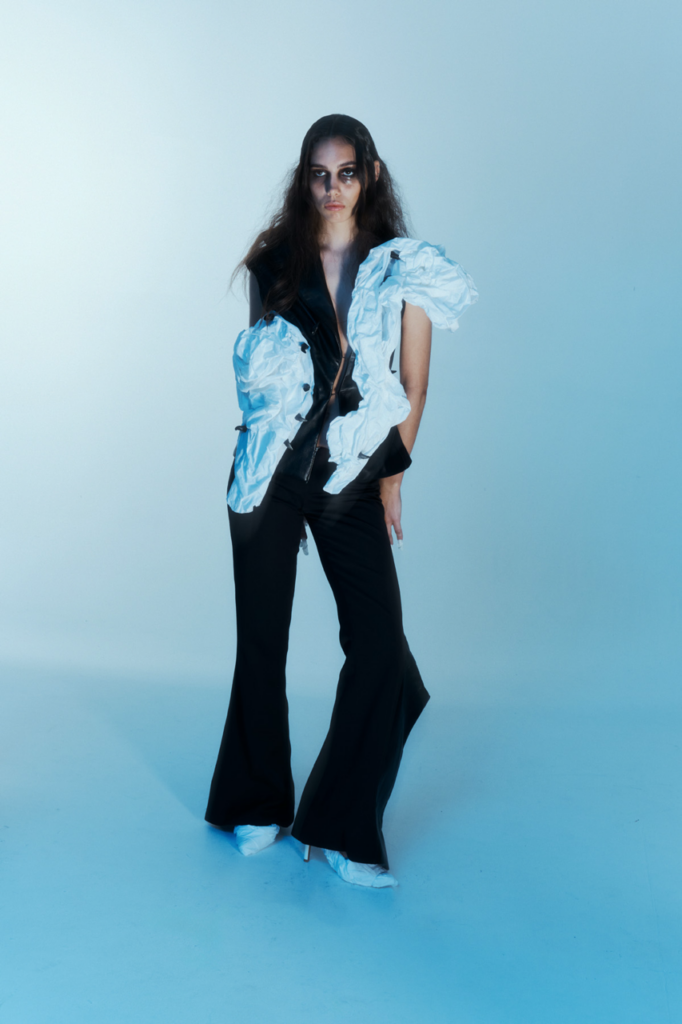
Creating these pieces pushed her technically and emotionally. She learned 3D modeling, worked with tough materials, and immersed herself in stories of pain and resistance. “It required empathy, vulnerability, and a constant internal dialogue,” she says. That emotional intensity shaped each design decision.
These aren’t everyday clothes. Rather, Veronika created statements. Her pieces resist ease. They demand to be felt, by the body, and by the viewer. She hopes anyone who steps into one experiences protection. “I want them to feel armour, not clothing.”
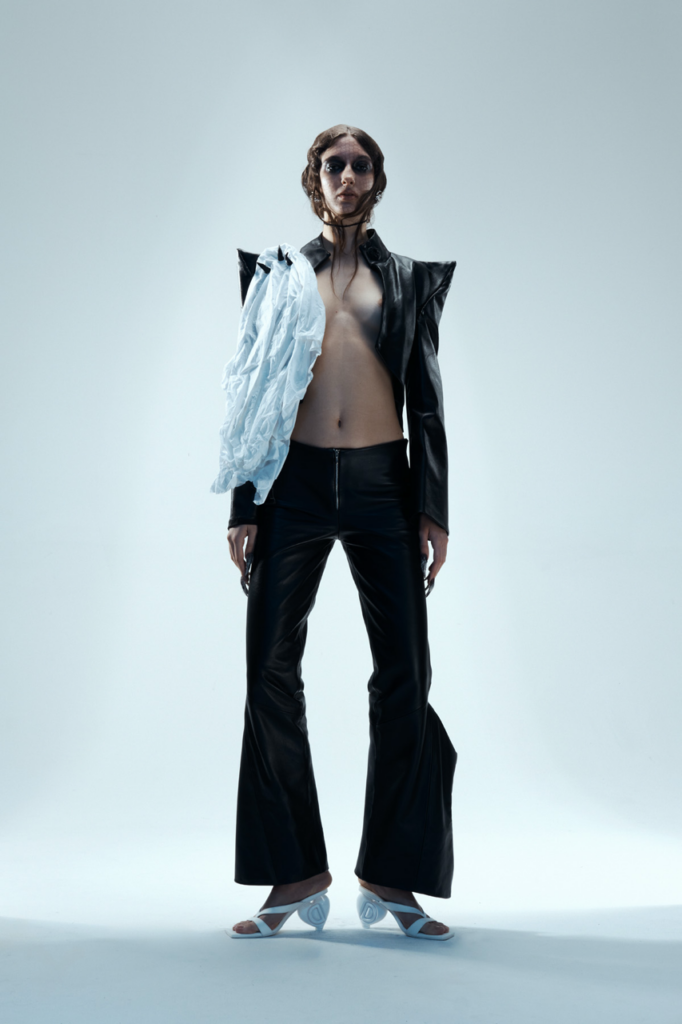
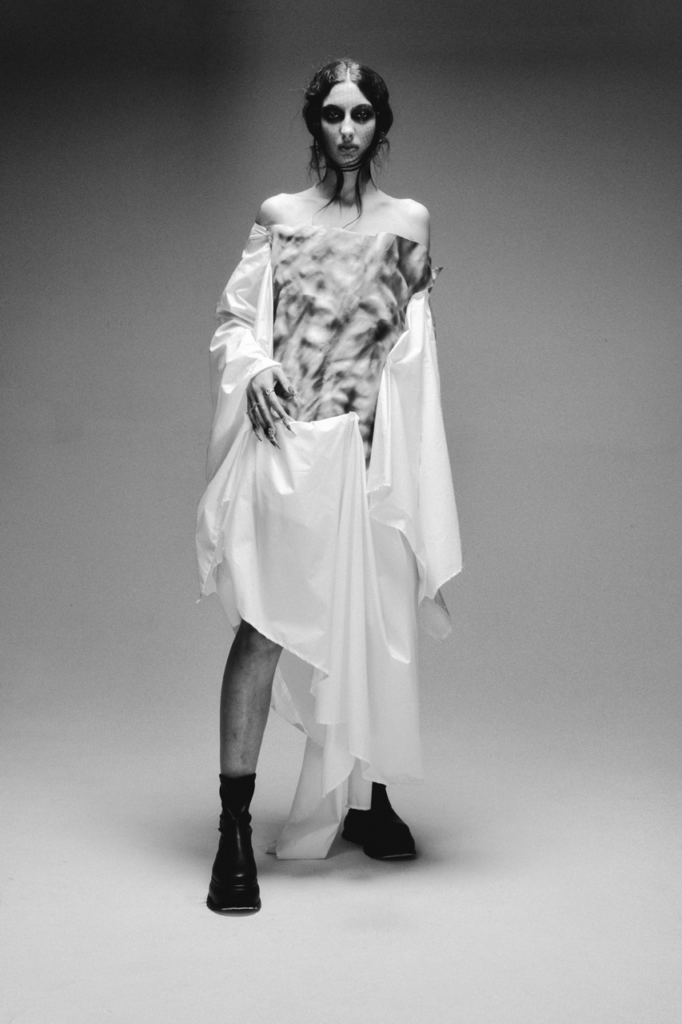
Her university studies gave her space to experiment, sharpen her voice, and explore cross-disciplinary methods. Beyond that, her creative team helped bring the vision to life. She laid the conceptual foundation, but each collaborator intuitively connected with the message and added their own strengths.
The collection sparked powerful reactions. Some people suggested she could have pushed the concept further into darkness. However, Veronika remains committed to her balance. “For me, elegance and brutality must coexist.”
Now, she’s already diving into new work, a collaboration that connects the female body with medieval references and anatomical constructions. She continues to examine how culture frames and distorts women. With each collection, Veronika turns research into rebellion, and vulnerability into vision.
In her hands, fashion becomes language, garments become armour, and the female body becomes its own storyteller.