
Sometimes, we have a stroke of good, or bad, luck, that can change everything in a second. Sometimes, it’s persistence and a healthy dose of stubborness what leads every person to change their destiny. In Cleiner Cabadías’ case, it’s a little bit of both, along with an undeniable talent.
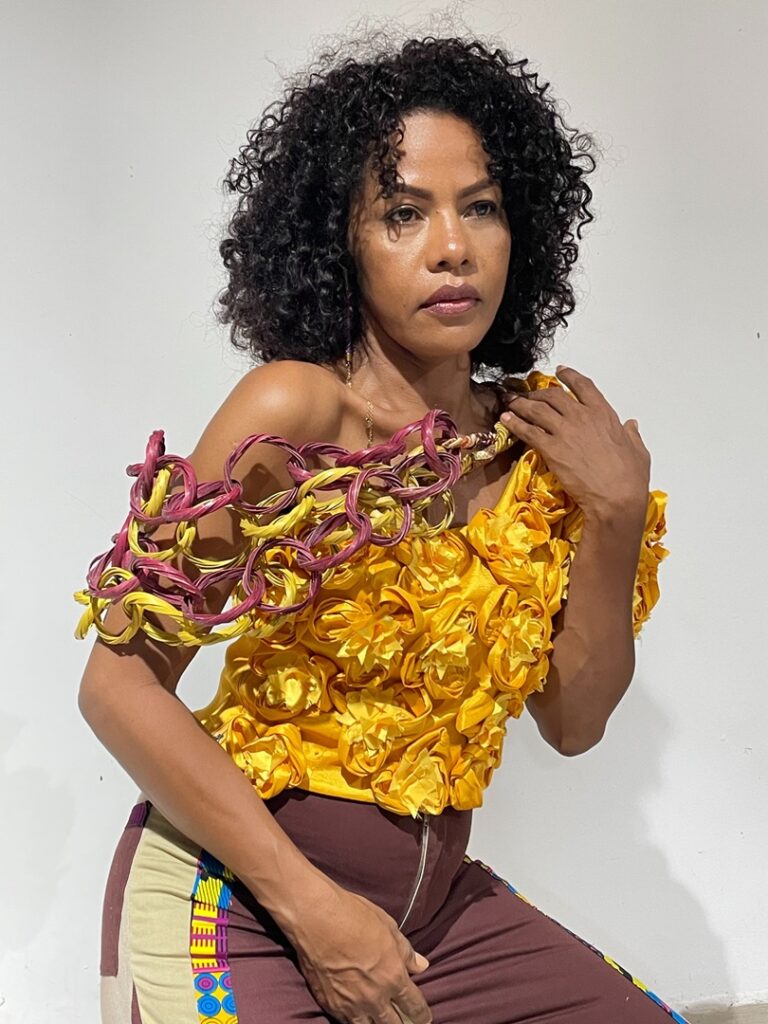
Hailing from Bojayá, Chocó, in the Colombian Pacific coast, at 13 Cleiner moved to Quibdó, the closest city, looking for opportunities and the chance of a more peaceful life along with her family. She learned tailoring techniques from her mother, who used to work as a seamstress, and officially kickstarted her career in fashion sewing clothes at a local shop when she was 18 years old. “When customers saw me, they told the shop owner to not let me touch their clothes because I was going to ruin them”, she remembers laughing. “I was going to sew them anyway, and when these ladies came in, they tried [the clothes] on and they fit them like a glove. That is how I grew, thanks to the customers and their respect for my work. Word of mouth is so important.”
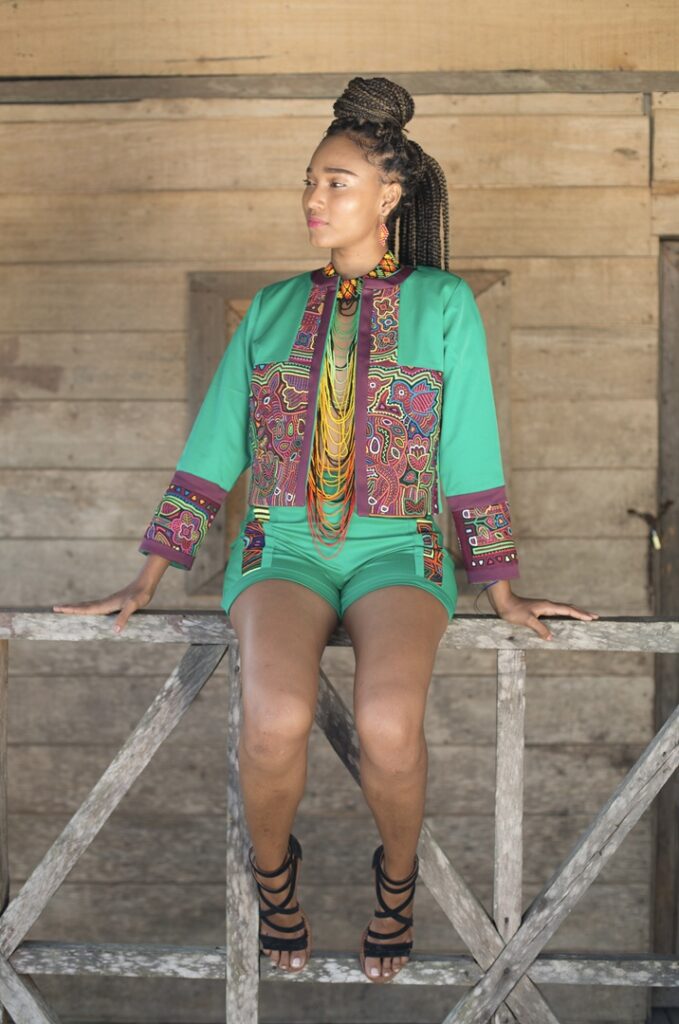
In 2015 Cleiner had her first experience with nationwide industry and media outlets in Medellín, thanks to a local journalist that took her story to the mainstream. She reminisces that day with both longing and humor. “I had never seen so many cameras in my life before. I was shook, my tongue was stuck, I even forgot my own name. It’s not that [journalists] were intimidating, they tried to help me, but it wasn’t possible.” Despite this inital setback, articles were posted on national press and caught interest from government agencies, which facilitated her first visit to the capital in 2016.
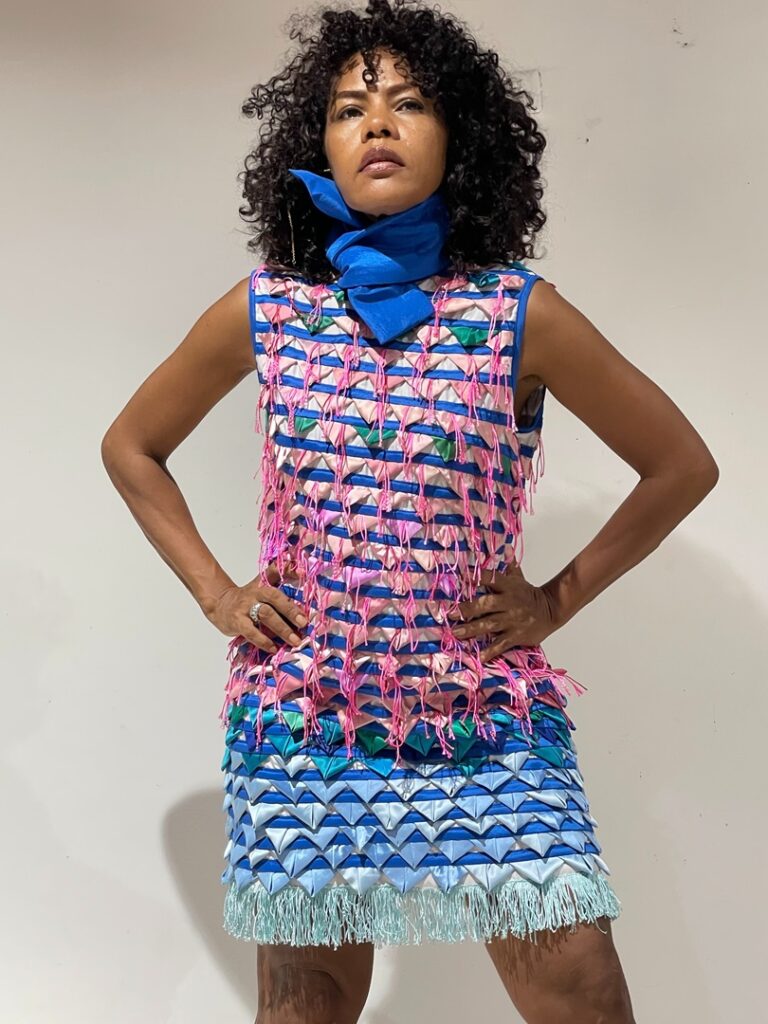
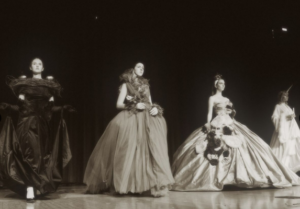
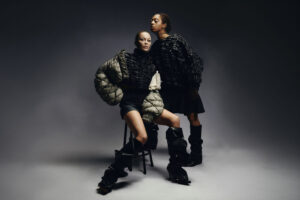
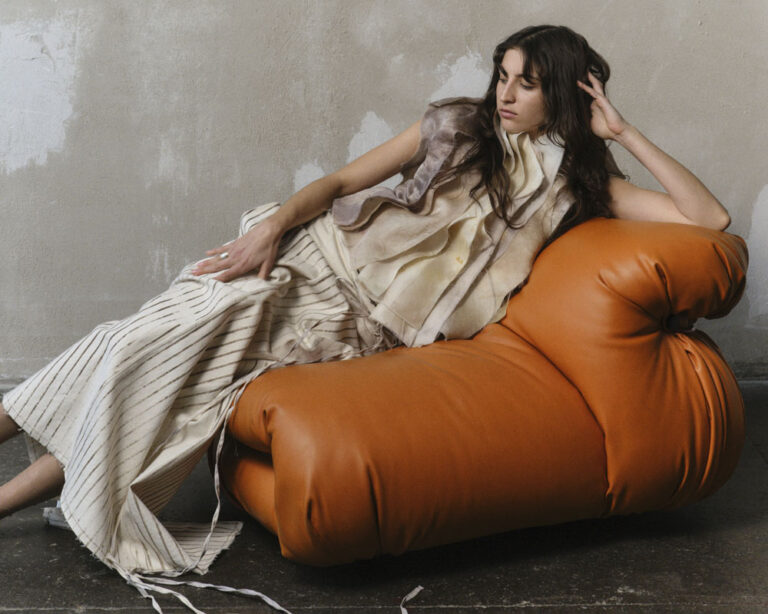
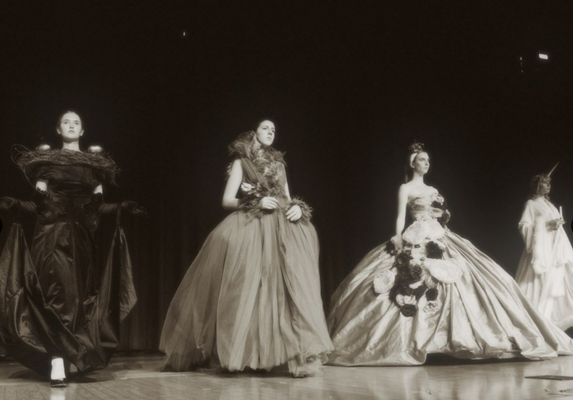
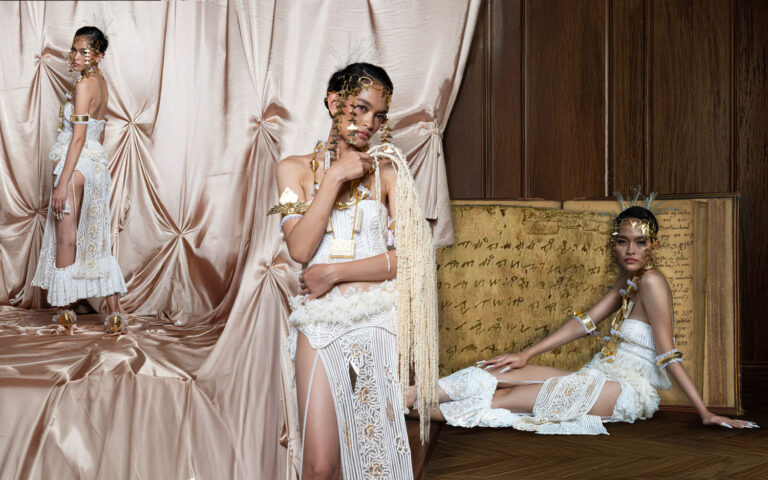
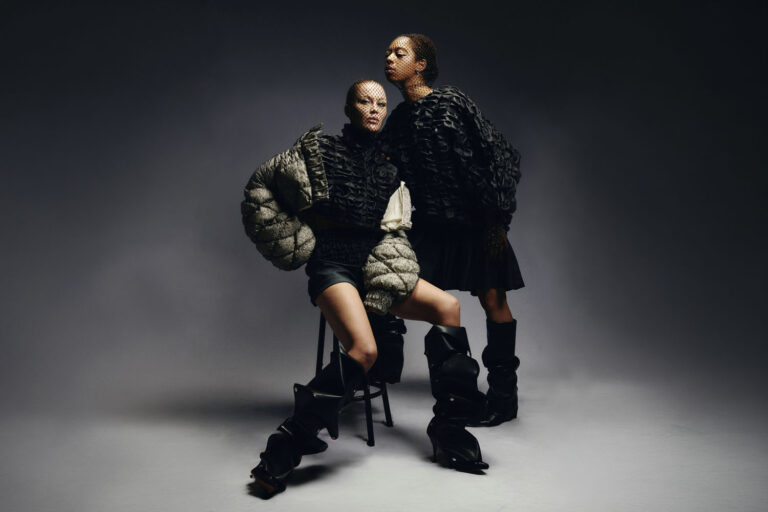
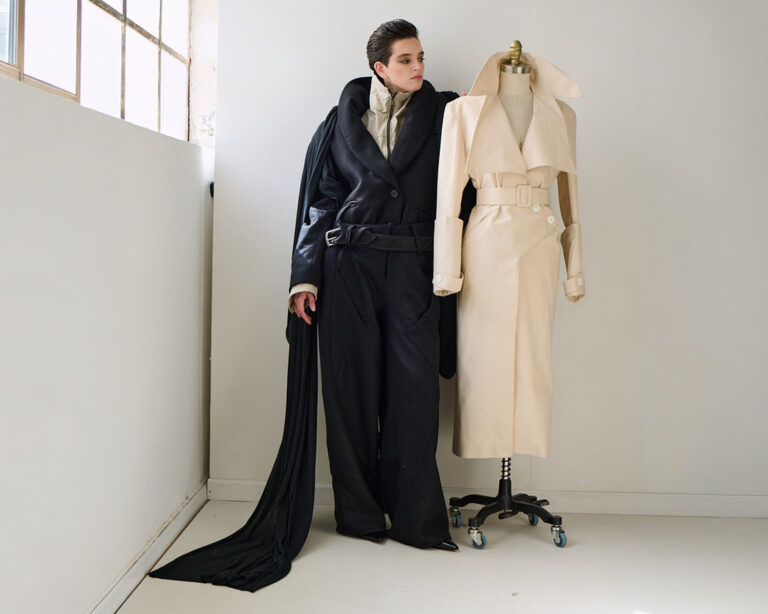
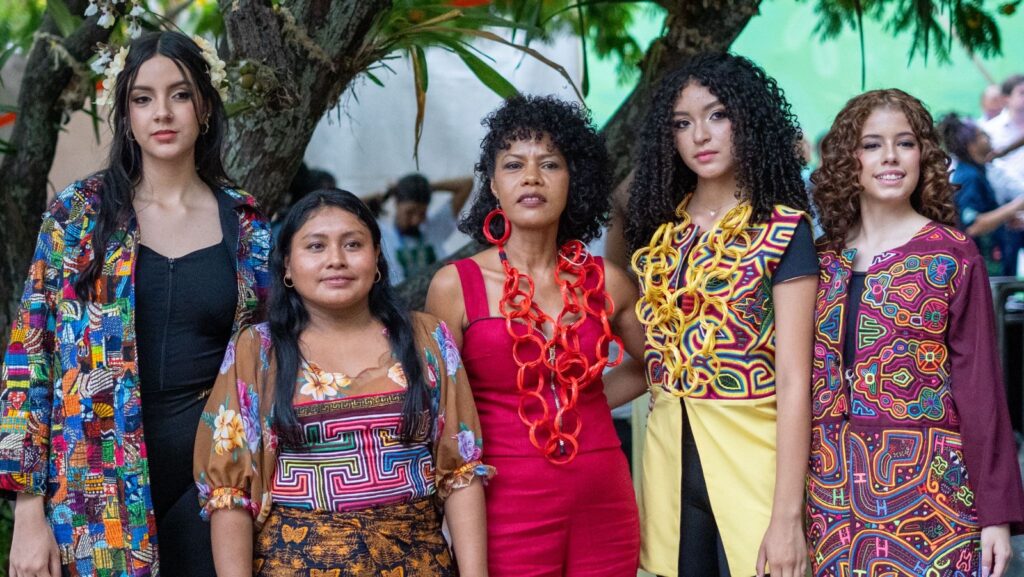
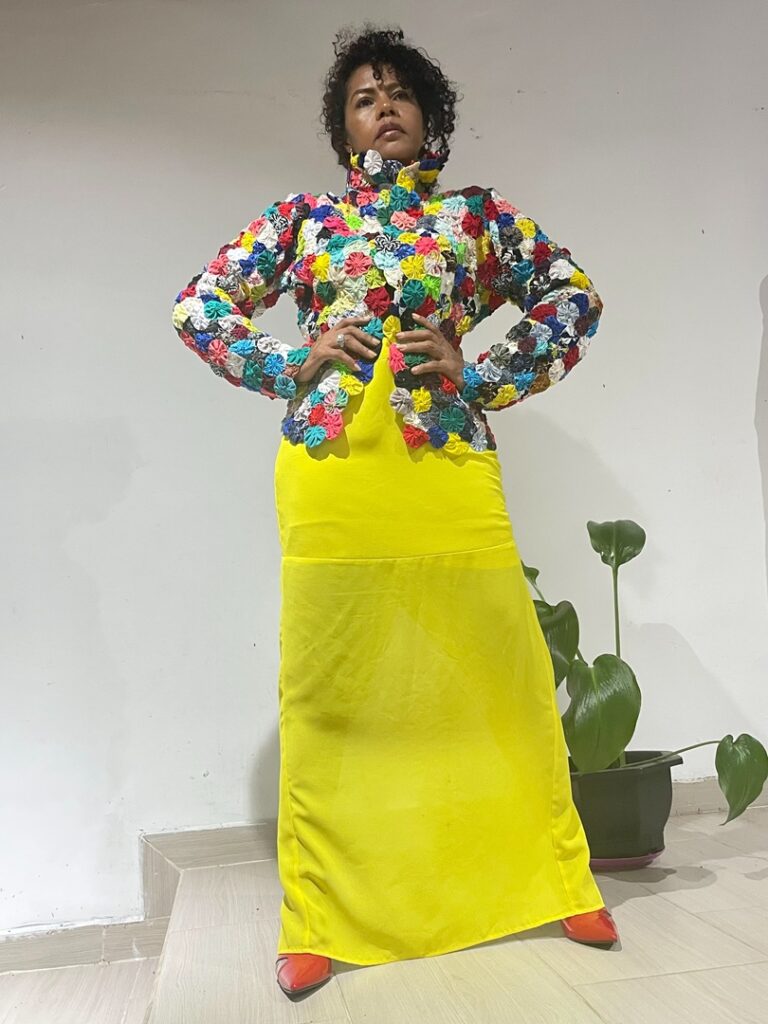
The collection she took with herself to Bogotá back then, as well as later ones, was inspired by native people of the Chocoan jungle, local biodiversity and a need to upcycle fabric scraps from previously manufactured garments in a sustainable way. “There are three lines in my brand: the party line for graduation ceremonies and Quinceañeras1 , which is my best-selling line. With the scraps from the clothes I make for the first line, I create the second, more sustainable line. Lastly, I have my ethnic line, the one that gave me the most recognition across the country. While it’s not the most profitable one, there’s a huge audience for it, and I do it as best as I can, with love”.
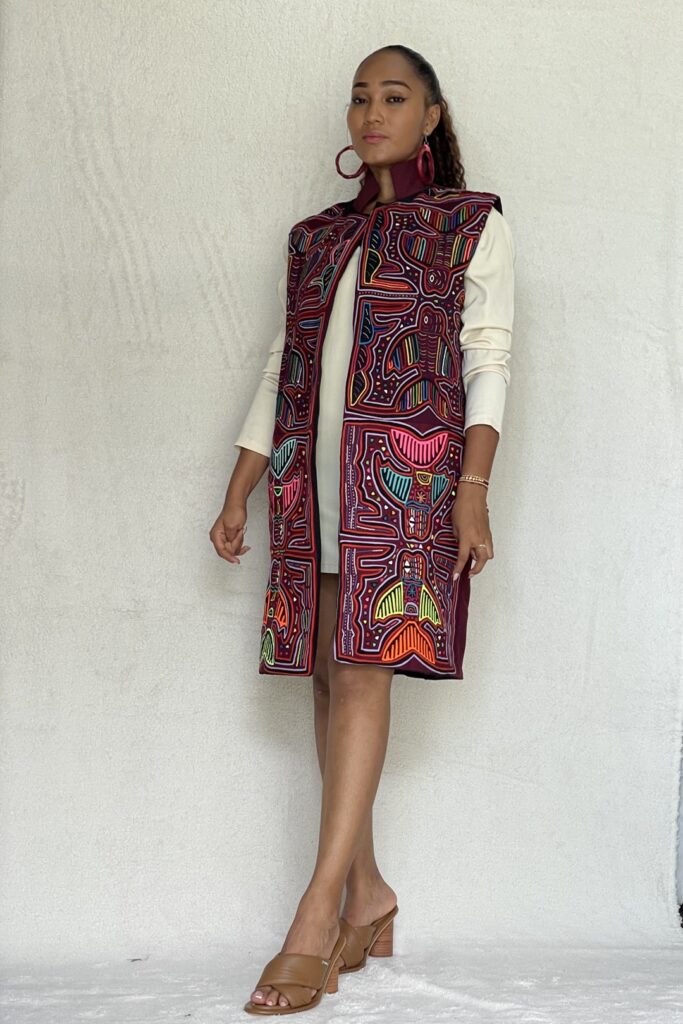
However, and as it’s usually the case with all creative industries in Colombia, this work wasn’t always adequately compensated. “I used to sell my work for very little”, Cleiner states decisively. “It wasn’t a question of if my work was good enough, because it’s always been good enough, but I couldn’t cover the costs. We went through so much, but an upside was when media started giving us attention, elevating our work, and we became more respected. The same customers who rejected us ran to our shop to buy our bags when they saw us on TV, and by then we changed our prices. If they want our bags, they will have to pay for them.”
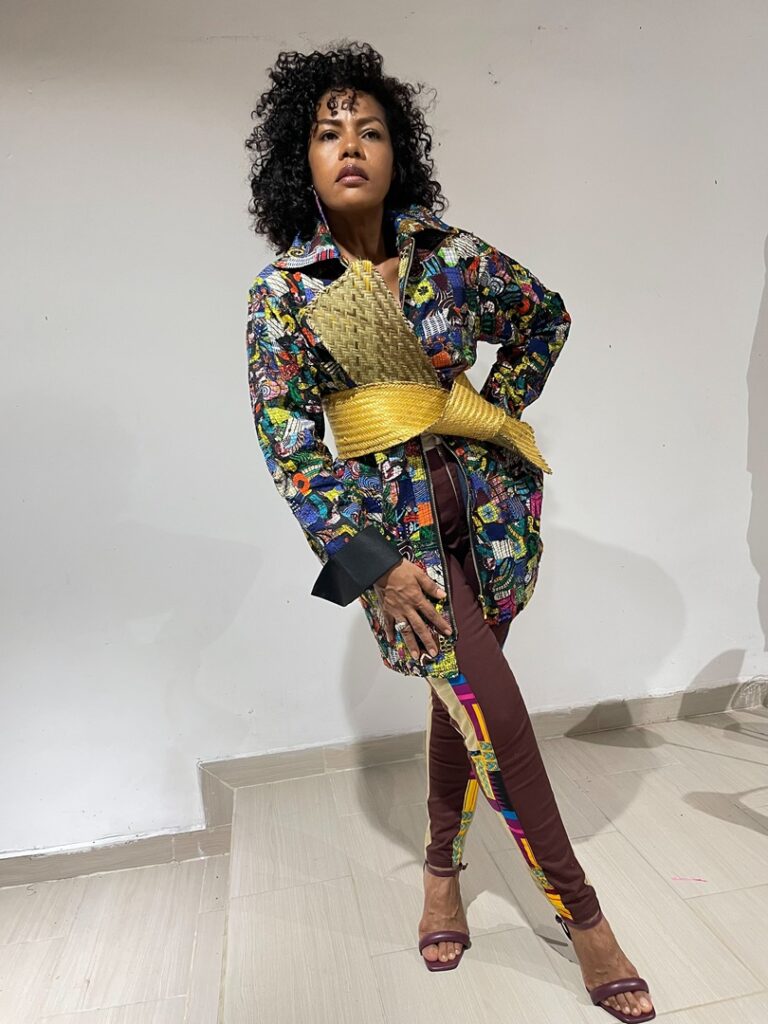
Thinking about the possibility that fashion from her region becomes well-known in the same way Silvia Tcherassi – one of her main references – did, Cleiner stresses the need to create a corresponding fashion education system. “Talent in Chocó in all industries is huge, but there’s nowhere to study to get a degree in fashion. A while ago, craftsmanship and tailoring weren’t respected [as serious jobs], and even today most Chocoans want to be doctors, engineers, lawyers, surgeons… in fact, it was only until very recently that we started having bachelor degrees in environmental studies.”
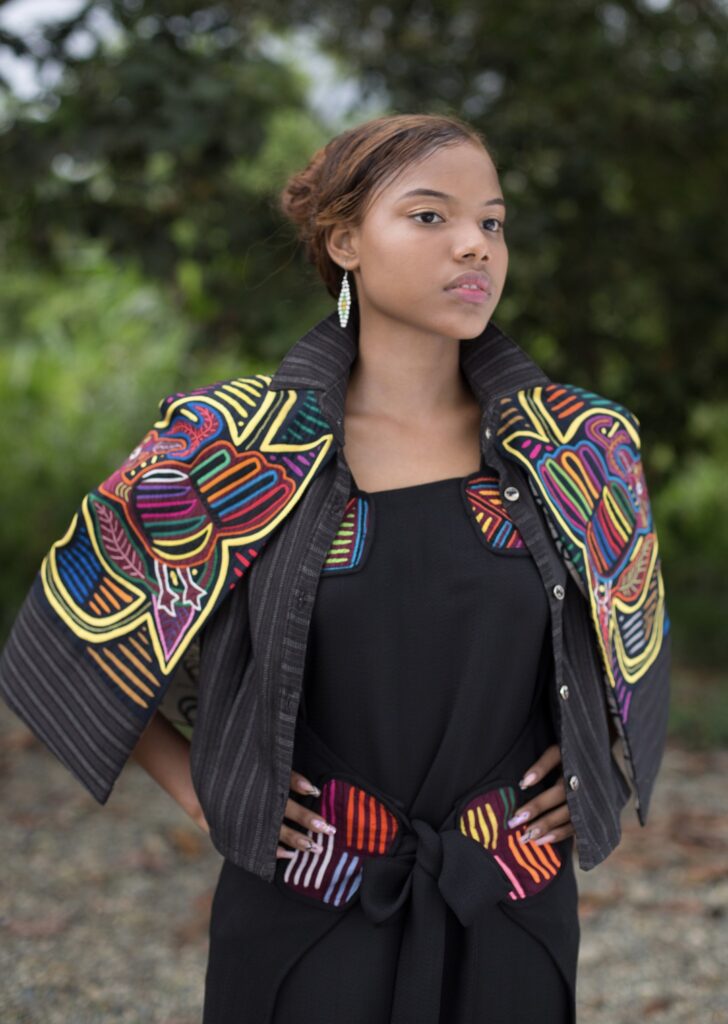
In such context, she considers that being authentic is crucial: “We must be original, different, and never forget where we came from. The first collection I ever released was called Memoria de Campo [“Memories from the countryside” in Spanish], and there I draw images from the country side on the pieces, jungles and rivers. I staged a runway show on an eco-trail in Tutunendo, a town in Chocó. I like being different because, if you are just like everyone else, no one will see you.”
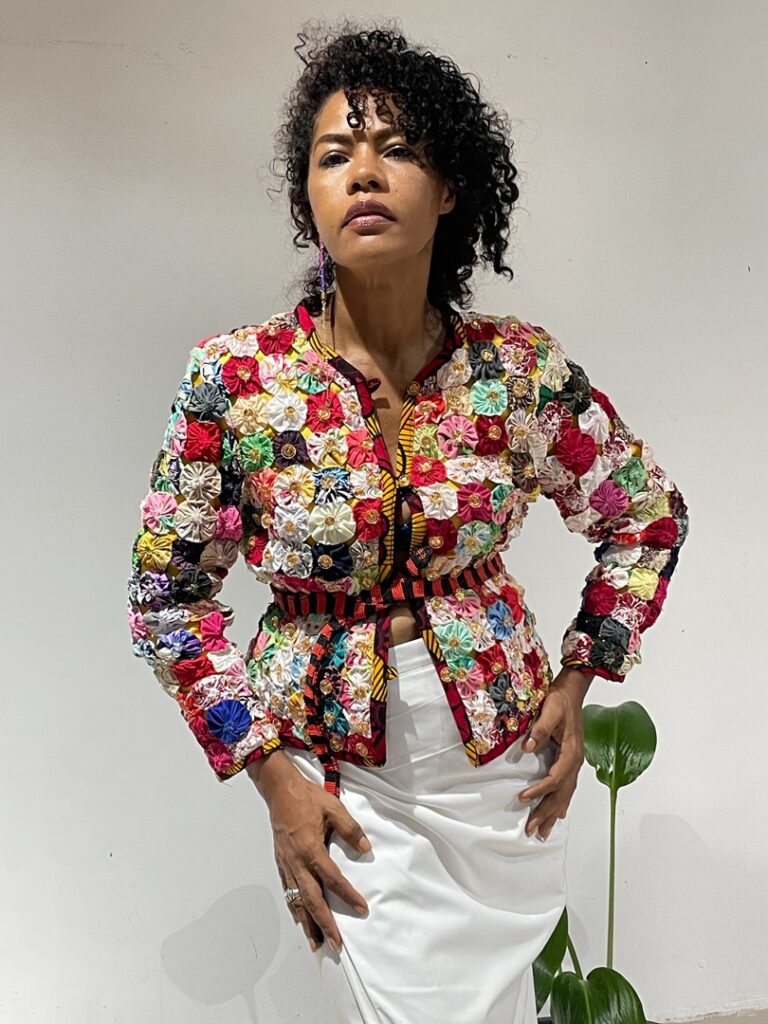
Finally, Cleiner Cabadías highlights the importance of creativity as a core value: “I tell everyone to study fashion design, to paint. It’s an enjoyable job, a therapy for your mind.” And she doesn’t hesitate to give a chance to those who deserve and need one: “There was a 13 year old girl that kept on staring at my atelier when she passed by, I heard she wanted to learn, so I talked to her mom and took her in as an assistant. She started by picking up textile scraps so she could understand the process and learn little by little. Some time after that, she told me she decided to study fashion design.”
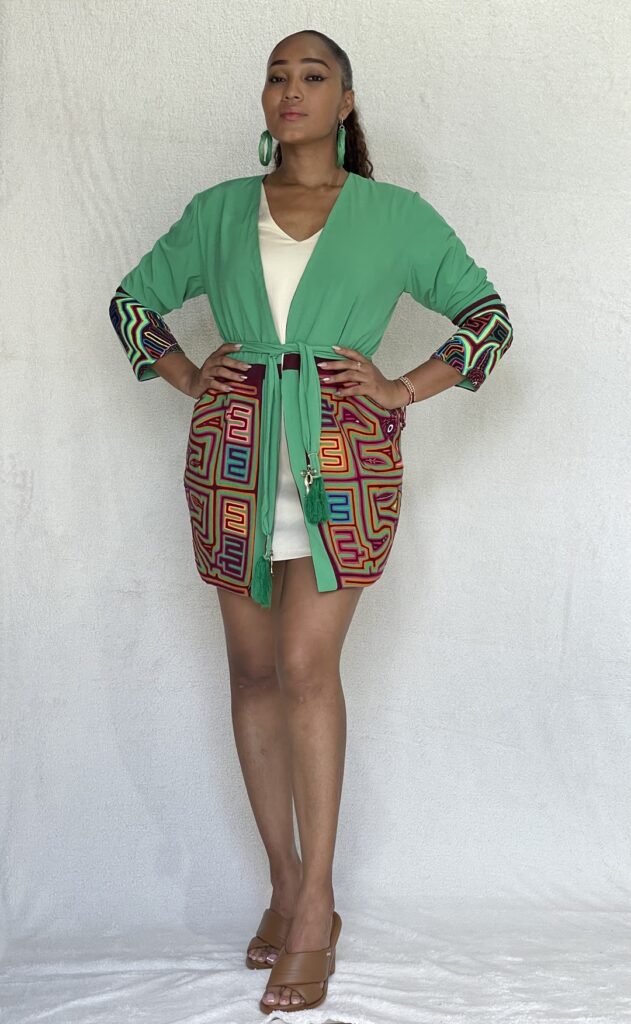
Full of satisfaction, her conclusion is that life has rewarded her for betting on herself and her talent: “I’ve had a great time. Thanks to this job I’ve travelled, and I have a lot of fun with what I do.” And tops it off by saying: “If people is going to remember me, it shall be as someone who went above and beyond and was able to overcome many difficulties. I want people to know that we can be resilient, and that when we overcome adversities it’s because there is something better waiting for us.”
- A birthday party for teenage girls when they turn 15 years old, which is considered their iniciation into womanhood, and is a wide-spread tradition across Latin American countries. ↩︎