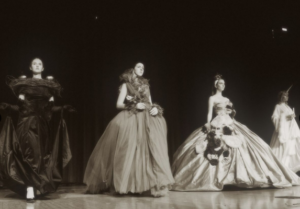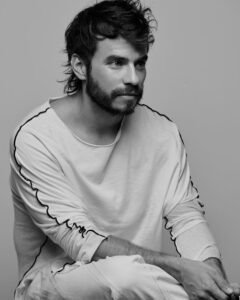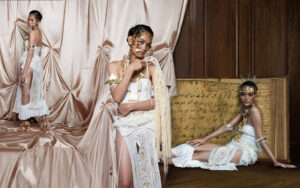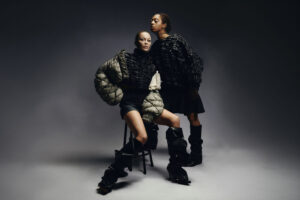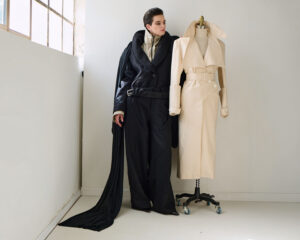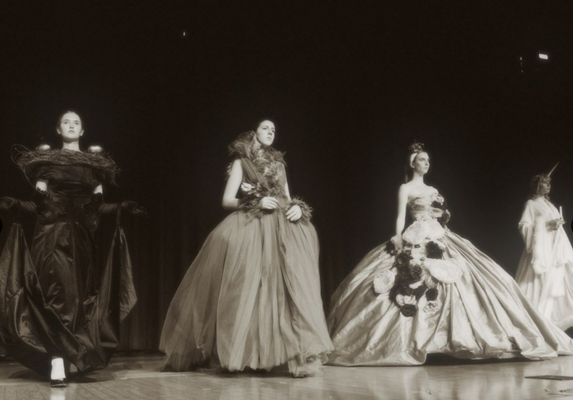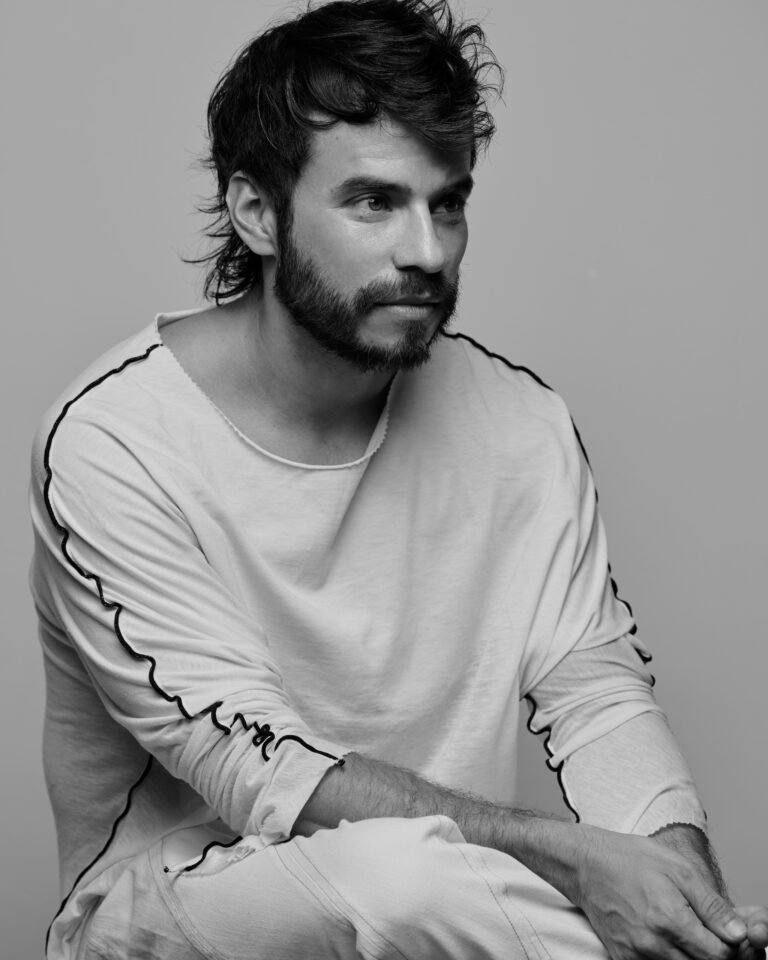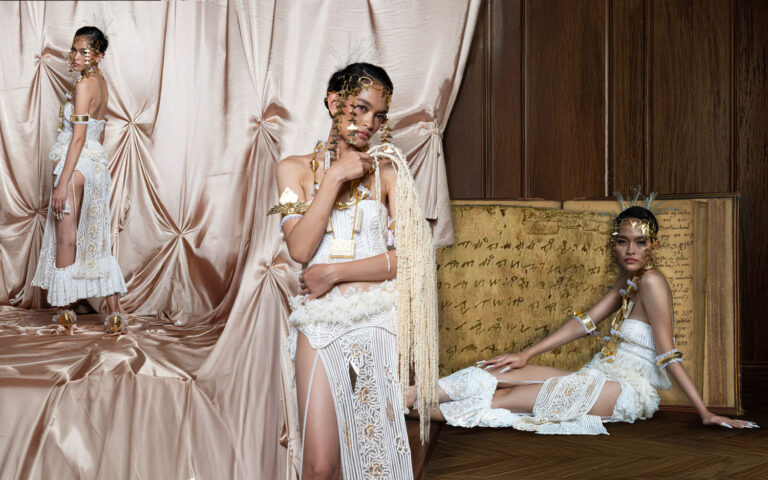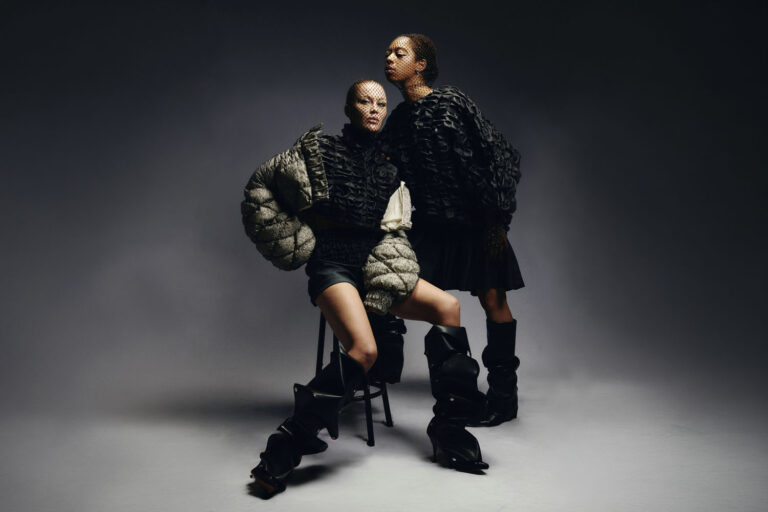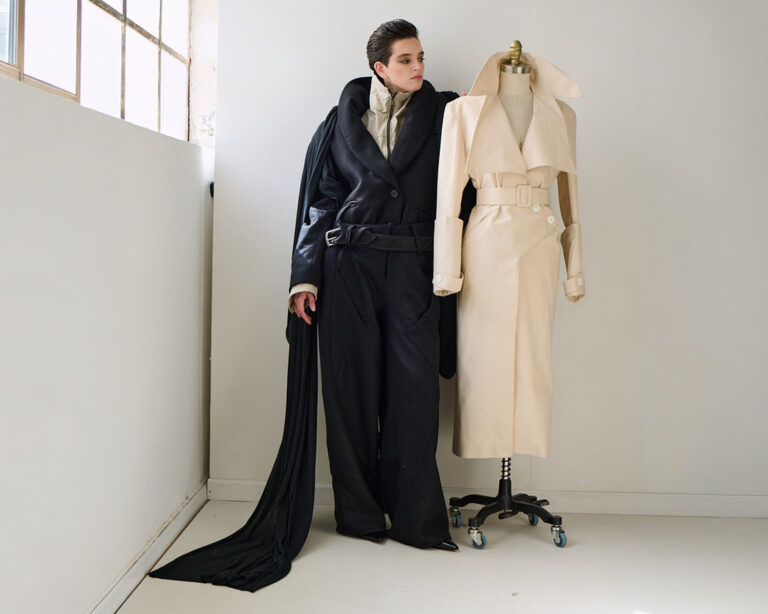


In New York City, where daily life runs on strict rhythms, emerging designers Hyungmin Lee and Hirotaro Murayama are reshaping what uniforms mean. Their project HTML 7277, founded at the Fashion Institute of Technology, turns order into a stage for individuality and quiet rebellion. For them, fashion begins with a question: why do control, order, and repetition feel oppressive yet sometimes strangely beautiful? The answer lies in the tension between structure and disruption, a tension that defines every garment they create.
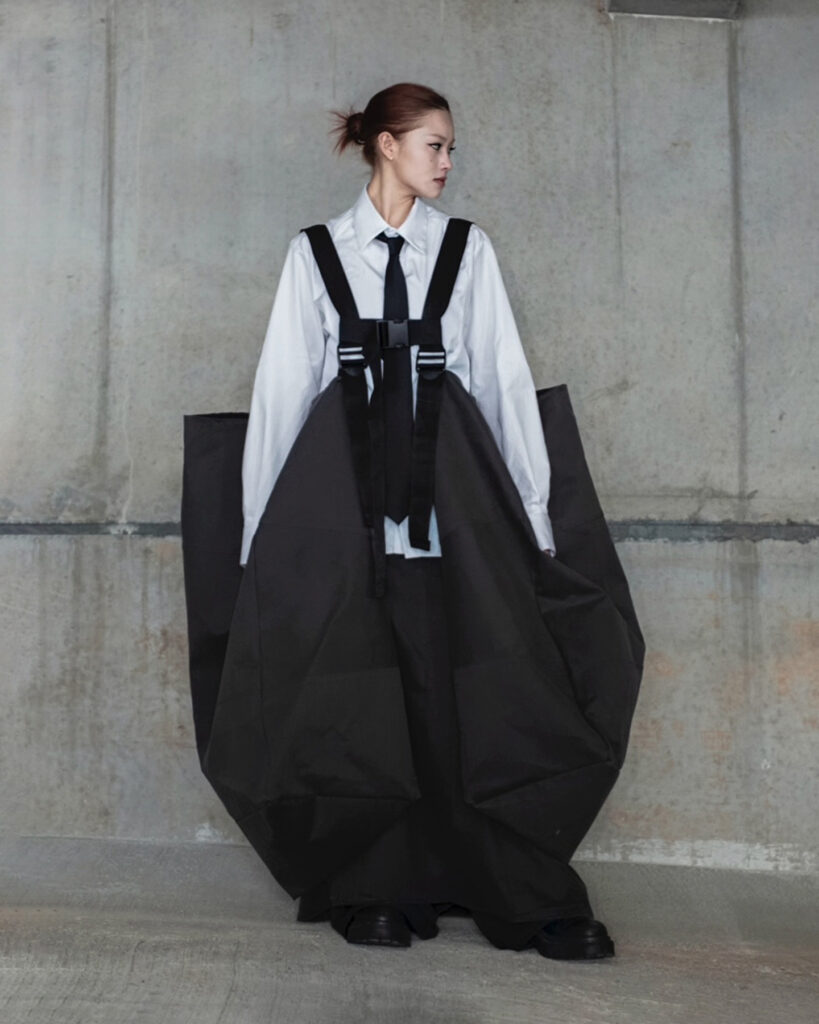
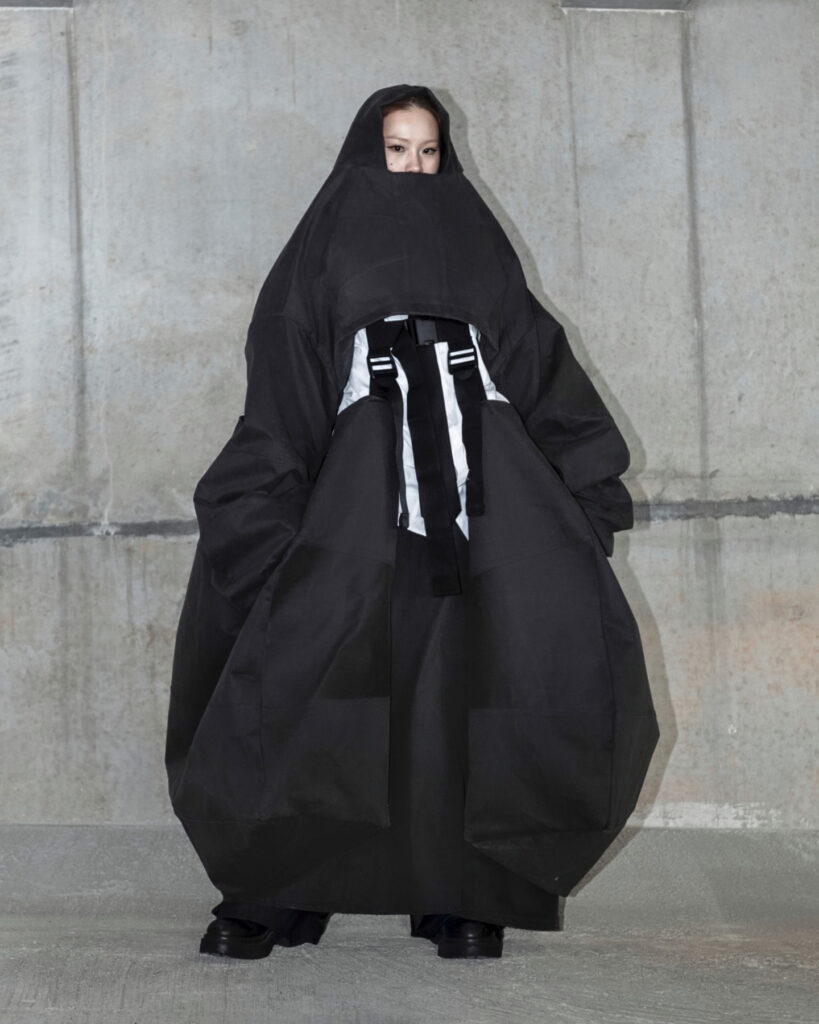
“Order can provide comfort but also suffocation,” Lee explains. Both designers grew up in disciplined environments. In South Korea and Japan, uniforms and morning assemblies created daily rituals of control. “Although the world around us often appeared free, it always felt like we were living within a precisely controlled system,” Lee recalls. Later in New York, even in a different culture and lifestyle, the flow of commuters and the people wearing uniforms reminded them of the idea. HTML 7277 grew from that realization, revealing both the reassurance and the restraint found in repetition.
Rather than borrowing dystopian imagery from novels like Brave New World, the designers translate those ideas into the very construction of clothing. They set rules for each collection: limits on ornamentation, color, and seam placement. From those restrictions, new silhouettes emerge. “Uniforms seem quiet, but their ideology is powerful,” says Lee. HTML 7277 preserves the durable fabrics and stable proportions of institutional garments but distorts the grid. Side seams vanish, darts move into unexpected places, plackets shift off-center. At first glance, the pieces appear disciplined. On closer inspection, they reveal cracks in the system.
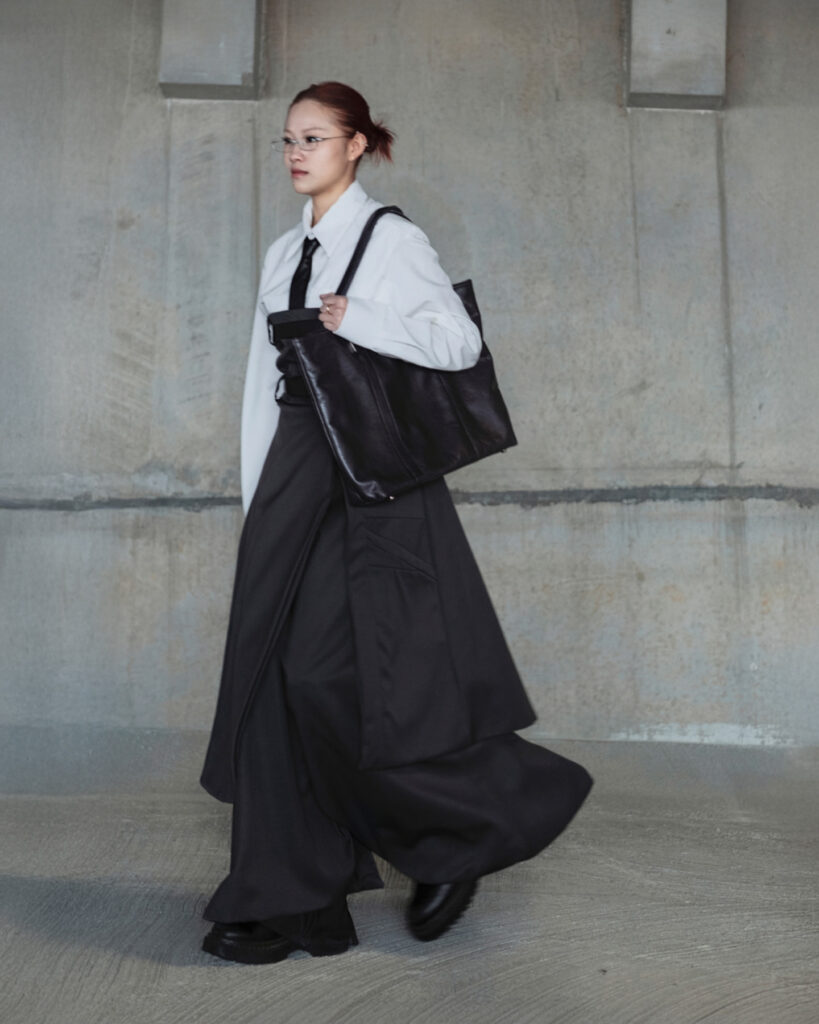
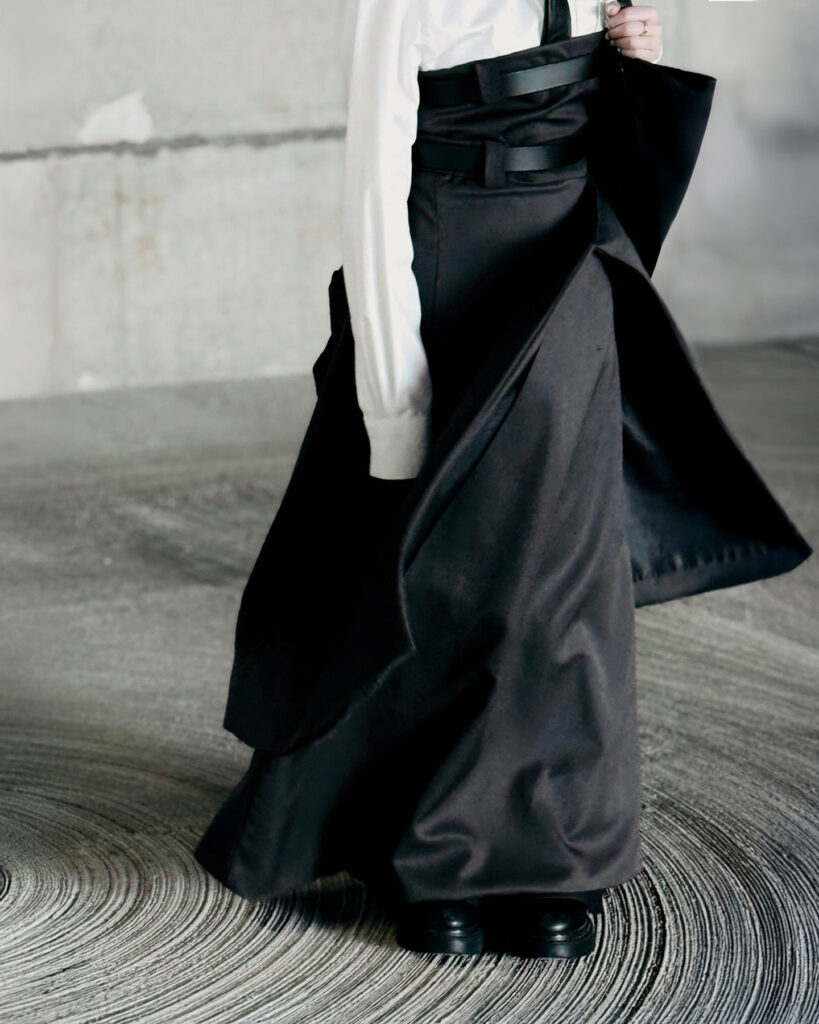
Sustainability strengthens this design language. Every garment is cut from deadstock fabric, which imposes its own limits. Scarcity becomes part of the narrative. A jacket might exist in only twelve editions because the material ends there. “Regulation here becomes ecological, not just conceptual,” the designers explain. Each variation in texture, patina, or wear adds character. In this way, sustainability is not only an ethical choice but an aesthetic one, shaping both the design and the story.
Their approach to pattern-making further distinguishes HTML 7277. Rather than relying heavily on sketches, they design directly through cuts on paper. This method allows them to rethink the assumptions of ready-to-wear. They ask if trousers must always divide into front and back panels, if seams must run in predictable lines, or if pockets must sit in traditional places. “We begin with strict pattern logic, our version of a constitution,” Lee explains. “On top of that, we design small exits: modular panels, adjustable pleats, hidden vents, convertible closures.” The foundation remains regulated, but the wearer chooses how to bend the rules. Rebellion is present not through loud gestures but within the architecture of the garment itself.
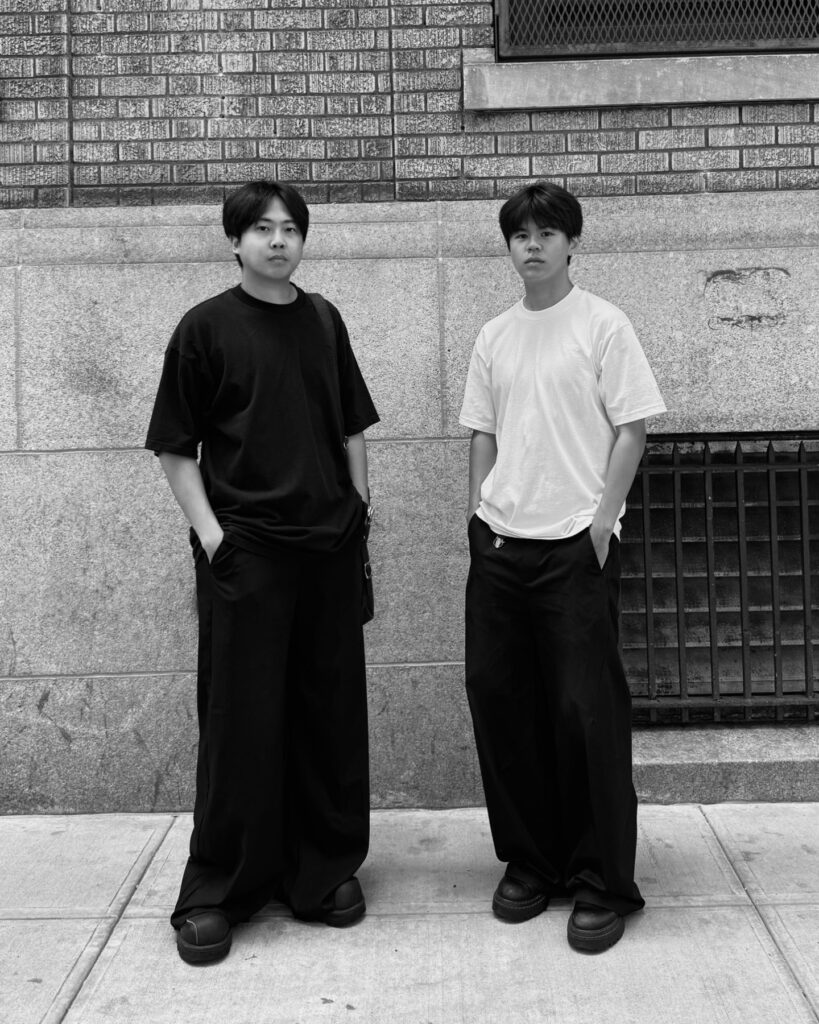
The designers’ partnership adds another layer of strength. Lee often pushes for experimentation, while Murayama pursues simplicity. Their meetings become debates, exchanges of research, and constant testing of even the smallest ideas if they show “one percent potential.” That push and pull produces a synthesis that balances rigor with invention, critique with creativity, and discipline with disruption.
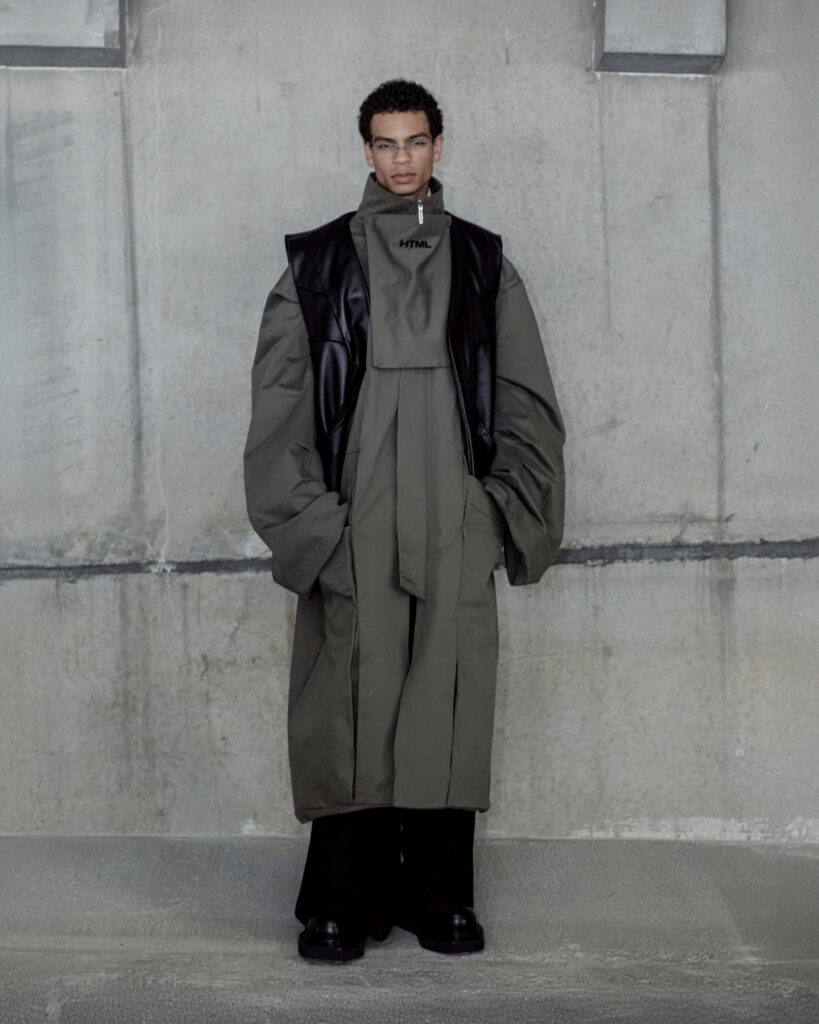
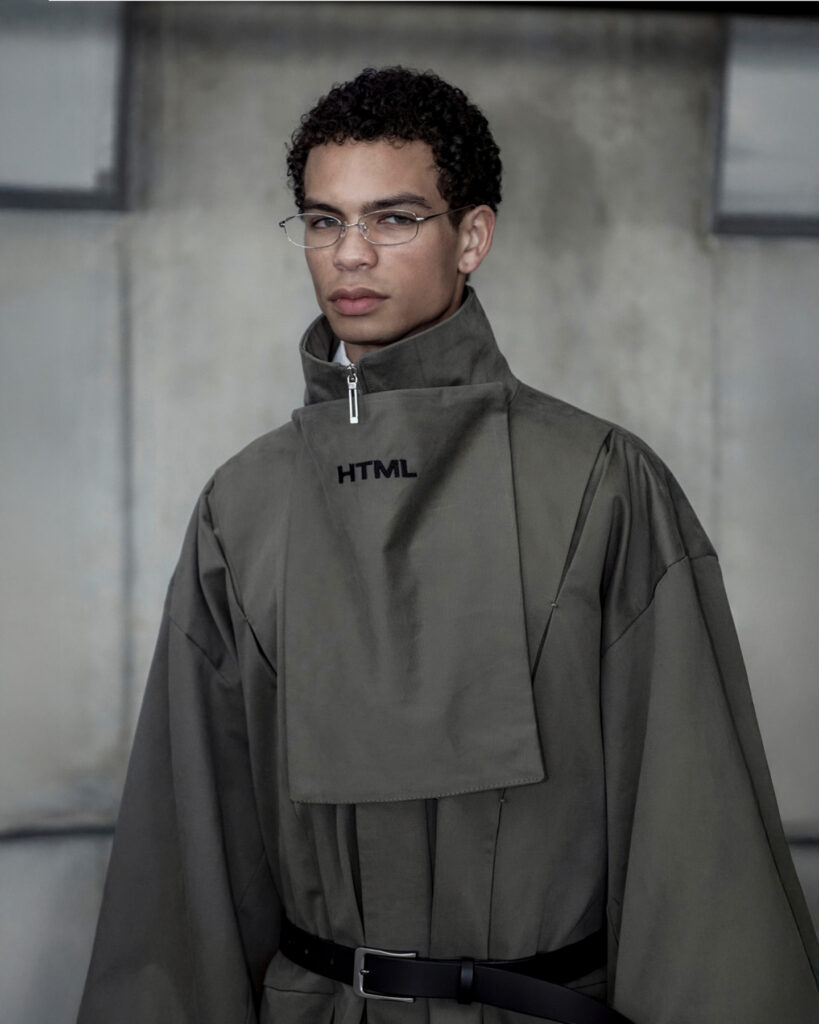
On 9/20, HTML 7277 will unveil its vision with its first New York exhibition at The Blanc, 15E 40th Street, New York. More than a presentation of clothing, the event will immerse visitors in an environment where order and fracture coexist. Uniforms, codes, and systems will be dismantled and rebuilt, creating what the designers describe as “an unfamiliar yet beautiful tension.” The exhibition invites guests not only to view garments but to step inside the designers’ imagined world.
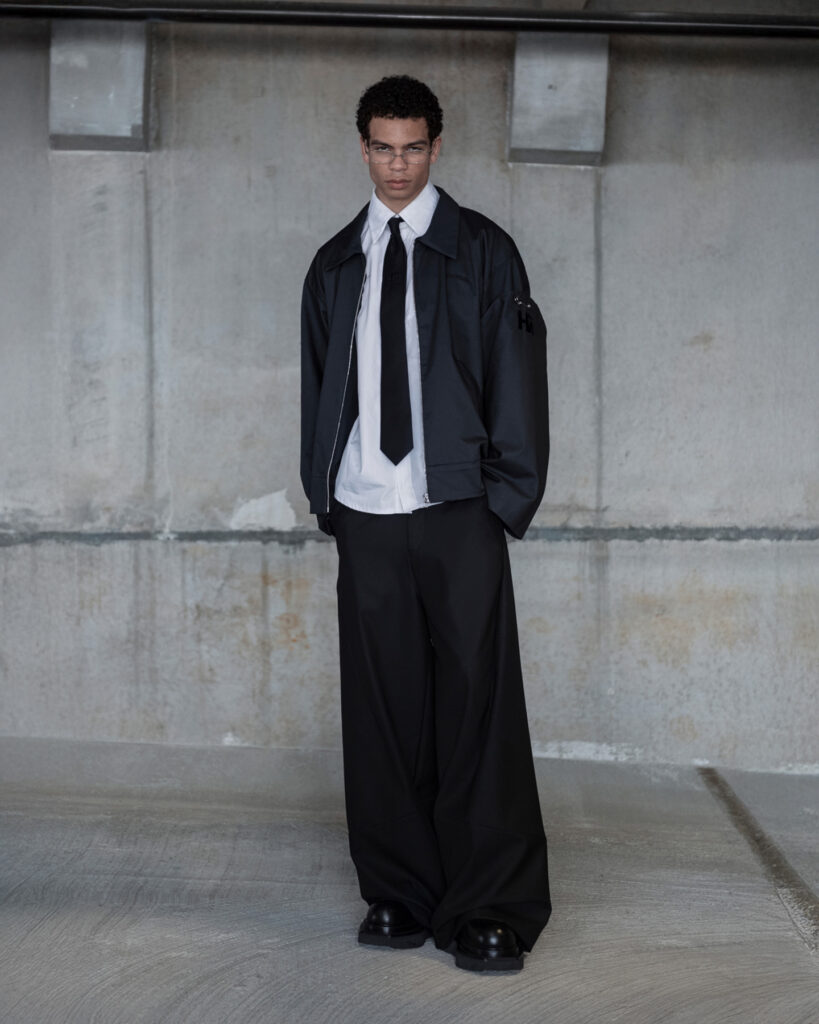
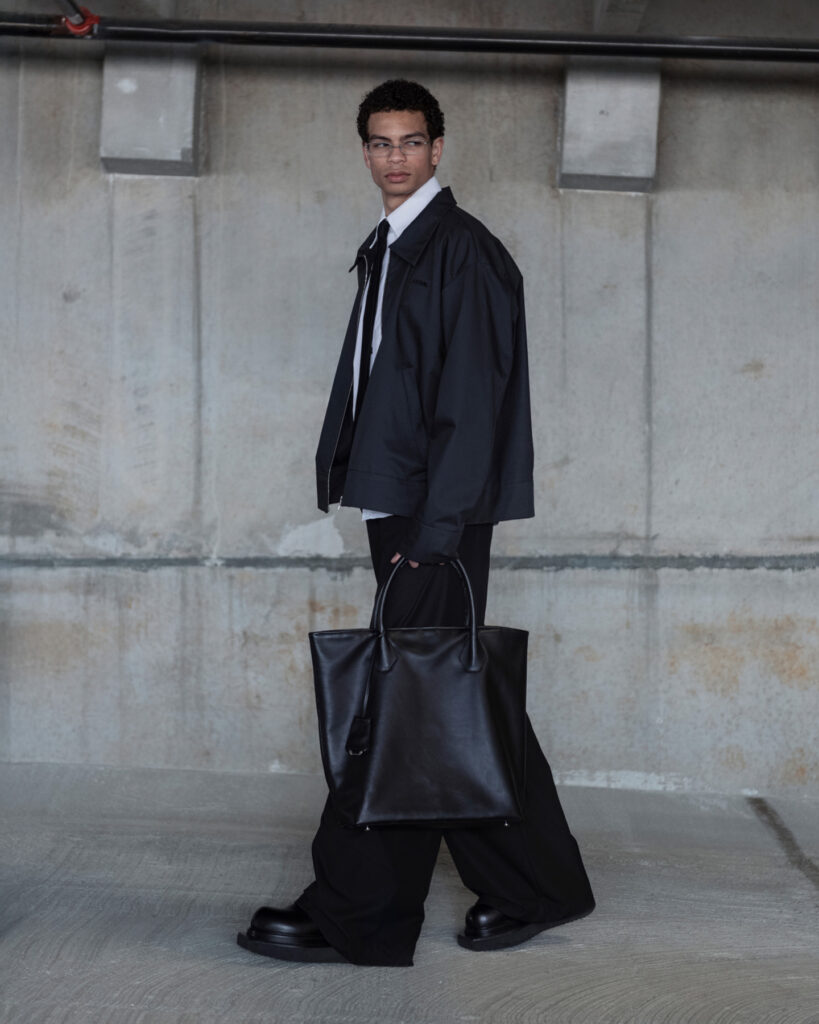
Looking to the future, Lee and Murayama see HTML 7277 expanding beyond fashion into a wider cultural system. They envision exhibitions, media projects, and collaborations that deepen the story. “We want HTML not only to make people realize the strictness of everyday life but also to build a new system and culture of its own,” they explain. Even the project’s name reflects this vision. HTML references the coding language, while the numbers 72 and 77 align with the ASCII codes for H and M, a nod to how systems classify identity. In their view, garments function like markup: structured and coded, yet interpreted differently by each wearer.
In a city where uniforms and repetition often fade into the background, HTML 7277 insists we look closer. The project shows that even the most rigid frameworks can bend, distort, and open space for individuality. With each collection, Hyungmin Lee and Hirotaro Murayama prove that emerging designers in NYC can redefine uniforms, sustainability, and identity for a new era of fashion.