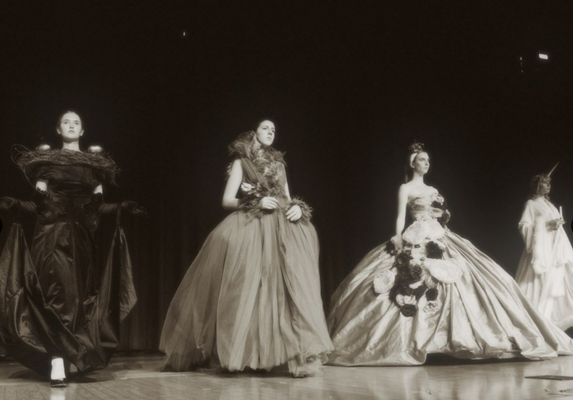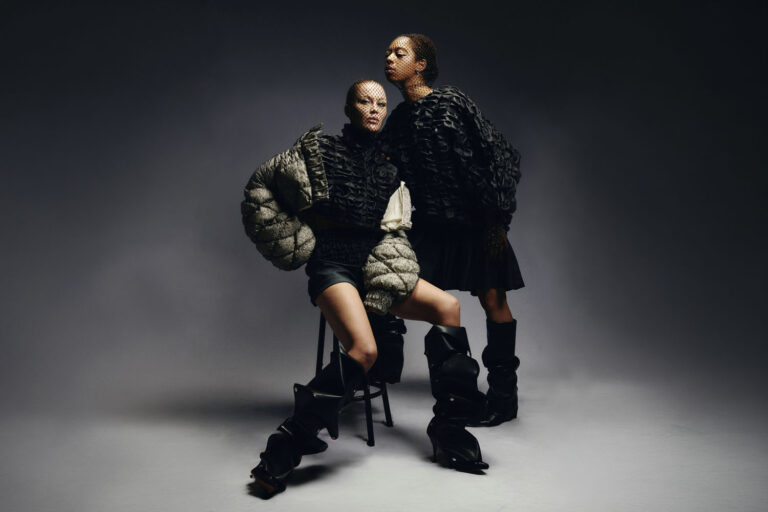


For Monterrey-based fashion design student Grettel Salgado, fabric isn’t just material, it’s memory, emotion, and rebellion. In her latest project at the Universidad de Monterrey (UDEM), Grettel transforms threads, paper, and plastic into a tactile narrative of self-discovery, challenging the rigid expectations of family, culture, and perfectionism.
“I grew up in a family where perfection was the measure of worth,” she explains. “Mistakes weren’t allowed. Achievements only counted if they met an impossible standard.” Grettel’s collection is a direct response to that upbringing, a visual and emotional confrontation with the need to be flawless, and the quiet rebellion that comes with choosing to be imperfect.


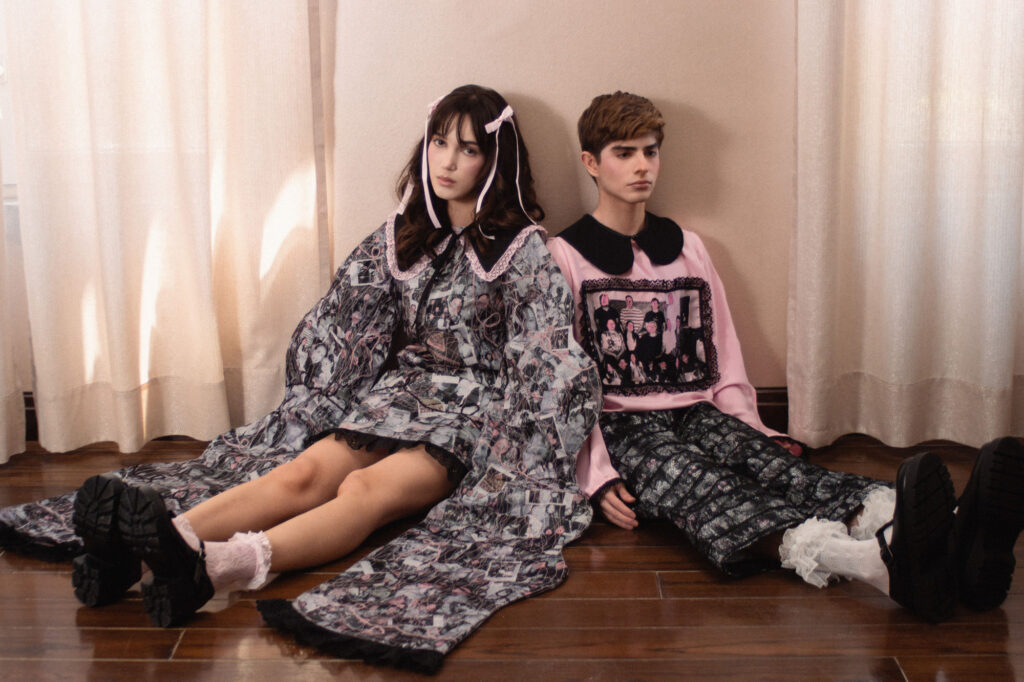
At the heart of the project is textile experimentation, a method that allowed her to externalize what she had long internalized. The dress in her collection, for instance, was constructed using poplin fabric, bond paper, yarns, and mesh, layered into a collage of memory and identity. “This texture expresses the feeling of an identity that once remained hidden,” she says. “It’s not yet fully visible, but is beginning to emerge.” Encased in mesh and sewn with irregular seams, the fabric becomes a metaphor for vulnerability and protection, revealing just enough, while still holding on.
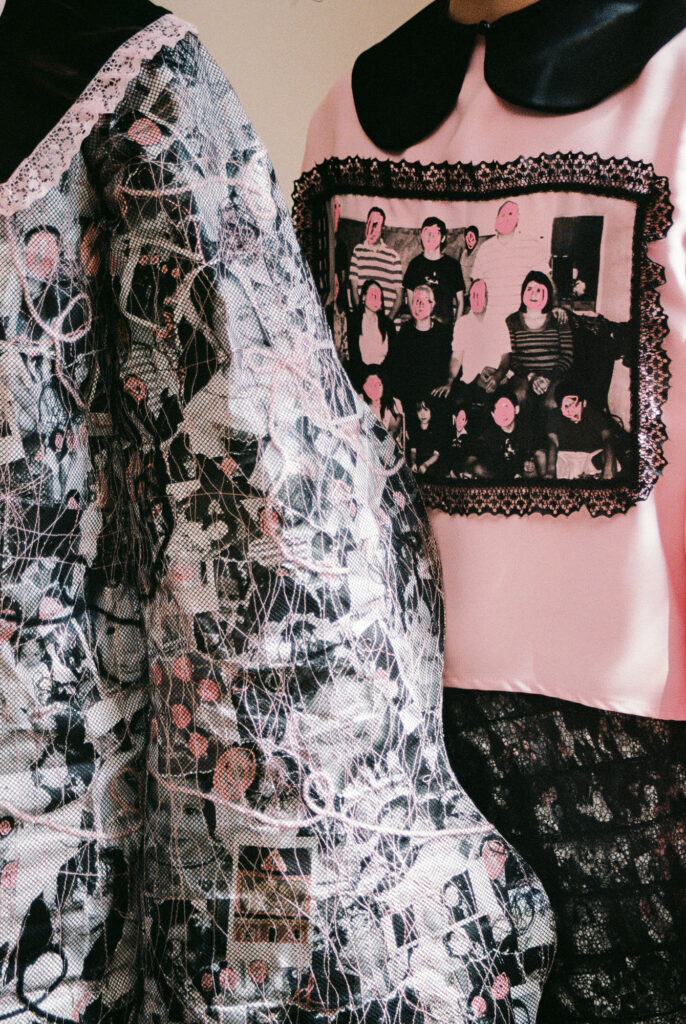
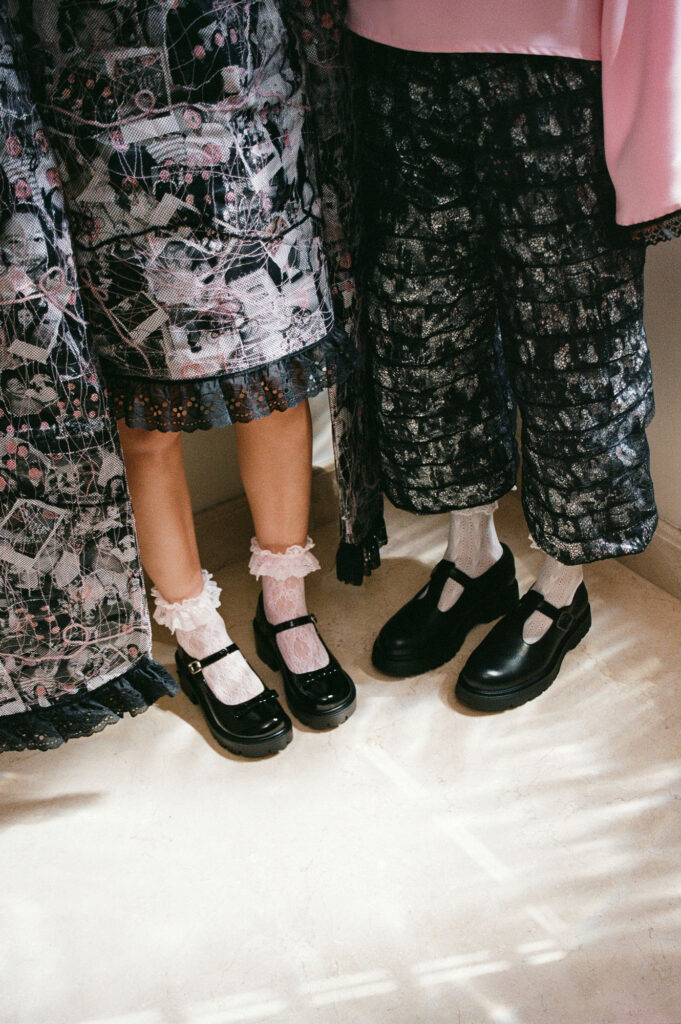
Her pants design continues that emotional language through sublimated satin ribbon and transparent plastic ribbon, stitched together strip by strip. “My memories feel fragmented,” she shares. “The plastic ribbon, by allowing glimpses beneath the surface, becomes a metaphor for this process of self-discovery and reinterpretation.”
These visual cues are personal, but they speak to a broader cultural context. “Especially here in Monterrey, Mexico, there is often a very conservative environment with strong family expectations,” Grettel notes. Her decision to pursue fashion was not always met with open arms, a contrast that made her question what society deems “valuable” or “successful.” But in doing so, she found a way to make peace with her path. “I’ve realized that trying to fit in never truly reflected who I am,” she says. “Now, I see mistakes as essential. It’s through them that I connect most deeply with my authenticity.”


Through her work, Grettel consistently explores femininity, nostalgia, and emotional sensitivity, themes that show up again and again in the visual language of her garments. Her dress tells the story of a girl shaped by silence and order, now learning to intervene, to disrupt, and to be seen. The pants capture the bittersweet fragmentation of memory, stitched together with intention and care.
The reaction to her work has been profound. “After sharing this project, I realized that many people, friends, family, even relatives, really connected with the feelings I expressed,” she says. Some even reached out to say they wished they had made similar choices when they were younger. “These conversations have meant a lot to me. They’ve helped me start healing parts of myself I had not faced before.”
While recognition was never the goal, something shifted after the project. “My family has started to notice those stereotypes and acknowledge what I am doing,” she says. “Still, what mattered most was healing that part of me.”
In a world that often rewards conformity and punishes vulnerability, Grettel Salgado’s work is a quiet act of courage. Through experimentation, she has made space for her full self to exist, imperfect, emotional, and entirely enough.