
In an era dominated by relentless corporate hustle culture and LinkedIn “NPC” lingo, a new generation of creatives is finding radical ways to process employment stress. For New York-based Parsons graduate Angelina Yin, the antidote to this contemporary workplace anxiety isn’t a career pivot. Instead, she finds relief through high-fashion satire. Her thesis collection, titled The___Resume, successfully reclaims the narrative of professional identity. She achieves this by transforming the suffocating pressure of corporate performance into a series of brilliant, exaggerated workplace garments. Ultimately, Yin invites a generation of burnt-out viewers to ask a liberating question : What if your job title didn’t have to mean so much?
The concept for The___Resume didn’t start in a sterile studio. Rather, it emerged naturally from late-night conversations with peers across various industries. Consequently, Yin noticed that friends from entirely different sectors were constantly comparing themselves to others. This realization revealed a massive reservoir of collective anxiety surrounding the job application process. However, she found solace in internet subcultures, viral memes, and content that clowns performative hustle culture. Because of this, Yin realized that humor was a universal coping mechanism. Furthermore, she was heavily influenced by Alex McCann’s article, The Death of the Corporate Job. This piece explores the phenomenon of people holding impressive-sounding titles they can barely explain. Therefore, Yin set out to build an imaginary, chaotic office where performance takes precedence over actual productivity. In the end, being able to enjoy that humor together simply made it easier to exist inside the stress.
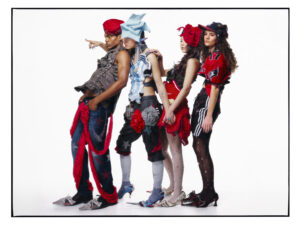
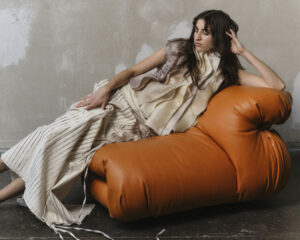
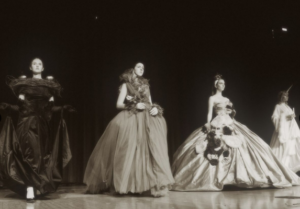
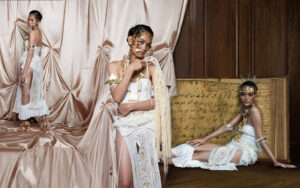
To bring this satirical universe to life, Yin originally developed eighteen fictional roles. She constructed mini moodboards detailing the objects they would own and the environments they would inhabit. Eventually, she narrowed the collection down to five distinct, carefully constructed characters. In doing so, she treats professional identity as a costume rather than an innate character trait.
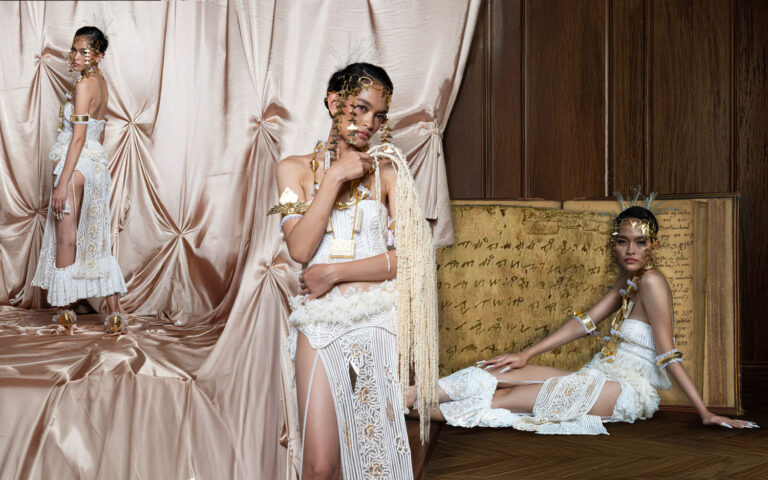
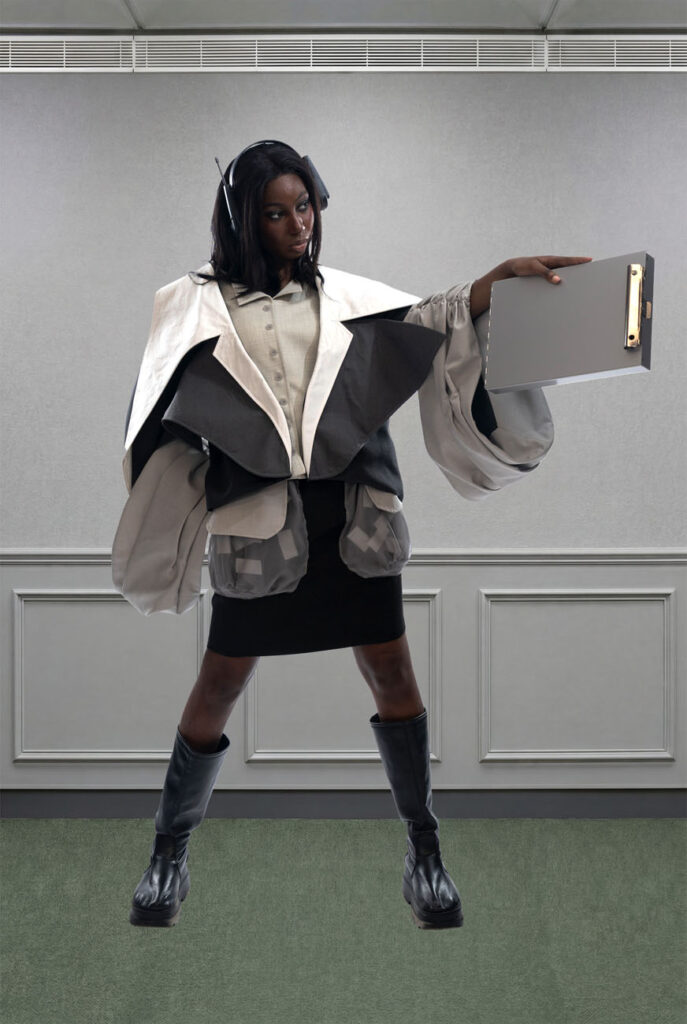
Broadcast Body
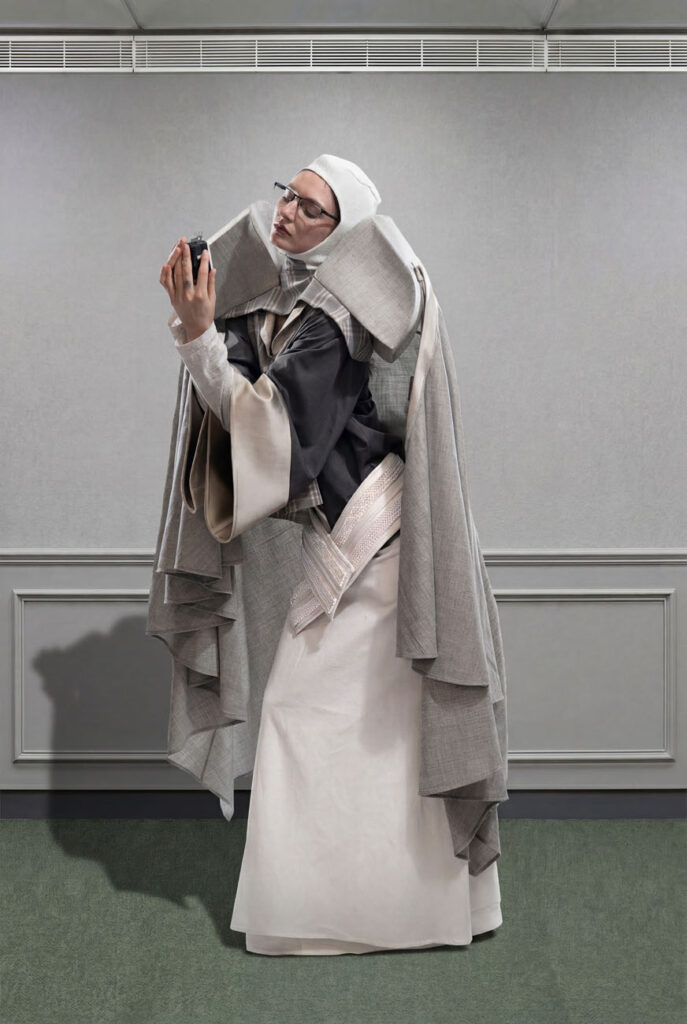
Quiet Archivist
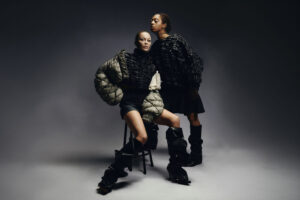
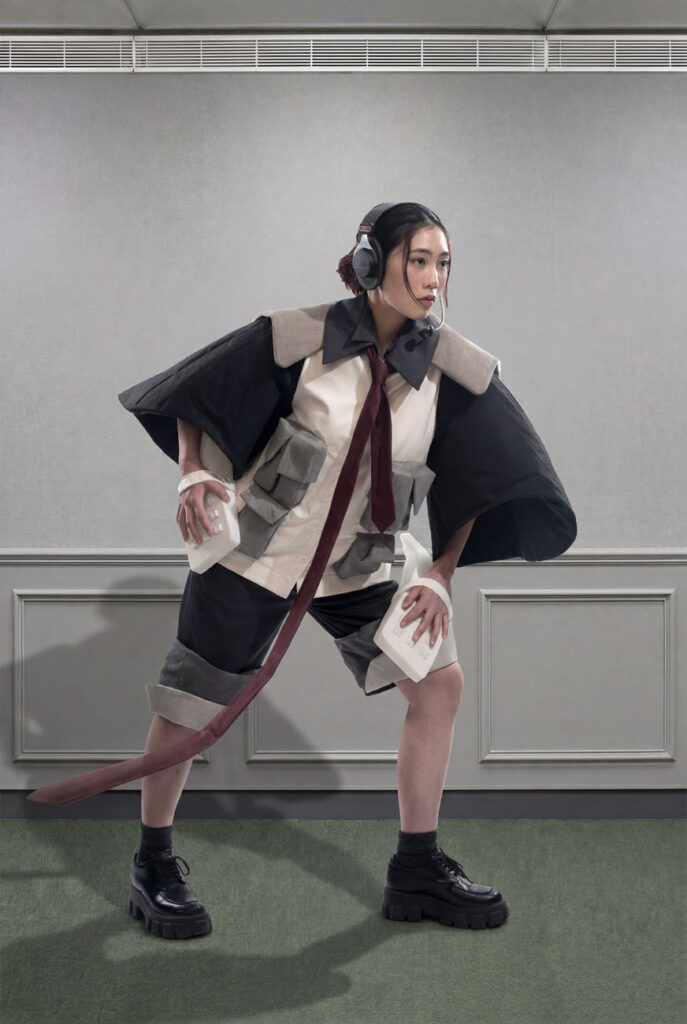
The first character, the Broadcast Body, deliberately satirizes performative productivity. This role exists solely to generate the sound of work, thereby simulating busyness for observers. To ground this visually, Yin drew from real-world references of metal welders and stock traders. These industries capture high-decibel, high-energy environments where noise equals action.
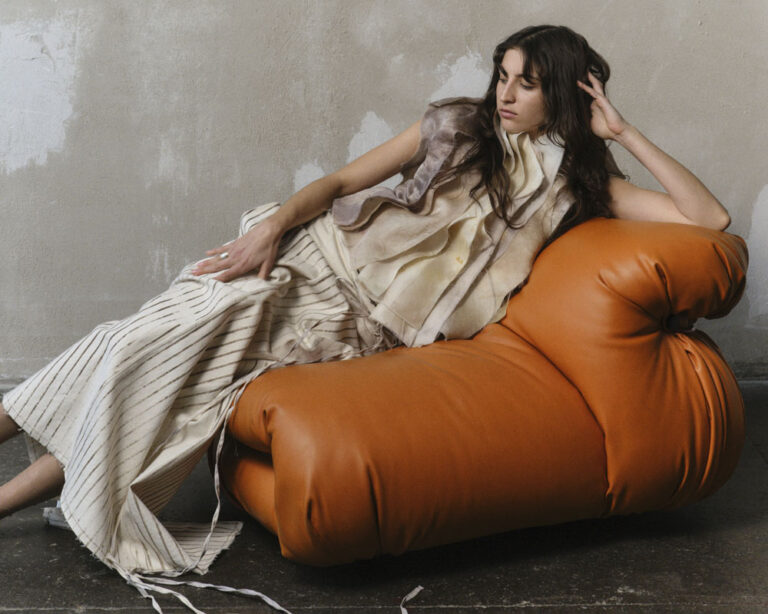
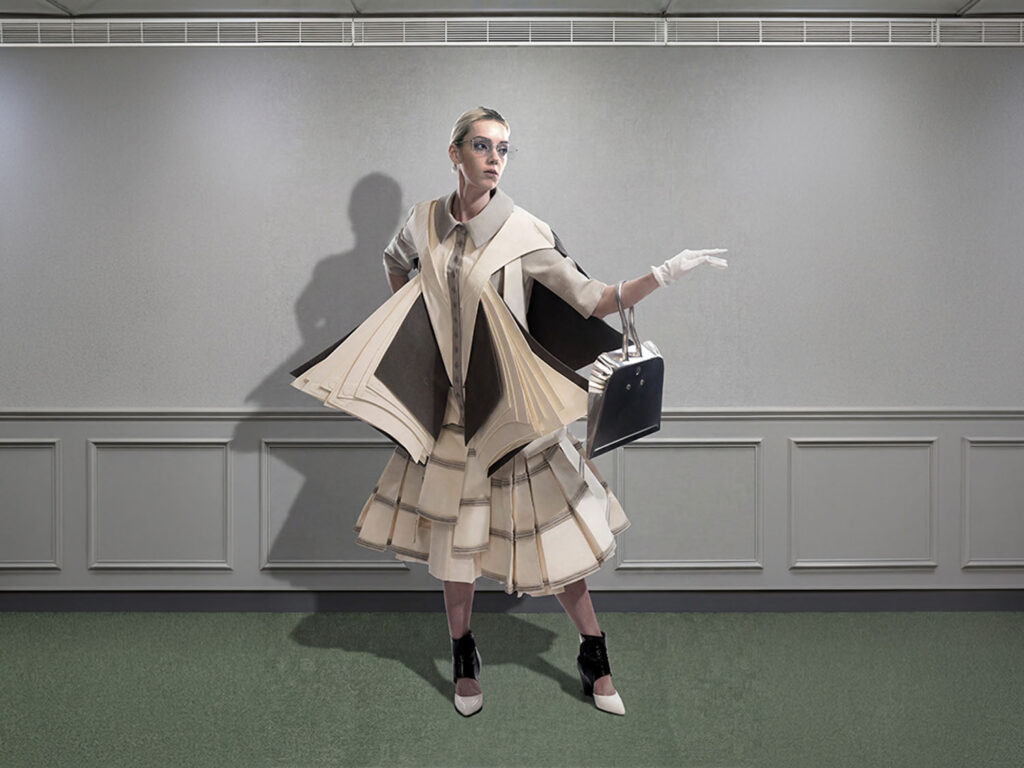
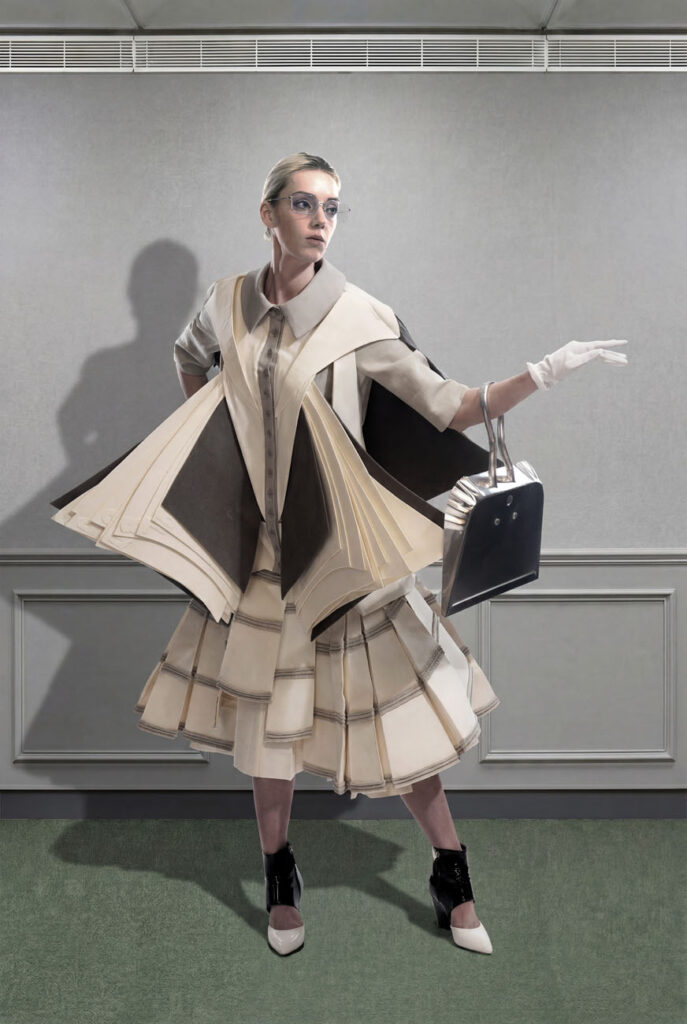
In stark contrast, the Quiet Archivist reframes administrative data management as a spiritual practice. This character treats inanimate office materials with deep emotional interiority. Visually, this character blends the archetype of a yogi with a traditional librarian. As a result, it connects a wellness practitioner with a professional intimately acquainted with the physical life of documents.
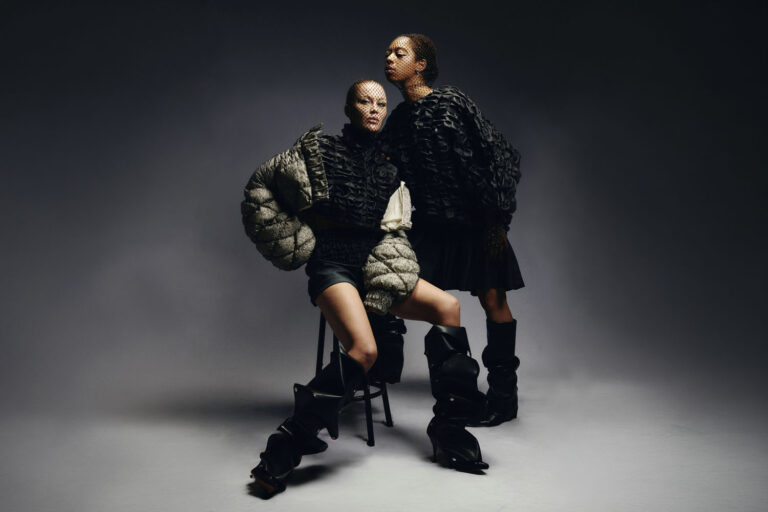
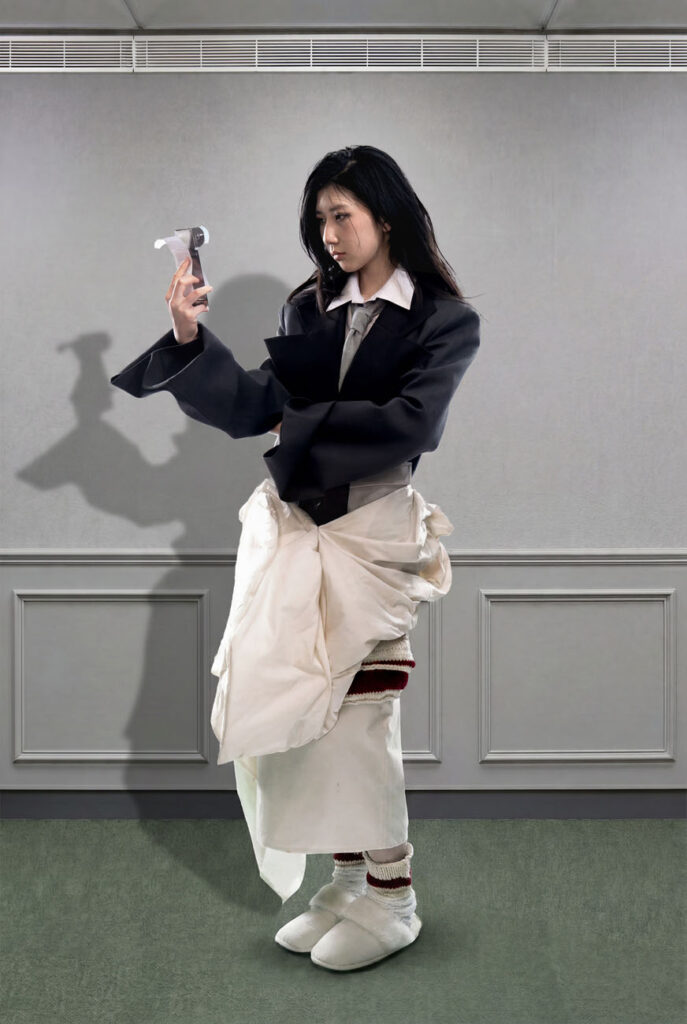
Addendum Artist
Data Mourner
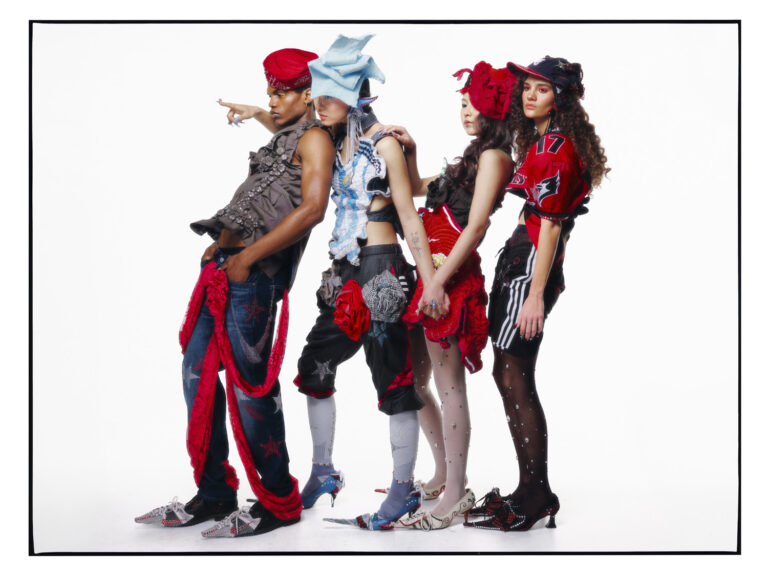
Meanwhile, the Addendum Artist critiques corporate communication redundancies. This role exists only to generate supplementary correspondence like endless forwards, follow-ups, and CCs. Hence, it operates on the premise that communication is a performance rather than an information exchange. Yin anchored this role with secretaries moving information, paired with production line workers to mirror repetitive, mechanical motions.
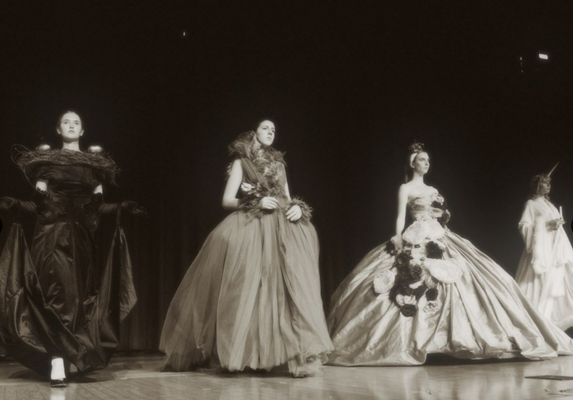
Similarly, the Data Mourner introduces ritual and grief into tech spaces. This character holds ceremonial funerals for deleted files and lost digital assets. Therefore, the design successfully brings together modern programmers and traditional nuns. This pairing beautifully bridges digital technology with devout ceremony and systems of devotion.
Active Ghost
Finally, the Active Ghost explores the modern Zoom culture disconnect. This role maintains perpetual digital visibility while remaining entirely unverifiable as an active contributor. For visual inspiration, the look references television hosts who are impeccably put together from the waist up. Consequently, this polished look is contrasted with comfortable, unseen domestic sleepwear below the desk.
The intentional underline in The___Resume is perhaps the most profound element of Yin’s work. Originally, the collection was titled The Other Resume. However, the designer opted to leave a blank space so viewers could project their own experiences, anxieties, and identities onto the garments. During her thesis exhibition, Yin handed out contact cards featuring the blank title. She then invited attendees to fill it in themselves. As a result, the responses were deeply personal. This interaction shifted the collection from a static fashion display into a living archive of collective feeling.
For Yin, the collection isn’t a cynical attempt to entirely opt out of capitalism. Instead, it serves as a vital tool for self-preservation. As she prepares to enter the job market properly, she acknowledges that she will face these exact pressures. She knows she will be filling out her resume and performing competently in interviews. Thus, she will be doing all the things the collection gently mocks. Ultimately, she wants to move through the system with enough self-awareness to know who she is outside of it. The blank in the title remains open, leaving us all to wonder what we will use to fill it in next.