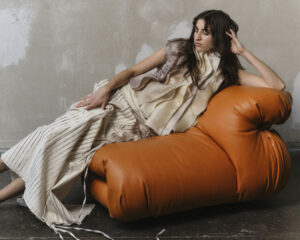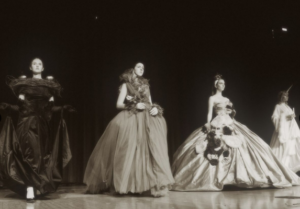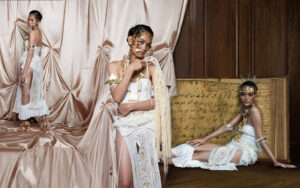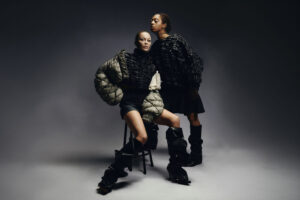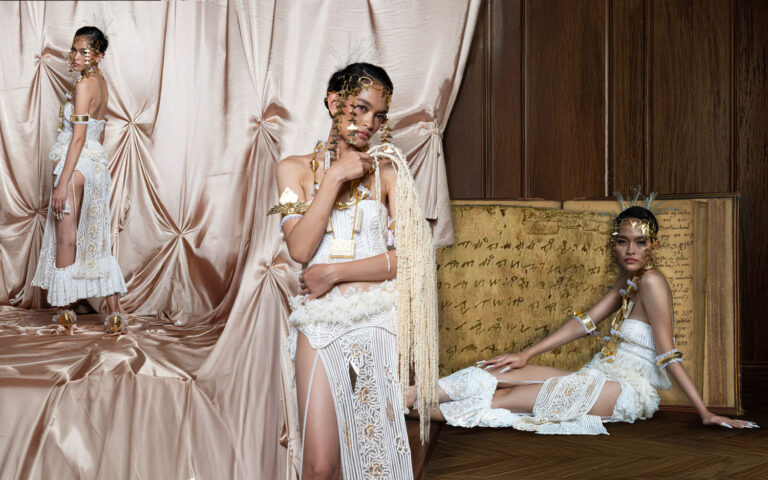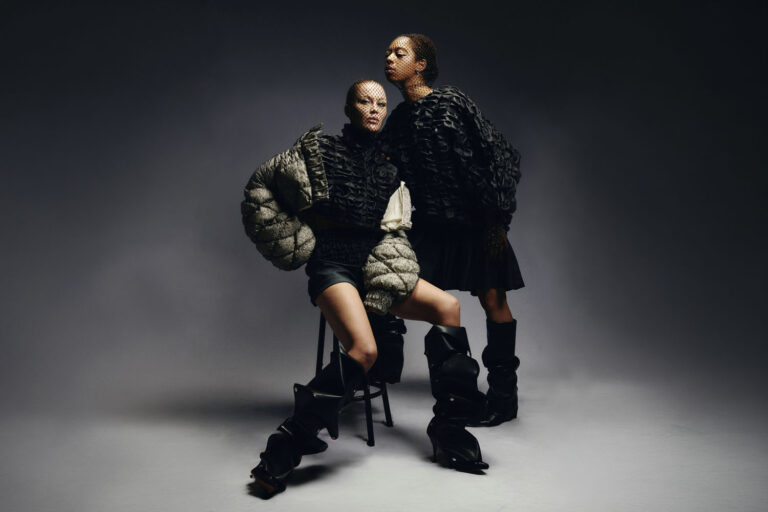
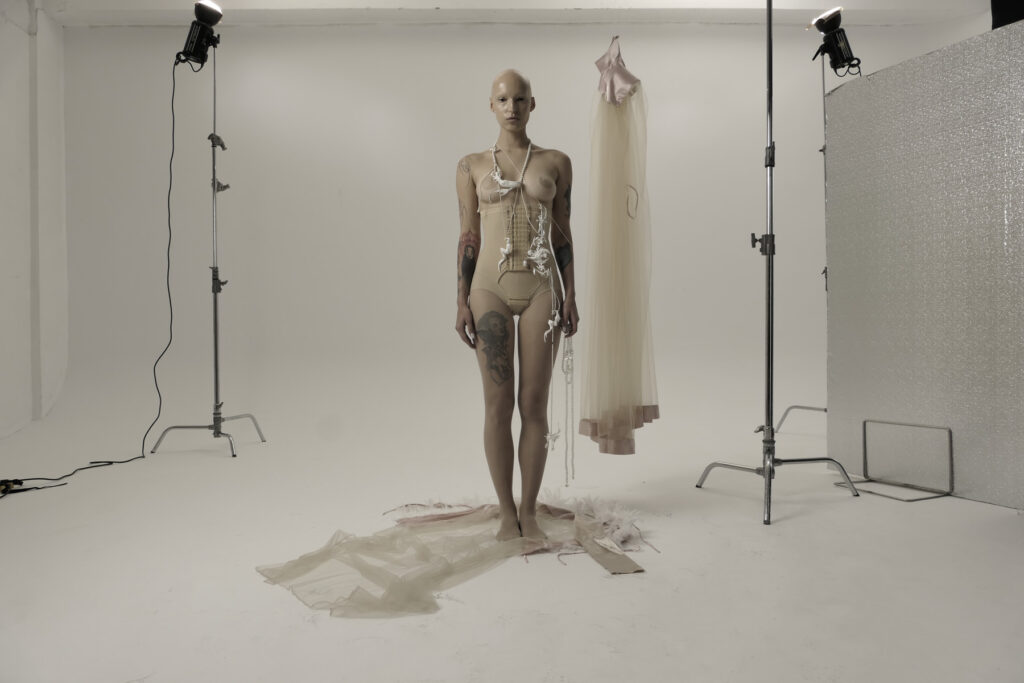

Some beauty soothes. Other beauty stirs. Rui Chen’s collection Dōll lingers in the latter, where softness coexists with defiance, and garments don’t just dress the body, but initiate it into something deeper. At once theatrical and tender, Dōll unfolds not as a fashion line but as a ceremony, a meditation on gender, artifice, and becoming.
Working under her creative identity Maison de Mercurio, Chen developed Dōll during her final year at Parsons School of Design. But its spirit reaches far beyond academia. “Dōll is a ceremonial act of becoming,” she says. “It’s an artificial femininity that is both tender and violently intentional.”
Each silhouette channels that duality, fragile, powerful, and deeply personal.
For trans women, the word “doll” carries layers, sometimes affectionate, often objectifying, always charged. “I’ve been called a doll before I ever felt like one,” Chen says. “I wanted to reclaim that word, to make it ceremonial.”
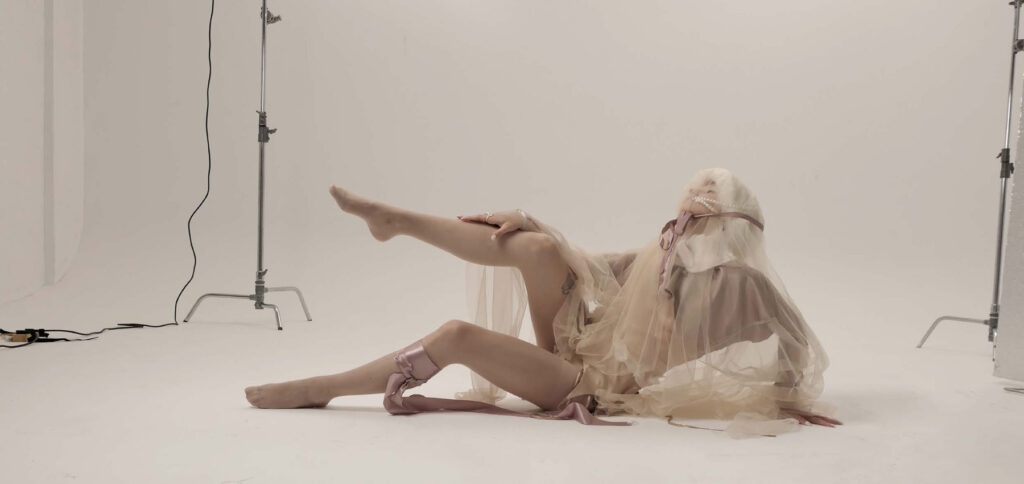
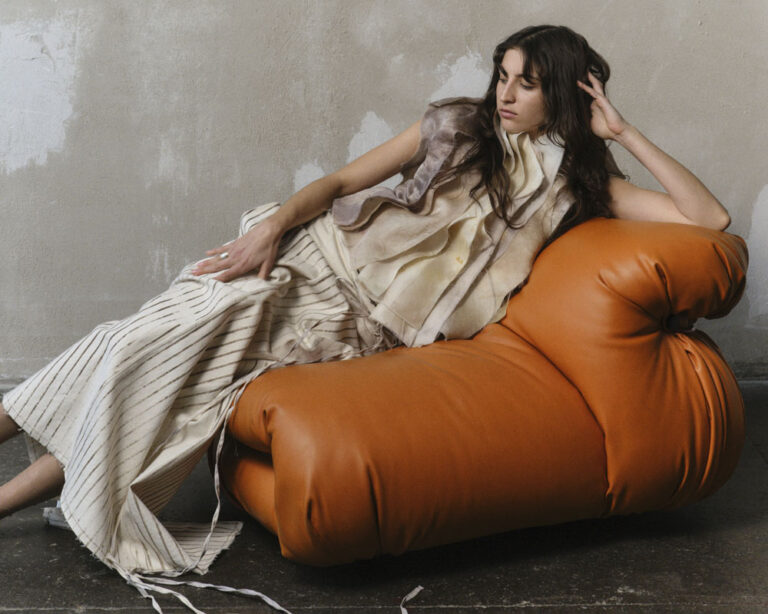
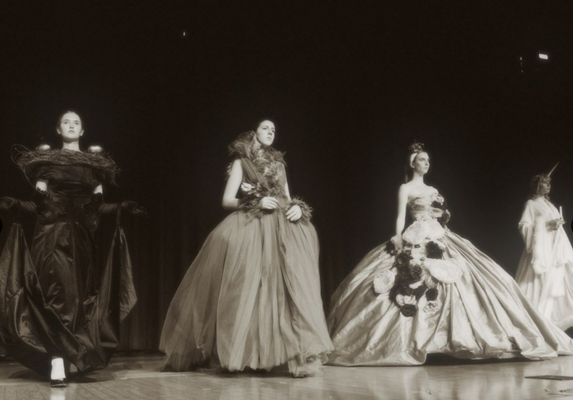
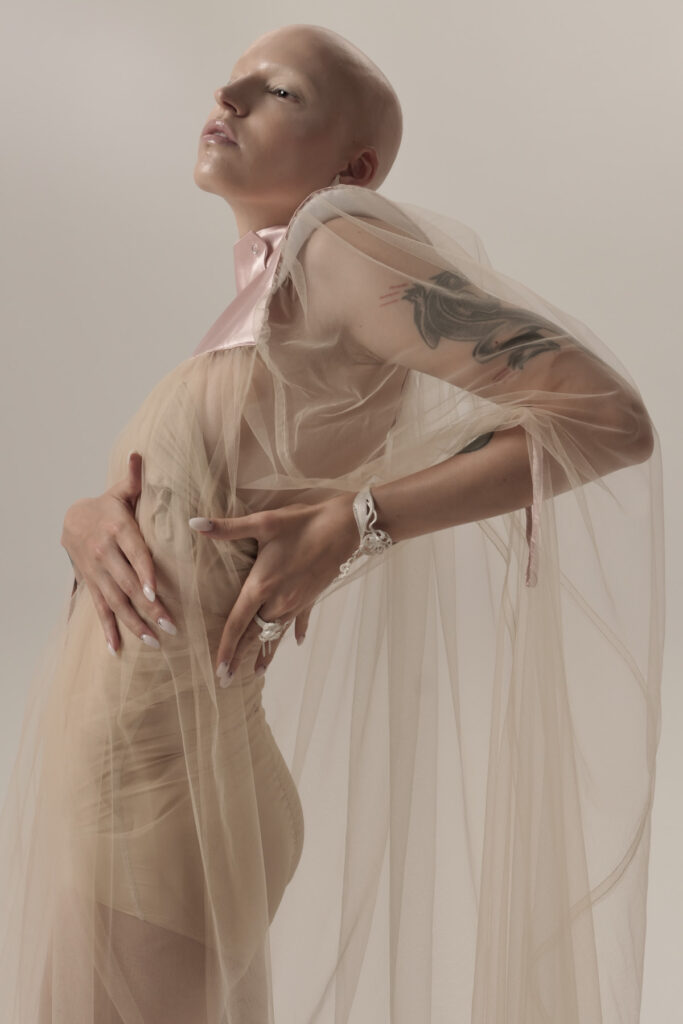
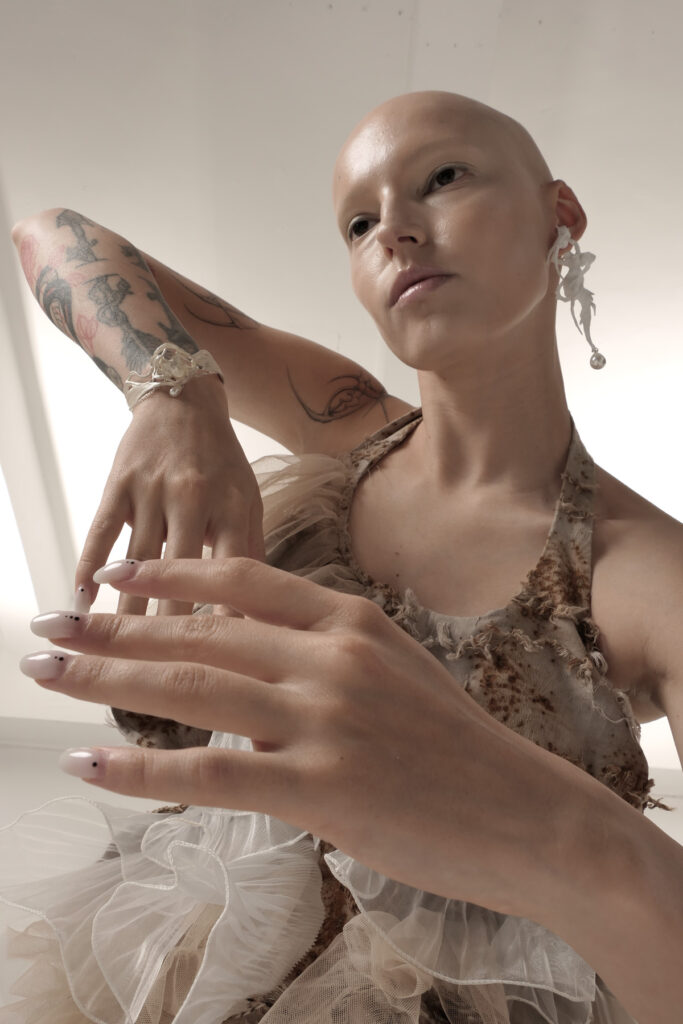
She answers that reclamation with garments that feel holy. Drawing inspiration from Rococo excess, the powdered decadence, the pastel grandeur, Chen builds silhouettes that nod to history while unsettling it. Her pieces flirt with elegance, then twist it. One sleeve tightens too sharply, a ruffle blooms slightly off-balance, subtle disturbances that foreshadow change.
“Rococo is the origin of modern fashion, but also the beginning of collapse,” she explains. “I wanted to use that polished beauty to signal something just about to break open.”
Chen speaks of her body, and by extension, her work, as an ongoing negotiation. “Between who I was told to be, who I wanted to be, and who I’m becoming,” she reflects. That conversation unfolds through fabric.
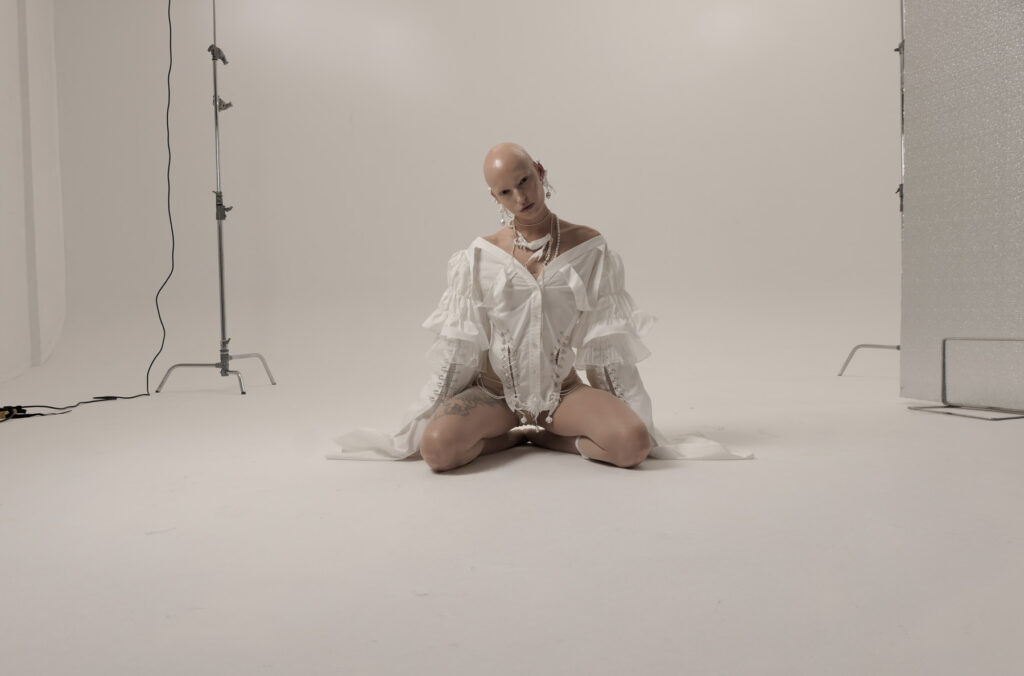
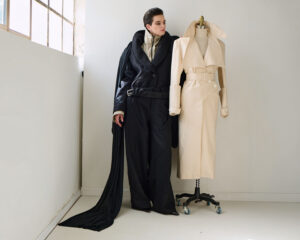
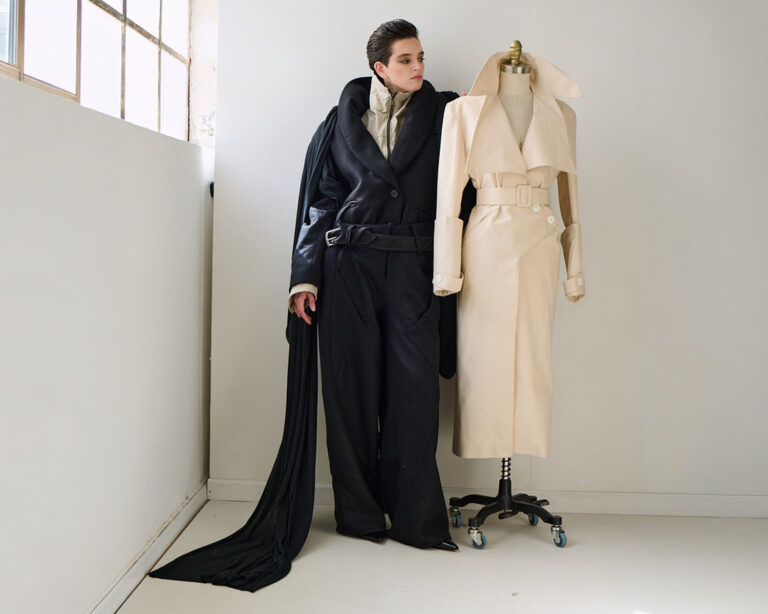
She began with traditionally masculine construction: tailored shirts, capes, strong shoulders. Then she softened them, restructured them, and infused them with vulnerability. “The trans body is an archive of reconstruction,” she says. “Dōll is my attempt to materialize that archive.”
Every fold, flare, and seam tells a story, not of perfection, but of process. She doesn’t just dress the wearer; she invites them into ritual.
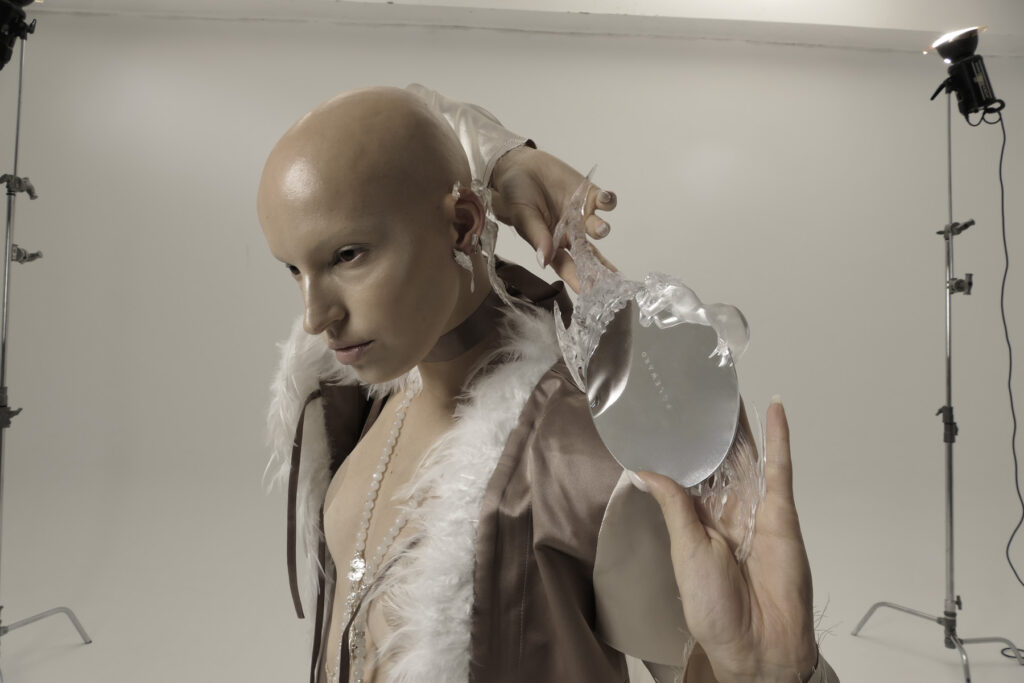
“I want people to feel holy when they wear these garments,” she says. “As if they’re stepping into a space where transformation is allowed, even encouraged.”
Chen didn’t simply design clothes. She built a world. As creative director, stylist, makeup artist, and set designer, she shaped every detail, from the metallic chill of studio equipment to the softness of ceremonial fabrics. “I wanted the project to hold one emotional temperature,” she explains.
To bring that vision to life, she turned to her community. Longtime collaborators, including photographer Gabriel Liu, model Di, and accessories label Poleward, helped shape Dōll’s ethereal imagery. “We already shared a visual language,” she says. “Everything fell into place naturally. It felt like collective transformation.”
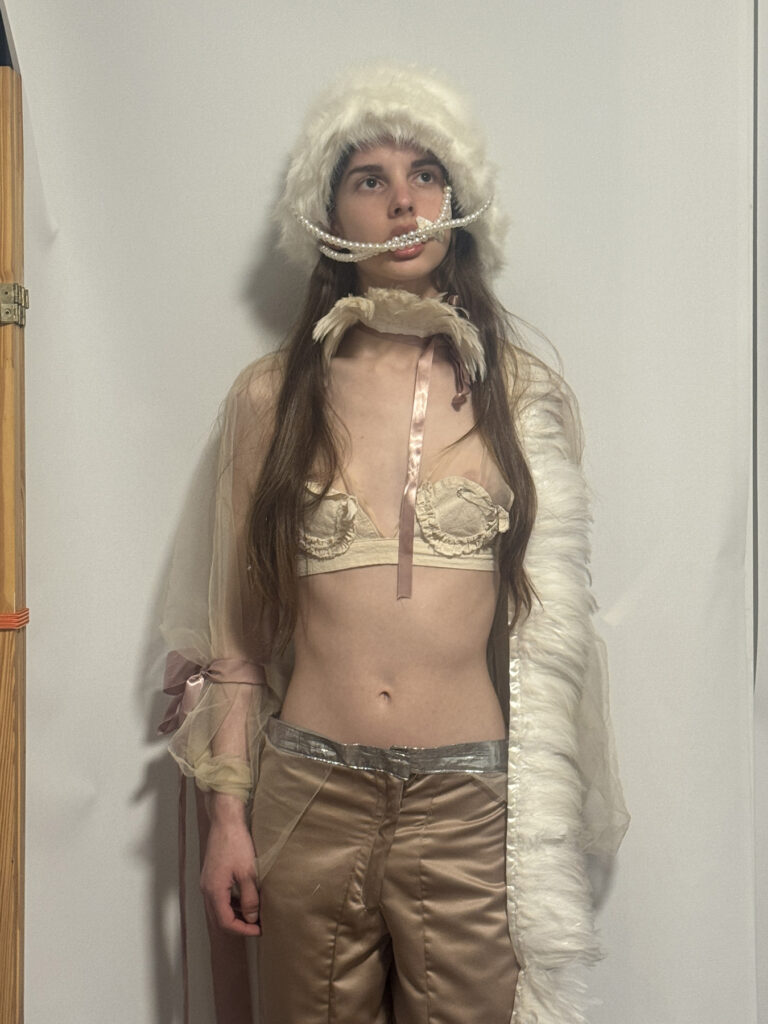
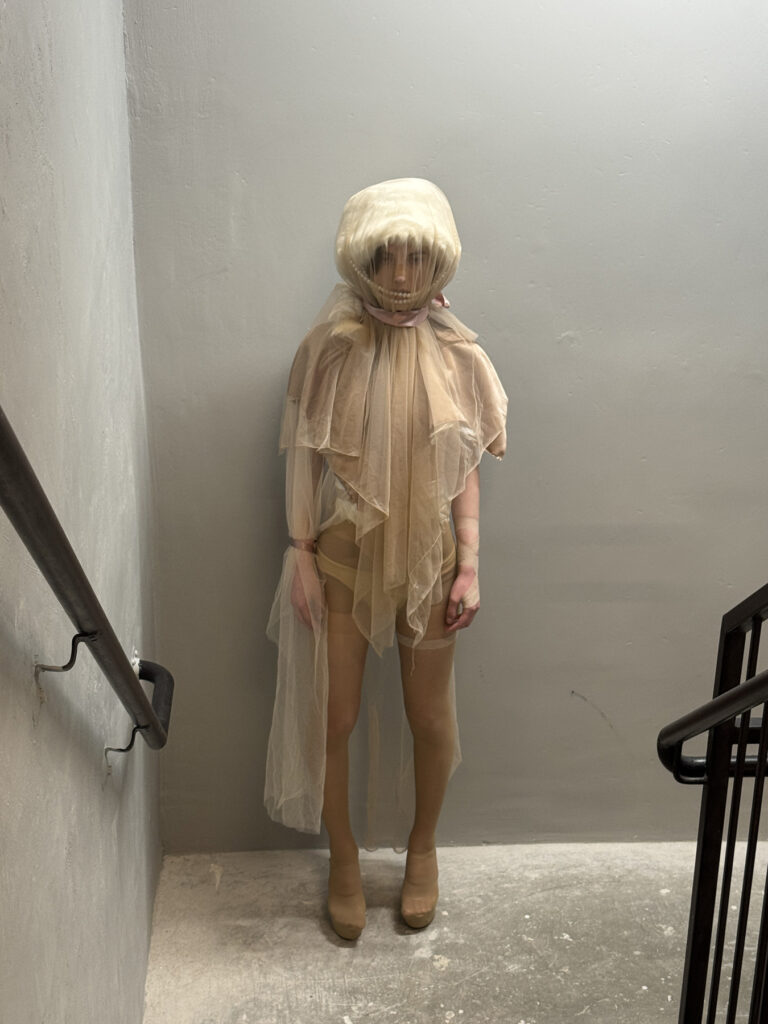
That emotional depth carried into moments of making. When Chen reshaped masculine patterns into forms of femininity, she recalled “old versions” of herself, ones she had to carry or shed. Watching the garments evolve on the body felt, in her words, like “watching a past life dissolve and a new one form.”
Chen doesn’t claim a simple relationship with fashion education. “Sometimes I feel the institution’s idea of fashion doesn’t fully align with mine,” she admits. But she speaks gratefully of what Parsons gave her: technical rigor, conceptual tools, and the ability to articulate vision through craft.
And her vision keeps evolving. Chen views Dōll not as a static project, but as a living narrative. “My archive is alive,” she says. “I want to mutate it, to reinterpret past work, collaborate with young artists, and keep blending fashion with storytelling and performance.”
Asked to summarize the heart of Dōll, Chen offers a soft but seismic response:
“It’s about becoming.”
And in Rui Chen’s world, becoming is not metaphor, it’s material. She sculpts it, steps into it, and invites us to do the same.