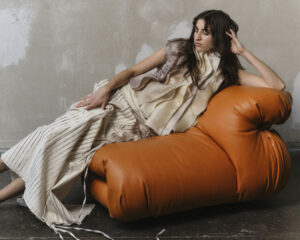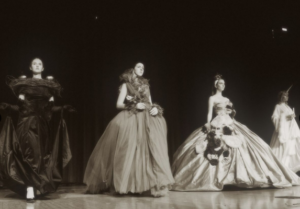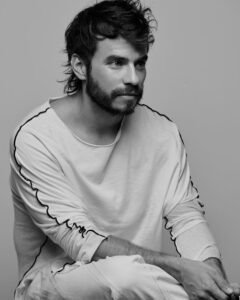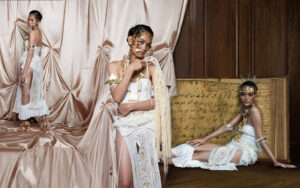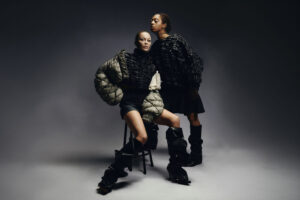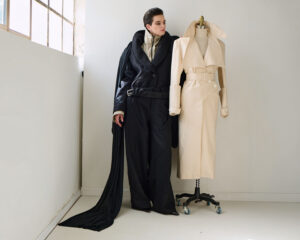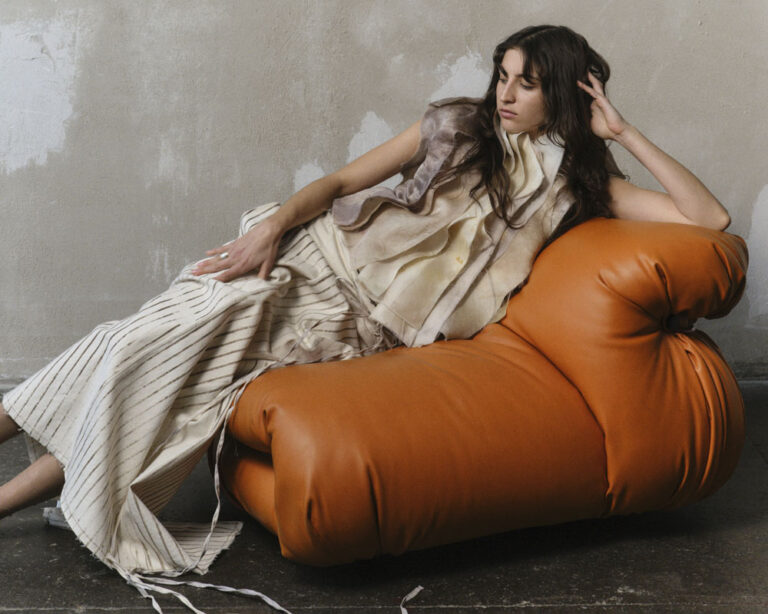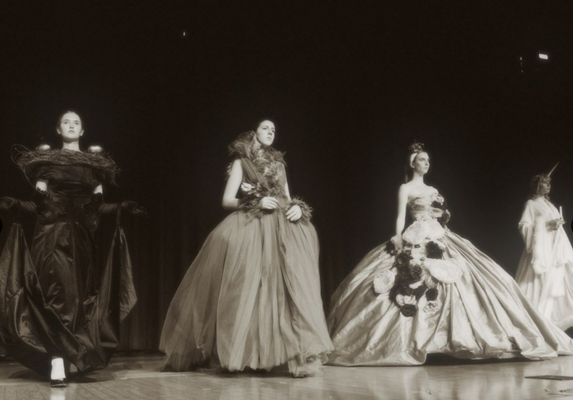
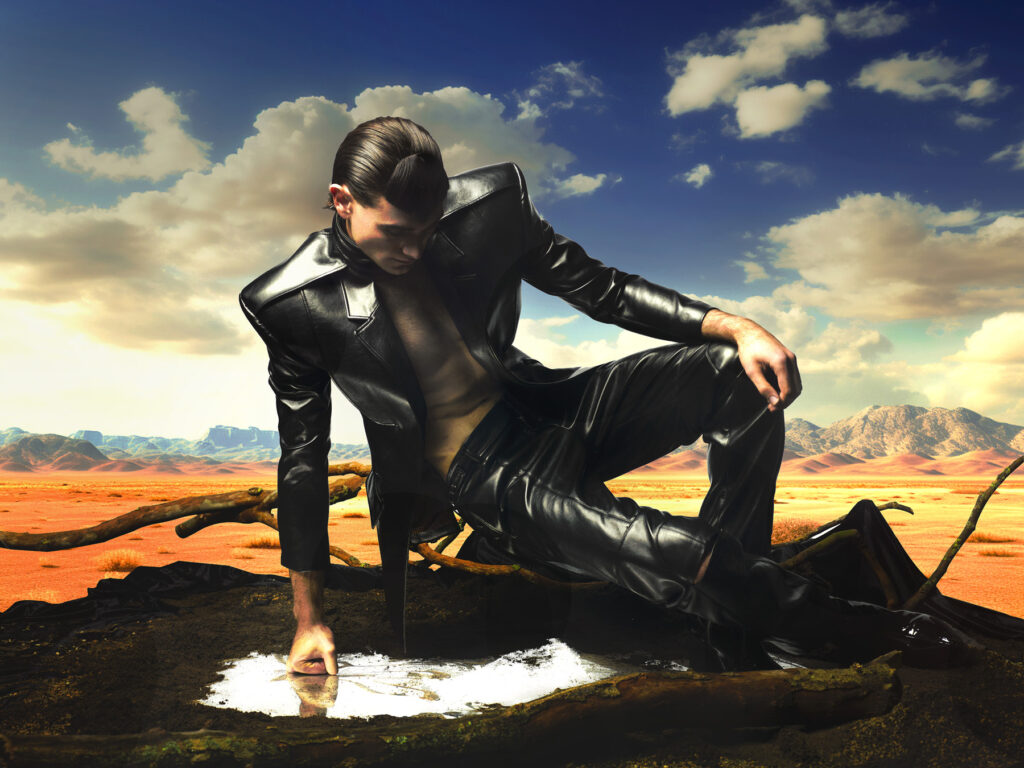

Yuchen Yuan’s graduate collection, Night and Day Clothes of Diabolik, presents a stylized exploration of duality, masculinity, and narrative dressing. Developed at the University of Westminster, the six-look collection draws on 1960s tailoring, cult cinema, and personal reflections on the body to experiment with how fashion can express desire, ambiguity, and tension.
The starting point is Danger: Diabolik, a 1968 pop-crime film whose title character Yuan reinterprets not as a costume, but as a symbol. “The film itself is a cinematic fashion icon,” she says. “And most importantly, Diabolik is a perfect muse for me.” Rather than mimic the character’s look, she builds silhouettes that gesture toward his dual nature: criminal and gentleman, sleek and armored.
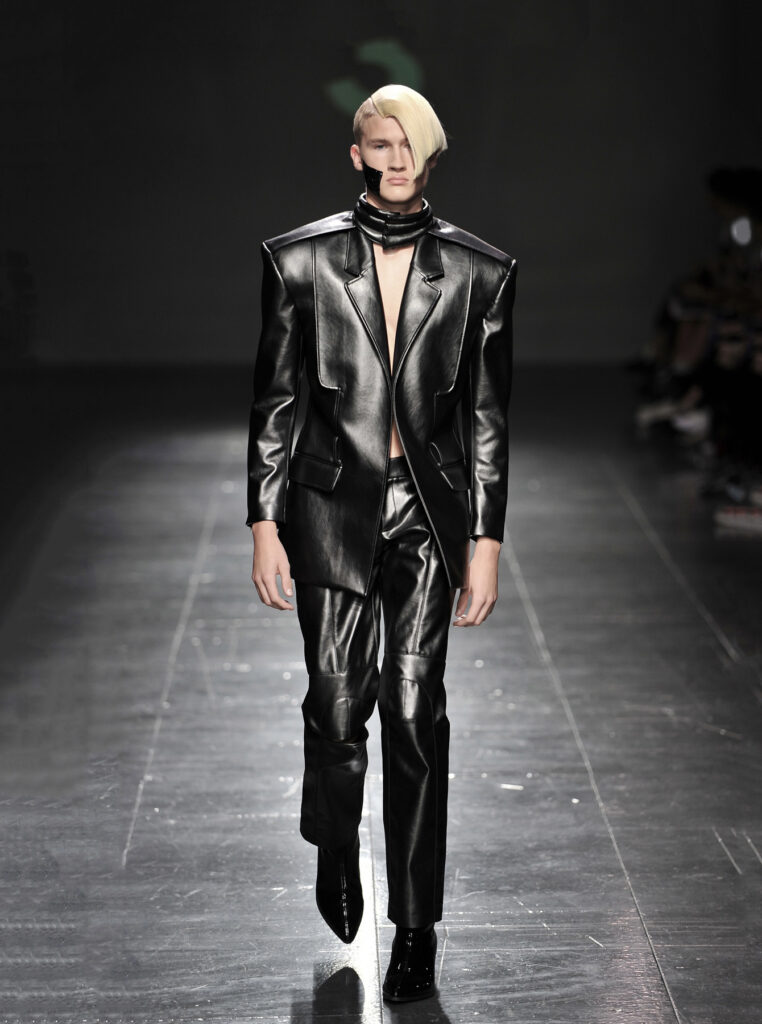
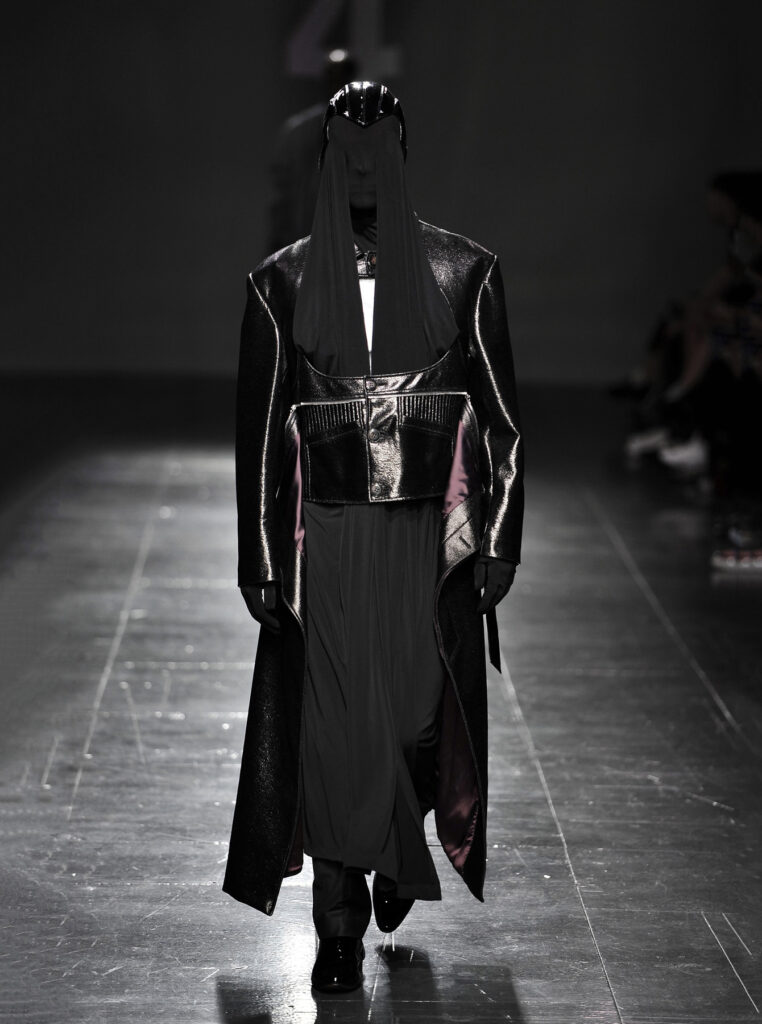
Look 1
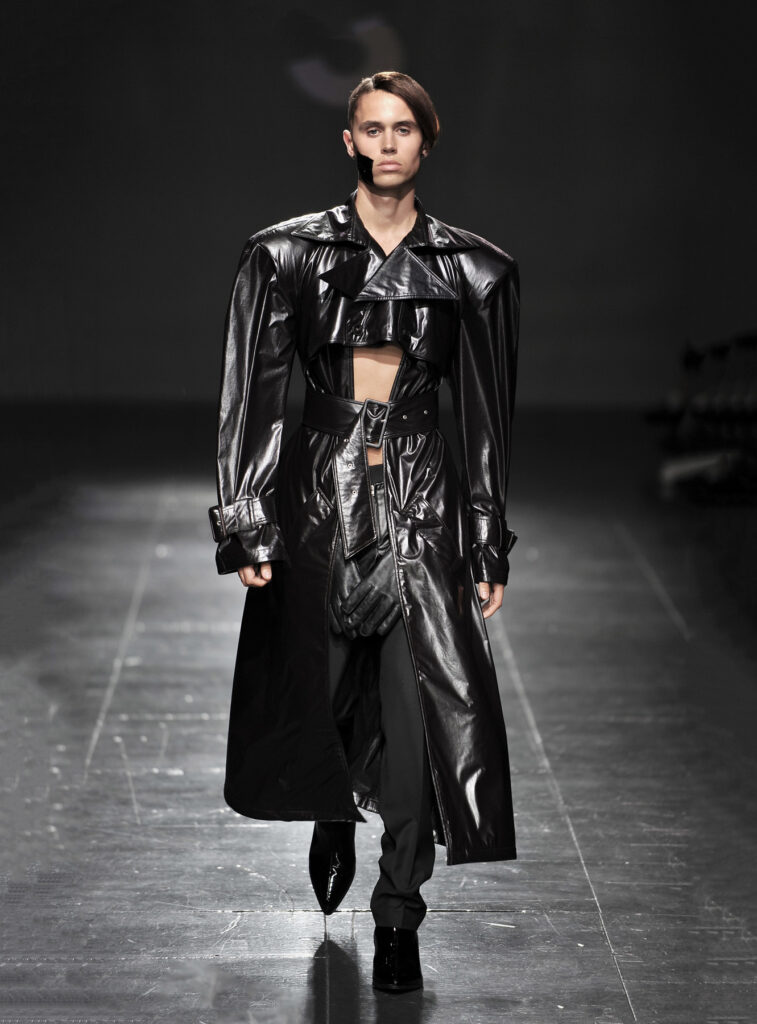
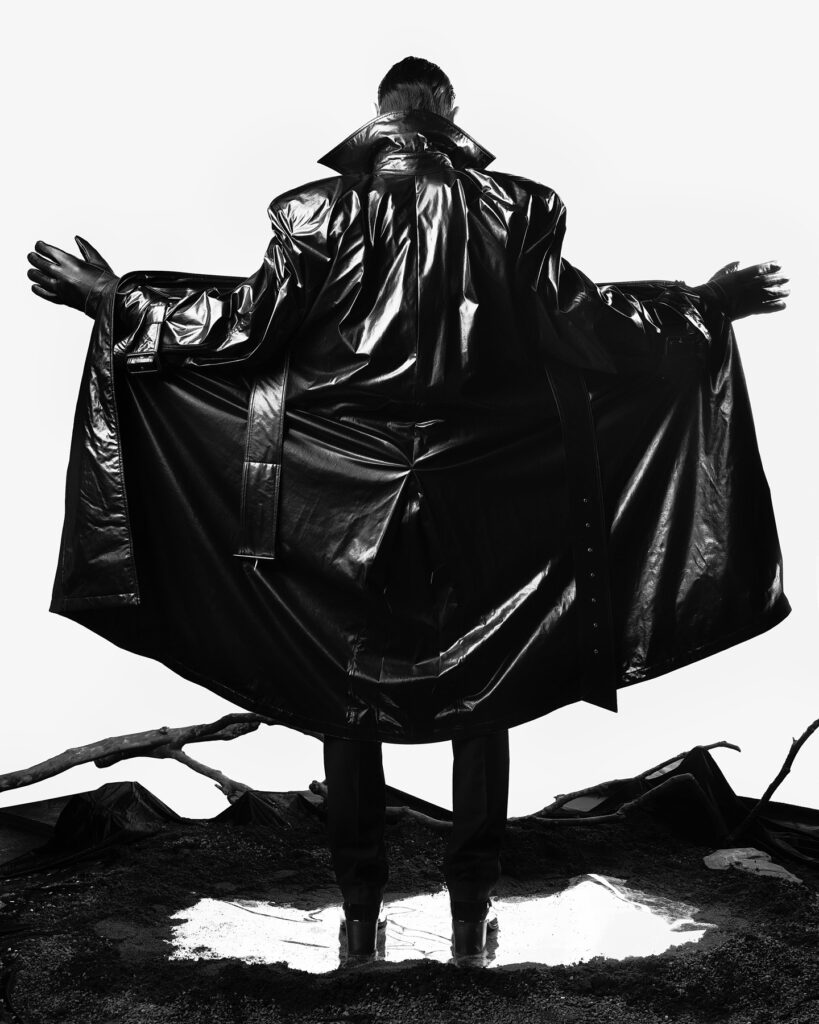
Look 4
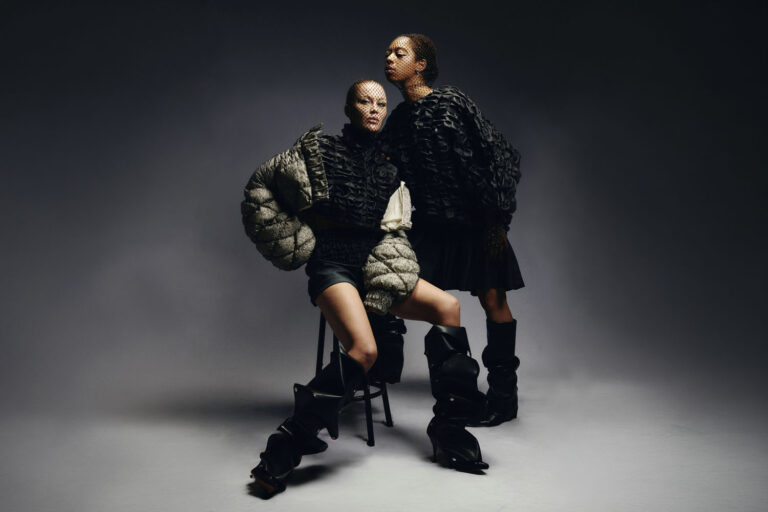
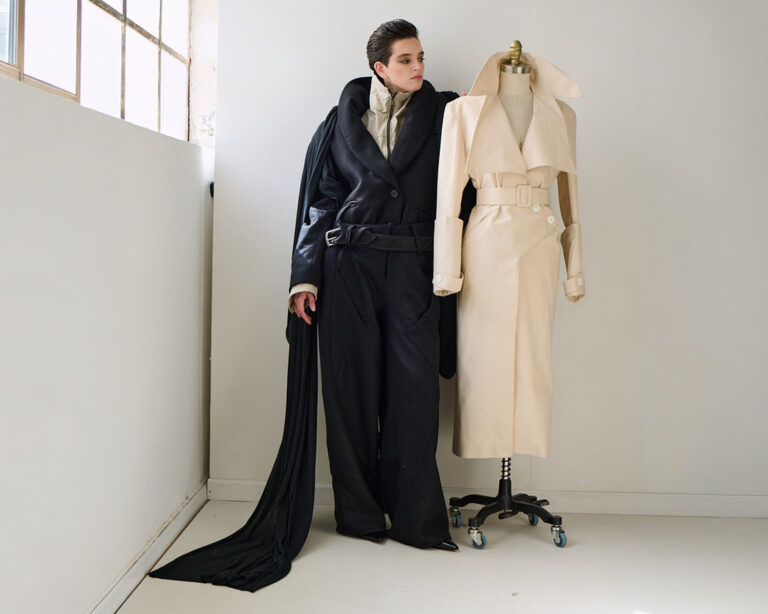
Leather tailoring recurs throughout the collection, sometimes exaggerated into sharp-shouldered jackets (as in Look 1), and sometimes softened into trench shapes that expose rather than conceal (Look 4). Details like gloves, collars, and sculpted cuts frame the body in specific ways, tight, sometimes confrontational, and always aware of the viewer’s gaze. “I see the traditional garments as ‘reality’ looks,” Yuan explains. “But under the ‘reality’ shell, they can have subtle feelings of transferring into a sexy badass.”
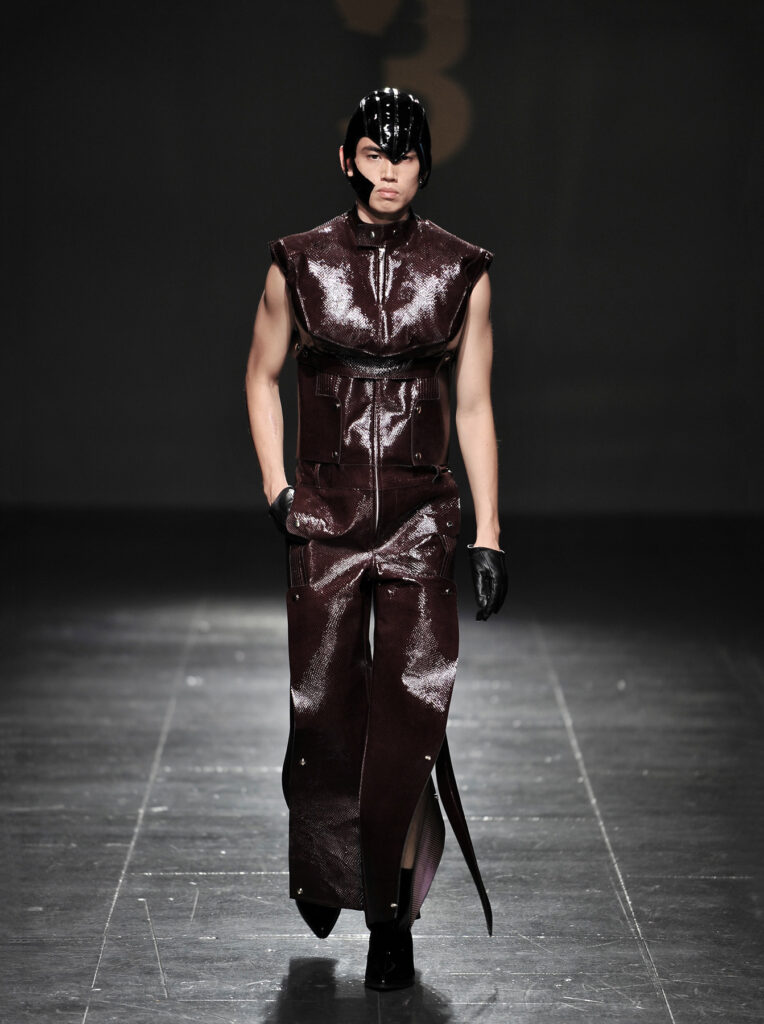
Look 3
Look 6
While silhouettes are rooted in mid-century menswear, Yuan intentionally distorts proportions or interrupts clean tailoring with synthetic gloss, asymmetry, or exposed musculature. The sixth look, her personal favorite, features a jersey mask draped from the eyes, a glossy leather coat, and a sculpted 3D chest piece revealed only when unzipped. “I want to express the sensation of being in your nightmare,” she says. “You can see this look as both a visualization of the nightmare and a reflection of your own feelings with fear and desire.”
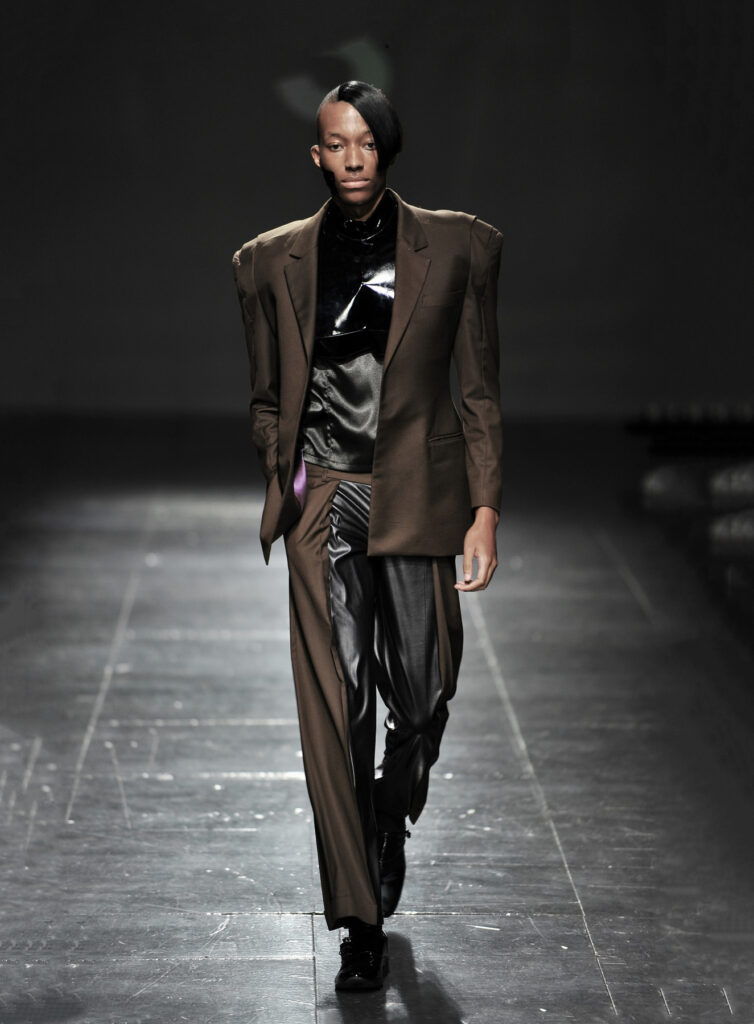
Look 5
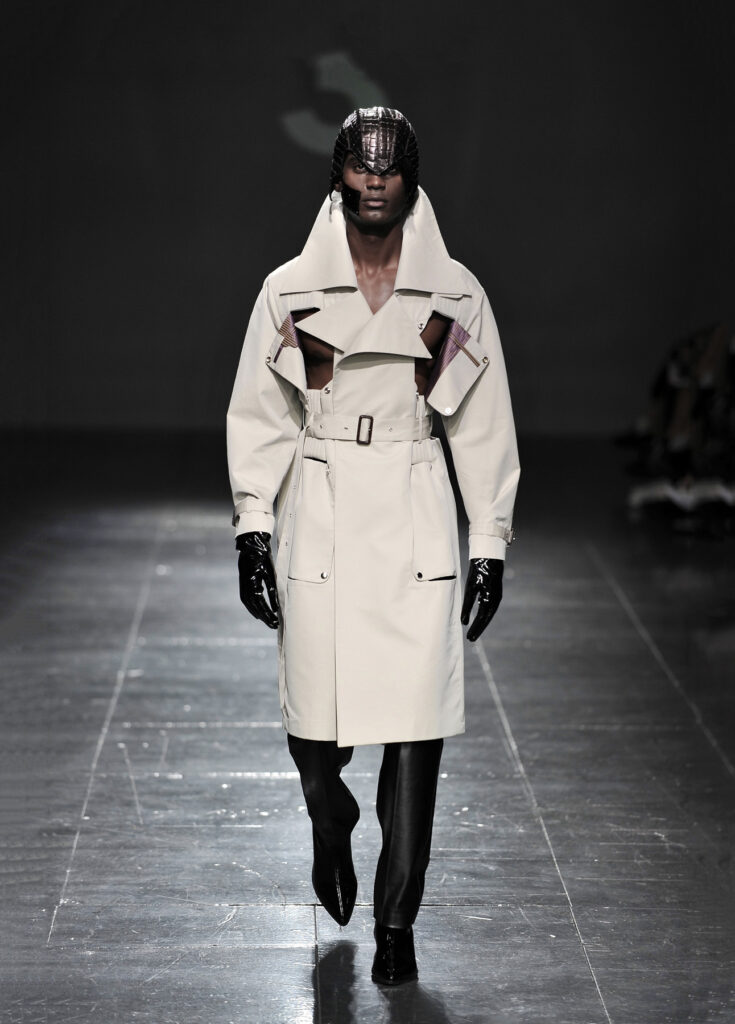
Look 2
Not all garments are designed for shock. Some pieces, like a structured brown blazer worn over glossy panels (Look 5), or a trench coat that conceals and reveals the chest (Look 2), walk a line between formality and provocation. Yuan leans into that ambiguity, balancing her interest in eroticism with a clear sense of construction.
Much of the work explores the male form, amplifying the torso, exaggerating muscle zones, or restricting movement. “I admire human physiques a lot,” she says. “Every placement and coordination of muscle just fascinates me.” Her fascination, influenced in part by bodybuilding, informs both silhouette and styling.
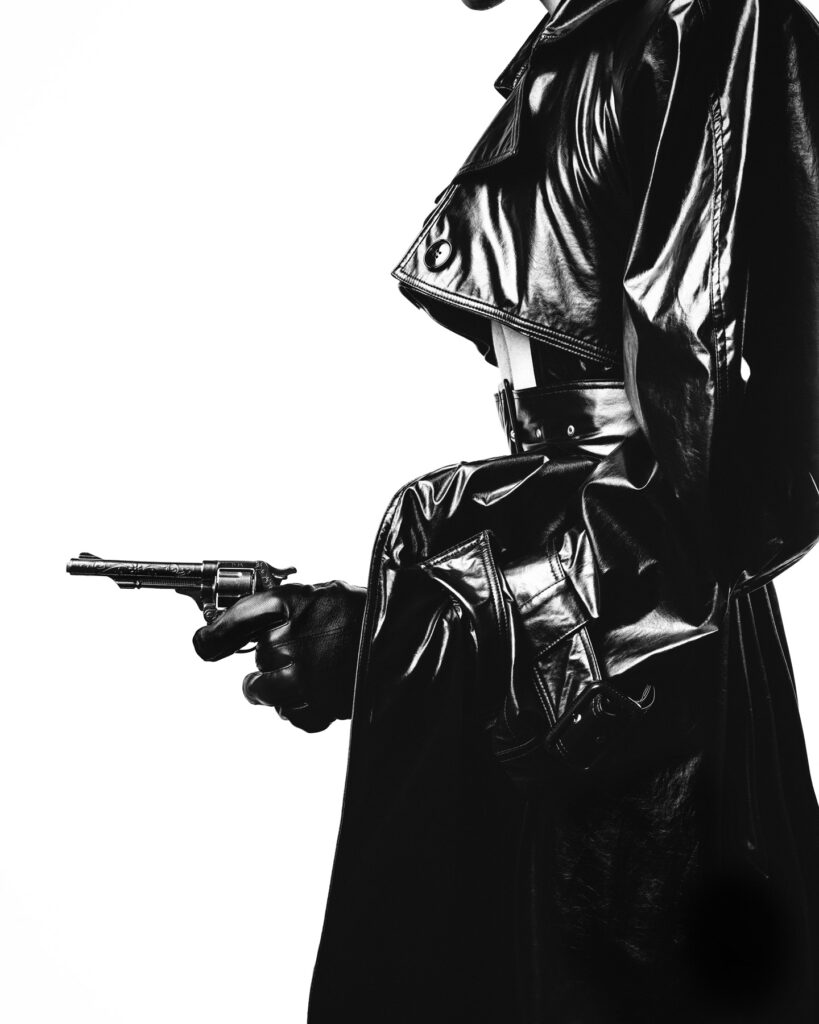
Visually, the collection blends film noir, sci-fi, and surrealism. Yuan cites Giallo horror (particularly the works of Argento and Bava), Hitchcock, Dalí, and even early 2010s music videos like Lady Gaga’s Alejandro as references. Despite this range, the aesthetic feels focused rather than referential. “Horror, surrealism, and eroticism quite fall within a similar field,” she notes. “But I tried to add humor more as a way than a result.”
Yuan’s technical development was shaped in part by the Westminster Menswear Archive, where historical garments offered insight into construction and cultural meaning. “A truly good fashion piece is something with meaning,” she says. “That you can really look into and explore, culturally or technically, to feel the designer’s mind behind it.”
Still, Yuan is the first to say this isn’t a finished manifesto. “I actually didn’t have a clear clue when I was creating the graduate collection,” she admits. “But when I stepped back and analyzed it, especially now, I started to realize what and why made me want to create a world like this, and it makes me more intentional about what I want to create in the future.”
For Yuan, Night and Day Clothes of Diabolik is less of a definitive statement and more of a first experiment, an attempt to balance sensuality with structure, concept with wearability. “Sexy, tension, and restraint,” she says, when asked to describe her design world. But those ideas, too, are subject to change.
Looking ahead, she hopes to bring her work closer to lived experience. “I want to evolve the mysterious, dark, and psychological tension that already exists in my work, but bring it closer to my own experiences,” she says. “So it feels more intimate and grounded.” At the same time, she’s exploring how to make future designs more wearable—while still asking questions.