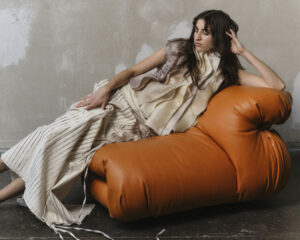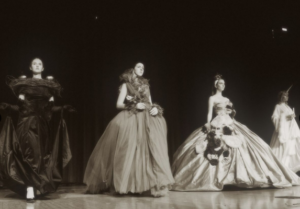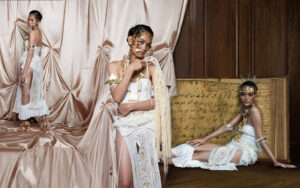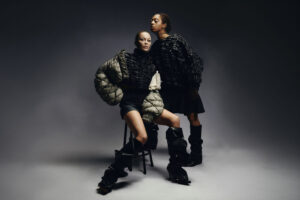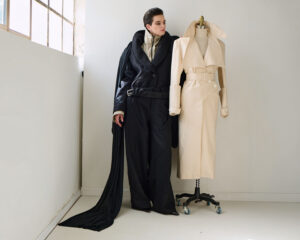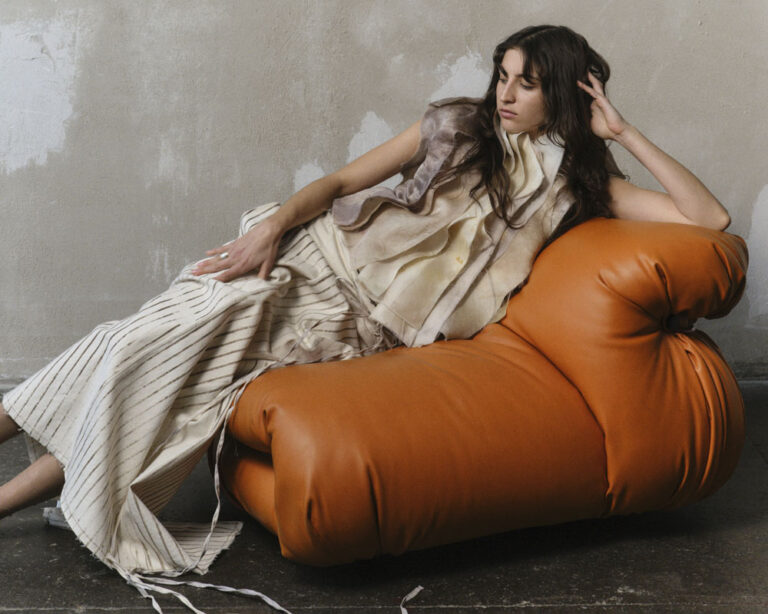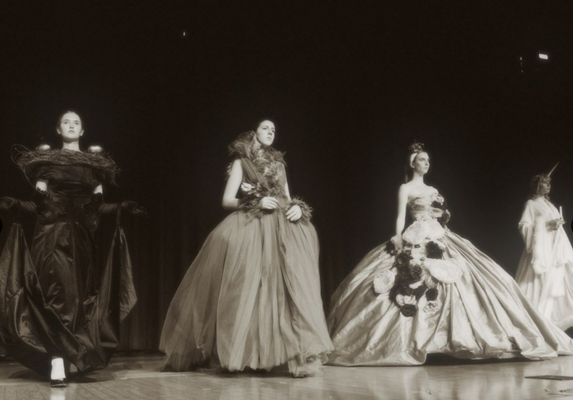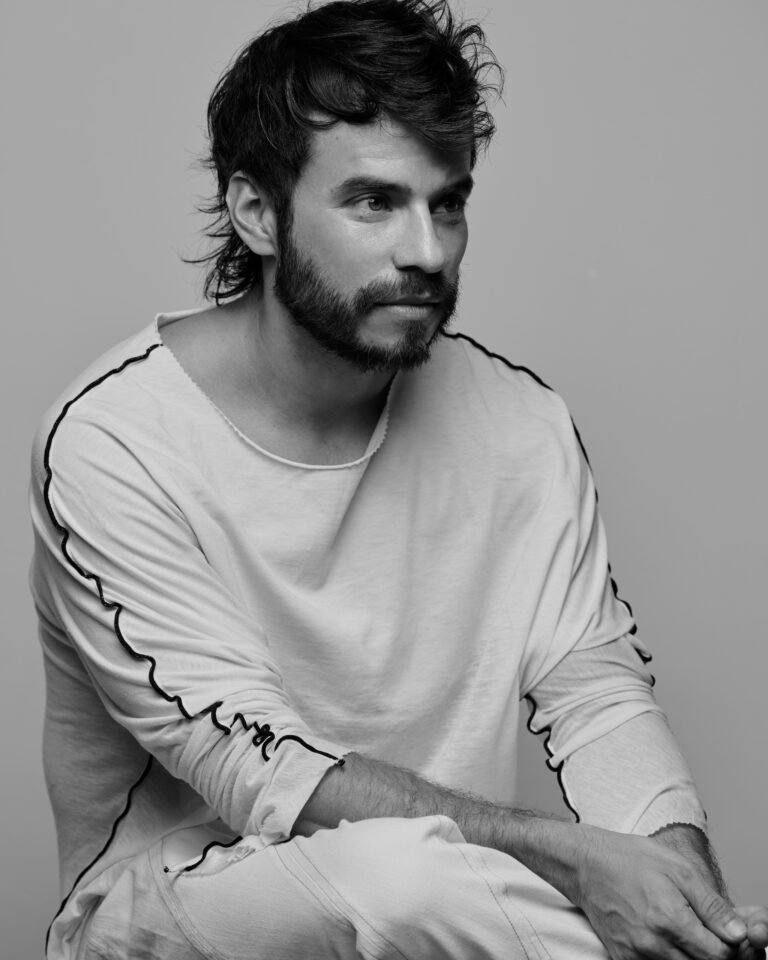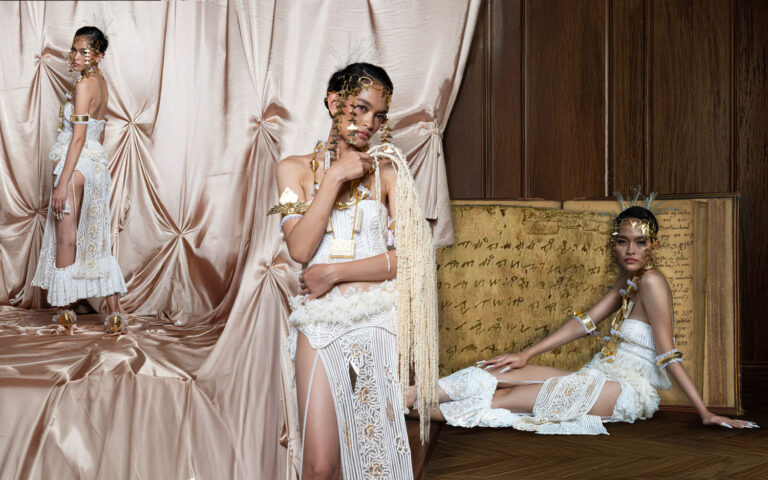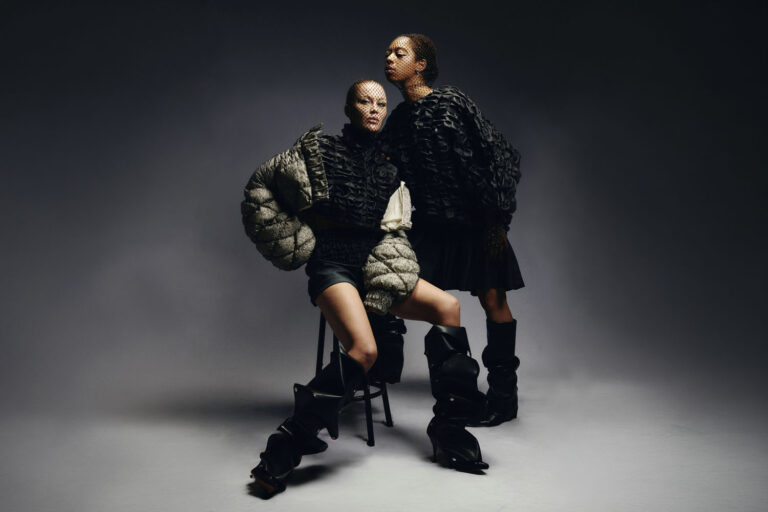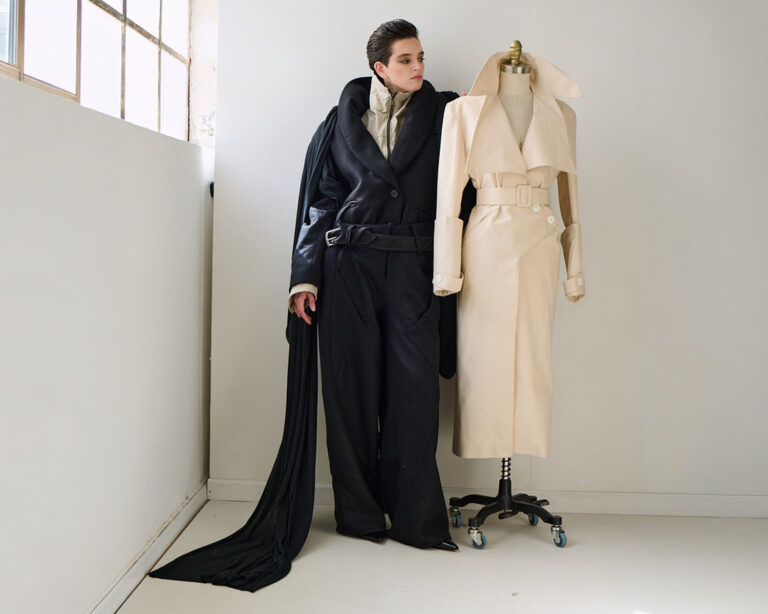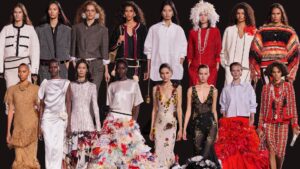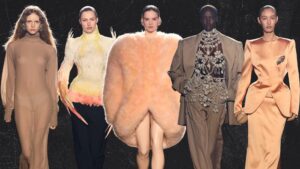
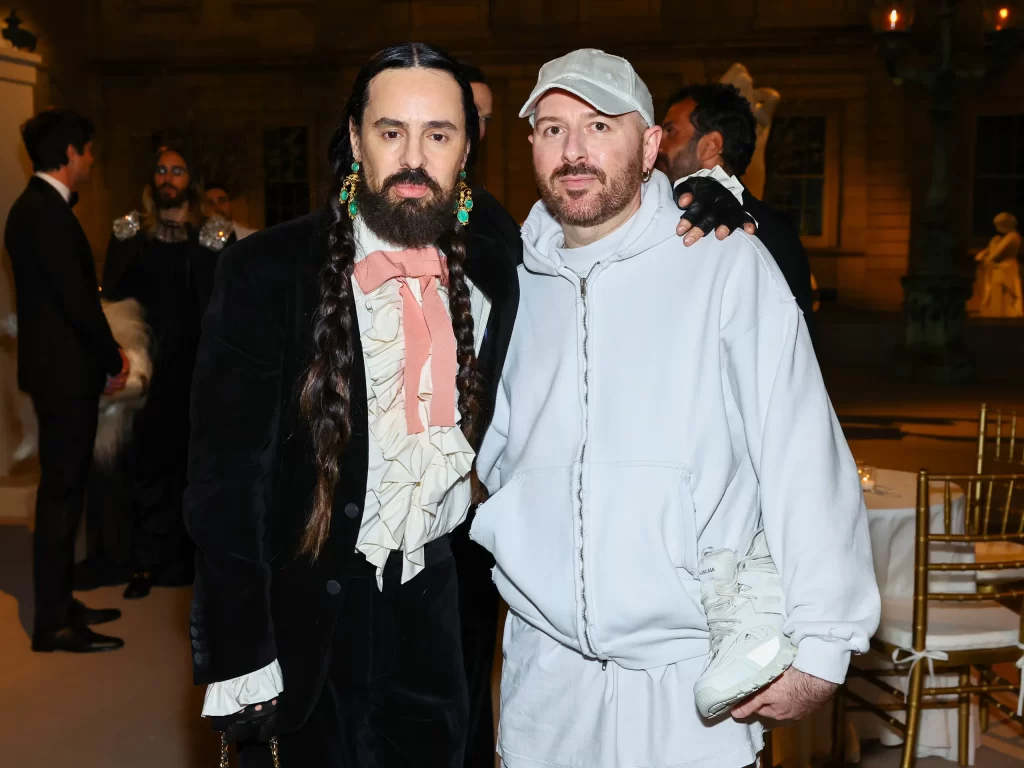

Vintage frames, gilded nameplates, and more flamboyant caricatures of clientele than you could fit into a Cluedo game; few things capture the House of Gucci’s spirit more aptly than a portrait series of stylish archetypes. The brand’s essence finds its newest expression in La Famiglia, the first look at Demna Gvasalia’s debut collection for Gucci. Composed of 37 looks, all of which have been released somewhat earlier than the fashion community expected, the collection has officially been described as being a display of “the different facets of Gucci’s personas”. It’s also set to be a blend of high fashion and cinematic storytelling, with the teaser for the accompanying film The Tiger (and its characters) premiering as part of Milan Fashion Week.
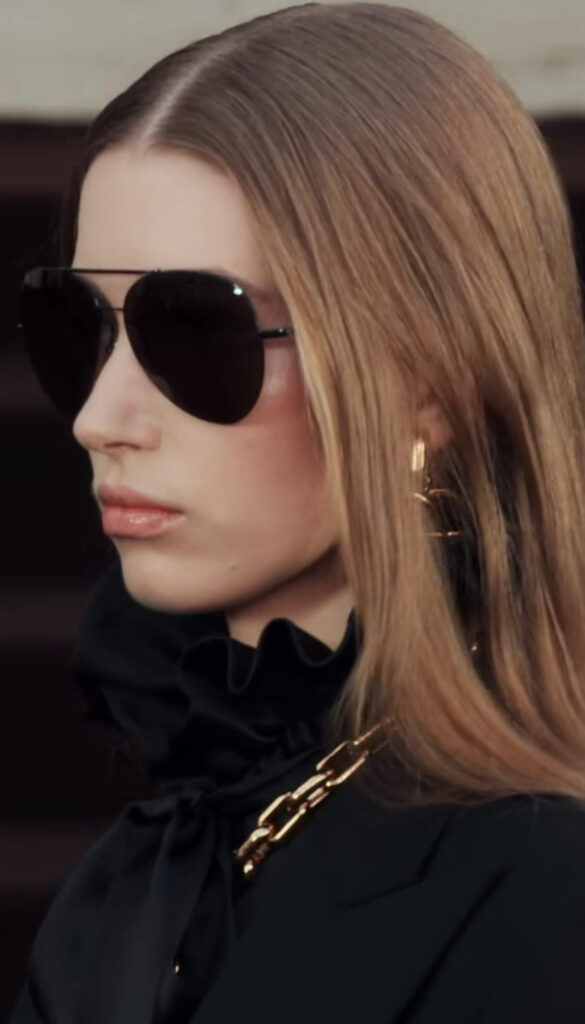
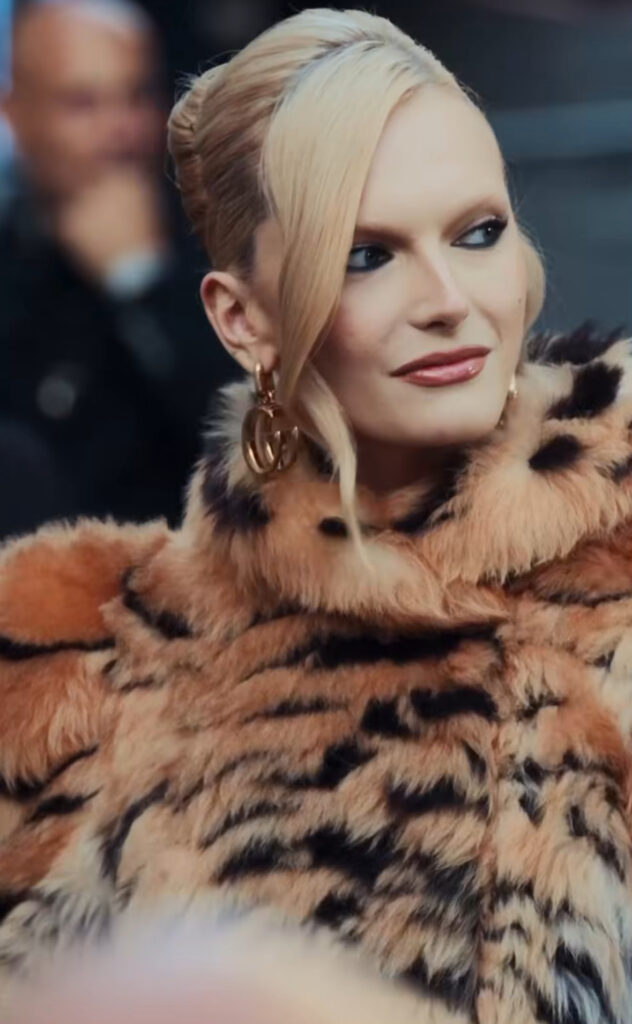
Initially, there’s a wonderful level of versatility to this debut that has been presented in an entertaining way one will see as extremely characteristic of Demna if they’re familiar with his campaign work for Balenciaga, who he parted ways with in July. The collection invites interpretation through a subtle nod or two to past creative director eras, most notably Alessandro Michele’s Geek-Chic sensibility – potentially referenced via a character named “Nerd” – the general sensuality of Tom Ford’s tenure from the 90s, and a sprinkle of exaggerated Frida Giannini. The whole collection reads as a considered amalgamation of Gucci’s enduring house codes, punctuated by the inclusion of the iconic horsebit snaffle and floral prints, and Demna’s very own hallmarks. It provided a decent benchmark to forecast what design possibilities for his tenure could manifest themselves as.
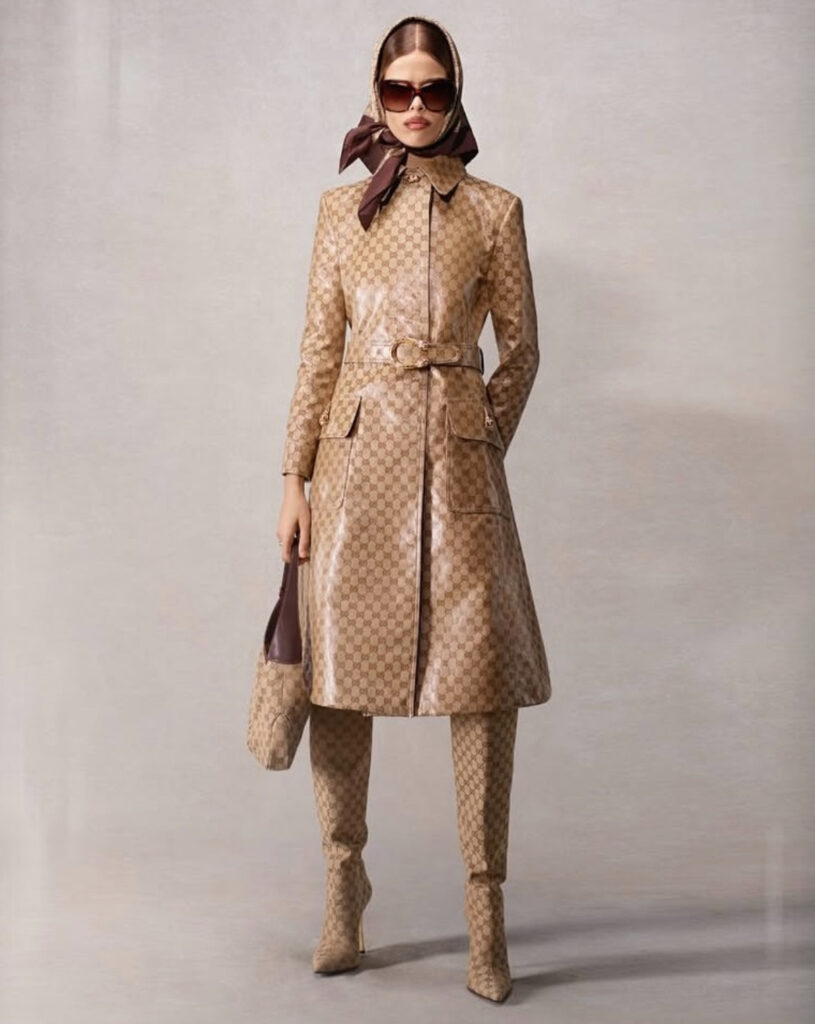
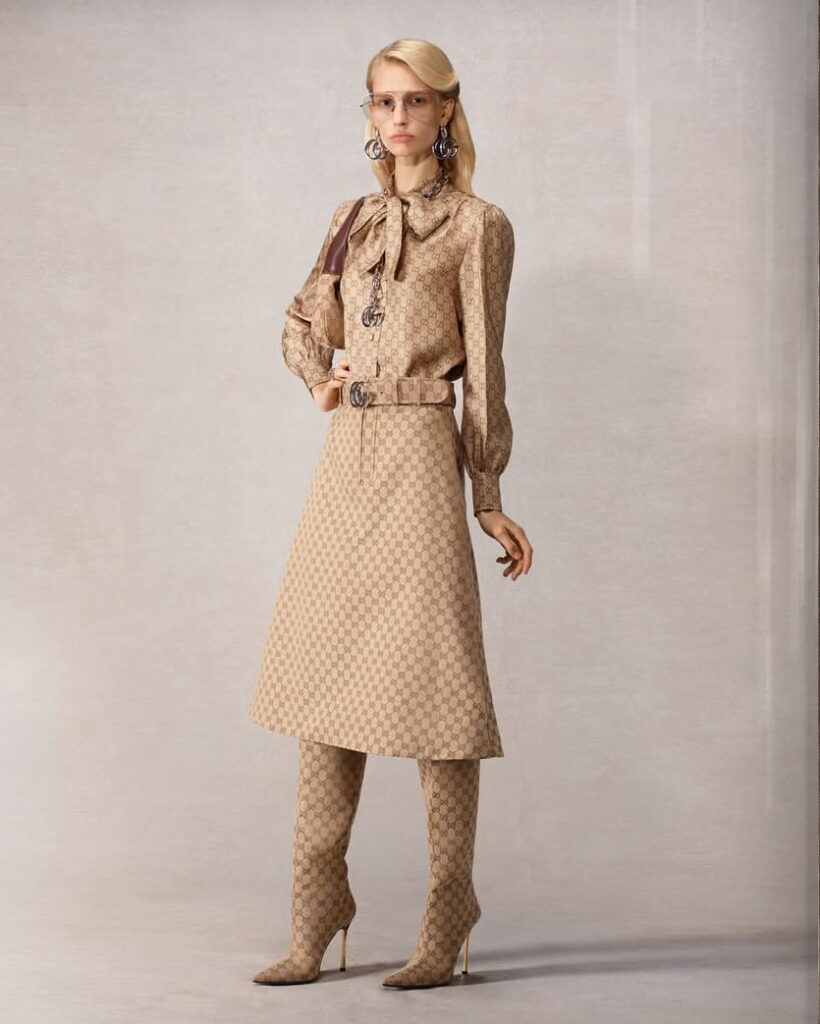
The collection is all about celebrating singularity, ultimately, though the overarching theme seems to remain firmly within conveying old luxury. It’s likely that Demna will be pulling a lot from the archives going forward, and this could be seen in greater detail in February for his first show for the brand. The Bamboo 1947 bag made an appearance, along with the original loafers designed by Aldo Gucci in 1953. Gucci’s origins as a luggage atelier were already well and truly honoured in the very first portrait in the series, entitled “L’Archetipo”. “La VIP” brandishes the logo quite literally head-to-toe. The Gucci belt is making a Ford-esque return. And by no means is anything replicated here. No; instead we should expect a deliberate recontextualisation – an archival remix that aims to reinterpret, and isn’t about nostalgia for nostalgia’s sake, either. There was a lot of discourse prior to his appointment about whether or not Demna’s style would even align with Gucci – it’s certainly a subversion from his mileage designing streetwear – but that’s exactly where his strengths seem to lay. He knows the brand well. What we’ll see is a fresh redefinition of old styles in a theatrical light – and expect to see the logo in artistically theatrical abundance rooted beneath a headscarf and sunglasses.
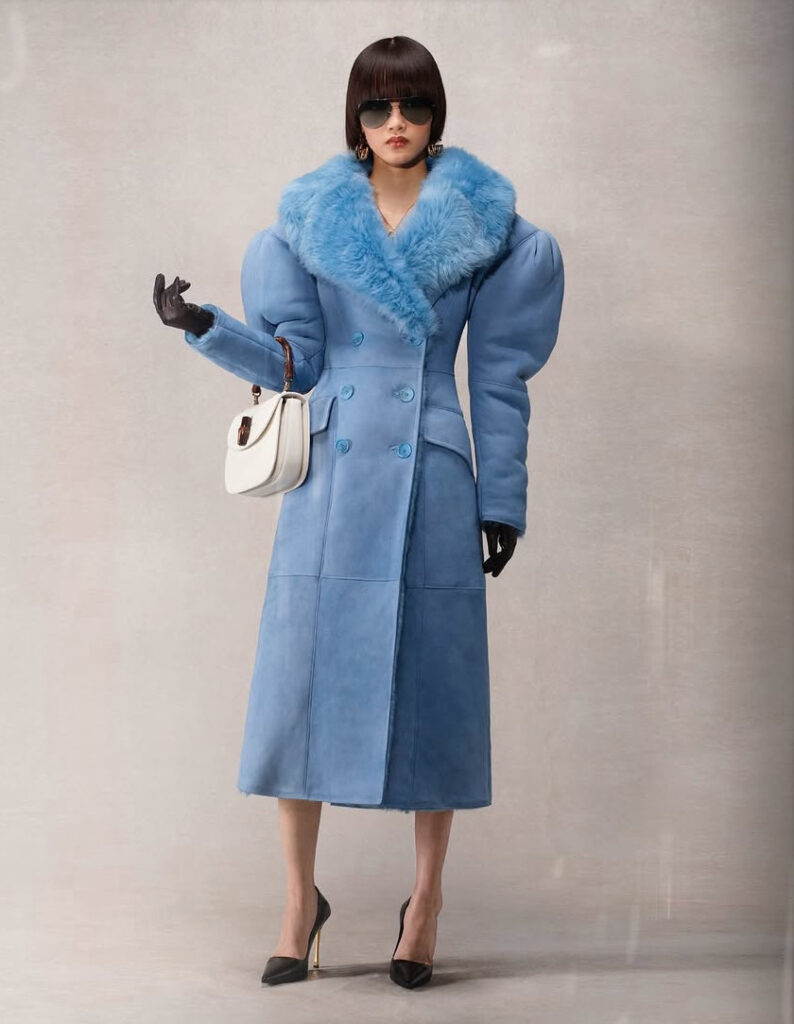
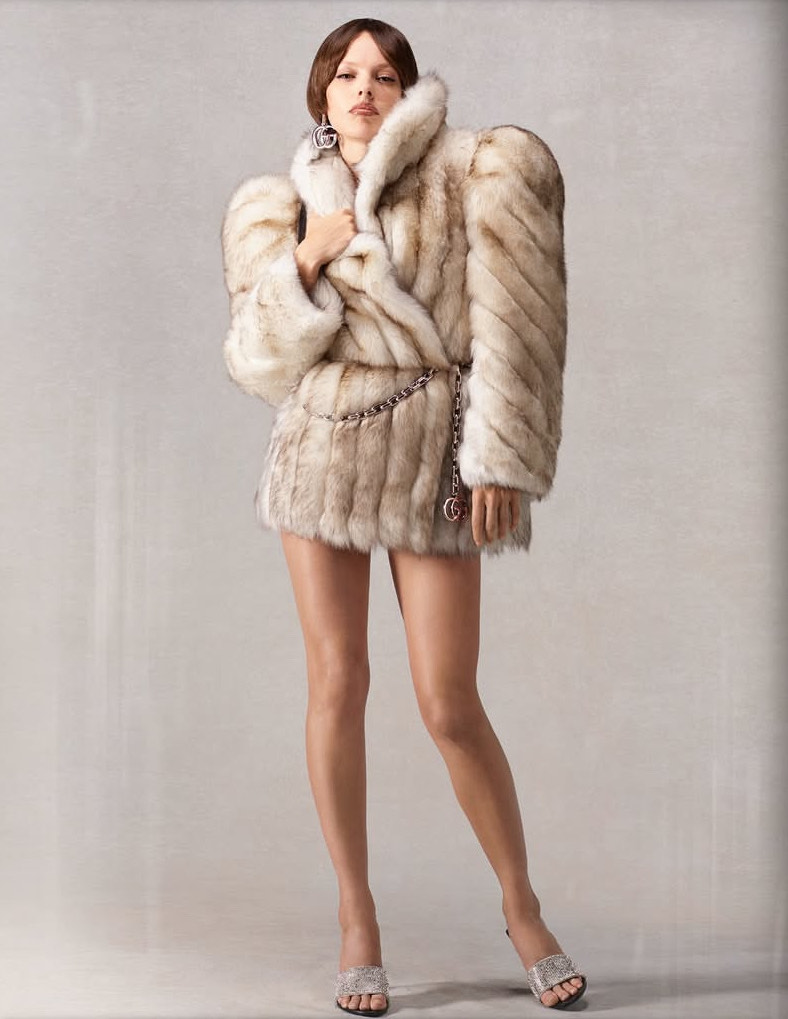
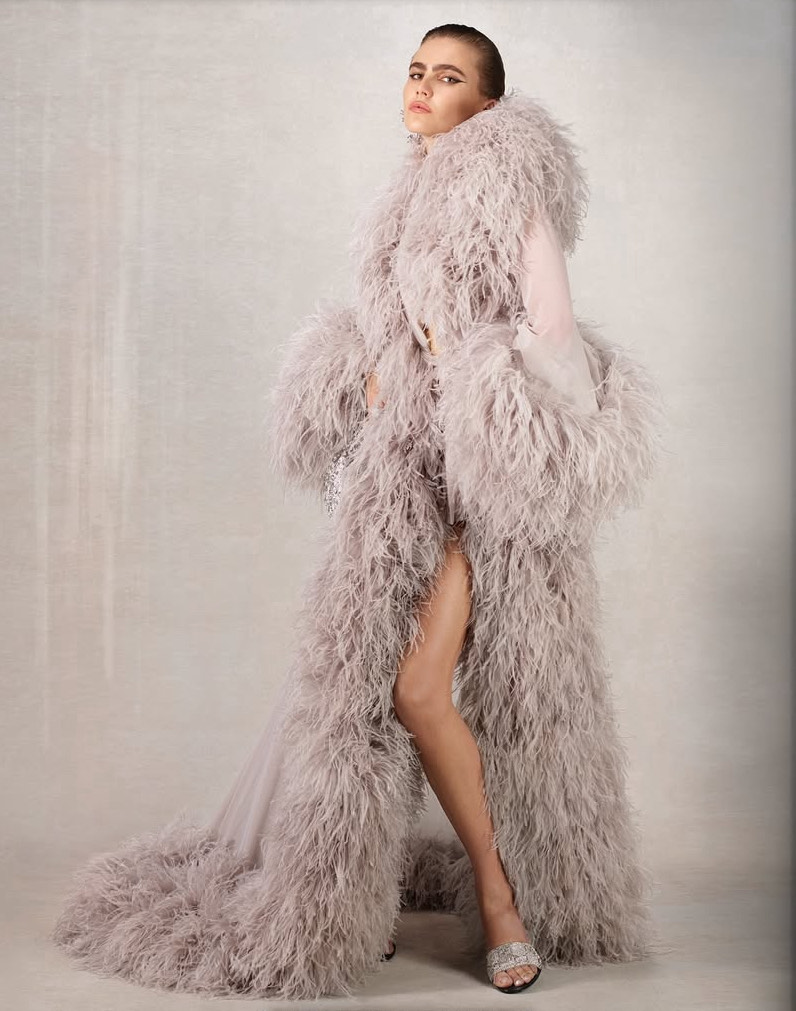
It goes without saying that Demna loves skewing the relationship between proportions in his pieces, and it’s very much “fork found in kitchen” territory to say that we’ll be seeing this often. Whether it’s exaggerated shoulders, The key here is how interesting it’ll be to see that channeled through heritage Gucci. “Sciura,” draped in a powder-blue trench with aggressively oversized shoulders and a plush fur collar, channels the matriarch archetype. Her look is a nod to Gucci’s 1950s and 60s bourgeois elegance, but blown out of proportion – quite literally. The trench coat, a staple of outerwear, is reimagined with architectural volume, turning a classic into a statement of power and parody. “La Bomba” and her sequel, “La Bomba No. 2,” take cues from Tom Ford’s Gucci era, where sex appeal was dialed to maximum. Their fur coats with exaggerated shoulders evoke the glamour of Ford’s runway bombshells, and the classic flora print has received the same treatment in an opposing sense to create a rather Victorian silhouette as seen on “The Countessa”. It’s likely a safe interpretation to say that Demna’s approach to Gucci isn’t just about preserving the past – it’s about inflating it, reframing it, and sometimes poking a little bit of fun at it. Future collections will continue to mine the designer’s rich sartorial history, but with a sculptural hand and a subversive eye that’s more fitting to Gucci’s own brand. Think balloon-like sleeves accentuated by fit-and-glare silhouettes, and hyperbolic high collars subverted by pure sex appeal.
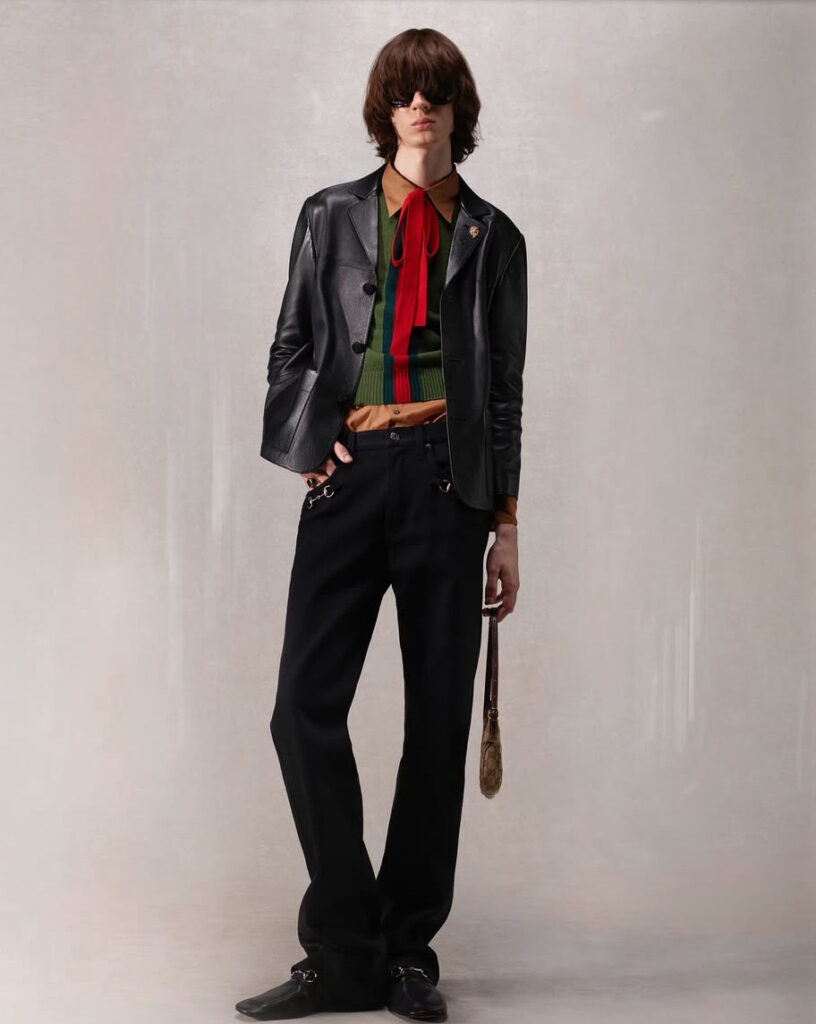
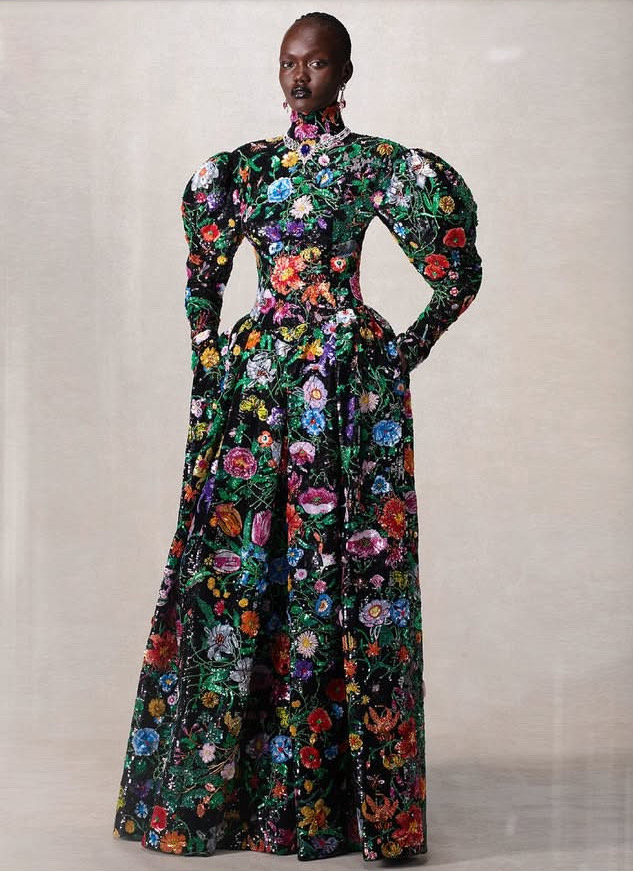
There’s a lot of plush fabric involved in the collection, which immediately throws us back to Gucci F/W 2011- mink collars, sheer black fabric (again adorned with the Gucci logo), and dramatic shag outerwear. It’s more evocation of status and drama, further fueling the theatrics we could be seeing a lot more of in the coming tenure. All we can hope for is a reiteration of Michele’s red velvet suit, perhaps with some added plumage – we’ll let Demna do as he sees fit with the shoulder-to-waistline ratio.
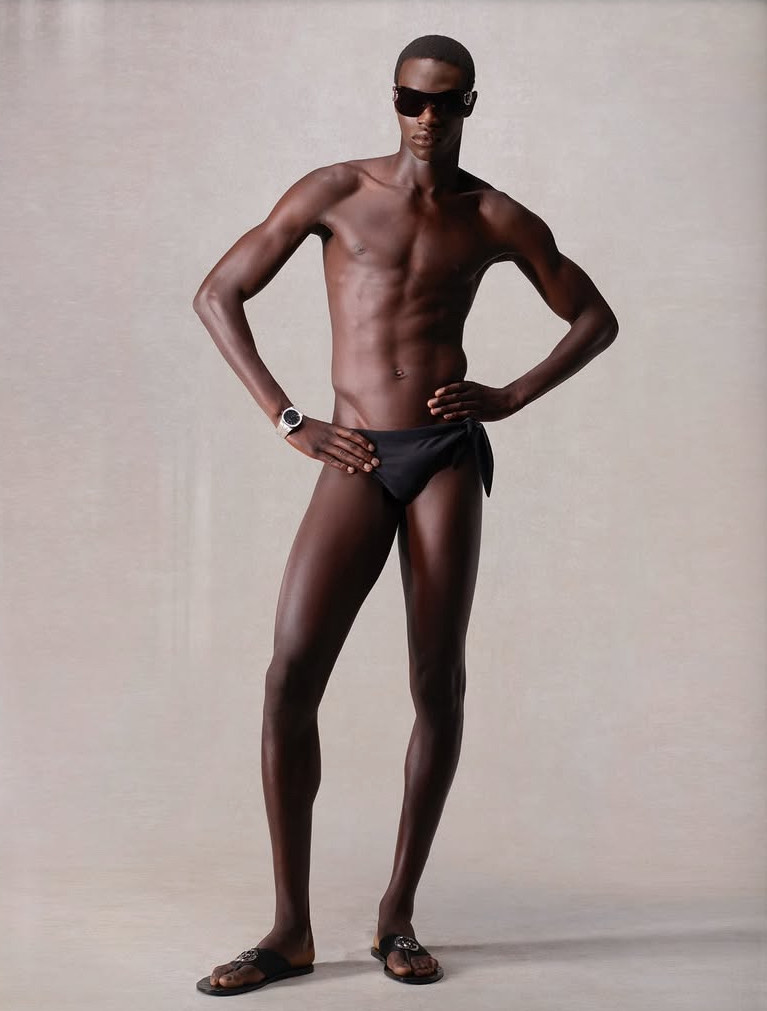
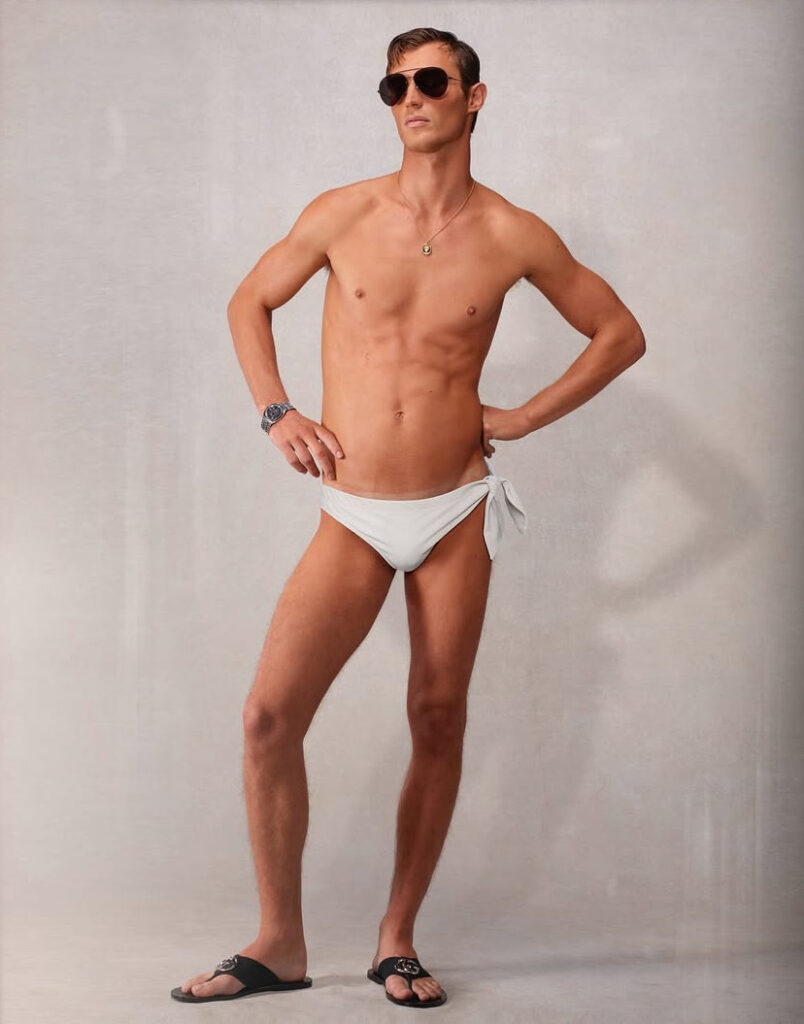
Without returning to mentioning Tom Ford in total excess, we can definitely expect to see Gucci stealing back its crown for sensuality. It’s near-on impossible to write about this collection without mentioning “Bastardo” and “Ragazzo”, our Speedo-clad anti-heroes just begging to be the villains you hate to love. And the Speedos are just about all they’re wearing, aside from flipflops and sunglasses. Now, if you know Balenciaga, you’ll recall the ad scandals they’ve been involved with in the past. In short, Demna is no stranger to pushing the boat out: for better or for worst. It’s not always just about the clothing, and as the smoke settles it’s hard to say just how well this collection will do, but it’s certainly a strong debut from a conceptual point of view. Still, for now, these characters are the closest we’re getting to any chaos from the designer – and therein lies the paradox. For all its cheeky bravado, La Famiglia feels like Demna holding back just enough to stay within the bounds of Gucci’s legacy. “Bastardo” and “Ragazzo” may be provocateurs, but they’re provocateurs in a controlled environment, their rebellion curated rather than unleashed. Compared to the more incendiary moments of his Balenciaga tenure, this debut reads as a calculated risk. Then again, The Tiger is still yet to be seen, so… best not to speak too soon.
As it stands, La Famiglia is a compelling opening statement – it’s certainly rich in concept, comfortably referential in tone, yet stilll undeniably theatrical. It shows promise, certainly, but it also leaves us with more questions than answers, which seems to have been the aim. The collection feels like a mood board come to life, a collage of Gucci’s past filtered through Demna’s artistic direction. Yet, for all its cleverness and characterisation, it’s still unclear which direction the designer will ultimately steer the brand toward. Will future collections lean deeper into archival reinterpretation and good old classical values, or will we see a sharper pivot into something more disruptive, more radical? Is this a prelude to a new era of couture-level long-form performance pieces? For now, La Famiglia is less a manifesto and more a teaser trailer.
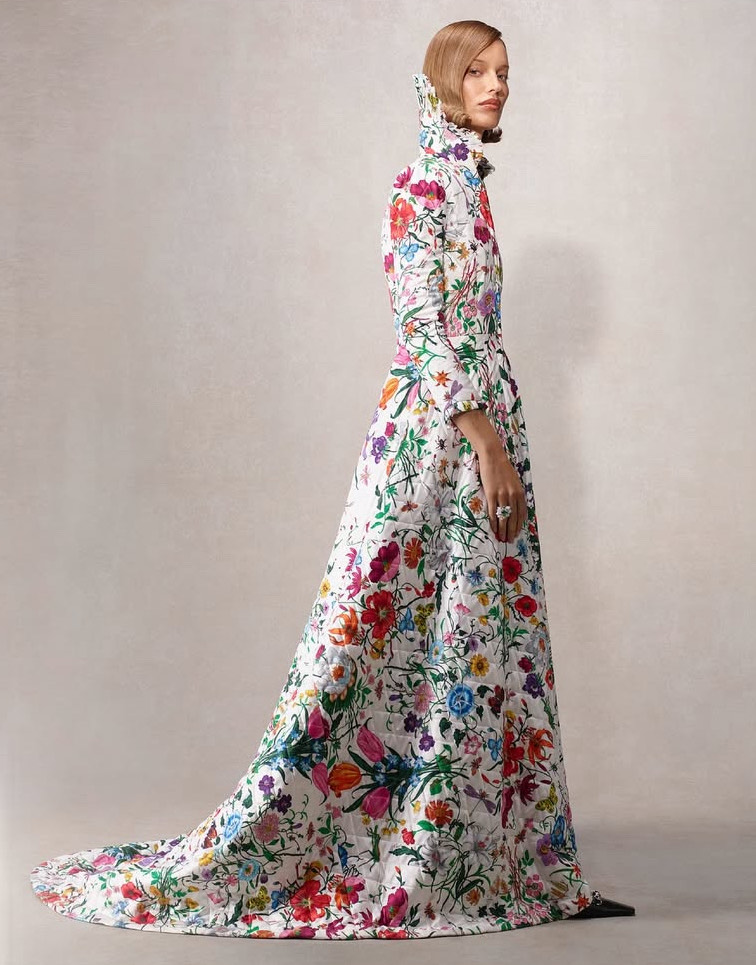
One thing Demna has shown through this campaign is that he knows how to read the Gucci room, if not without a somewhat ironic lens. What the brand really needs is something fresh following their recent financial decline, and if La Famiglia is any indication, Denma’s tenure at Gucci won’t be defined by quiet evolution – it could be a series of bold, referential provocations that challenge the brand’s legacy while recontextualizing it for a new generation. His ability to distill cultural gradation into visual language suggests that future collections may lean even further into character-driven storytelling – and this is exactly what the brand is doing with an all-star movie cast that includes the likes of Demi Moore, Kendal Jenner, Keke Palmer, and Alex Consani to name but a few. While it could be brought into question of whether it’s the design or the communication of the idea that’s drawing in the crowds, Demna’s style and appreciation of wider context in fashion remains irrevocably recognisable across his vision. Demna Gvasalia’s first fashion show for Gucci will debut next February, while looks from this collection will be available for purchase beginning September 25th until October 12th in a few select stores around the world.