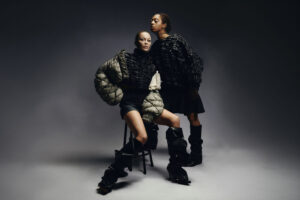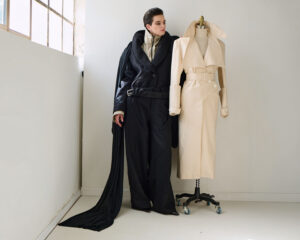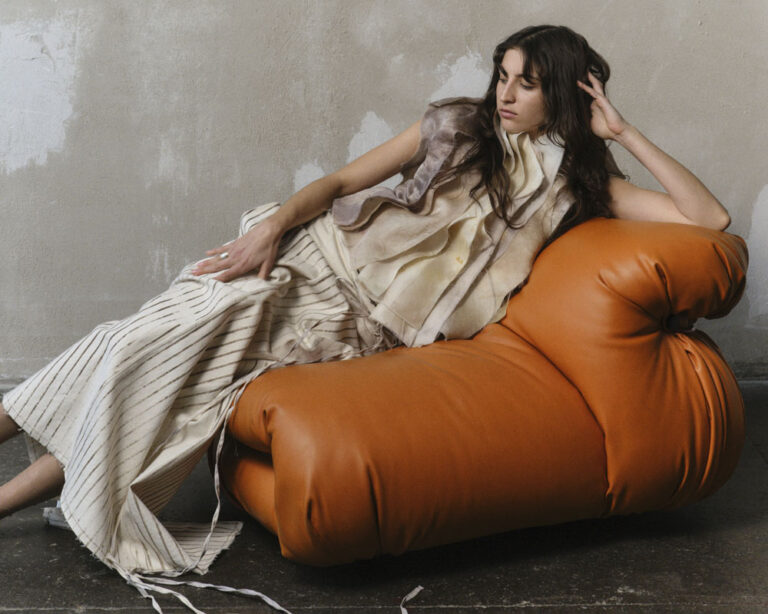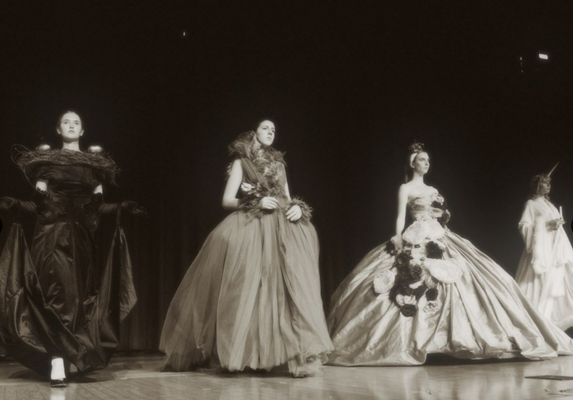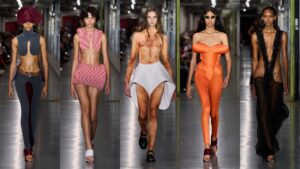
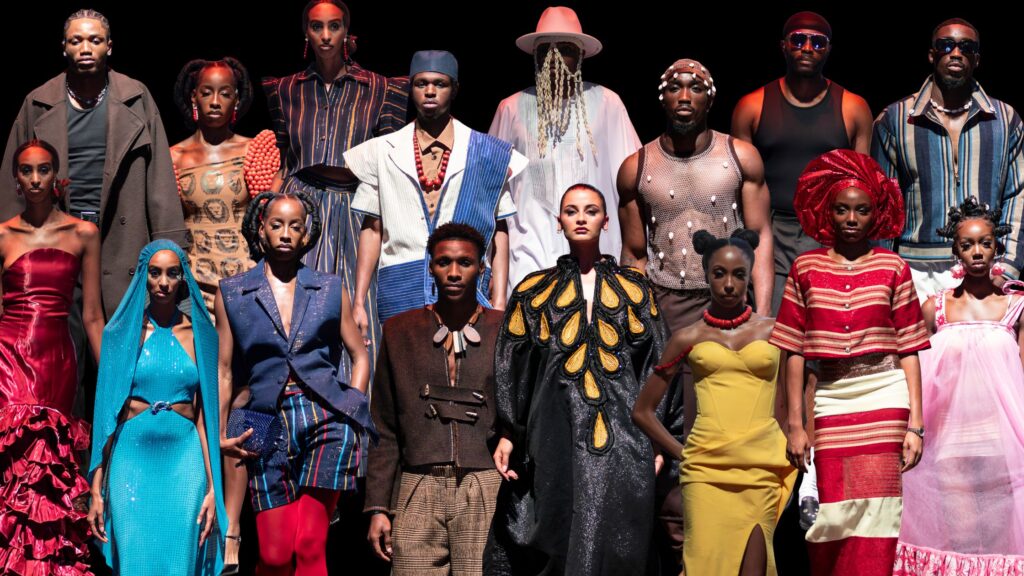

London Fashion Week has long been a stage for reinvention, but this season a new voice rises above the noise. The Unity in Design Global Network (UDGN) brings Cultural Threads SS26 to Ladbroke Hall, transforming the runway into more than just a fashion show but a place for creatives to thrive.
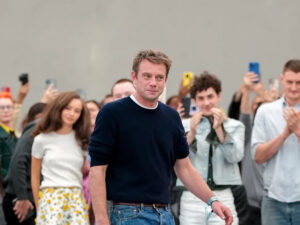
Cultural Threads celebrates a new chapter in fashion storytelling, one where underrepresented voices step into the spotlight and use design to express memory, identity, and possibility. The showcase introduces 16 designers from UDGN’s flagship incubator program, each carrying the depth of cultural heritage while pushing the boundaries of contemporary fashion. Founded by award-winning designer and British Fashion Council member Tare Isaac, UDGN exists to build tangible pipelines for growth, recognition, and visibility for minority-led talent across the globe.
ANKU
By Kelvin Vincent | @ankustudio
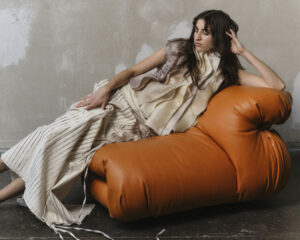
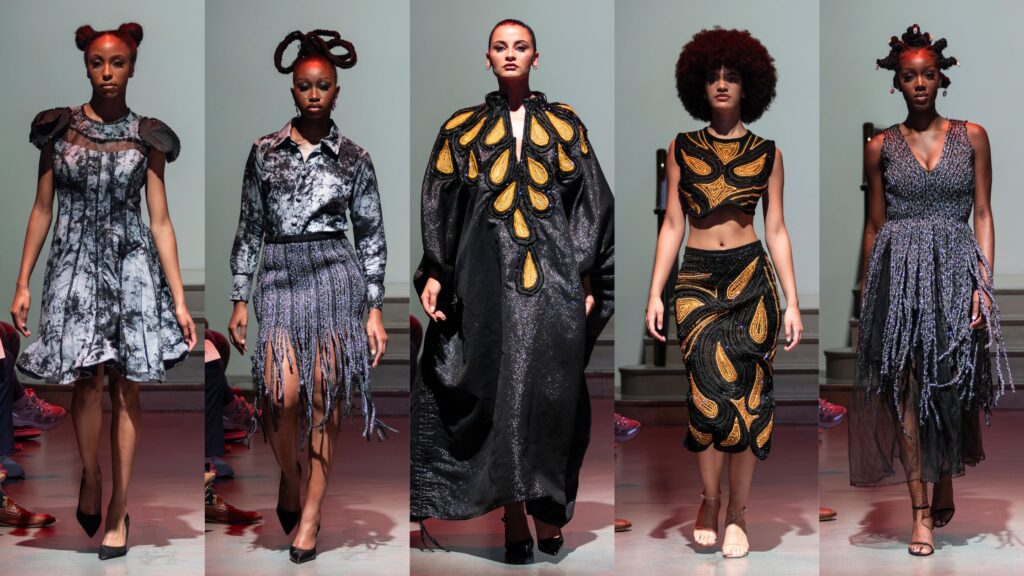
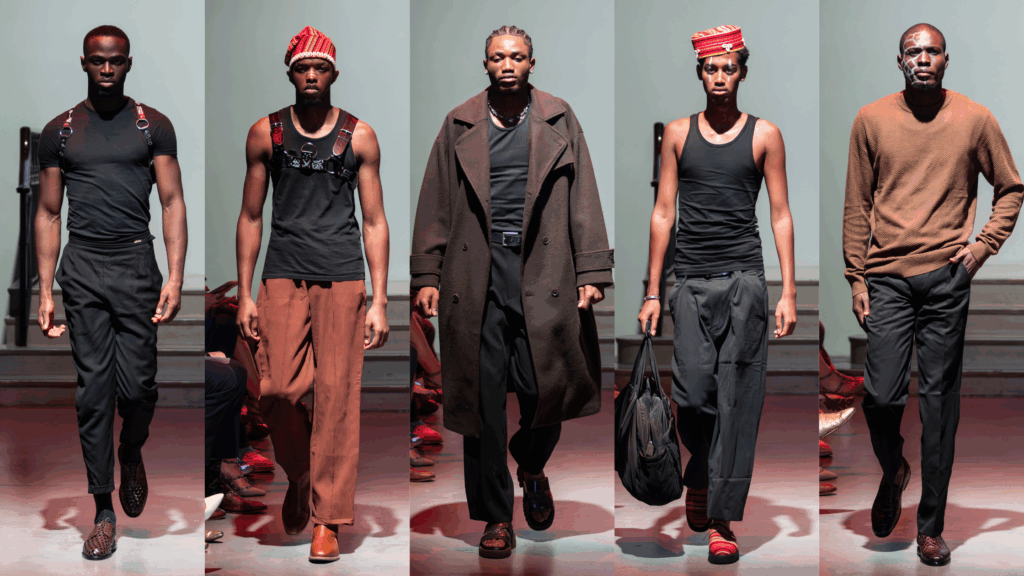
Anku feels layered, both literally and emotionally. Kelvin’s Woven Stories collection traces his ancestry across Ewe and Akan traditions, telling intergenerational tales through textures and tones. The collection honored craft without being literal about it, so woven patterns functioned as language rather than ornament. Fabrics had weight and tactility, and the pieces suggested continuity more than novelty. There was an intimacy to the work, as if the garments carry family histories in their threads. ANKU translated heritage into everyday pieces that feel dignified and wearable. It was smart about modern needs while being generous to craft methods.
AYAH
By EAyah Ebimobowei Daukoru | @ayahintl
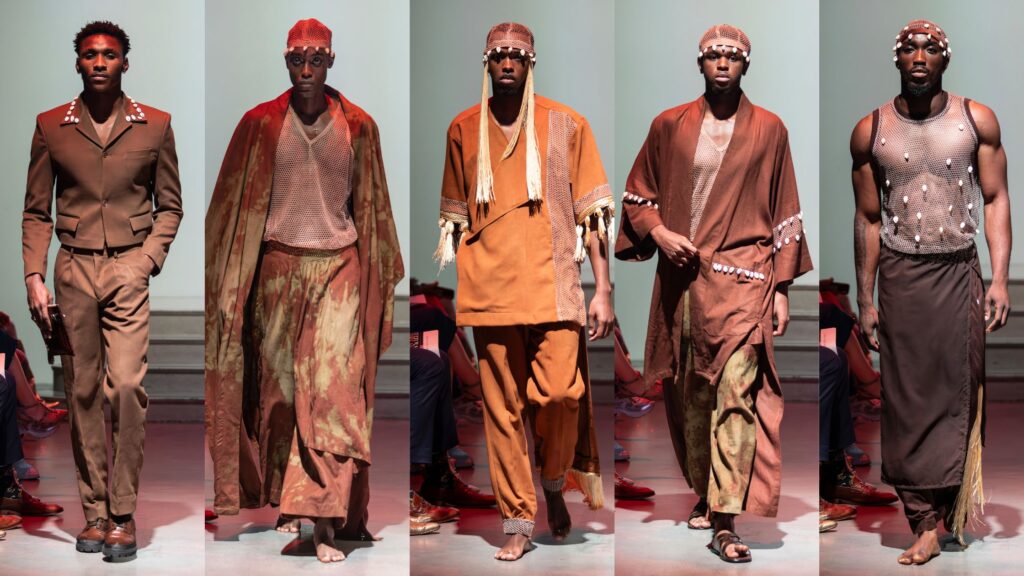
Ayah’s lineup smelled like salt, silt, and honest work. Ayah Ebimobowei Daukoru translated the Niger Delta’s river life into clothes that feel lived in and functional, but poetic. There is a humility to the collection. Fishing jackets, wide trousers, and mesh overlays reference netting and repair rather than runway glamour. Dyed cottons with uneven watermarks and cowrie accents read like artifacts of daily life, not props. The palette is earthy and steady, grounded in greens and browns that root the clothes to place. What surprised me was the tenderness within the toughness. These garments honor labour without aestheticizing it into spectacle. Cuts are practical, finishes are thoughtful, and details like reinforced seams feel like gestures of care. This is menswear and utilitarian design that refuses to be austere. It cares about ecosystem and people equally. In a season of flash, Ayah quietly insisted on dignity and durability.
BOLA
By Omobolanle Sulleman | @bolasulleman
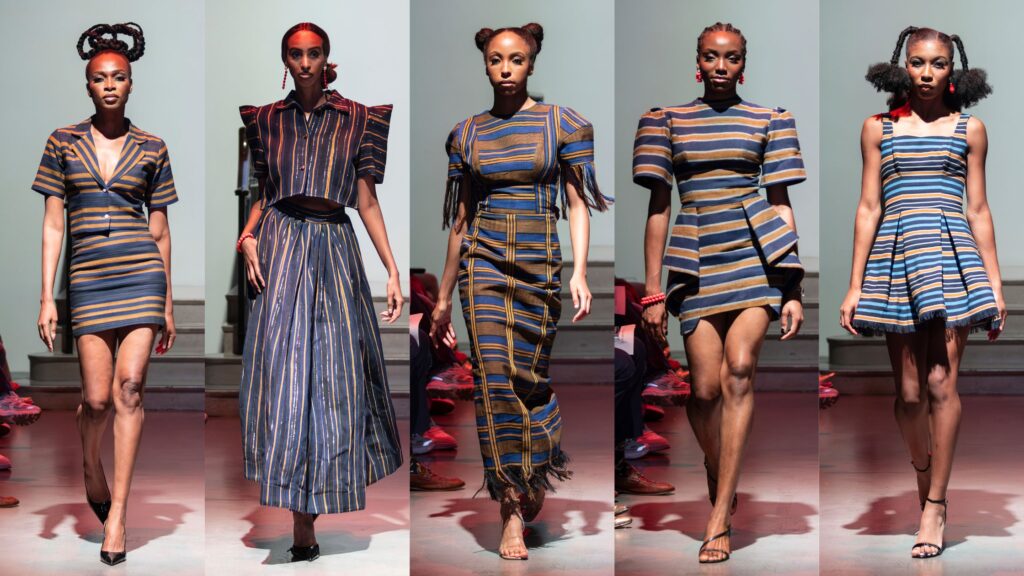
Bola gave us heirloom thinking for a fast fashion era. Omobolanle Sulleman leaned on Aso-Oke and handweave with a restraint that made the collection feel like opening a family trunk. Navy, cornflower, and touches of gold created a ceremonial hush rather than runway fireworks. Tailoring favored longevity and repairability, the kind of pieces you imagine getting fixed and passed on. It is easy to describe this as conservative, but that would miss the point. This is careful work that values continuity over novelty. The clothes are polished without being precious. Sulleman respects lineage and turns that respect into garments meant for life, not a single season. In a marketplace screaming for the next big thing, Bola’s measured, reverent approach felt like a radical act of taste.
ITELE
By Seyi Agboola | @itele.uk
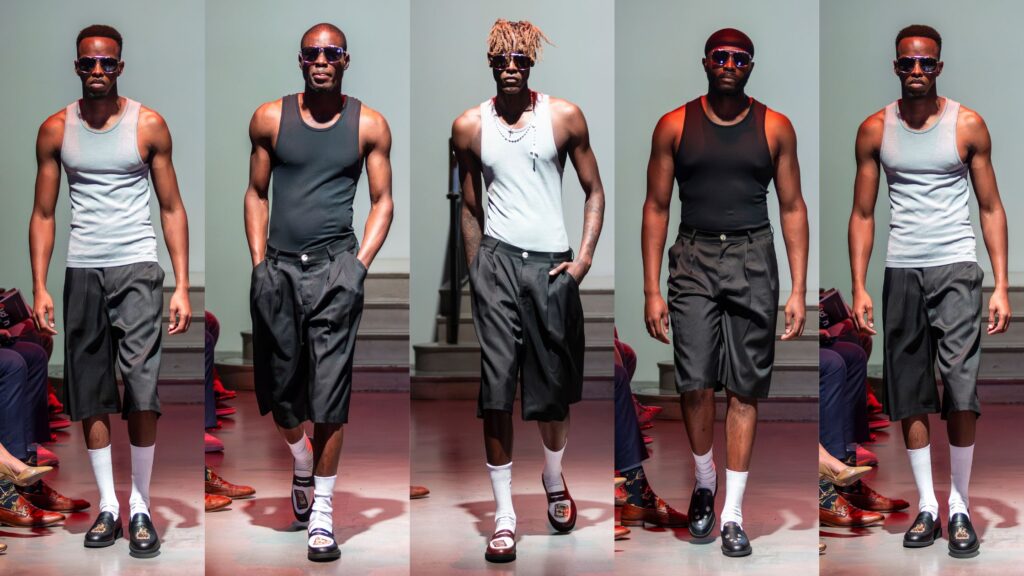
Itele is proof that shoes can tell stories. Seyi Agboola used iconography, playful trims, and confident silhouettes to make shoes and accessories that talk back. The collection balanced irony and seriousness in a way that felt fresh. Loafers became canvases for identity and ceremony rather than conservative afterthoughts. Craft was evident in the finish work, and the humor never undercut the skill. The collection feels like a wink and a stand, clever but rooted. These are pieces that make dressing feel like a choice with attitude and history. ITELE turned a banal staple into an instrument of expression.
JERMAINE BLEU
By Jason Jermaine Asiedu | @jermainebleu
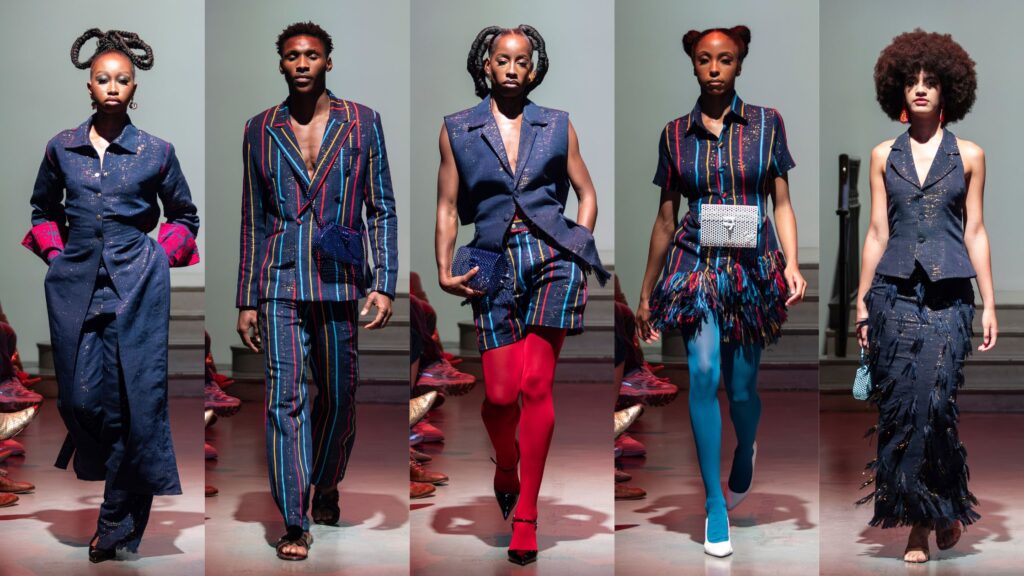
Jermaine Bleu is a romantic note in the lineup. Jason Asiedu crafts clothes that feel made for being photographed and for feeling good in public. Vintage-inspired hues, flattering cuts, and soft fabrics create a mood that is sentimental but sincere. The collection is unafraid of feeling nostalgic, yet it never slips into affectation. Instead it invites the wearer to enjoy getting dressed for memories and moments. It is menswear built around pleasure: tailored jackets cut to look great on camera, shirts that move with the body, and colors that read as classic rather than trendy. There is effortless charm here. If you like your dressing to feel cinematic, Jermaine Bleu delivers it with warmth and polish. It is the kind of collection that leaves you smiling, and thinking about what you might wear to an event you actually want to remember.
KAYPEEFOOTWEARS
by Omoyoloye Kolapo Ibiyinka | @kaypeefootwears
KAYPEE made shoes that tell stories without needing captions. Omoyoloye Kolapo Ibiyinka’s collection ‘APATA’ combines painted leathers, textured soles, and festival-inspired motifs so every step feels intentional. These are functional shoes with personality. A pair in royal yellow and red read ceremonial but remained grounded in construction that would work on real streets. Stitchwork and patterning hinted at mapped paths and community rituals, and that narrative quality is rare in footwear. The collection avoided gimmicks and focused on craft. You notice the weight of the leather and the care in the seams. These are shoes that can anchor an outfit and also become conversation pieces. KAYPEE proves footwear can be both practical and story rich, carrying cultural signals underfoot in the best possible way.
LEKAN AARE
By Lekan Taofeek Folarin | @lekan_aare
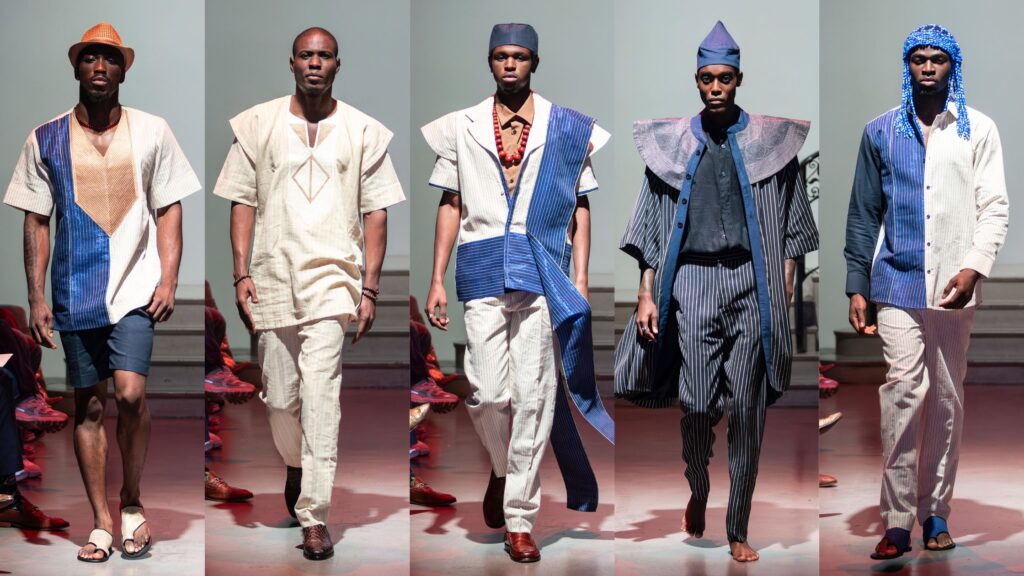
Lekan Aare’s debut felt like walking into a coronation. The collection, Homage to the King, set the tone right from the name — and the clothes delivered. Pinstripes ran across the pieces, but not in the usual corporate way. Instead, they curved and bent like royal insignia, honouring the body’s shape. My favourite was a crisp white pinstripe suit with a single royal blue stripe running from shoulder to hem. It looked like a sash stitched into the fabric, instantly elevating the whole look. There was also a sculptural detail on sleeves that fanned like butterfly wings, playful but still regal. What made this so exciting is how Lekan blended Yoruba tradition with contemporary menswear. The collection didn’t feel heavy or nostalgic; it felt ready for today’s world. These were clothes fit for kings, but also for anyone who wants presence without saying a word. Confident and quietly powerful.
MIDETUSH
Oyewunmi Olumide Kolapo | @midetushbespoke
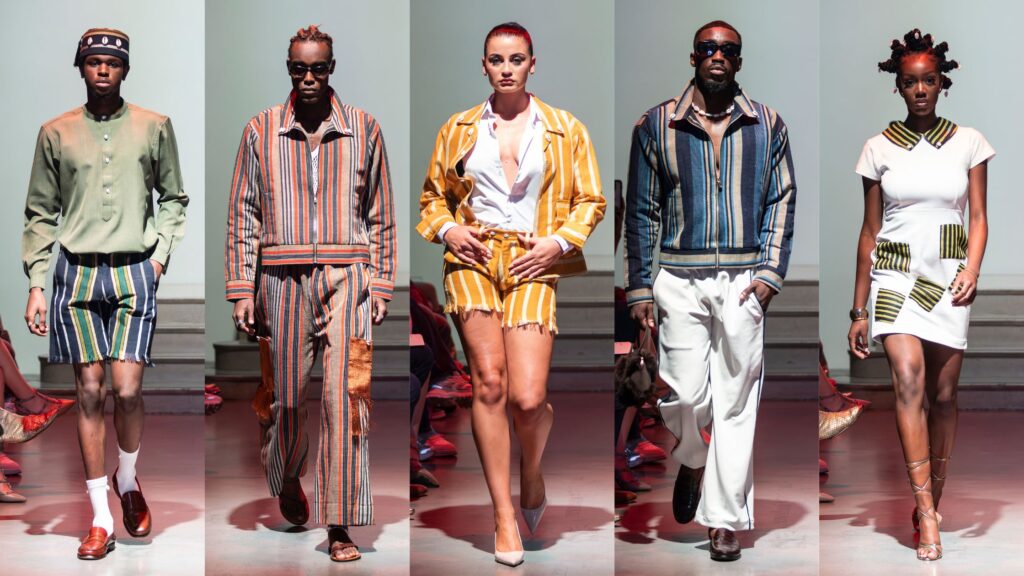
Midetush landed somewhere between late nights and London streets, and that in-between feeling is where it thrives. Oyewunmi Olumide Kolapo balanced oversized silhouettes with structural touches, so garments feel roomy and considered rather than sloppy. Stripes in vibrant oranges and deep blue read like city lights, and cowrie shell accents add talismanic detail without sounding literal. The collection manages to be accessible and distinct. It is the kind of streetwear that could hang in a Lagos tailor’s shop and sit comfortably in a Shoreditch boutique. There is confidence in the voice and clarity in the silhouette choices. The pieces invite movement and look like they will age well. Midetush is not trying to shout. It is quietly staking a claim for rooted, wearable streetwear that remembers origin stories while stepping into new streets.
MOTURANYO
By Motunrayo Yetunde Ajayi | @shop_motunrayo
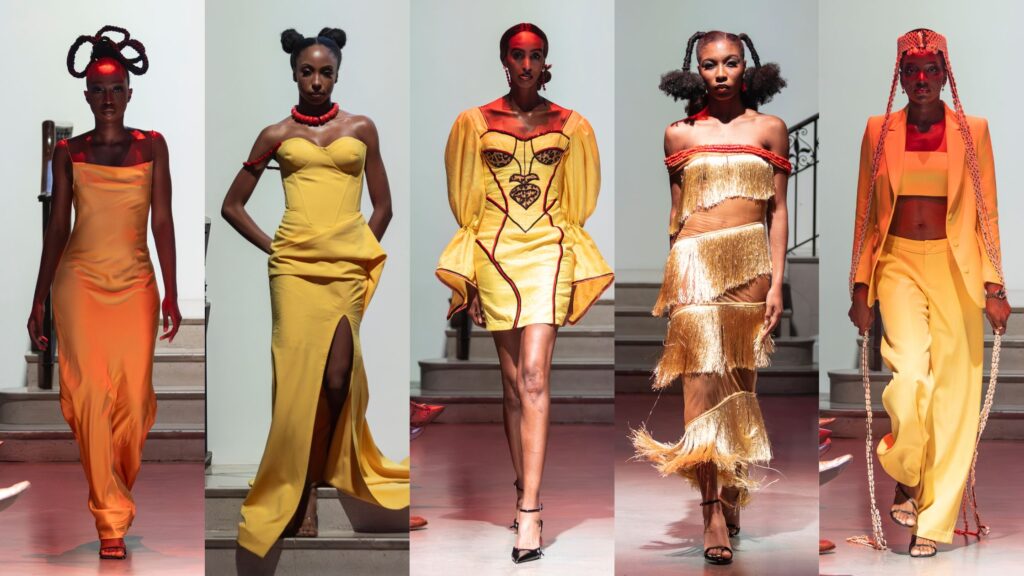
Moturanyo’s show felt like being invited into a private ritual, the kind that asks you to sit close and notice the details. Motunranyo Yetunde Ajayi built the collection around the Osun festival and the river goddess Oshun, and that inspiration shows in everything from the palette to the movement. Yellows and ambers read like trapped sunlight, and beadwork acts less like decoration and more like punctuation for memory. The headpieces flowed like water, but the tailoring remained sharp and thoughtful. That mix of ceremony and wearability is rare. These are clothes designed to be experienced, not just observed. Fringe and beadwork create tiny musical moments as models walked, which made the runway feel alive. The workmanship felt rooted in craft traditions, and yet the shapes read contemporary. It is a collection that asks for quiet respect and rewards close attention. I left wanting to see these pieces move under real light, in real life.
OBIREEN
By Salami Oluwaseun Victoria | @obireen
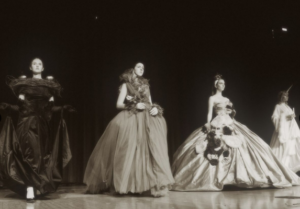
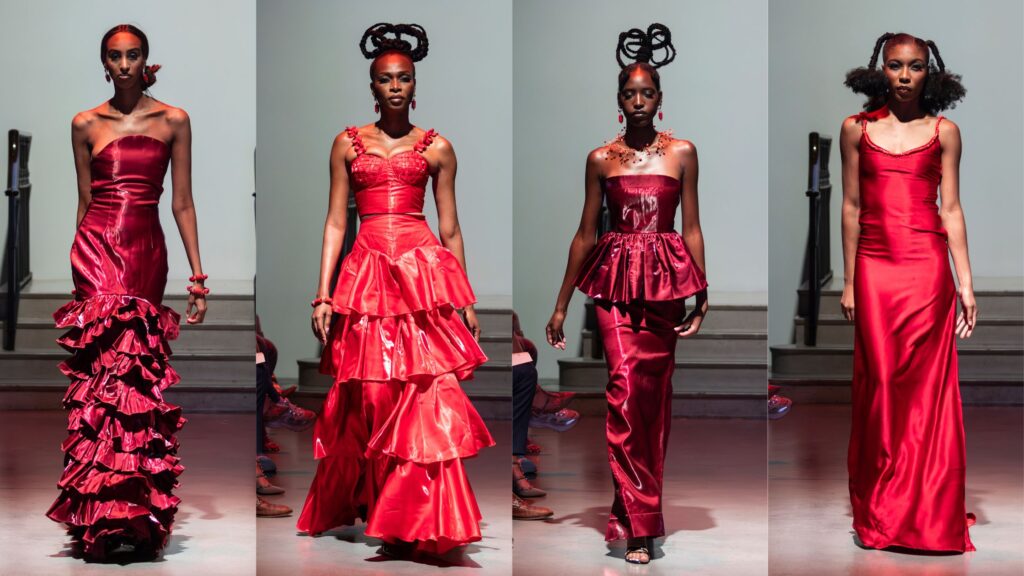
Obireen’s collection was all about power and presence. Salami Oluwaseun Victoria drew inspiration from Queen Idia of Benin, and it showed. The palette leaned into deep reds and burgundies, echoing sacred coral beads, while the silhouettes balanced volume and structure perfectly. One gown in particular stood out — a sweeping layered skirt that moved like breath, paired with a fitted bodice that grounded all that drama. Satin shimmered under the lights, turning each look into ceremonial regalia. But the magic was in the details: delicate beadwork that felt more like protective charms than mere embellishment. Knowing Oluwaseun’s background in shoemaking, the precision made sense. Every seam felt deliberate, like a line in a story. This wasn’t fashion about fleeting trends; it was about legacy, about women stepping fully into their strength. Watching Obireen was like being reminded that fashion can be armour, art, and history all at once.
OMOO AJADI
By Yusuf Kareem | @oomoajadi
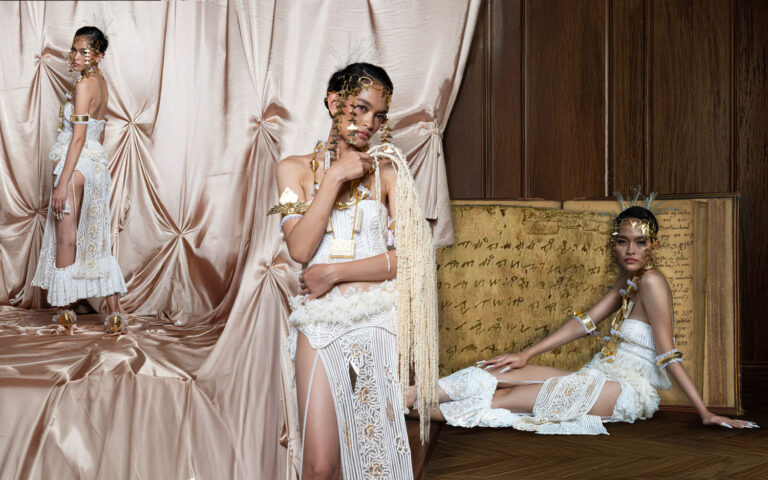
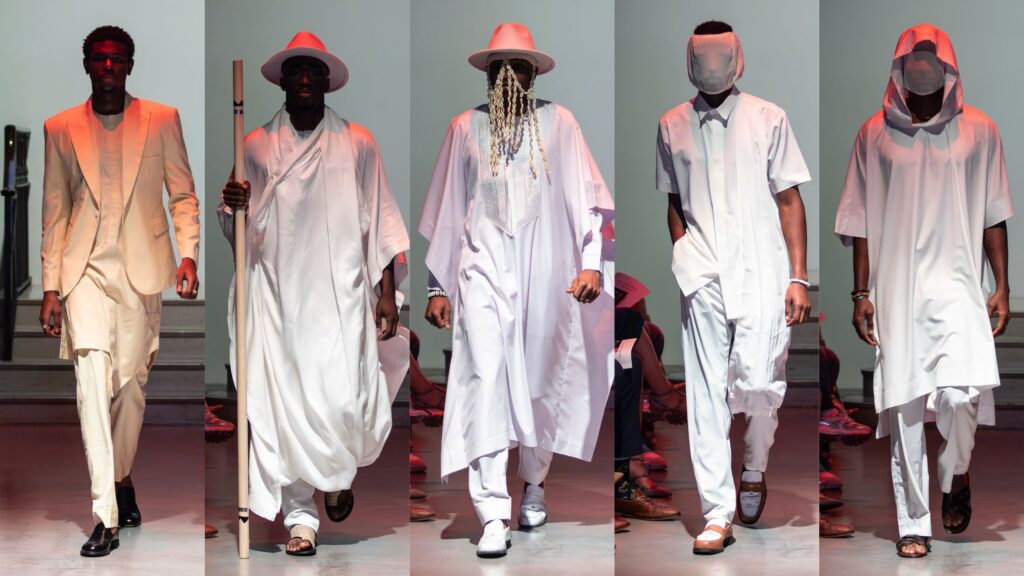
Oomo Ajadi staged minimalism as meditation. Yusuf Kareem’s white procession used texture, proportion, and veiling to create a mood of quiet contemplation. The show was less about spectacle and more about presence. Fabrics folded and flowed in ways that made emptiness feel intentional, and the restraint felt brave. There was a ritual sensitivity to the sequencing of looks, the kind of patience that rewards attention. This was fashion as a slow breath, not a gasp for attention. Workmanship was precise and the cuts were deceptively simple. Oomo Ajadi reminded us that silence on the runway can be a type of statement and that minimalism can carry deep cultural weight when treated with care.
PEM
By Princess Mary Obeya | @pem.couture
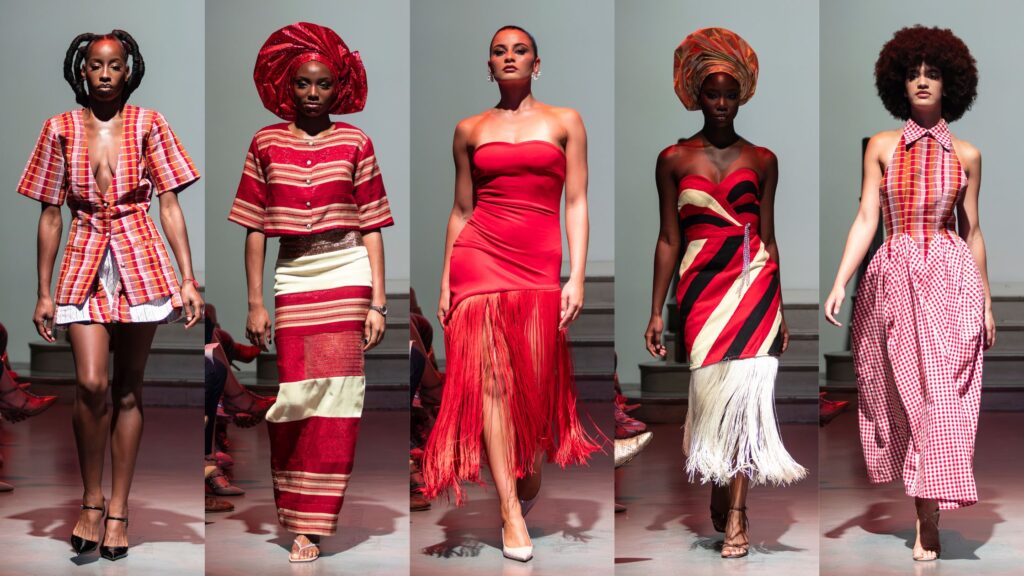
PEM’s collection, The Spirit Wears Red, was alive with rhythm and movement. Princess Mary Obeya drew from Idoma ceremonial dress, and the colour red pulsed like a heartbeat across the runway. Fringe, cowries, and bold silhouettes made the models look like dancers mid-ceremony, capturing both energy and reverence. One standout was a gingham backless dress with a dramatically folded skirt — every step gave it new life, like it was performing on its own. What struck me most was how Obeya balanced tradition and modern sensuality. The sacred was still present, but it was reframed for now. It felt like fashion as choreography, where garments moved like bodies in dance. The whole collection reminded me that culture isn’t static; it evolves and adapts while holding on to its essence. Watching PEM was like stepping into a living festival — vibrant, proud, and unforgettable.
ROBES AND BLINGS BY AKOKOMALI
By Olaitan Maria Olatoke | @robesandblingsbyakokomali
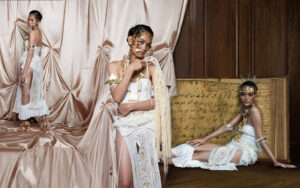
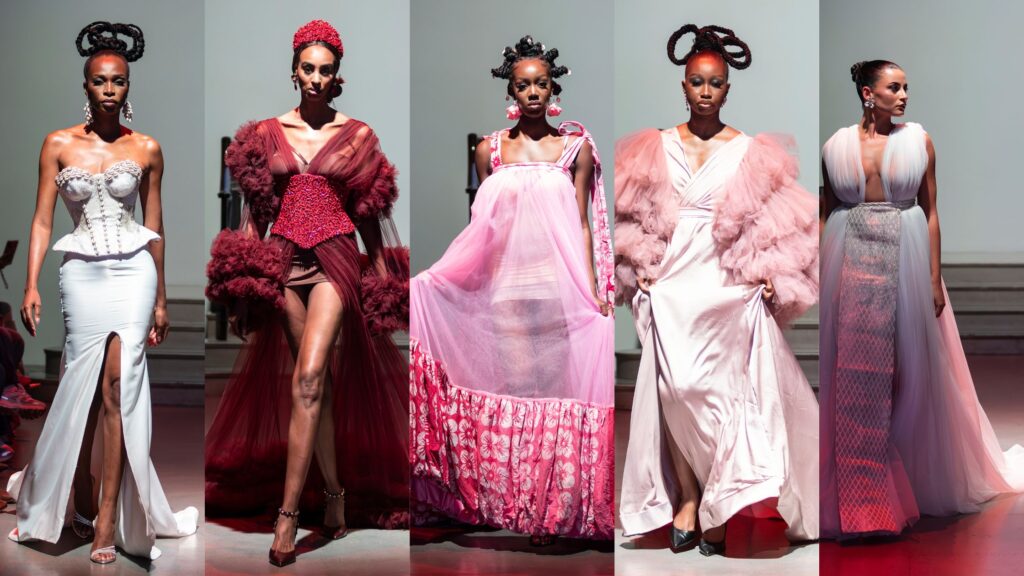
RBA turned bridalwear into declaration. Olaitan Maria Olatoke reinvented ritual white with coral and bead work that felt deeply cultural and resolutely modern. The collection reframed bride garments as armor and identity rather than only romance. Silhouettes were grand but intimate, and craftsmanship held the line between ceremony and personal expression. Beads and coral functioned like punctuation, each placement meaningful. There was courage in reworking white ritual cloth into something that reads both familiar and new. These looks demand attention not because they are loud, but because they are honest and precise. RBA made bridal that feels relevant to a public conversation about heritage and presence. It was a show about taking up space with dignity.
THE IDEAL CRAFTSMAN
By Olutoba Mercy Odetomi | @theidealcraftsman
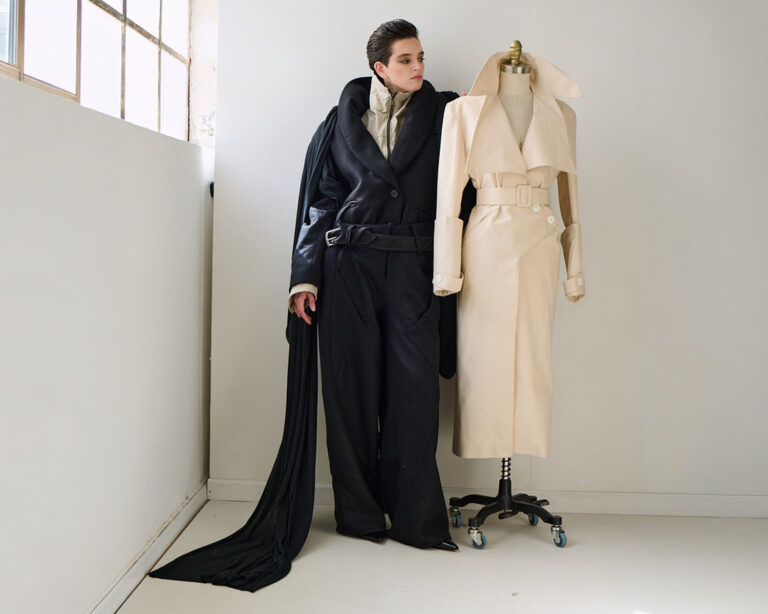
The Ideal Craftsman is polished but never pretentious. The Ideal Craftsman experiments with what a suit can be. Olutoba Mercy Odetomi plays with proportions and unexpected hardware, introducing sleeves and silhouettes that read like ritual objects for a near future. Tailoring is precise, but details like weighted cuffs and jewelry-like elements shift the suit away from convention into speculation. There is an intellectual playfulness at work, like a tailor thinking in metaphors. The collection feels curated for someone who wants to wear something that starts conversations. It is menswear with a conceptual heart and a maker’s hand. Execution is strong and the pieces have a confidence that comes from marrying craft to a clear vision.
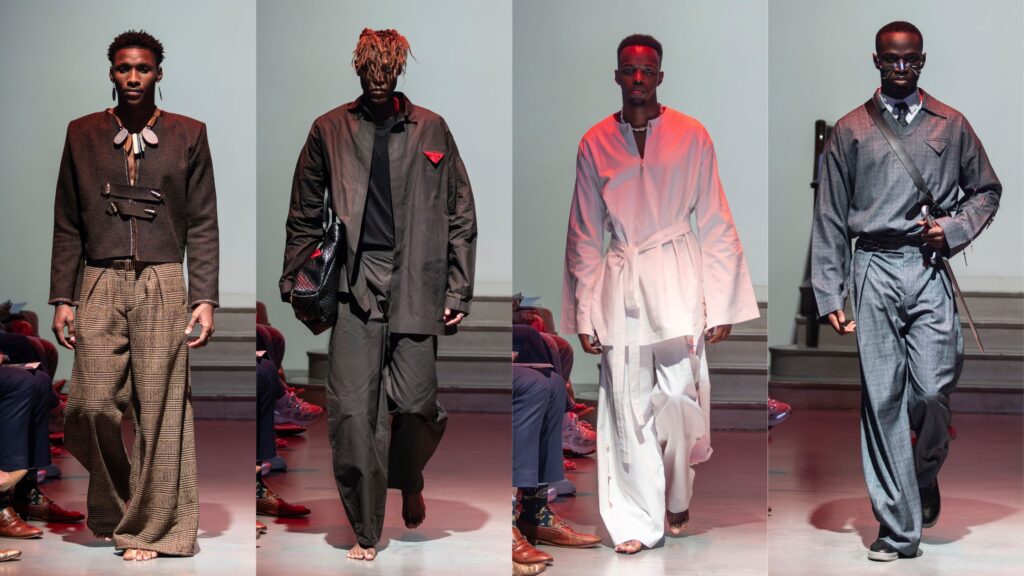
TWIN BY TARE ISAAC
By Tare Isaac | @twinbytare
Twin is powerful in its fluidity. The Water Bearer felt like a love letter to lineage and the sea, beaded and jewel toned without showiness. Beadwork read like tide lines against tailored forms, and the colors held a meditative depth. The collection was tactile and patient, every finish thoughtful. There was a quiet cohesion that tied the whole evening together, ending the show on a note of assurance rather than fireworks. It felt personal in a way that made it feel universal. The Water Bearer is for people who appreciate craft, lineage, and restraint all at once. It closed the night with dignity and a steady heartbeat.
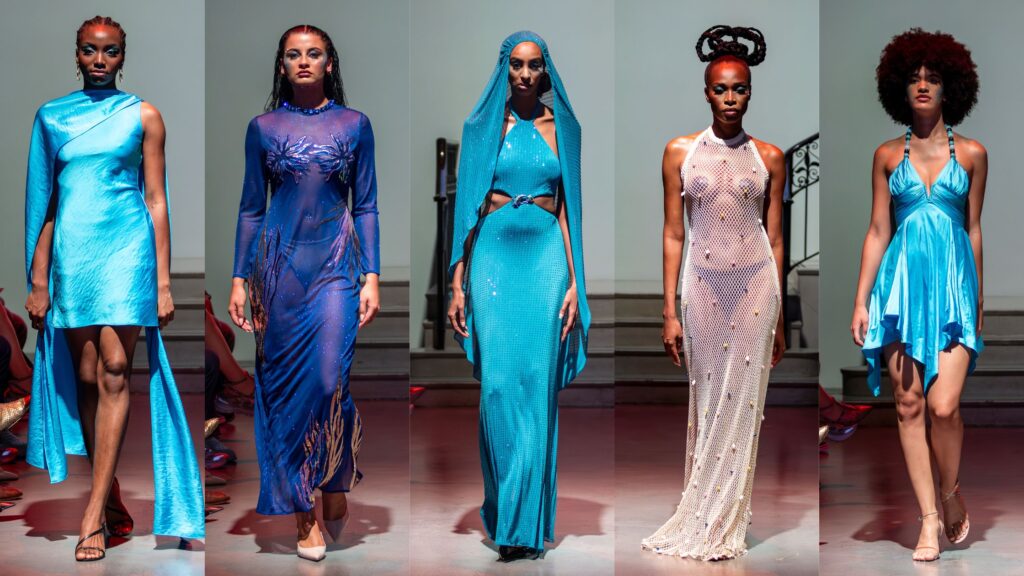
ZUBERE
By Nancy Chizubere Johnson-Chidiadi | @zu_be_re
Zubere felt like a party that insisted everyone take it seriously. Nancy Johnson-Chidiadi layered raffia skirts, coral beadwork, and printed lion motifs in a way that felt celebratory yet rigorous. The pieces moved and made sound, so the show had its own soundtrack beyond the DJ. The marriage of ritual reference and clear contemporary cut is the collection’s strength. Nothing looked like costume. Everything looked like inheritance updated for now. The lion motif worked as an emblem of guardianship instead of shorthand for trend. Raffia and coral were handled with craft and restraint, so the looks never felt heavy handed. There is joy here, yes, but there is also intention. Zubere treats ceremony like a serious business, one that involves history, family, and pride. On the runway it was luminous and alive, the kind of collection that makes you want to stand up and clap.
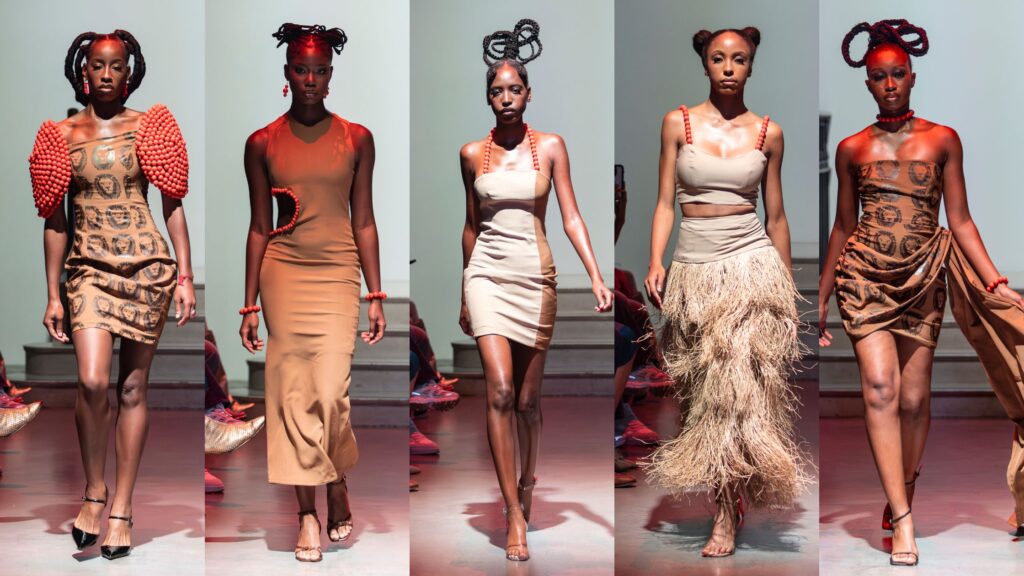
What UDGN has created is not just a showcase but a bridge, between tradition and innovation, between the local and the global, between designers and the audiences who will carry their work forward.
For Tare Isaac and the 16 designers, this is only the beginning. Cultural Threads SS26 by UDGN marks a turning point: a collective promise that the fashion industry will not erase difference but celebrate it.
As the I reflect upon the show, the message is clear: fashion has the power to preserve memory while building new futures.
Credits for the UDGN runway show
PR & Media: I.DEA PR / @i.deapr
Makeup:
LoreZa Agyemang @luxebylorey
Sarah Agbiji @modernwand
Josephine Blades @allurefacesuk
Amber Wilson @amberwilsonmua
Morẹ́nikẹ́ Akinnawonu @madeup.bymo
Ana Rocha @anarocha_makeup_
Sindi Zulu @sindsbeauty
Daniela Le @haiyenglam
Hair:
Cherie Odunayo @cz.beauty
Tinofara @Styledbyteenz
Christabel Okoye @krystals.touch
Toyosi Agbaniyaka @teescrowns
Emeline Betzie @melaninhairldn