
In the realm of sustainable couture, emerging designer Maxine Roeder is crafting a name for herself with Featherplight, a collection that blends environmental responsibility with the refinement of high fashion. This eco-friendly couture project transforms textile waste into wearable art, using birds as both muse and message. Through intricate craftsmanship and conscious design choices, Roeder proves that couture can carry both beauty and purpose.
Birds have always fascinated Roeder, but Featherplight was born from urgency. A 2019 study in Science reported that North America has lost nearly 3 billion birds since 1970, due to habitat loss, pesticide use, climate change, and urban development. “Birds are among the most beautiful and widespread species on the planet, yet they’re incredibly sensitive indicators of environmental change,” she says. “Their decline is often overlooked in conversations about endangered wildlife.”
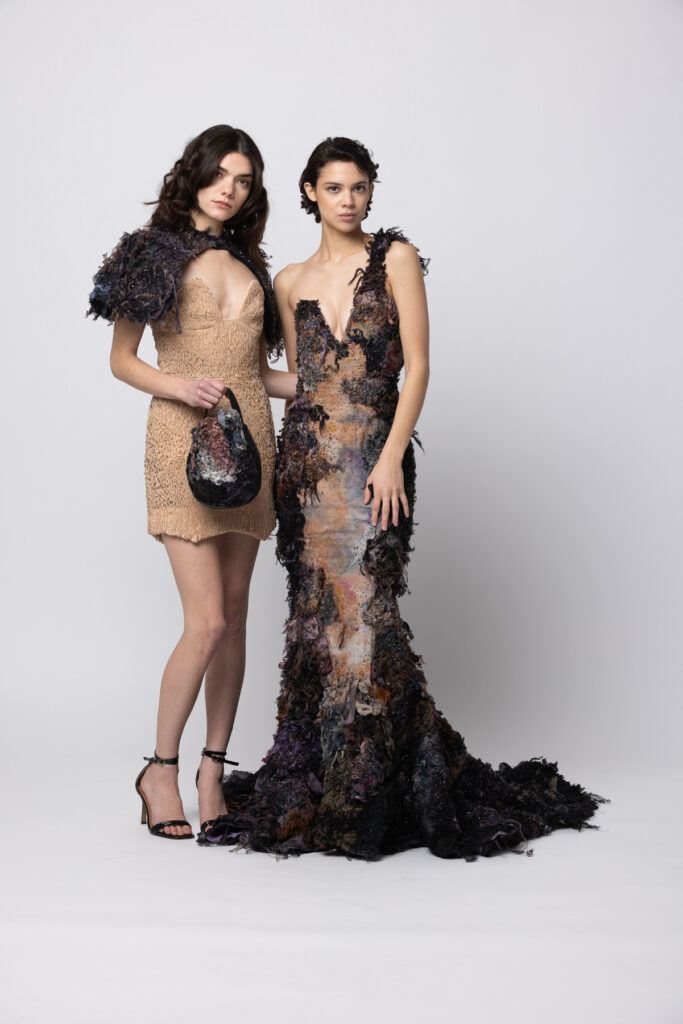
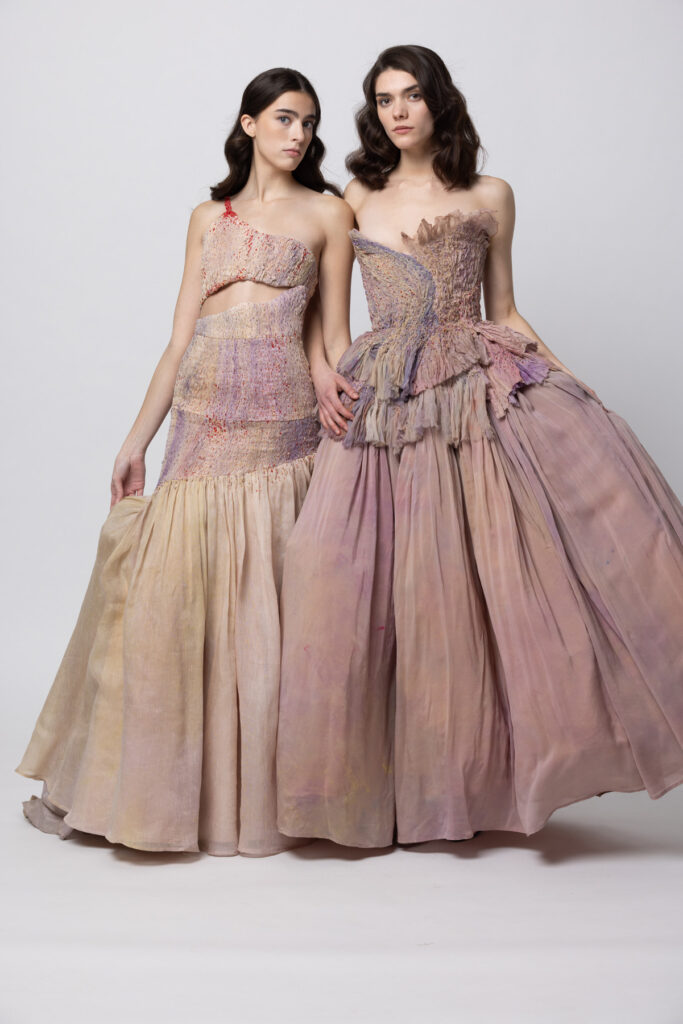
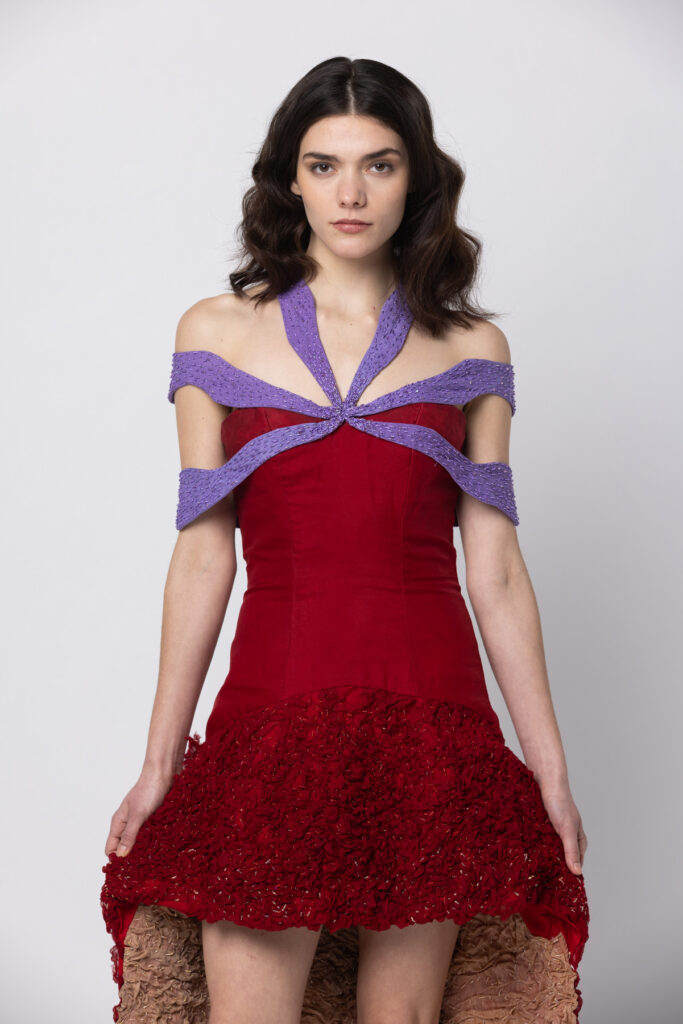
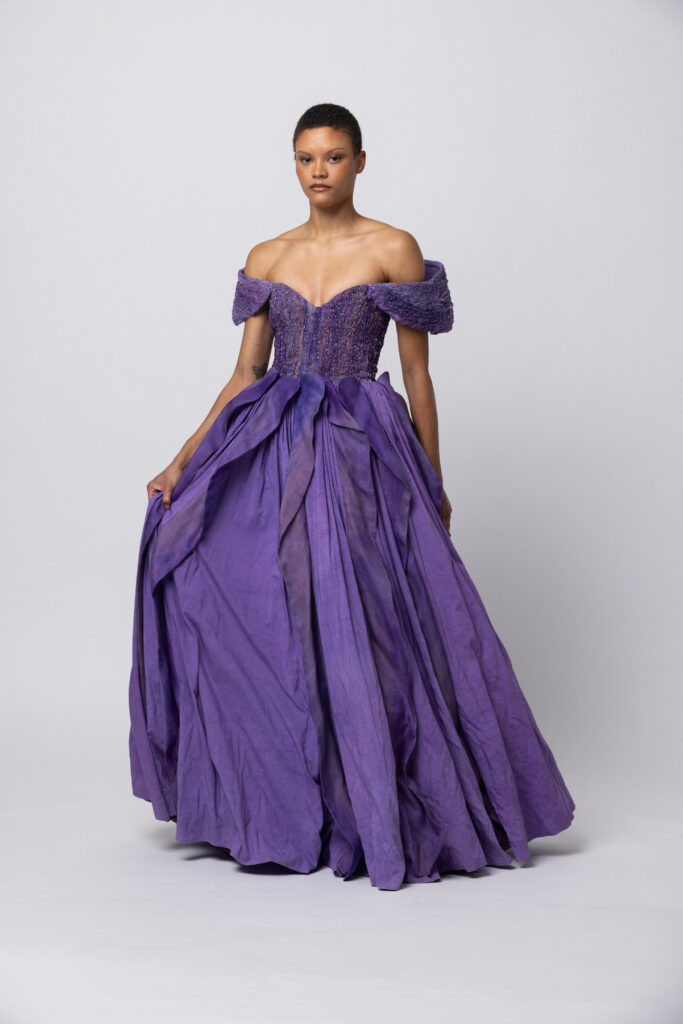
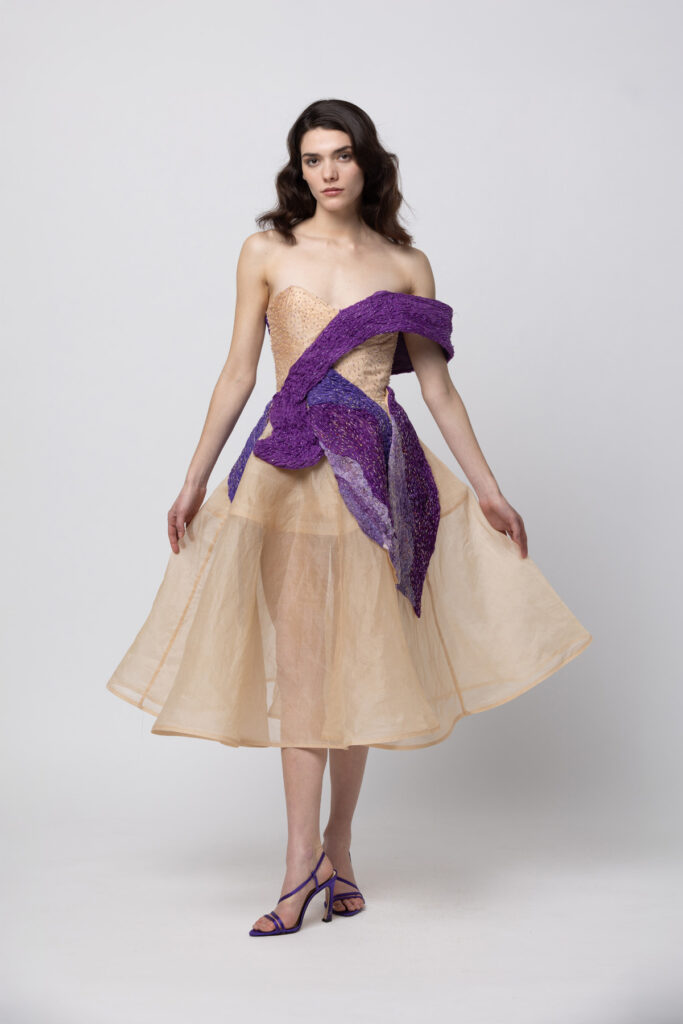
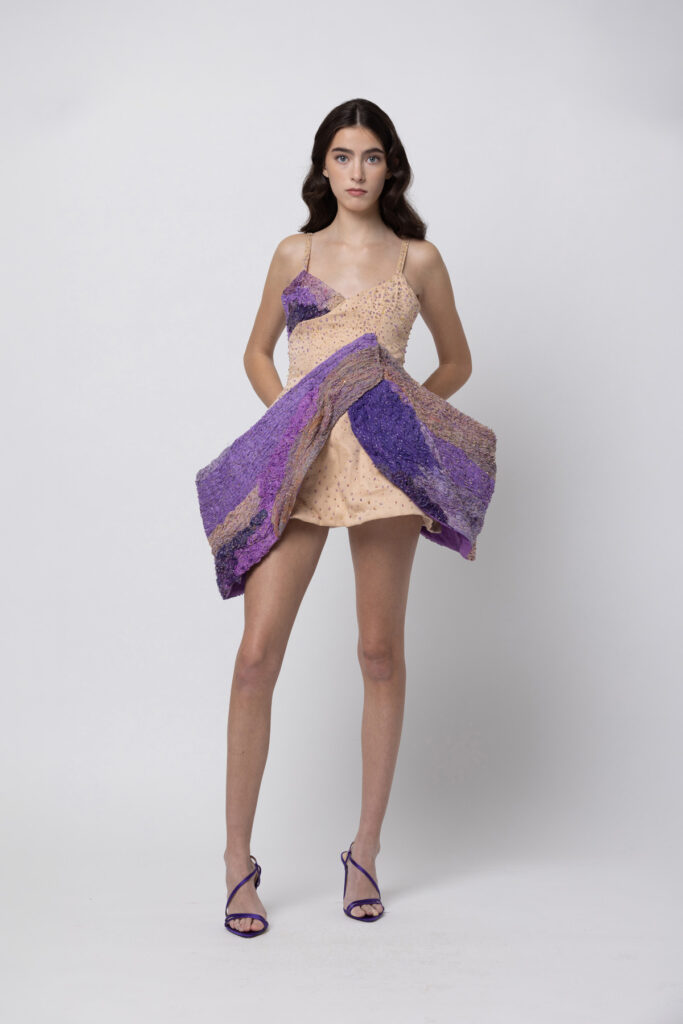
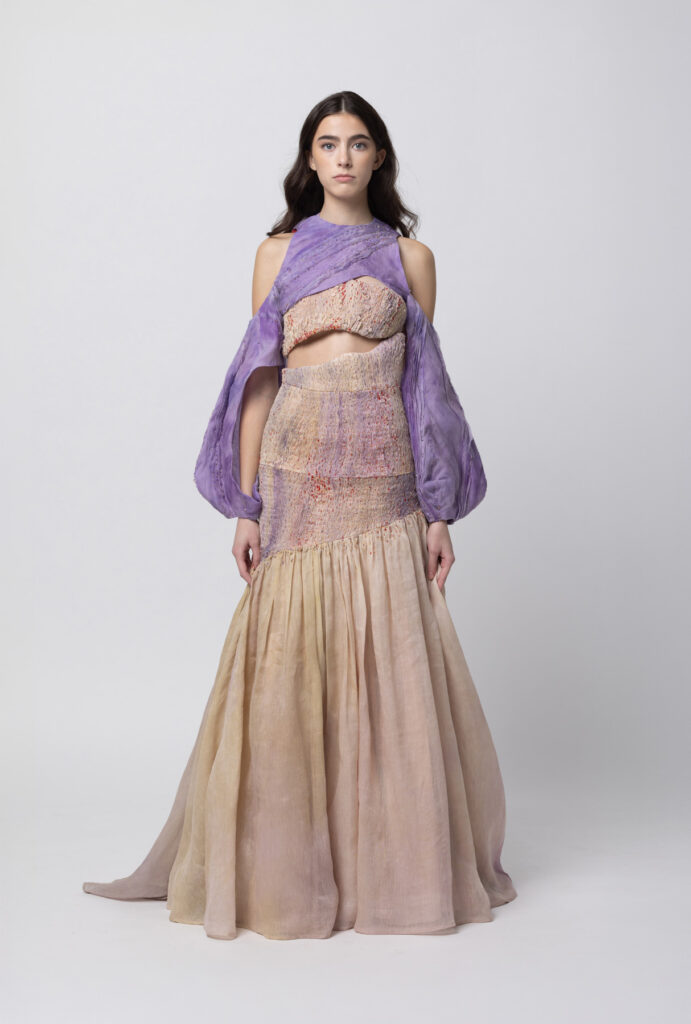
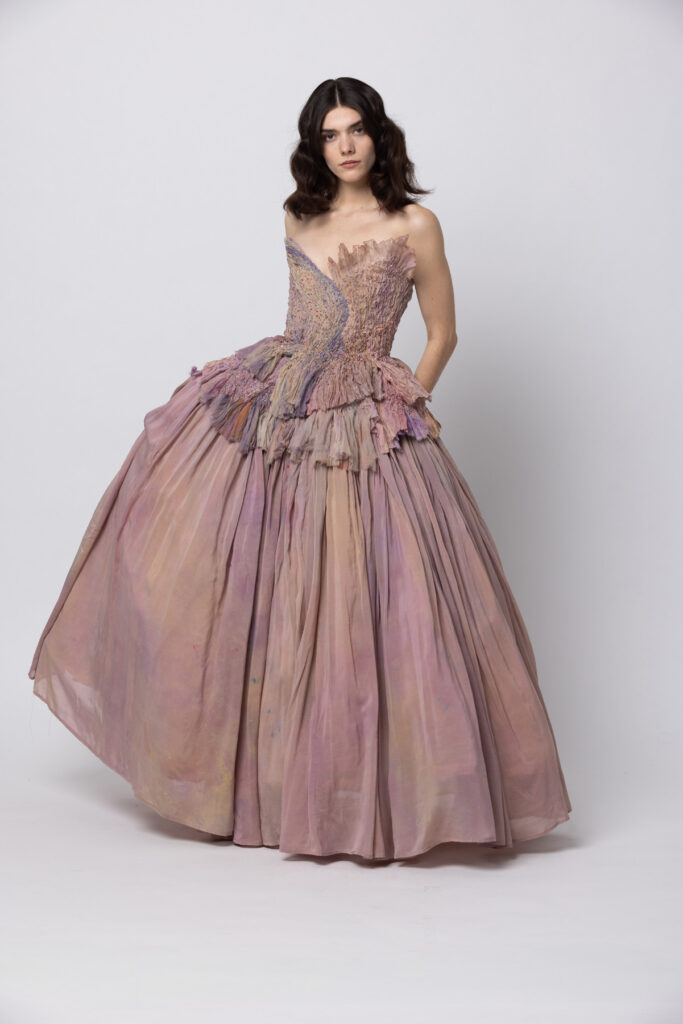
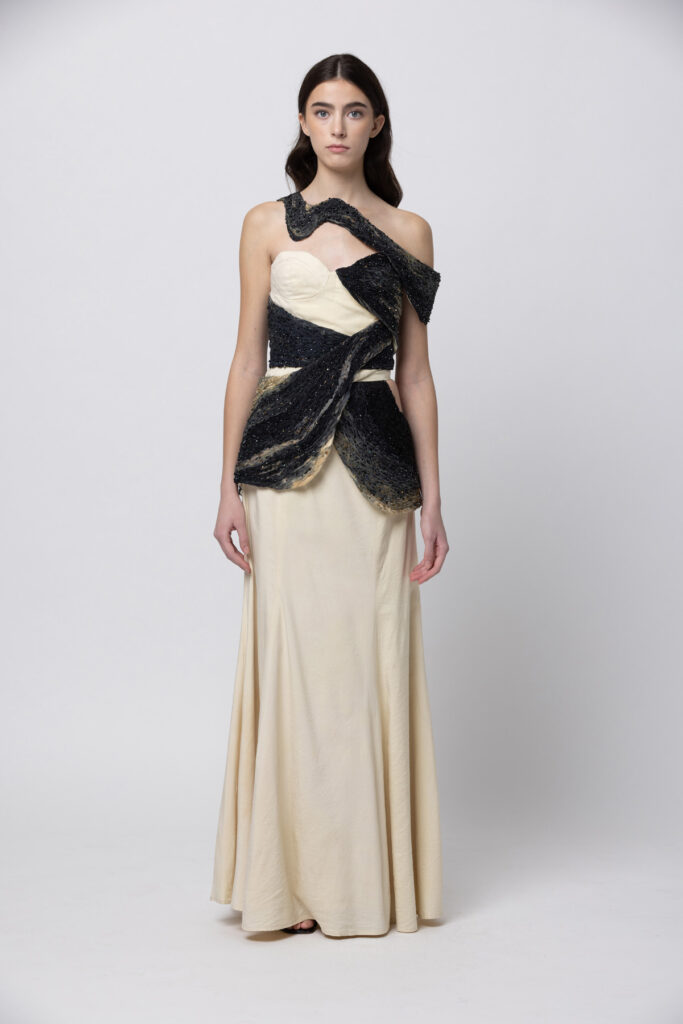
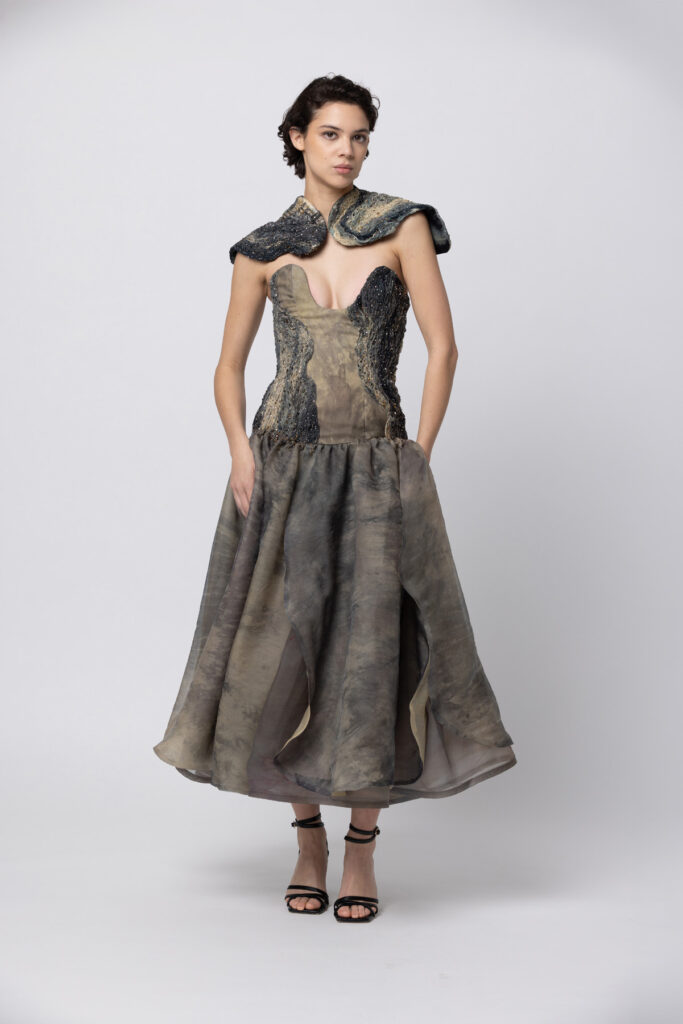
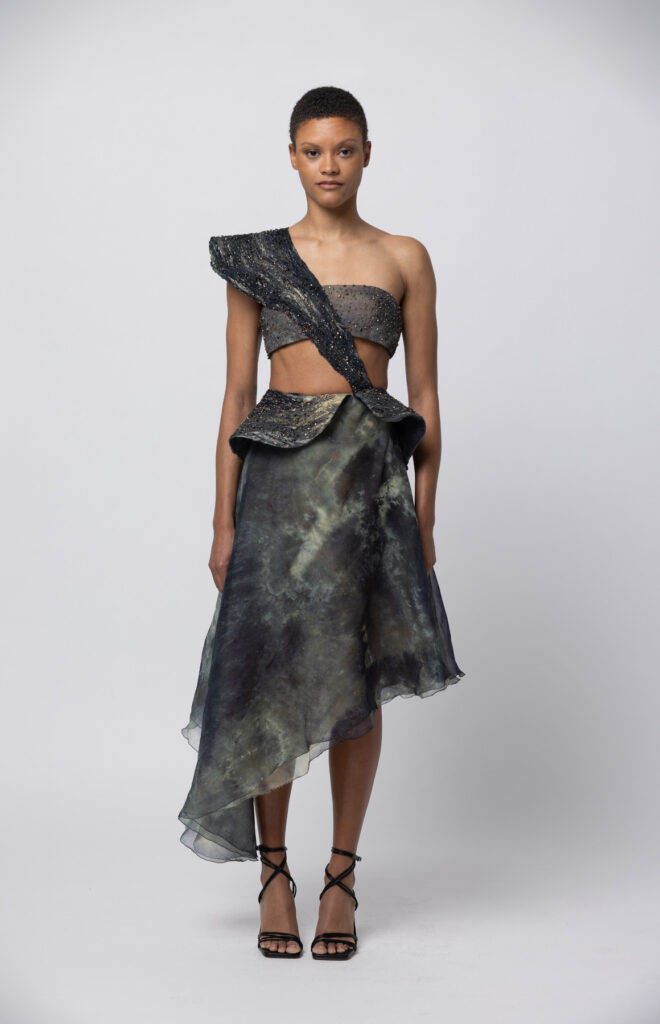
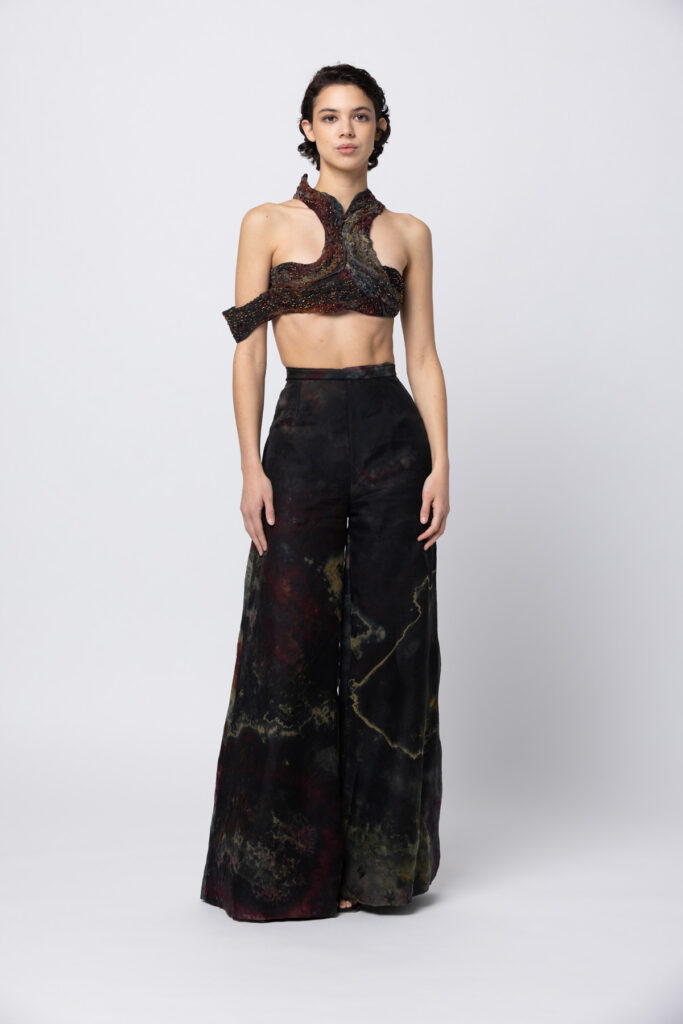
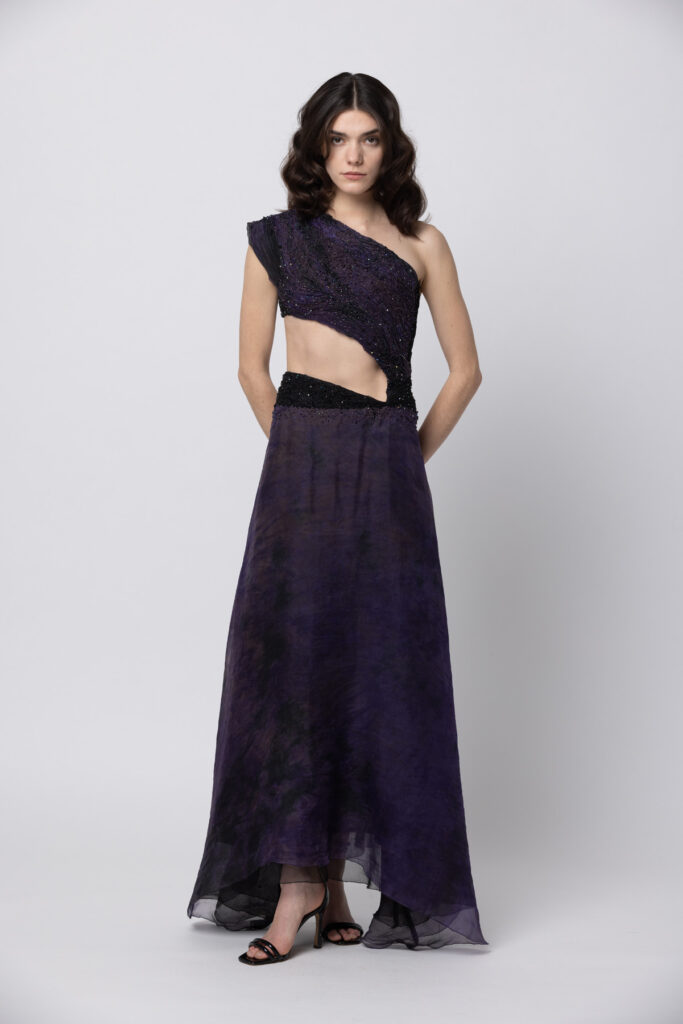
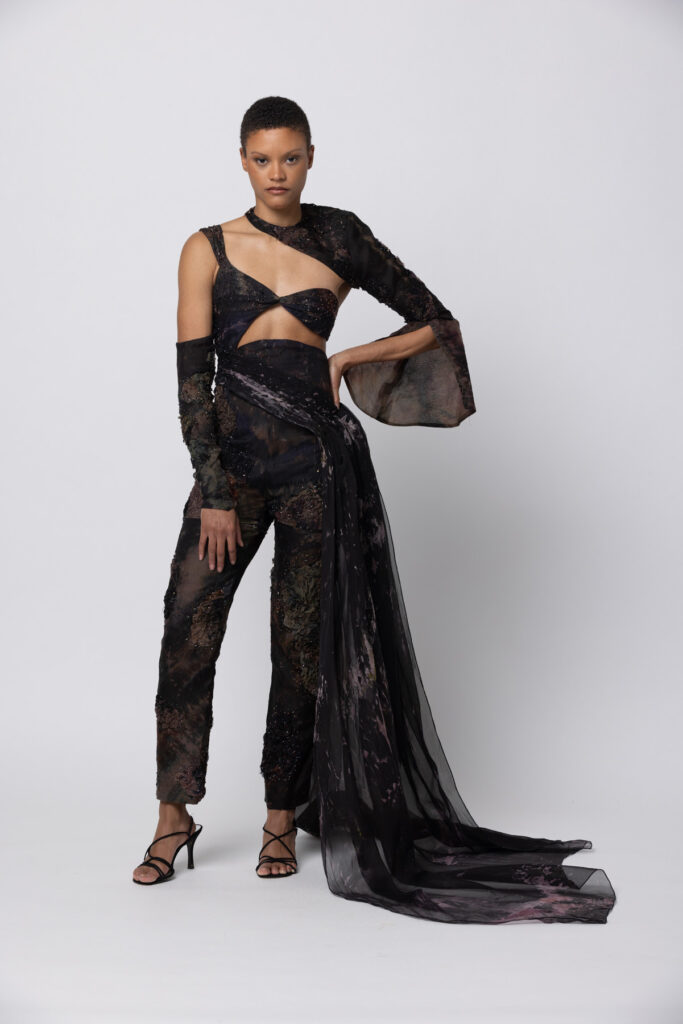
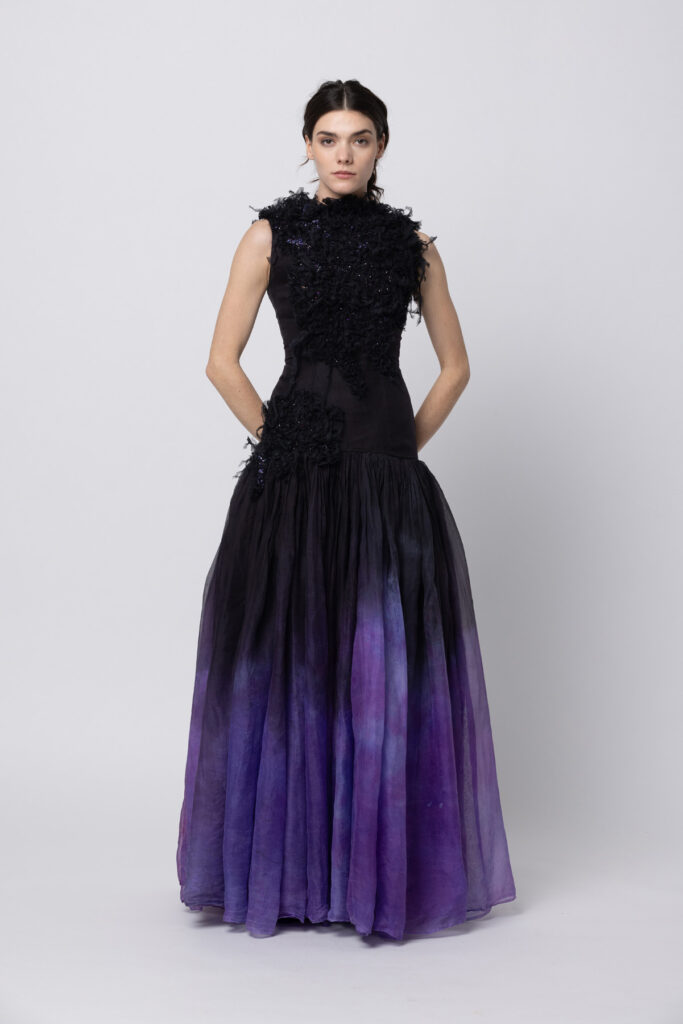
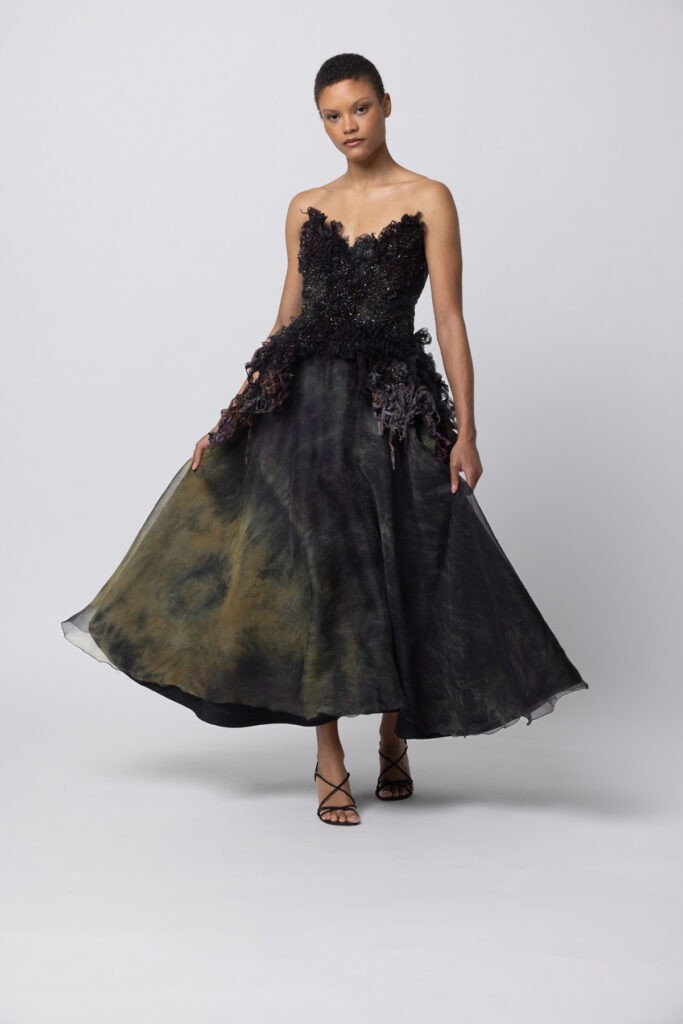
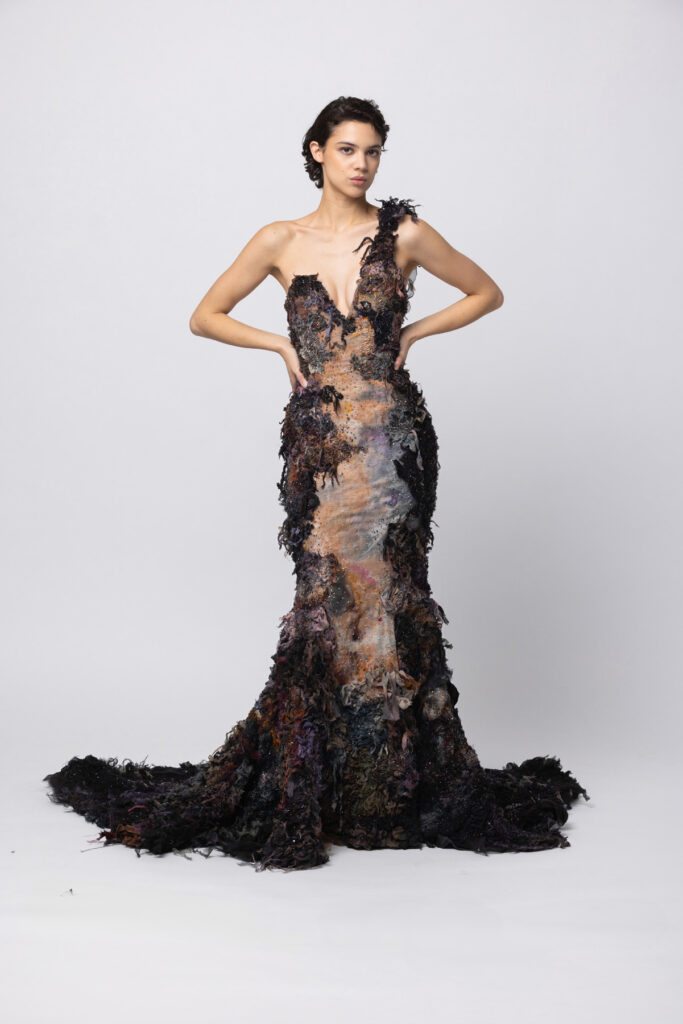
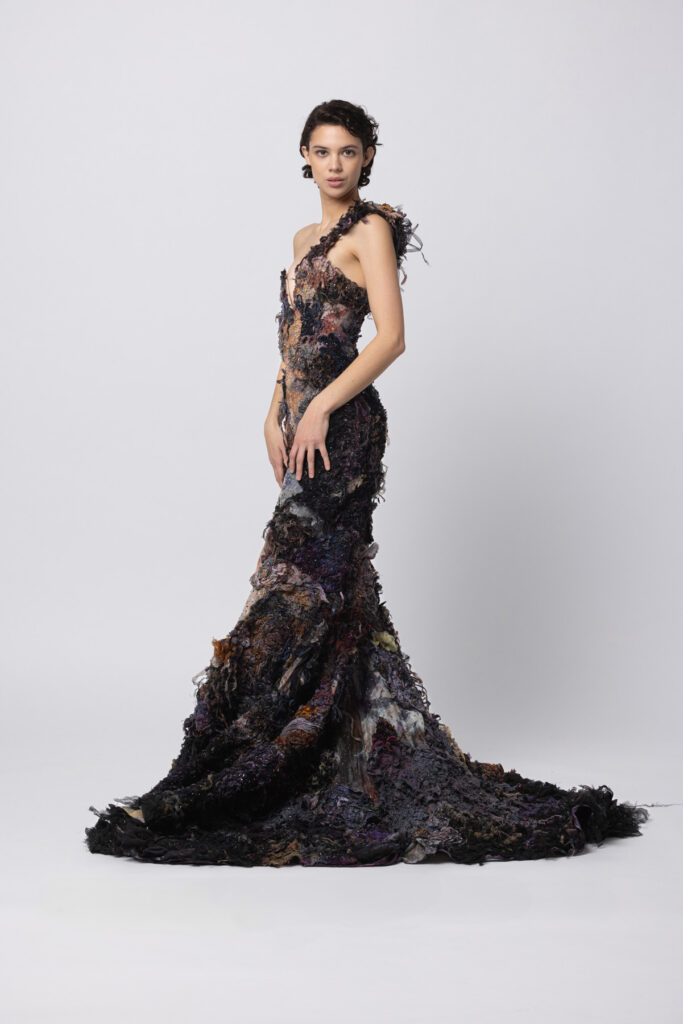
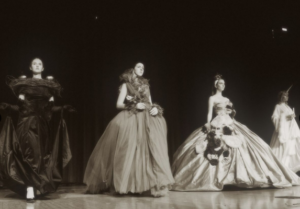
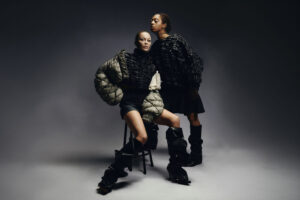
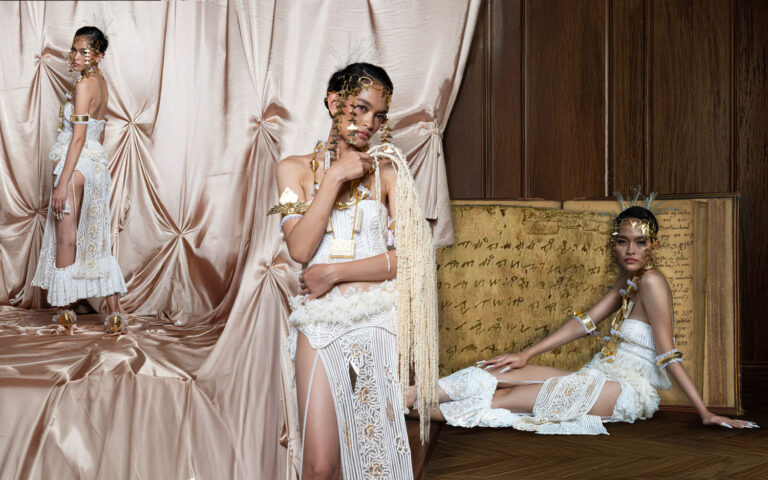
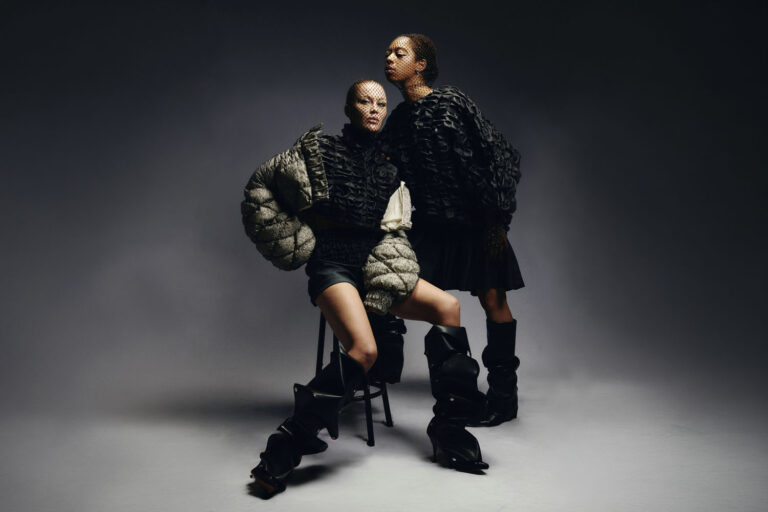
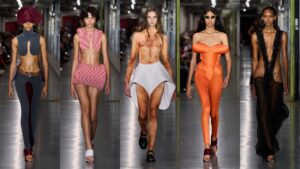
The collection unfolds like a visual narrative. The opening looks are vibrant and symmetrical, celebrating avian vitality. Ultraviolet purple, a wavelength visible to birds but not humans, runs through these designs, offering a subtle nod to their unique perception. As the story progresses, colors fade, silhouettes grow unbalanced, and textures fragment. By the final looks, asymmetry and darker tones dominate, symbolizing ecological disruption and loss.
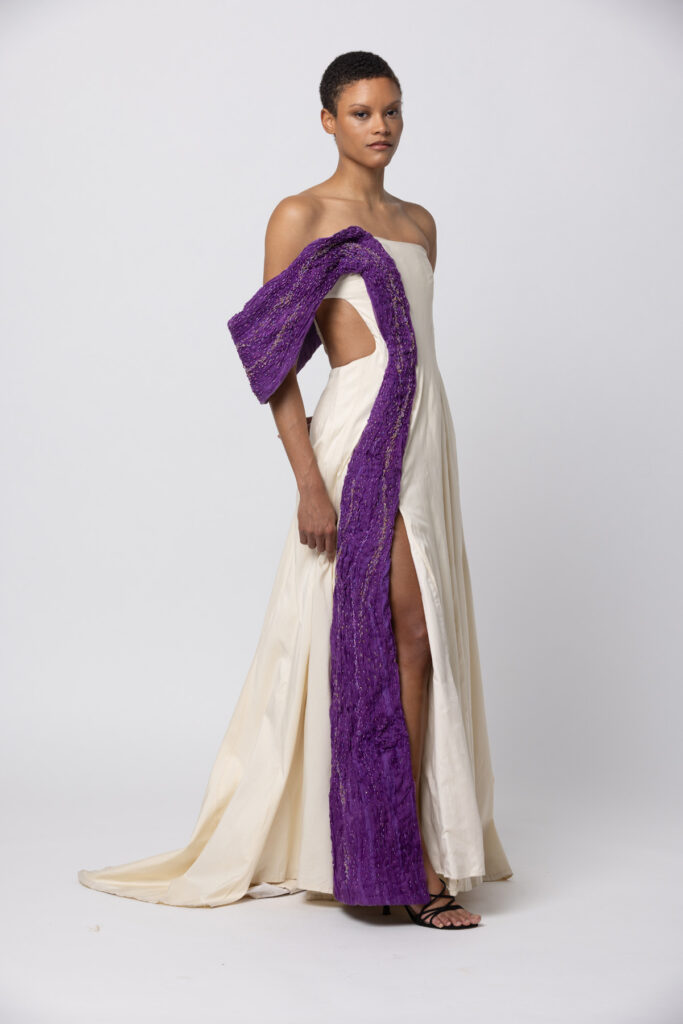
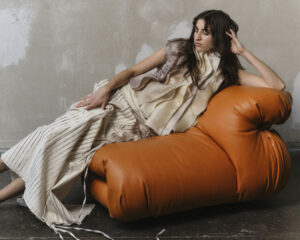
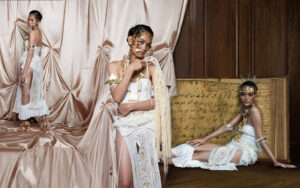
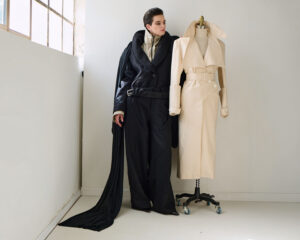
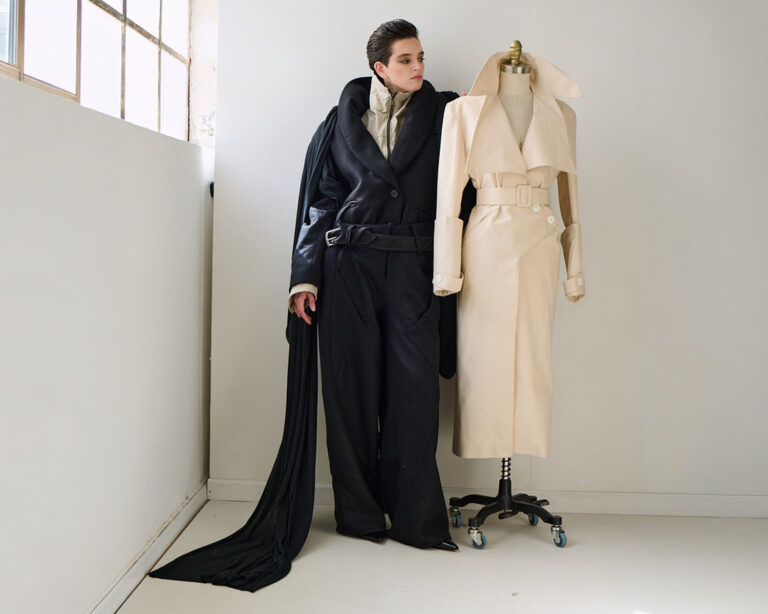
For Roeder, sustainable couture is a starting point, not a compromise. Featherplight uses eco-conscious textiles such as lotus silk, peace silk, regenerative agriculture silk chiffon, and organic cotton and linen linings. These fabrics are chosen for their lower environmental impact and ability to hold the structure and drape that couture demands. Some garments are modular, featuring detachable skirts, convertible tops, or adaptable separates, challenging the idea that couture exists only for single-event wear.
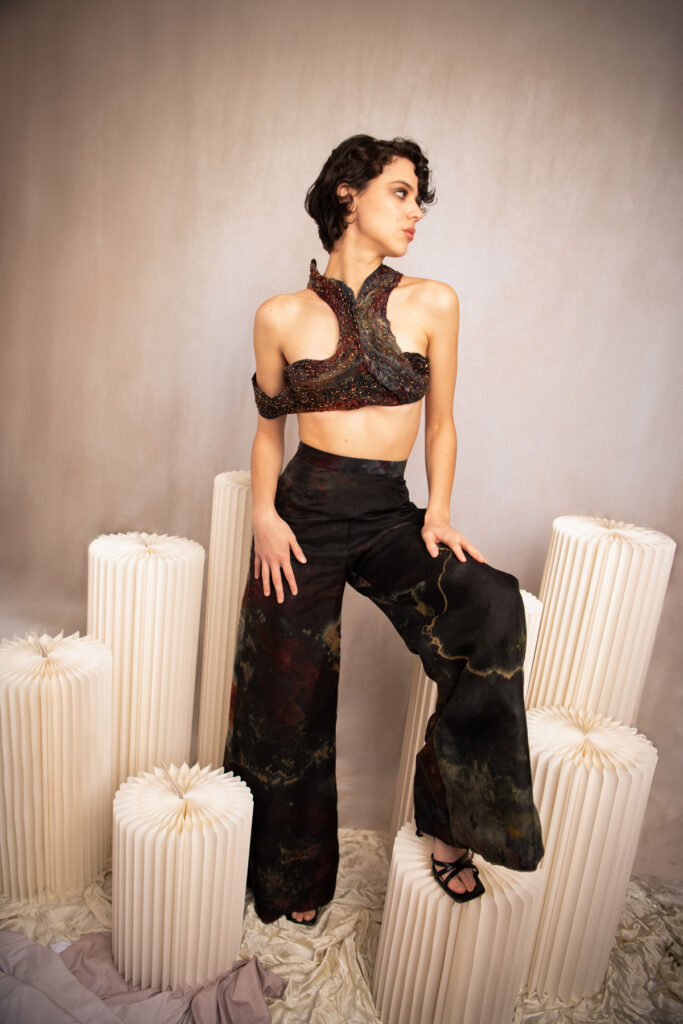
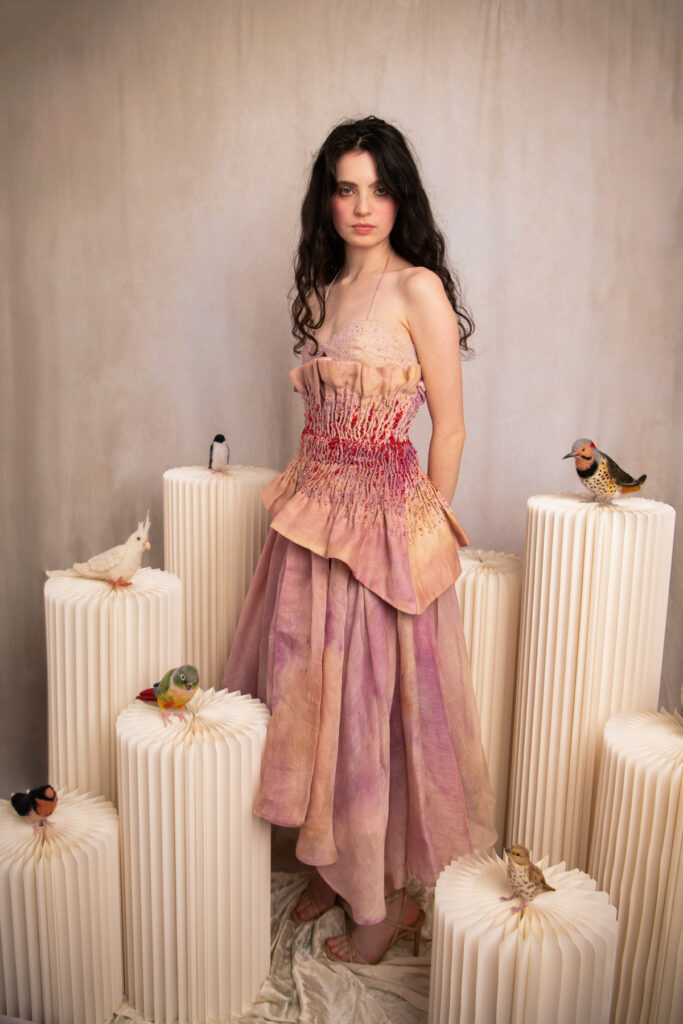
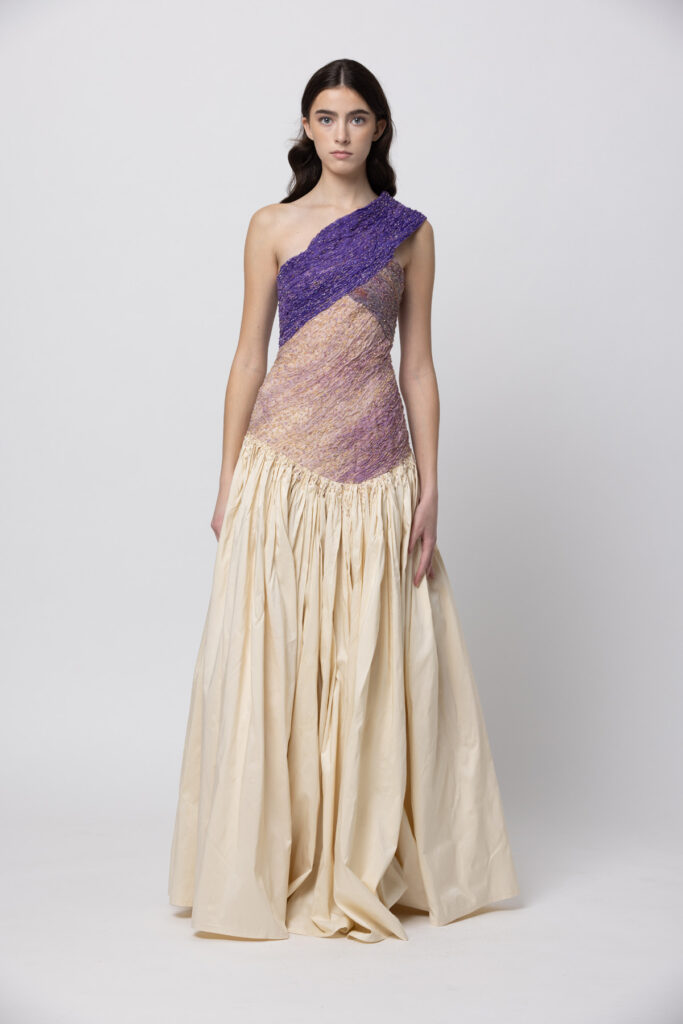
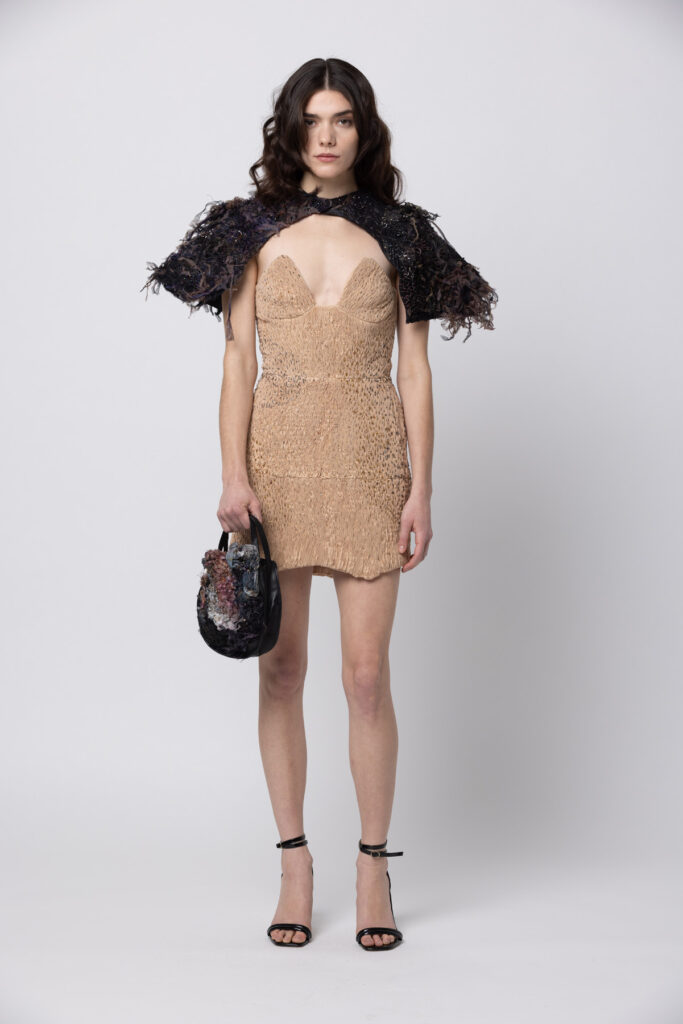
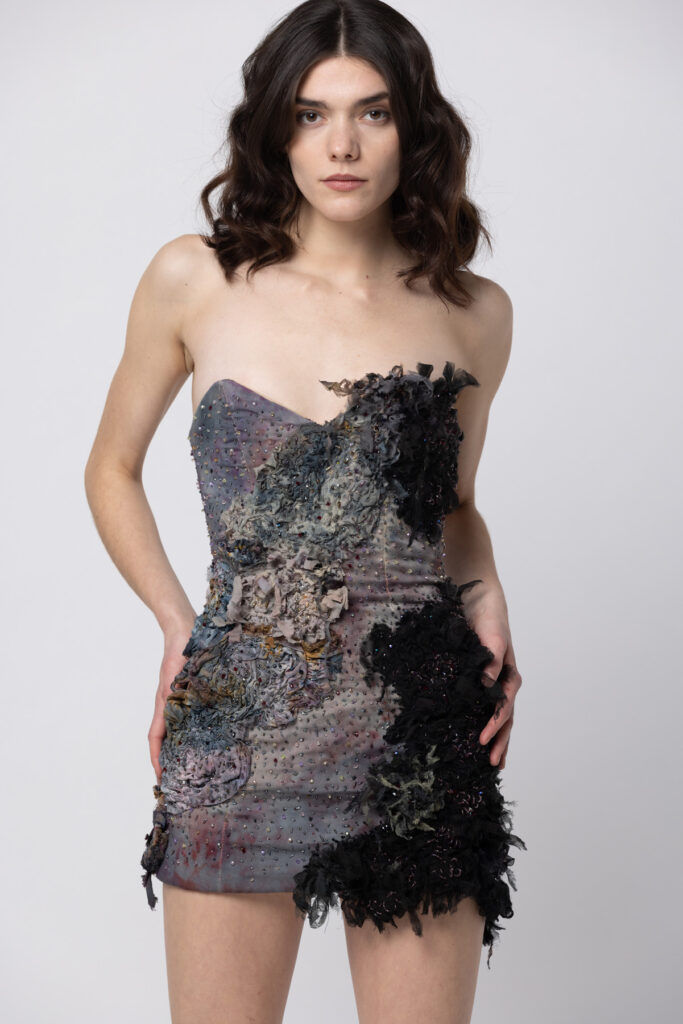
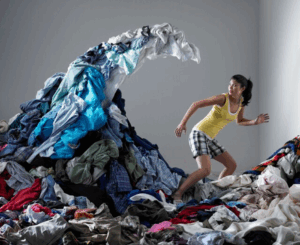
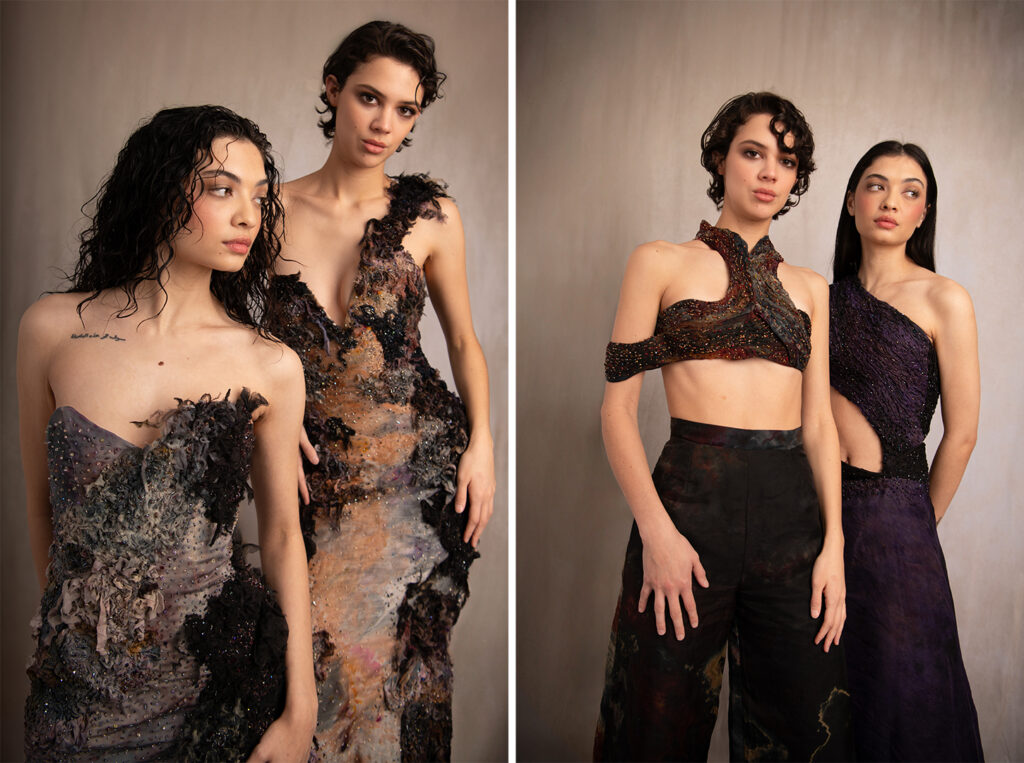
Central to the collection’s eco-friendly couture philosophy is circularity. Roeder repurposes the majority of scraps created during production. Large remnants are pleated, pintucked, or densely beaded into embellishments, while smaller scraps are cut into bias strips or collaged into feather-like appliqués. “Rather than seeing waste as a limitation, I treat it as raw material for artistry,” she says. “The couture process gives the precision and care needed to elevate discarded remnants into something refined and meaningful.”
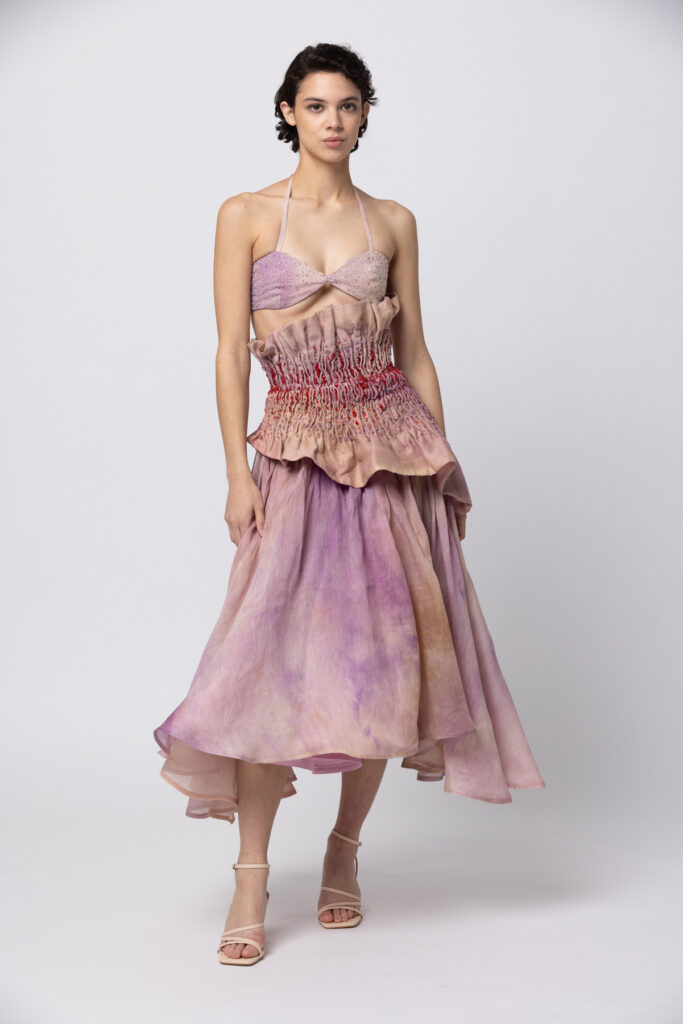
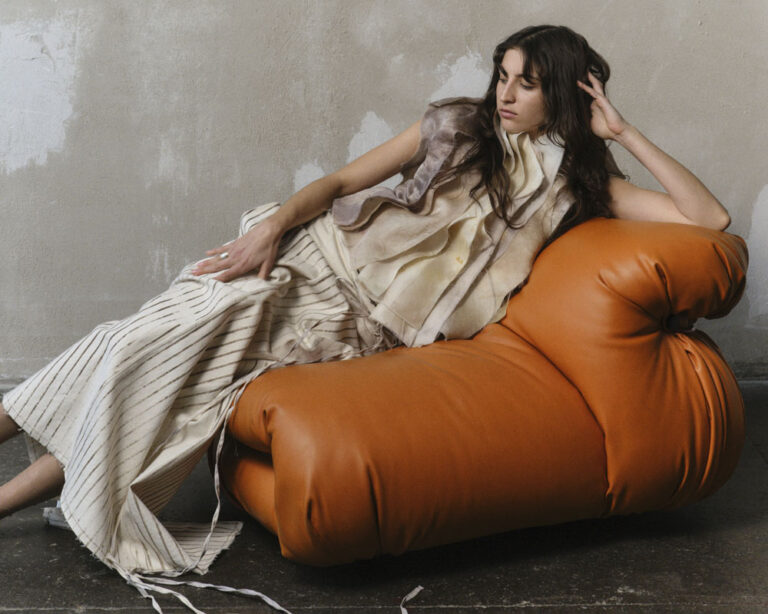
Her upcycled couture techniques create surfaces rich with depth and texture. Feathery appliqués curl organically, layered organza shifts with movement, and hand-beaded details catch the light. Each garment is one of a kind, shaped by both deliberate design and the unpredictability of its materials.
Color work deepens the storytelling. Roeder uses hand-dyeing, painting, and ice-dyeing to produce tonal shifts that mirror the collection’s themes of transformation and fragility. These methods are less wasteful than industrial dyeing and ensure each piece carries its own identity.
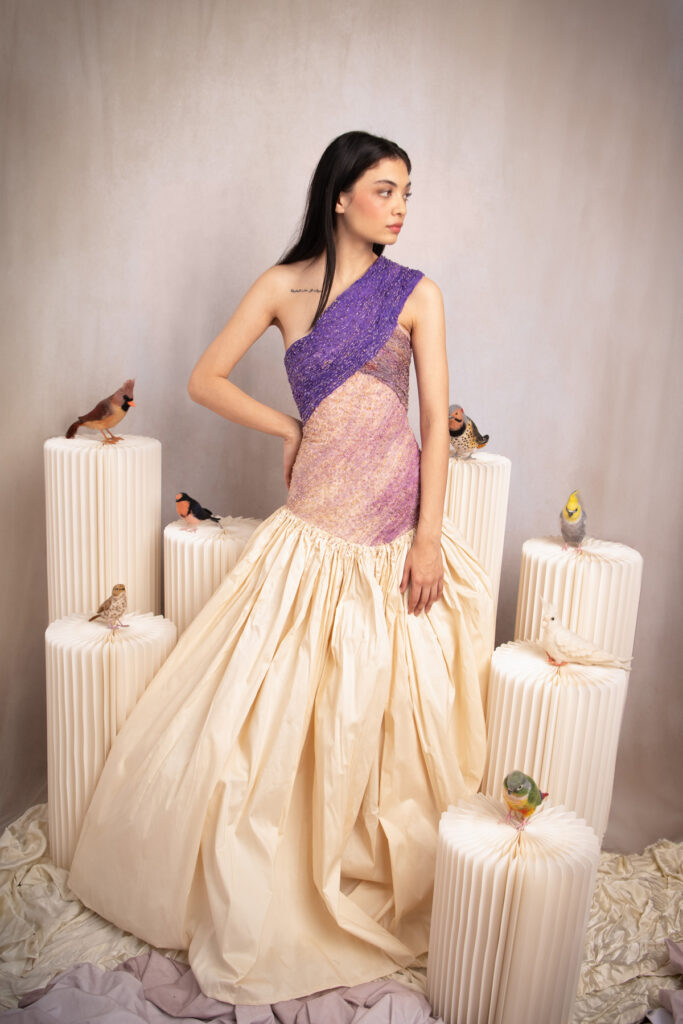
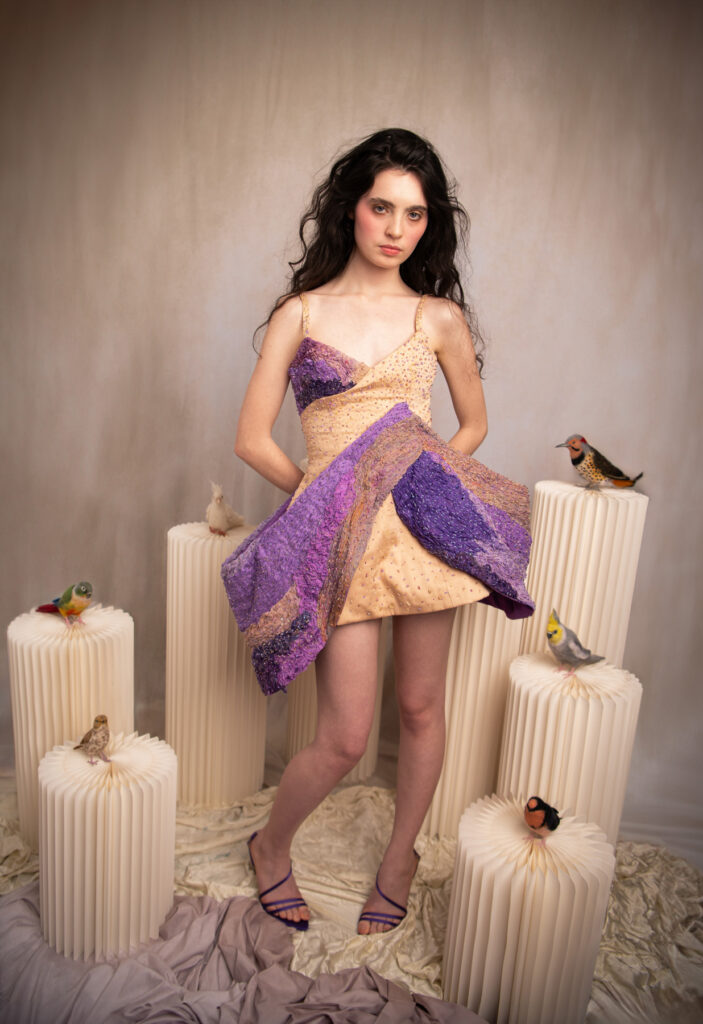
Balancing elegance with melancholy is at the heart of Featherplight. Harmonious silhouettes and graceful lines are paired with deconstructed edges, raw textures, or drooping forms, reflecting the dual realities of beauty and decline. “Fashion is often driven by beauty,” Roeder notes, “but for me, meaning is just as important.”
The result is eco-conscious fashion that challenges assumptions about luxury. In an industry where sustainable couture is still an emerging field, Featherplight proves that environmental responsibility can heighten rather than hinder artistry. The made-to-order model, biodegradable fabrics, and intentional reuse of materials all reinforce Roeder’s commitment to ethical fashion.
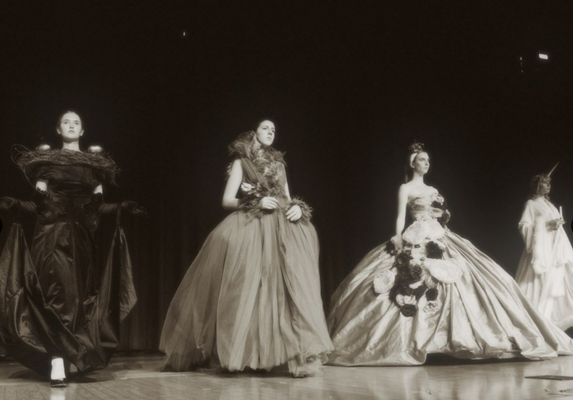
Even as it acknowledges loss, the collection offers hope. Modular designs suggest adaptability; handcrafted details speak to care; and transforming waste into beauty mirrors nature’s regenerative cycles. On the runway, each look becomes a species, a moment in time, or a turning point in the environmental narrative.
“I want to show how sustainability can be a generative force,” Roeder says. “One that opens up new possibilities for design, process, and storytelling.”
With Featherplight, eco-friendly couture becomes more than a label, it’s a philosophy and a call to action. For this emerging designer, the challenge is not only to create beauty but to ensure that beauty carries the weight of responsibility.